A lively jar can still leave a quiet question hanging: is it actually safe yet?
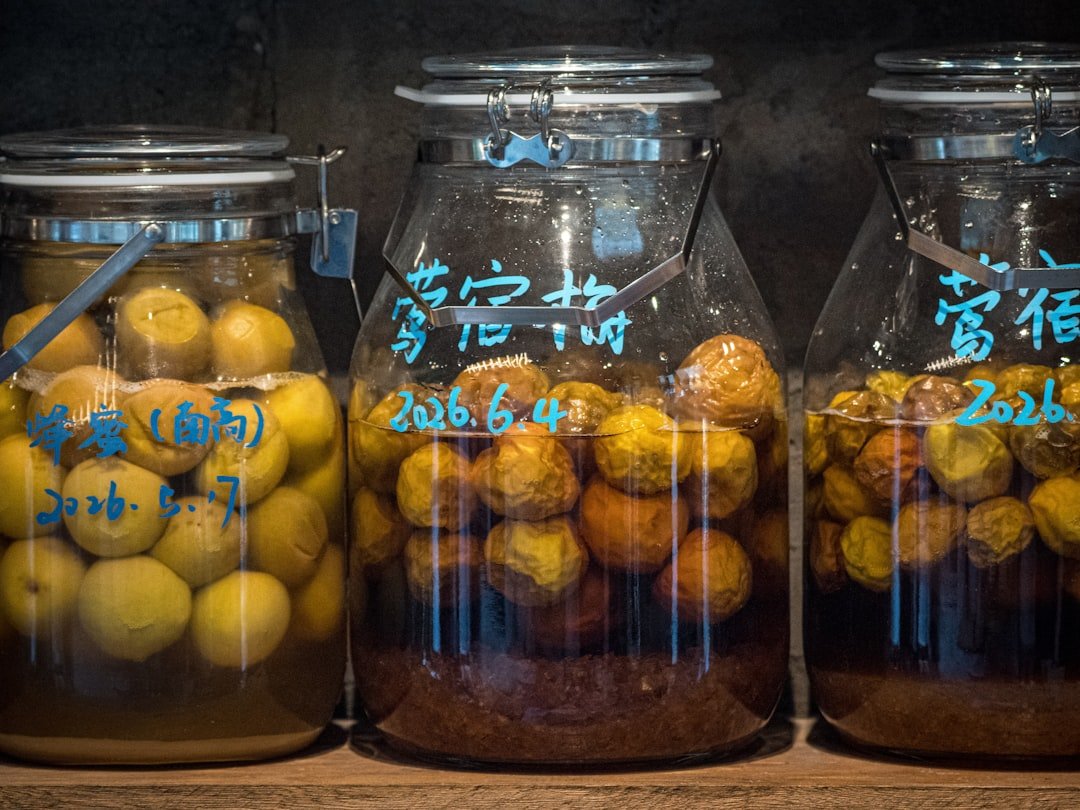
You lift the lid, hear a soft hiss, and see the kind of signs that usually feel reassuring: bubbles, cloudy brine, maybe that pleasantly tangy smell. I’ve had jars like that look completely “on track,” and still felt that little pause before trusting them. That hesitation is normal.
What I’ve learned as a home fermenter is that our senses can tell us a lot about activity, but not always enough about acidity. A ferment can seem lively and familiar without answering the safety question as clearly as a number can. That’s why pH matters so much in this particular moment: it helps settle the gap between “this looks fine” and “I know where it stands.”
Why pH earns a place on the counter
I’ve had ferments that looked a little odd but were likely fine, and others that looked lively and clean while still leaving me unsure. That’s the awkward part of relying on appearance and smell alone: both can point in the right direction, but neither gives a clear safety line.
A jar can smell pleasantly tangy and still not be acidic enough yet. On the flip side, harmless surface yeast or color changes can look alarming even when the ferment has already moved into a more protective range. My senses are useful for spotting obvious problems, but they can also be dramatic.
What makes pH different is that it reflects a real change in the environment. As acidity rises, many unwanted microbes have a harder time growing, while acid-tolerant fermenting organisms tend to keep going. That does not make pH the only thing that matters, but it does make it more than hobbyist trivia.
A quick reading can help answer questions my nose cannot:
- Is this batch actually becoming acidic?
- Is it getting there fast enough to feel reassuring?
- Does this strange-looking jar still show the numbers I expect?
That’s why I think of pH as evidence, not decoration.
Why 4.6 matters — but not by itself
I think of pH 4.6 as an important benchmark, not a magic finish line. It’s widely used because foods below that level are considered much more acidic, which changes how easily certain dangerous microbes can grow. That’s the core idea behind acidity and botulism risk.
What trips people up is treating 4.6 like a universal green light. A reading of 4.5 can mean different things depending on what I tested, when I tested it, and how I measured it. Brine may read differently from the solid food, an early reading may drop later, and strips can miss small but meaningful differences.
That’s why many home fermenters like a little more margin and feel more comfortable seeing numbers closer to 4.2 or lower, depending on the ferment. Context matters just as much as the cutoff:
- the ingredient and recipe
- whether I sampled brine or solids
- fermentation time and temperature
- meter calibration or strip accuracy
A pH reading is most useful when I pair it with good sampling and timing. The cutoff helps, but it doesn’t replace understanding the ferment in front of me.
Where I watch pH more closely
Some ferments are pretty forgiving. Others get a lot more variable, so I’m quicker to check them instead of trusting the jar’s vibe.
- Simple vegetable ferments like cabbage or carrots are usually more predictable when salt level, cut size, and submersion stay consistent.
- Pickles can swing more because cucumbers differ in water content, size, and freshness.
- Pepper mashes and hot sauces deserve extra attention: sugar, thickness, blending, and added vinegar all change how evenly acidity develops.
- Mixed jars—say peppers with garlic, onions, fruit, or herbs—bring the most uncertainty because each ingredient buffers acidity differently.
How I prioritize testing
I put the most effort into batches with more ingredients, added liquids, or inconsistent piece size. Those give me fewer clean comparisons to past jars.
If a project includes a fresh acid addition, a cooked sauce, or a mash that’s hard to sample evenly, I’m more careful about when and where I test. The less uniform the batch, the less I assume one quick reading tells the whole story.
Why the pH drop can stall
Fermentation runs on conditions, not promises
I’ve learned that acidity doesn’t appear on a schedule just because a jar is bubbling. The pH drop depends on microbes getting established, outcompeting the rest, and having conditions they can actually work in. When that start is slow, the numbers can lag behind what the ferment looks like.
A few factors can change the pace quite a bit:
- Salt level: too much can slow the bacteria that make acid; too little can let less helpful microbes hang around longer.
- Temperature: cool rooms often mean a slower drop, while warmer conditions can speed activity but also make outcomes less predictable.
- Oxygen exposure: repeated opening, floating solids, or poor submersion can favor surface growth instead of steady acidification.
- Ingredient mix: garlic, herbs, sugars, dense vegetables, and added water can all shift how quickly the jar acidifies.
- Weak starts: old produce, heavy washing, or a low initial microbial load can mean fermentation takes longer to get going.
That’s why I try not to treat fermentation like a guaranteed countdown. Two jars made the same afternoon can acidify at very different speeds.
Bubbles tell me something is happening. A falling pH tells me what kind of change is winning.
A testing routine I trust
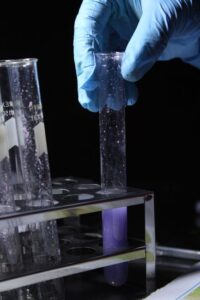
Strips are cheap and quick; meters are steadier if I calibrate often. I pull a well-mixed sample, test the same way every time, and rinse carefully—because sloppy technique can give false reassurance.
Why technique affects readings
This short explainer connects pH numbers to home-ferment safety without overcomplicating the science.
What a pH reading really tells me
If it tastes sour, is the pH low enough?
Not always. Sourness can come from aromatics, carbonation, or a little acid hitting strongly. I treat taste as a clue, then let the number confirm whether the jar is actually landing where I expect.
Is a lower pH always better?
Not really. A lower pH usually means more acidity, but chasing the smallest number can flatten flavor and texture. For me, the useful question is whether the ferment reached a comfortably acidic range, not whether it broke records.
What do I make of a reading right around 4.6?
Borderline numbers are where I slow down. I look at timing, repeat the test with a fresh sample, and consider whether solids and brine were mixed unevenly. One close reading tells me less than a consistent trend.
Why can two samples from the same jar read differently?
Because jars are not always uniform. Thick mashes, floating solids, and pockets of brine can give different readings, which is why I stir or blend the sample before testing instead of trusting one random dip.
If the pH is under 4.6, does the rest stop mattering?
I still keep the rest of the picture in view. Clean handling, salt level, temperature, and storage can all matter, and pH does not turn a rough process into a tidy one.
What low pH does not cover
A low reading helps, but it is not a universal all-clear.
pH measures acidity, not every problem. A single sample can miss pockets, and contamination can still happen during handling.
Clean equipment, workable salt levels, and limiting oxygen still shape the ferment.
Those basics influence which microbes get traction before and during acidification. I treat pH as one checkpoint, not the whole system.
Storage still affects quality and stability, and visible mold, slime, or strange pressure changes still count.
A reading does not overrule common-sense warning signs. If I am unsure, I pair the number with signs that something smells wrong.
I trust pH more than appearances, but I do not let one number cancel out sloppy prep, poor storage, weak salt balance, or clear spoilage signs.
How I make the call
-
Name the ferment
I first ask whether it is a simple vegetable brine, a sauce, or a mixed jar. That tells me how predictable the acid drop is likely to be.
-
Use a method with a track record
A recipe with a familiar salt range and normal fermentation pattern gives me a steadier baseline than an improvised batch.
-
Measure carefully
I test a representative sample, use clean tools, and recheck anything that lands close to the line.
-
Read the number with the rest of the story
A pH result means more when I pair it with time, aroma, surface activity, and whether the batch has been acting normally.
-
Pause when things do not add up
If the reading, timing, or signs feel off, I slow down instead of forcing a confident answer.
- pH supports judgment; it does not replace it.
- Borderline readings matter more when timing or behavior looks odd.
- Stopping to reassess can be part of a careful fermentation routine.
For me, pH works best as a grounding tool, not a perfection test. I get calmer results when I identify the ferment style, use a method with expected acidity behavior, measure well, and read the number alongside time and visible signs.
When a batch feels unclear, I treat that uncertainty as useful information. The goal is not a flawless jar every time; it is a reasonable, informed call.

The section about stalled pH drops made me rethink a batch I blamed on “weak cabbage.” My kitchen was like 64F and I had the jars in a drafty spot, so… yeah, probably not the cabbage’s fault.
Would you say temperature is usually the biggest reason for a slow drop, or does too much oxygen at the surface cause just as many problems in practice?
Temperature is one of the most common reasons, simply because it affects the pace of the microbes doing the acidification. A cool room can slow things noticeably even when everything else is fine.
Oxygen matters too, but usually in a different way: it tends to create uneven conditions at the surface and can open the door to unwanted growth rather than merely slowing the whole batch. In practice I’d rank temperature as the more common “why is this taking forever?” culprit, while oxygen is a major quality and stability issue.
This is the kind of post I wish existed when I started, because the internet can get weirdly mystical about fermentation. Sometimes people talk like bubbles = blessing from the microbes and all is well 😂
One scenario I’m still unsure about: if a mash tests low enough overall, but one corner or top pocket seems less integrated and maybe got more oxygen, do you consider that batch inherently suspect? That’s where the “borderline and uneven samples need context” line really hit for me.
Basically, can one jar be both “generally fine” and “not trustworthy enough” at the same time?
Curious about reusing brine from a successful batch. If the old brine is already acidic, does that meaningfully improve the safety side early on, or is it mostly just speeding up flavor and fermentation character?
I’ve seen people treat backslopping like a cheat code and others act like it’s pointless, so now I don’t know what to think.