
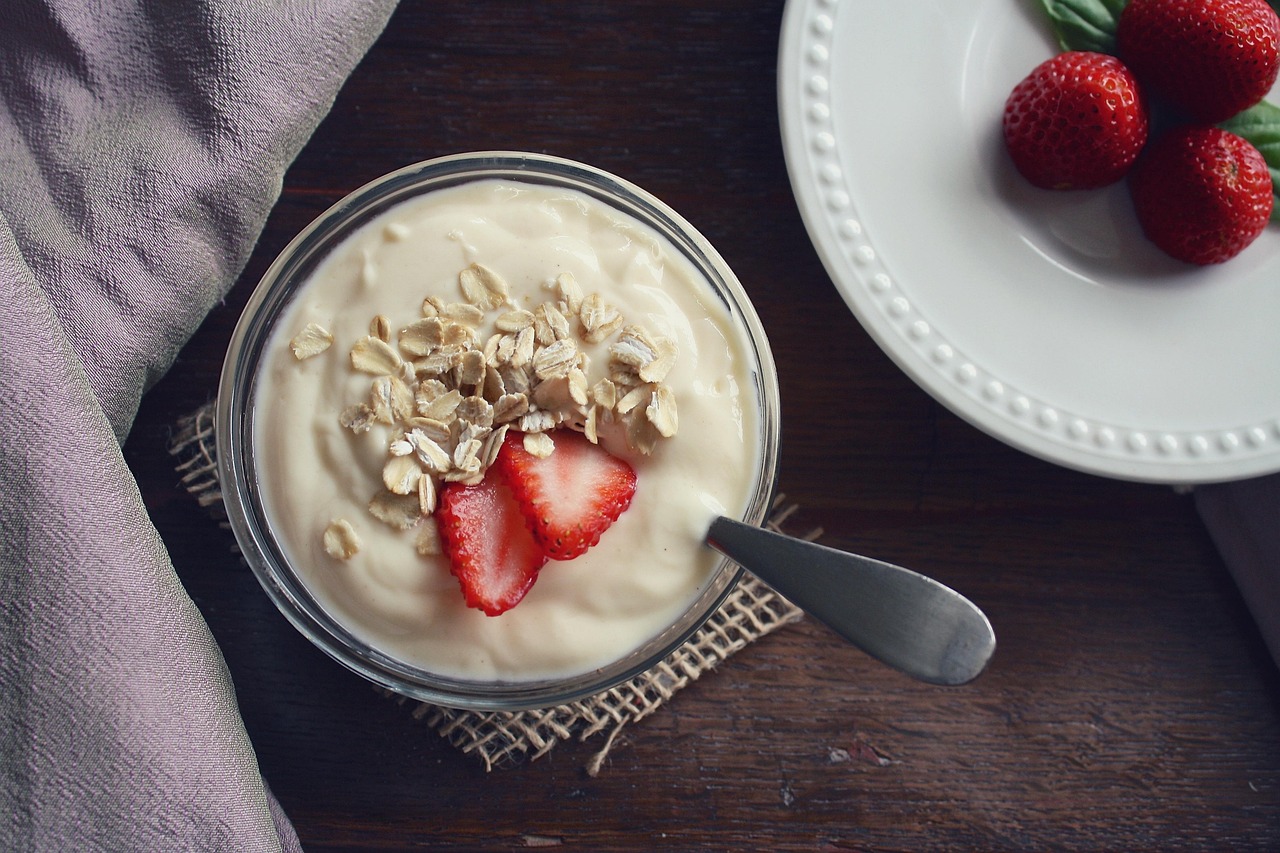
Cultured dairy looks complicated until the same simple idea connects the whole shelf.
A dairy case can turn into a small guessing game: thick Greek yogurt beside tangy skyr, sour cream near crème fraîche, butter marked “cultured,” and labels promising live cultures in tiny print. The names sound technical, but the basic process is old-fashioned and familiar: milk or cream meets friendly bacteria, then time and warmth let flavor and texture change.
That change can make dairy taste sharper, feel thicker, or behave differently in cooking. Yogurt may spoon like pudding, sour cream may loosen into a sauce, and cultured butter may taste a little nuttier than sweet cream butter. Once “cultured” simply means fermented with selected bacteria, the aisle starts to feel less like code and more like a set of useful ingredients.
- “Live and active cultures” usually refers to bacteria still present in the finished food.
- Higher fat cultured dairy, such as crème fraîche, is often less likely to curdle in warm sauces than lower-fat versions.
Useful terms for cultured dairy
- Starter culture
A small amount of selected bacteria added to milk or cream to begin fermentation. It may come from a packet, a spoonful of live yogurt, or a traditional cultured product.
- Fermentation
The slow change that happens as bacteria feed on milk sugar and produce acids and flavor compounds. In cultured dairy, this happens under chosen conditions rather than by chance.
- Lactic acid
The main acid made during dairy fermentation. It gives yogurt, sour cream, and cultured butter their clean tang.
- Curd
The soft gel or thickened mass that forms when milk proteins tighten in an acidic environment. Yogurt is a familiar example.
- Incubation
The warm resting period that lets the culture work. Time and temperature shape the final tartness, texture, and aroma.
Cultured dairy is not the same as milk or cream that has simply gone old. Fresh dairy is inoculated with known, food-safe cultures, then held at a suitable temperature until it reaches the desired flavor and texture. Spoiled dairy is uncontrolled, unpredictable, and not a shortcut to homemade yogurt or sour cream.
What makes dairy “cultured”?
In kitchen terms, cultured dairy is milk or cream that has been deliberately fermented with selected bacteria. The process begins with fresh dairy, a starter culture, and the right resting conditions. That planned setup is what separates yogurt, crème fraîche, cultured butter, kefir, and sour cream from dairy that has merely sat too long in the refrigerator.
The bacteria in a starter culture feed mostly on lactose, the natural sugar in milk. As they work, they produce lactic acid, which lowers the pH. That extra acidity creates the bright, tart flavor people often describe as “tangy.” A longer or warmer fermentation usually tastes sharper, while a shorter one tends to stay milder.
Acidity also changes texture. Milk proteins, especially casein, become less dispersed as the environment turns acidic. They begin to link together into a soft network that traps water and fat. This is why fluid milk can become spoonable yogurt, and why cream can turn into a thick, gently sour crème fraîche.
Flavor is not only about sourness. Cultures can produce buttery, nutty, or slightly yeasty aromas depending on the bacteria used and the dairy being cultured. Cream brings richness, whole milk gives a softer body, and low-fat milk often sets more delicately.
For beginners, the main idea is simple: cultured dairy is fresh dairy plus chosen microbes plus controlled time and temperature. The result is a food with a purposeful tang, texture, and aroma—not an accident of age.
A Simple Map of Cultured Dairy
Yogurt Shows Culturing in a Bowl
Yogurt is the easiest cultured dairy to picture because the change is visible. Milk starts out fluid and sweet; after culturing, it becomes thicker, lightly sour, and more aromatic. The starter supplies the bacteria, warmth keeps them active, and time lets them produce enough acidity to change the milk proteins.
A typical batch follows a simple rhythm:
- Heat the milk to improve the final set and reduce unwanted competition.
- Cool it to a warm incubation temperature, often around body-warm rather than hot.
- Stir in starter, such as a spoonful of plain live-culture yogurt or a packaged culture.
- Hold it warm for several hours while the milk thickens.
- Chill it so the texture firms and the tang settles.
The longer yogurt incubates, the more tart it usually becomes. A short incubation can taste mild but may set softly; a longer one often tastes brighter and firmer, though it can eventually separate into curds and whey. Small differences in milk, starter strength, and temperature explain why two batches can behave differently.
Regular, Greek, and skyr in practical terms
Regular yogurt is the basic version: cultured milk that has set, then cooled. It can be spoonable, loose, or firm depending on milk solids, heat treatment, and incubation.
Greek yogurt is usually regular yogurt that has been strained. Removing whey makes it thicker, denser, and more concentrated in flavor. It is useful when a recipe needs body, such as dips, sauces, or breakfast bowls that should not turn watery quickly.
Skyr also lands in the thick, high-protein-feeling category, though it is often made with a slightly different culture approach and sometimes with skim milk. For a beginner shopper or home cook, the main distinction is texture: skyr tends to feel very thick and smooth, with a clean tang.
Seen this way, yogurt is not just one product. It is a starting point that shows the whole cultured dairy pattern: choose milk, add culture, manage warmth, wait for acidity, then adjust texture.

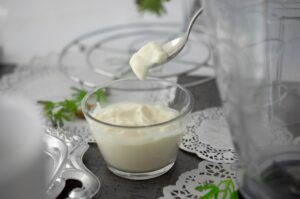
Starters: the culture that sets the tone
A starter is simply the source of the live bacteria. It might come from a spoonful of plain yogurt, a packet of freeze-dried culture, or a carefully maintained heirloom culture. The choice matters because it affects how reliably the dairy thickens, how tangy it tastes, and whether the same result can be repeated next time.
Plain store-bought yogurt is the easiest entry point, as long as the label says live and active cultures and the yogurt is unflavored. It works well for many home batches, though results can vary by brand, freshness, and added stabilizers.
Powdered cultures are more controlled. They are often chosen when consistency matters, especially for yogurt, sour cream, crème fraîche, or cultured butter. They also avoid the guesswork of whether a grocery-store yogurt is still lively enough.
Two common powdered styles are worth separating:
- Direct-set starters are used for one batch, though some people stretch them for a few rounds. They are convenient and predictable.
- Heirloom starters are meant to be carried forward by saving a bit from each batch. They can develop a familiar house flavor, but they need regular feeding and clean handling.
For beginners, the practical question is not which starter is more “authentic.” It is whether the goal is easy first batches, repeatable flavor, or a culture that can be maintained over time.
Cultured Cream: Why Fat Changes Everything
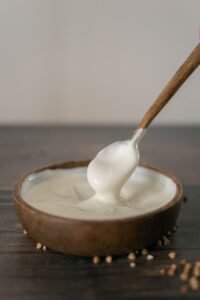
Milk cultures into something bright and spoonable; cream cultures into something rounder, silkier, and richer. The higher fat level softens acidity on the palate, so cultured cream often tastes less sharp than yogurt even when it has a clear tang.
Fat also changes texture. Milk proteins do much of the setting in yogurt, while cream thickens through a mix of gentle acidity, fat structure, and time. That is why cultured cream may look softly set rather than firm, and why stirring can turn it glossy instead of curd-like.
Sour cream and crème fraîche in the kitchen
Sour cream is usually tangier and lower in fat than crème fraîche. It works well as a cool finish for baked potatoes, tacos, soups, and dressings, but it can split if boiled or added too early to a hot pan.
Crème fraîche is typically richer, milder, and higher in fat. That extra fat gives it better heat tolerance, so it can often be stirred into warm sauces, pan juices, or soups with less risk of curdling. It still benefits from gentle heat rather than hard boiling.
They can sometimes stand in for each other, but the swap changes the dish:
- Use sour cream when a brighter tang and lighter finish are welcome.
- Use crème fraîche when a sauce needs body, gloss, or gentle simmering.
- Avoid expecting an exact match in baking, whipped toppings, or very acidic recipes, where fat level and thickness matter more.

Cultured Butter: Ferment First, Churn Later
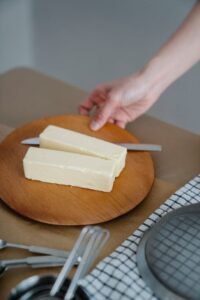
Cultured butter starts in the same neighborhood as cultured cream, but it has a different destination. Instead of stopping at a thick, spoonable cream, the cream is allowed to ferment first and is then churned until the butterfat separates from the buttermilk.
That extra fermentation gives the finished butter a deeper dairy flavor: lightly tangy, sometimes nutty, and often more aromatic than sweet-cream butter. The texture can feel slightly more complex too, especially when the butter is washed, salted, and rested after churning.
At a high level, the process is simple: culture cream, chill it, churn it, drain it, then work the butter. A full walkthrough belongs in a method-focused guide, such as this step-by-step cultured butter process, because timing, temperature, and washing all affect the final flavor and keeping quality.
-
Start with cream
Heavy cream gives enough fat for a satisfying yield and a rich finished butter.
-
Add a culture
A small amount of starter begins fermentation and shapes the tang.
-
Let it ripen
The cream rests until it smells pleasantly cultured rather than just sweet.
-
Chill, then churn
Cold cultured cream is churned until butter grains separate from the liquid buttermilk.
-
Drain and work
The butter is pressed, rinsed if desired, and salted to taste.
A sensible first cultured dairy project
For a first batch, yogurt is a useful teacher: it shows how warmth, time, and starter choice shape tang and thickness. Sour cream is a gentler cream-based project, often simpler because it rests at room temperature with a suitable culture. Cultured butter is more of a flavor experiment, turning fermented cream into something aromatic and spreadable after churning.
Whichever path comes first, cultured dairy works better as a small, controlled process than as guesswork. Clean tools, the right starter, steady conditions, and one product at a time make the learning curve much friendlier.

The “ferment first, churn later” explanation for cultured butter was the clearest part for me. I’d always pictured it as regular butter with cultures stirred in after, which now sounds… not right.
Would cultured butter actually make a noticeable difference in baking, or is it mostly something you appreciate on toast?
I appreciate the safety reminders at the end. A lot of homemade fermentation content online has big “just leave it on the counter and vibe” energy, which stresses me out.
One thing I still wonder: how do you know when tang is normal versus when something has gone off? Smell test seems subjective.
That’s a fair concern. Pleasant cultured dairy should smell tangy, clean, buttery, or yogurt-like depending on the product. Red flags are mold, pink/orange discoloration, yeasty/alcoholic smells, bitter or putrid odors, gas bubbles where they don’t belong, or a slimy texture.
The safer approach is to control time, temperature, clean equipment, and starter source so you’re not relying only on your nose. When in doubt, discard it.
I’ve tried making yogurt twice and both times it came out thin and kind of sad. The article mentions incubation effects, but I still don’t know if my issue is temp, time, or starter.
I used ultra-pasteurized milk because that’s what I had. Is that a problem? Also, Greek yogurt is just strained regular yogurt, right? My family keeps acting like it’s a totally different species.
Greek yogurt is basically strained yogurt, yep. Straining removes whey so it gets thicker and tastes a little more concentrated. Ultra-pasteurized milk can work, but in my experience it’s more finicky and sometimes sets softer.
Trevor’s right on the Greek yogurt point: it’s usually regular yogurt that’s been strained to remove whey. Skyr is similar in thickness but often uses a different culture tradition and sometimes a slightly different process.
For thin yogurt, the big suspects are incubation temperature, weak starter, or too short an incubation. Ultra-pasteurized milk can work, but some people get a softer set with it. If you try again, use a fresh plain yogurt starter, keep the incubation temperature steady, and let it go until it tastes tangy and holds a set before chilling.
Not gonna lie, I came in thinking cultured dairy was just a marketing phrase for “expensive yogurt.” The map separating starting dairy from finished texture was useful.
No question, just saying the terminology section made the rest less confusing.
This helped me finally understand why crème fraîche doesn’t instantly freak out in a hot sauce the way sour cream sometimes does. I always thought they were basically interchangeable except for the fancy name 😅
Is the heat tolerance mostly because of the fat percentage, or is it also a different bacteria/starter thing?
Mostly the fat percentage, with acidity playing a supporting role. Higher fat cream has less protein relative to the total mixture, so it’s less prone to curdling when heated. Crème fraîche is also usually less sharply acidic than sour cream, which helps it behave more gently in sauces.
Beginner question: when you say “controlled cultures,” does that just mean store-bought starter packets? Or could a spoonful of plain yogurt from the grocery store count too?
A spoonful of plain yogurt absolutely can count, as long as it contains live active cultures and isn’t full of stabilizers or flavorings. Starter packets are more standardized, so they’re usually more predictable. Grocery-store yogurt is convenient, but results can vary depending on the brand and how fresh it is.