
Fermented condiments can make an ordinary meal taste a little more alive.
A grocery shelf that once held ketchup, mustard, and hot sauce now has jars labeled kimchi mayo, fermented chili paste, shio koji, miso dressing, and vinegar that names the fruit, the farm, or even the barrel. It is easy to pause there: the words sound delicious, handmade, and slightly mysterious all at once.
That mix of curiosity and hesitation is normal. Fermentation has a craft-food glow, but it does not have to mean complicated cooking or an expensive jar that sits untouched. At its simplest, a fermented condiment is a flavor booster shaped by microbes, time, salt, sugar, or acidity. The result is often savory, tangy, funky, or gently sweet — the kind of small spoonful that can wake up eggs, rice, noodles, roasted vegetables, or a sandwich.
- Common first tries include miso, gochujang, fermented hot sauce, sauerkraut relish, and fish sauce.
- Some products are pasteurized for shelf stability, so “fermented” does not always mean live cultures.
Fermented Means Time Did Some of the Flavor Work
- Fermentation
A fermented condiment starts with ingredients that are given time to change through microbial activity, often with salt as a guide. That slow change can build tang, gentle acidity, savoriness, and layered flavor instead of simply adding sharpness at the end.
- Vinegar-forward condiments
Some condiments get their brightness mainly from vinegar, which brings a clean, immediate snap. They can be delicious, but the flavor often reads as more direct: sour first, then chile, fruit, herb, or spice.
- Fermented hot sauce
Hot sauce makes the difference easy to taste because chiles can be aged before blending. A fermented bottle may taste rounder, funkier, or fruitier, while a vinegar-heavy one may feel brighter and more piercing; this hot sauce comparison at the table is a practical place to notice the contrast.
- Complexity
In this context, complexity does not have to mean bold or challenging. It can be as simple as a miso-like depth in bean paste, a mellow tang in sauerkraut brine, or a chile sauce that tastes less flat than its short ingredient list suggests.
- Not just a trendy label
“Fermented” points to how the condiment was made, not just how it is marketed. The word is most useful when it explains why a sauce, paste, pickle, or relish tastes developed rather than merely seasoned.
What fermentation tastes like
Fermented condiments often taste brighter, but not always in the same way as vinegar or lemon juice. The acidity can feel more woven into the sauce, with a gentle tang that spreads through each bite instead of hitting sharply at the front.
Another common change is savory depth. Miso, fish sauce, soy sauce, fermented chile paste, and some pickles can add a round, brothy quality that makes simple foods taste more complete. A spoonful stirred into soup, beans, rice bowls, or dressing can make the other ingredients seem a little more awake.
Beginners may also notice a little funk. That can mean aromas that are earthy, cheesy, yeasty, fruity, or pleasantly briny. Mild funk is part of the charm for many fermented foods, though it varies widely by ingredient and age.
Texture can shift too. Some sauces become thicker and more spoonable; others separate, with liquid rising above solids. Separation is often normal in less-processed condiments and usually just needs a stir or shake. Sharp raw flavors, especially in garlic, onion, mustard, and chile, may also soften with time.
Store fermented condiments according to the label, especially after opening. When in doubt, refrigeration helps slow flavor changes. Discard anything with obvious mold, gas pressure that seems unusual for the product, or a smell that feels rotten rather than tangy, briny, or savory.
Easy first tastes to try
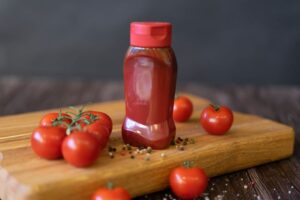
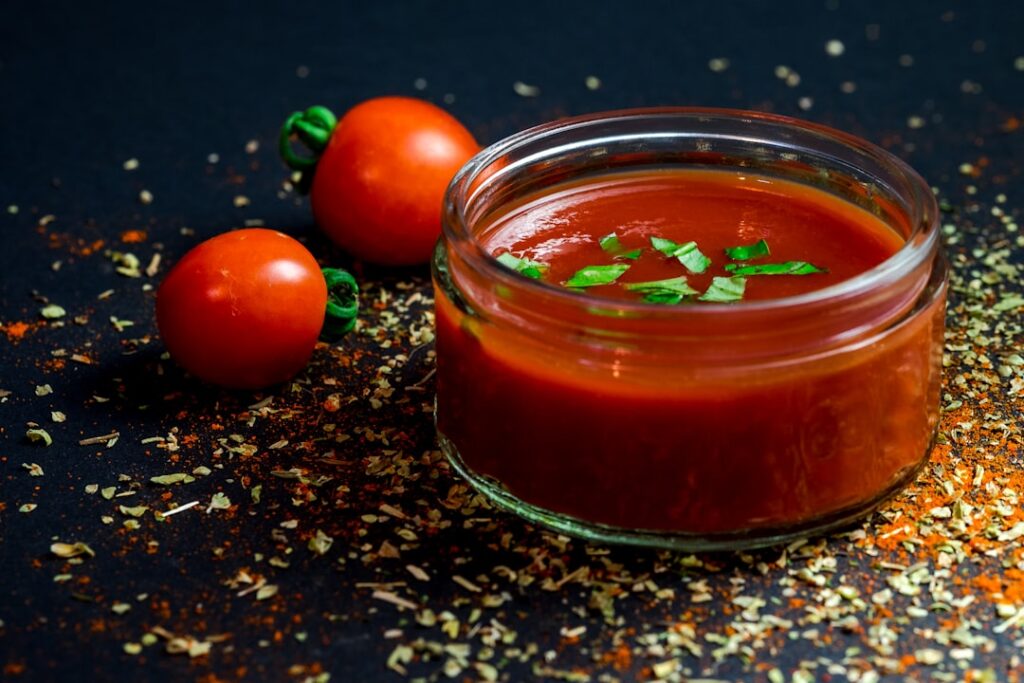
The easiest entry point is usually a condiment that already has a place at the table. If hot sauce goes on eggs, start there. If mustard belongs on sandwiches, try a fermented mustard. If ketchup is the familiar bottle, a fermented version can show how tang and savoriness change a sweet tomato sauce.
A small jar or bottle is enough. There is no need to commit to a full pantry reset; one condiment can teach a lot about how fermentation changes sharpness, sweetness, heat, and aroma.
A simple tasting flight
Try one or two familiar foods, then taste each condiment in a tiny amount on its own and with food:
- Fermented hot sauce: often rounder and fruitier than a straight vinegar sauce, with heat that may feel more blended into the pepper flavor.
- Fermented mustard: can taste tangy, earthy, and slightly mellow, especially compared with very sharp yellow mustard.
- Fermented ketchup: usually keeps the tomato-sweet comfort but may add a deeper, brighter tang.
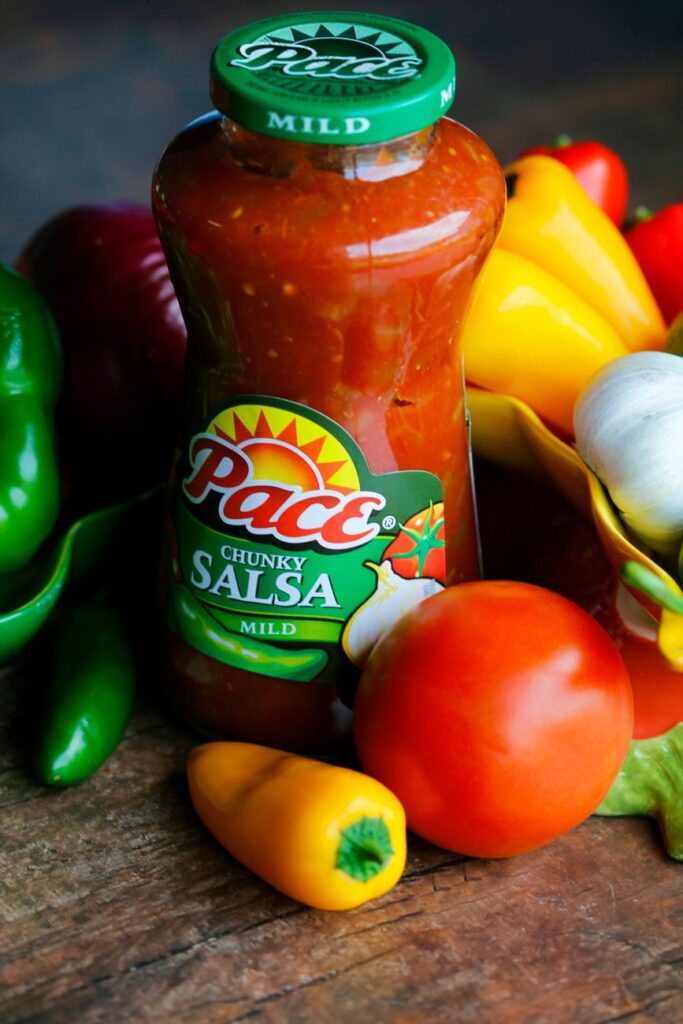
- Fermented salsa or chili paste: brings fresh vegetable flavor with a little lactic zip and sometimes a gentle fizz if unpasteurized.
Plain foods make differences easier to notice. A boiled egg, roasted potato, rice bowl, grilled cheese, or simple taco gives the condiment room to speak without too many competing flavors.
The goal is not to find a winner. It is to notice which style feels useful: brighter, funkier, fruitier, milder, hotter, or more savory than expected.

Start with the flavor already on the table
-
For heat lovers
A fermented hot sauce is often the most obvious first step, especially for anyone who already reaches for chili flakes or bottled sauce. Pepper choice changes the experience as much as heat level, so a quick look at peppers with fruity, smoky, or grassy flavor can make the bottle feel less random.
Look forA sauce with a familiar heat level and one clear flavor note, such as garlic, habanero, or chipotle.AvoidExtreme-heat bottles that hide the fermented flavor behind burn alone. -
For sweet-tangy chili sauce fans
Some fermented condiments sit close to ketchup, chili-garlic sauce, or sweet hot sauce: bright, rounded, and easy to spoon onto eggs, noodles, sandwiches, or rice bowls. A tangier chili-garlic sriracha style can be a gentle bridge from supermarket staples.
Look forA balanced mix of chili, garlic, sweetness, and acidity.AvoidVery funky or extra-sour sauces if the goal is a familiar first taste. -
For sharp, savory condiment people
Fans of mustard, steak sauce, miso, Worcestershire-style flavors, or soy-heavy marinades may enjoy fermented condiments with deeper savoriness rather than obvious sweetness. These often work best in small amounts, where a spoonful can sharpen a dressing or glaze.
Look forMustards, bean pastes, fish-free umami sauces, or aged chili pastes with a salty-sour backbone.AvoidLarge jars with intense funk before sampling a smaller size. -
For fresh crunch or cooking depth
Anyone drawn to salsa, relish, pickles, or chutney may prefer something chunky and spoonable. For cooking, smoother fermented sauces blend more easily into soups, braises, beans, stir-fries, and pan sauces without taking over the dish.
Look forChunky ferments for topping; smooth sauces for stirring into hot food.AvoidUsing delicate fresh-tasting ferments in long cooking, where their brightness can fade.
What Making One Usually Looks Like
-
Start with a focused base
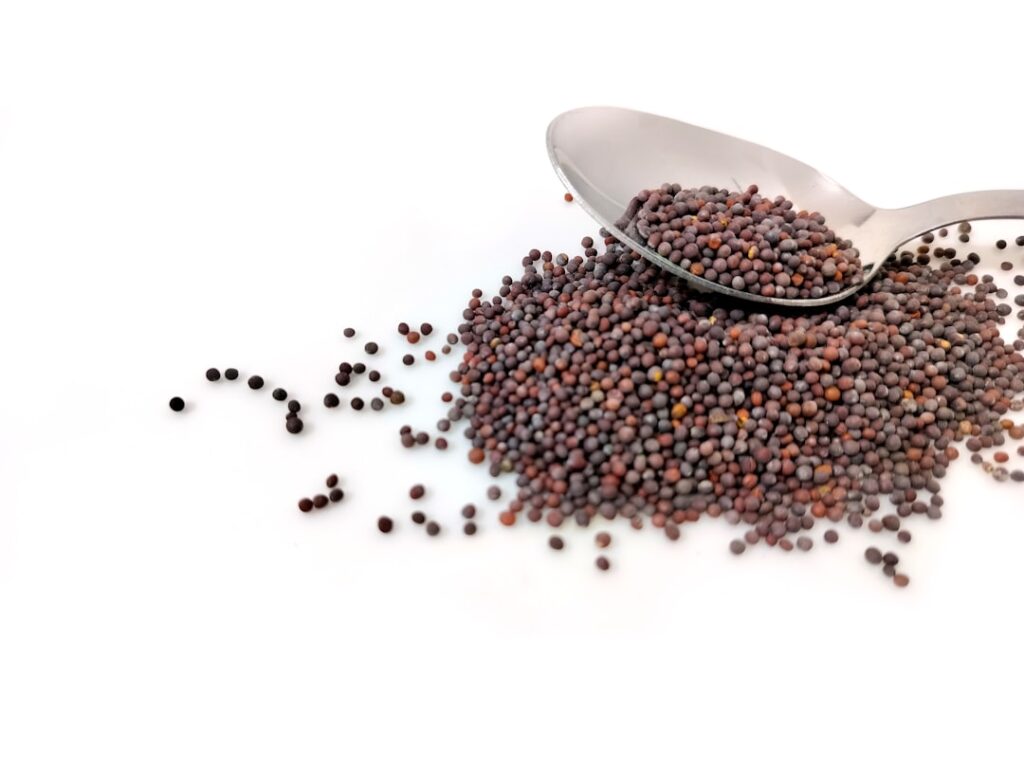
Most homemade fermented condiments begin with vegetables, fruit, seeds, or paste: peppers for hot sauce, mustard seeds for mustard, tomatoes for ketchup, or chopped vegetables for salsa.
-
Add salt with care
Salt helps shape the environment for fermentation and keeps flavors from tasting flat. Some projects use a brine; others mix salt directly into a mash or chopped mixture.
-
Let it ferment until it tastes lively
The mixture rests at room temperature while bubbles, aroma, and tang develop. Timing varies: pepper mash may take longer, while salsa can move quickly and soften if left too long.
-
Blend, strain, or leave chunky
Hot sauce is often blended smooth, mustard may be partially crushed, ketchup becomes sauce-like, and salsa usually stays textured. This is where each condiment starts acting like itself.
-
Season and chill
After fermentation, acid, sweetness, spices, or extra salt can round out the flavor. Refrigeration slows the ferment and helps keep the finished condiment more stable in everyday use.
Home fermentation benefits from clean jars, enough headspace, and attention to off smells, mold, or unusual colors.
Why hot sauce is often the first project
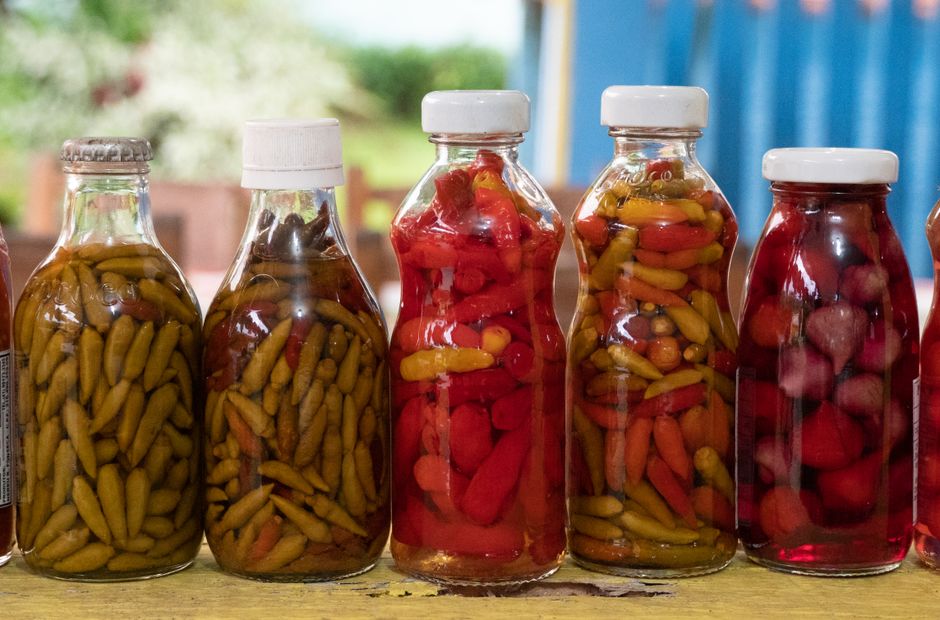
Hot sauce is a common doorway into fermented condiments because the ingredients are expressive from day one. Peppers bring color, heat, fruitiness, and aroma before fermentation even starts, then the ferment adds tang and a rounder finish. A small bottle also disappears naturally: a few drops on eggs, tacos, beans, noodles, or roasted vegetables can make the batch feel useful right away.
Peppers also tend to ferment readily when they are kept under brine or packed as a salted mash. The visible bubbling, softened texture, and changing aroma make the process easier to understand than subtler projects.
The first choices that shape the sauce
A beginner batch usually comes down to a few practical decisions:
- Pepper style: jalapeños for green and grassy, Fresno or red jalapeños for bright and fruity, habaneros for floral heat.
- Ferment length: shorter ferments taste fresher; longer ones usually taste tangier and deeper.
- Texture: strain for a thin table sauce, or blend everything for a thicker mash-style sauce.
- Finish: vinegar sharpens, fruit softens heat, garlic adds savory depth.
If the sauce turns out too thin, blending in some reserved mash or cooked carrot can add body. If it separates, a shake may be enough; xanthan gum is a common option for a smoother bottled texture. If the heat is too intense, dilution with mild peppers, fruit, or a little sweetness can make it friendlier.
Easy ways to serve a first spoonful
A fermented condiment is easiest to understand when it sits next to a familiar one. A spoonful of regular ketchup beside fermented ketchup, or bottled hot sauce beside a fermented version, makes the difference obvious: usually a rounder tang, a little depth, and sometimes a softer bite.
Start with small amounts, especially with hot sauce, mustard, or a lively salsa. Fermented flavors can spread through a dish quickly, and a half teaspoon may be enough to notice what changed.
Simple pairings to try
- Fermented ketchup: dab onto fries, roasted potatoes, meatloaf, veggie burgers, or grilled cheese. Its deeper tang can make rich, salty foods taste a bit brighter.
- Fermented mustard: swipe thinly on a ham sandwich, pretzel, sausage, egg salad, or roasted carrots. It often tastes less flat than standard yellow mustard, but can still be sharp.
- Fermented hot sauce: add a few drops to tacos, eggs, noodles, beans, pizza, or soup. Stirring it into mayo or yogurt makes the heat gentler.
- Fermented salsa: spoon over chips, rice bowls, scrambled eggs, grilled fish, or black beans. If it tastes extra tangy, pairing it with avocado or sour cream can soften the edges.
For a low-pressure tasting, place both versions on the same plate and try them with something plain: a potato chip, cracker, cucumber slice, or spoonful of rice.
Open one jar at a time if fermented flavors are new. Tasting slowly helps the bright, savory, funky, or sour notes feel interesting rather than overwhelming.
A Simple Way to Choose the First Jar
For a first fermented condiment, the easiest choice is usually the one that matches an existing habit. Heat lovers can start with a fermented hot sauce. Those who like mellow sweetness may enjoy fermented ketchup or a fruit-leaning chili sauce. Anyone who reaches for sharp, savory flavors might begin with mustard, salsa, or a miso-style chili paste.
Keep the experiment small: buy one jar, or make one simple batch if the process sounds fun. Then taste it next to the regular version already in the fridge, on something plain like eggs, rice, potatoes, or crackers. The difference becomes clearer that way: not just “sourer” or “funkier,” but rounder, brighter, deeper, or sometimes simply not the preferred fit. That comparison is the real first lesson.

This was helpful, especially the part about fermentation being more than just “vinegar but fancy.” I always assumed fermented hot sauce was just hotter or more sour.
Beginner question: if a label says “live” but it’s shelf-stable, is that basically marketing? Or can something be live and not refrigerated?
Great question. In most cases, truly live fermented condiments are refrigerated because the microbes are still active, even if slowly. Shelf-stable versions are usually pasteurized or preserved with enough acid/salt to stop activity.
That doesn’t mean they’re bad! They can still taste fermented because the flavor developed before pasteurization. But if you specifically want live cultures, the refrigerated section is usually the safer bet.
The “gentle funk” description is where you lost me a little. I want umami, not gym socks.
Is there a good first option for someone who’s pretty sensitive to funky flavors? I can handle sauerkraut in tiny amounts but kimchi is hit or miss depending on the brand.
Totally fair — “funk” can sound alarming. For a low-funk starting point, I’d try a fermented mustard or a mild fermented hot sauce before fermented salsa or chili paste. Mustard already has tang and sharpness, so the fermented notes tend to feel rounded rather than weird.
Also look for words like “mild,” “garlic,” or “honey” on labels rather than “extra aged” or “wild.” Those usually feel more approachable.
I like the idea of comparing a fermented condiment next to the regular fridge version. Seems obvious now but I never thought to do it.
Fermented ketchup still sounds suspicious though 😂 Is it actually sweet like normal ketchup, or more like tomato hot sauce?
The section about choosing based on what’s already on the table was the most practical part for me. I’m not going to suddenly become a fermented condiment guy overnight, but I do put hot sauce on eggs basically every morning.
Guess that’s my gateway jar.
That’s exactly the idea. If hot sauce is already part of your routine, a fermented version has a much better chance of feeling useful instead of like a science project taking up fridge space. Eggs are also a great testing food because they’re plain enough to notice the difference.
I’ve made quick pickled onions before, so I thought I understood this stuff, but your time/salt/microbes explanation made the difference click.
Still a little nervous about home fermenting. If I start with peppers for hot sauce, how do I know when it’s “done”? Is it just taste, or are there actual signs I should watch for?
For a first pepper ferment, taste is a big part of it, but there are a few signs. You’ll often see bubbles early on, the peppers may dull in color a bit, and the smell should become tangy and savory rather than raw or grassy. It should never smell rotten, moldy, or putrid.
Many small hot sauce ferments are ready somewhere around 5–14 days, depending on salt, temperature, and pepper type. Once it tastes pleasantly tangy to you, blend it, adjust salt/acid if needed, and refrigerate.
Seconding peppers as an easy starter. My first batch looked kinda ugly by day 7 but tasted great once blended. Just don’t ignore weird fuzzy mold — that’s not “character,” lol.
I appreciate that you mentioned texture separation. I bought a fermented chili paste once and thought it had gone bad because the liquid rose to the top.
Would love maybe a photo guide in a future post? Like normal separation vs “throw this away immediately.”