The first hurdle is often the label, not the fizz.
You search for a soda starter and suddenly your cart has garden ginger, dried cultures, and forum advice all using almost the same words. I’ve hit that same wall, and the confusion is completely normal.
A ginger bug usually means a homemade wild starter fed with ginger, sugar, and water. A ginger beer plant is a different thing, even though recipes and listings often blur the names together. Some sellers use it for kefir-like cultures; others mean literal ginger plants for growing. Reading the label before buying can help you avoid a very common wrong turn.
- “Live ginger root plants” usually means gardening stock, not a ready fermentation starter.
- “Kefir soda starter” often aligns more closely with modern “ginger beer plant” listings than with a homemade ginger bug.
If I want the more ready-made soda route, I’d lean toward the kefir-style starter.


|
Closer culture match
Kefir Soda Starter Culture 4-Pack Probiotic
|
VS |
Fresh ginger source
4-Pack Live Ginger Root Plants for Growing
|
|---|---|---|
|
Drink starter
|
What it is |
Fresh ginger only
|
|
Lower fuss
|
Setup feel |
More DIY
|
|
More repeatable
|
Batch consistency |
More variable
|
|
Ready to mix
|
Ready-made feel |
Needs growing
|
|
Yes
|
Can start right away |
No
|
| Check | Check |
What each one actually is
It’s a living ferment culture, not a botanical plant.
The name is old and a little confusing. In use, it acts more like a reusable starter than a piece of garden ginger root.
Both can carbonate soda, but they begin from different biology.
A ginger bug is a wild starter I make from ginger, sugar, and water. A ginger beer plant is an established live culture with its own community of microbes already working together.
A ginger bug can also make naturally fizzy soda.
The bottles may end up similarly bubbly, but the route is different: one starter develops from fresh ingredients, while the other starts as a maintained culture.
If I had to reduce it to one line: a ginger bug is something I build, while a ginger beer plant is something I keep alive. That distinction makes product listings much easier to read.
Which one feels easier in real life?
-
Getting started
A ginger bug is easier to begin if I want to use grocery-store ingredients the same day. A ginger beer plant can feel simpler later, but only after I track down a live culture.
Look forChoose the bug for pantry convenience; choose the plant if sourcing a starter doesn’t bother me.AvoidTreating “easy” as universal when shopping friction is different. -
Daily upkeep
In my experience, a bug asks for more early attention: feeding, watching, and a little patience. A healthy plant often settles into a steadier rhythm once it is active.
Look forPick the bug if I don’t mind daily tending; pick the plant if I value a more predictable culture.AvoidAssuming lower effort during the first few days of a new bug. -
Restart cost
If a bug goes flat, I can usually rebuild cheaply from fresh ginger and sugar. Losing a plant tends to sting more because replacement can mean extra cost and waiting.
Look forBug if I want cheap do-overs.AvoidIgnoring the hassle of replacing a lost culture. -
Technique tolerance
A bug can work with basic tools, but sloppy feeding often shows up fast. A plant still likes decent care, yet batch-to-batch results may feel more consistent.
Look forPlant if I want a little more predictability once established.AvoidExpecting either one to thrive on neglect.
How they taste and pour
Either route can give me real fermented soda, but they do not drink quite the same. To me, the difference shows up in the first sip. Ginger bug soda usually tastes brighter and a little more rustic, with fresh ginger heat up front. A ginger beer plant or kefir-style culture often lands softer and rounder, with a smoother fermentation note.
Texture can shift too. Bug batches can be lively and sharp, sometimes with a drier finish if I let them run longer. Plant-based batches often feel slightly fuller and more even, with bubbles that seem finer and more predictable.
Consistency is where the gap tends to show. A bug can swing with the ginger, sugar, and room temperature, so one batch may be snappier than the next. The Kefir Soda Starter Culture 4-Pack Probiotic type of starter often behaves more steadily once active, which can make repeatable soda a bit easier.
Home-fermented soda is usually low in alcohol, but it is not fixed at one level. More sugar, warmer temperatures, and longer fermentation can all nudge it upward, even when the drink still tastes like soda.
Live ginger for the garden, not a soda starter
Grow fresh, spicy ginger at home
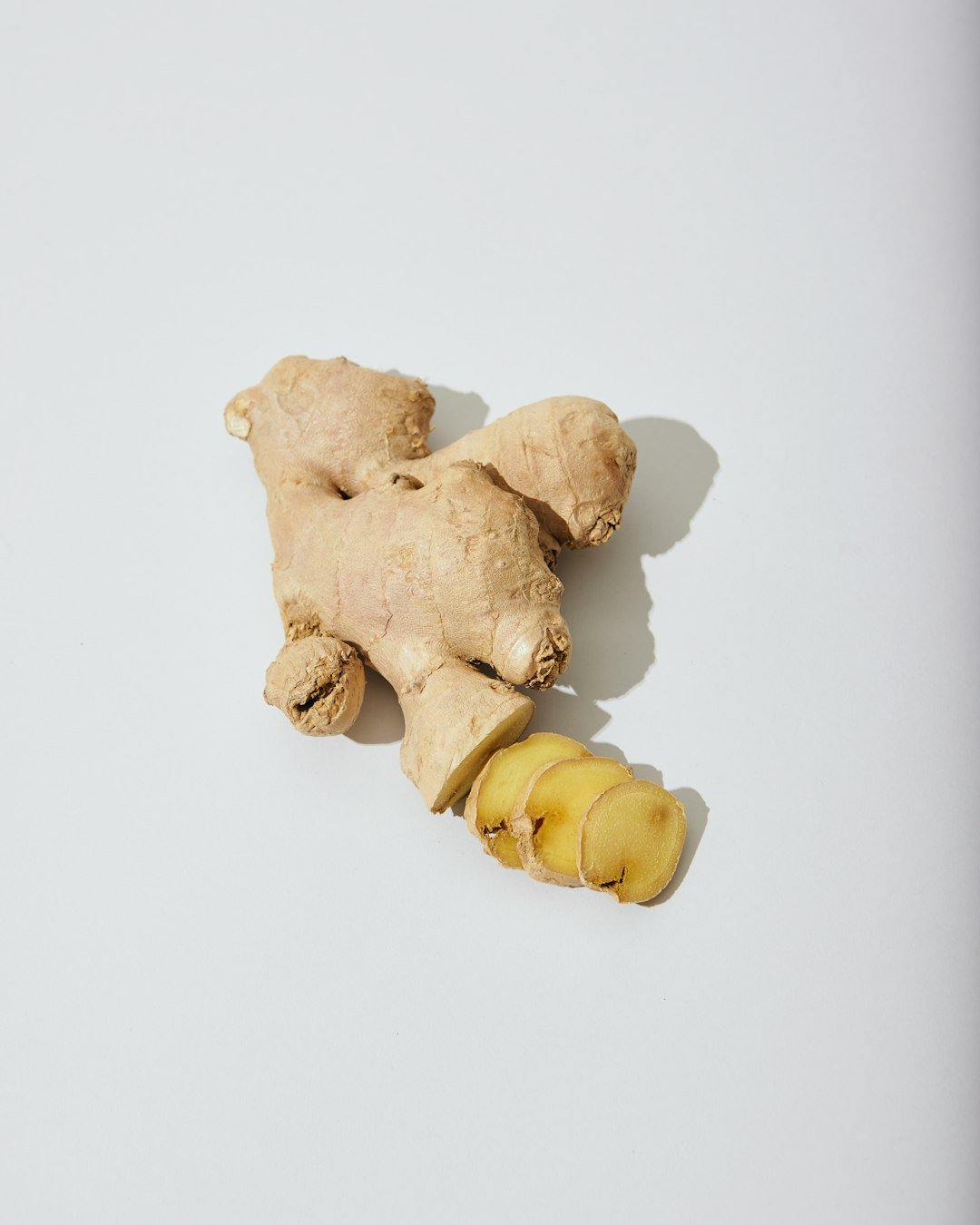
I’d treat this 4-pack of live ginger root plants as a grow-your-own ingredient supply, not as a shortcut to fermented soda. If you want pots of fresh ginger for cooking, tea, or feeding a homemade ginger bug, this makes sense. If what you really need is an active beverage culture, this is the wrong category.
- Gives you a renewable source of fresh ginger
- Useful for bug feedings and everyday cooking
- Container-friendly idea for small-space growers
- Does not replace a ginger bug or ginger beer plant
- Needs growing time before it becomes truly convenient
- Live plant quality can vary more than dried grocery ginger
If I wanted an ongoing supply of fresh ginger, I’d call this a sensible pick. As a soda shortcut, though, it misses the point: you still need to build or buy the actual fermenting culture. Best viewed as a helpful ingredient source with gardening upside.
Closest buyable culture for soda
Makes fizzy probiotic homemade soda quickly
Kefir Soda Starter Culture 4-Pack is the nearest ready-to-order option I’d consider if you like the culture route more than the wild-starter route. In use, it behaves more like a guided, soda-focused ferment than a classic ginger bug, and functionally it lands closer to the old ginger beer plant idea — though it isn’t the same historical culture.
If you’re mostly looking for a place to buy a ginger beer plant, this is the kind of substitute that makes more sense than buying fresh ginger and hoping for the same result. I’d look at it if you want a clearer starting point, reusable follow-on batches, and a bit less guesswork on fizz.
- Lower startup guesswork
- Reusable between batches
- Usually steady fizz
- Easy soda framing
- Not true GBP
- Less DIY feel
- Packet supply model
- Flavor still varies
My take: this is probably the closest buyable match for readers who want the ginger-beer-plant style of experience without hunting down an actual culture. It won’t give you a one-to-one historical GBP setup, but it can deliver the same broader appeal: a reusable starter, soda-friendly fermentation, and more predictable results than a fresh ginger bug often gives early on.
What I’d choose
That’s my simple split: I’d lean ginger bug if I want a low-cost, pantry-start project and don’t mind a little variation. I’d lean a purchased culture if I want a more guided first batch with a steadier feel.
If you want momentum now, start your bug this week; if not, price out the culture route first and compare availability.

Maybe I’m the odd one out, but I think bugs get oversold as “easy.” Cheap to start, yes. Easy in real life? ehhh.
Mine kept going through moody phases depending on the ginger and room temp, and I never felt like I had the same result twice. So when you say the plant/culture route feels steadier after sourcing, that tracks.
If somebody is asking strictly “which product is better for reliable soda,” I don’t think the 4-pack live ginger plants should even be in the same decision lane as the kefir soda starter.
Appreciated the scenario split at the end. Too many articles try to crown one winner when it’s really DIY pantry route vs purchased culture route.
For me the deciding factor is replacement. A bug is annoying sometimes, but at least I can rebuild it from scratch with stuff I already have. Losing a sourced culture feels more painful.
The “closer in function, not identical historically” distinction was useful. That gets lost so fast online.
I’m leaning bug because I actually enjoy the trial-and-error part, but I can totally see why the kefir-style culture would be the better recommendation for most normal humans lol.
Okay but this is exactly where I’m stuck. I want homemade ginger soda, but I do NOT want a whole fermentation side quest.
The pantry-staples idea sounds nice until I remember I’m also the person who forgets starters on the counter for 2 days too long. So for a beginner who mostly wants consistency, is the Kefir Soda Starter Culture 4-Pack Probiotic basically the better buy?
Not asking for historical purity lol, just the least fussy path.
For that use case, yes — I’d point you toward the kefir-style soda starter first.
It’s closer to the “open this and get going” path, whereas a ginger bug asks more of you upfront and can be a little more variable. It’s not historically identical to traditional ginger beer plant, but functionally it’s the nearer buyable option for a steadier, lower-friction soda setup.
I’ve done both and your taste description matched my experience weirdly well. My bug batches were brighter and kinda punchier, but one bottle would be super lively and the next one just… meh.
The culture I got later made a rounder soda and the bubbles were finer, less aggressive. Not magic, but definitely more repeatable.
For someone who just wants decent homemade soda without babysitting every step, I’d pick the starter culture. For tinkering and feeling like a fermentation goblin in the kitchen, bug all day 😅