
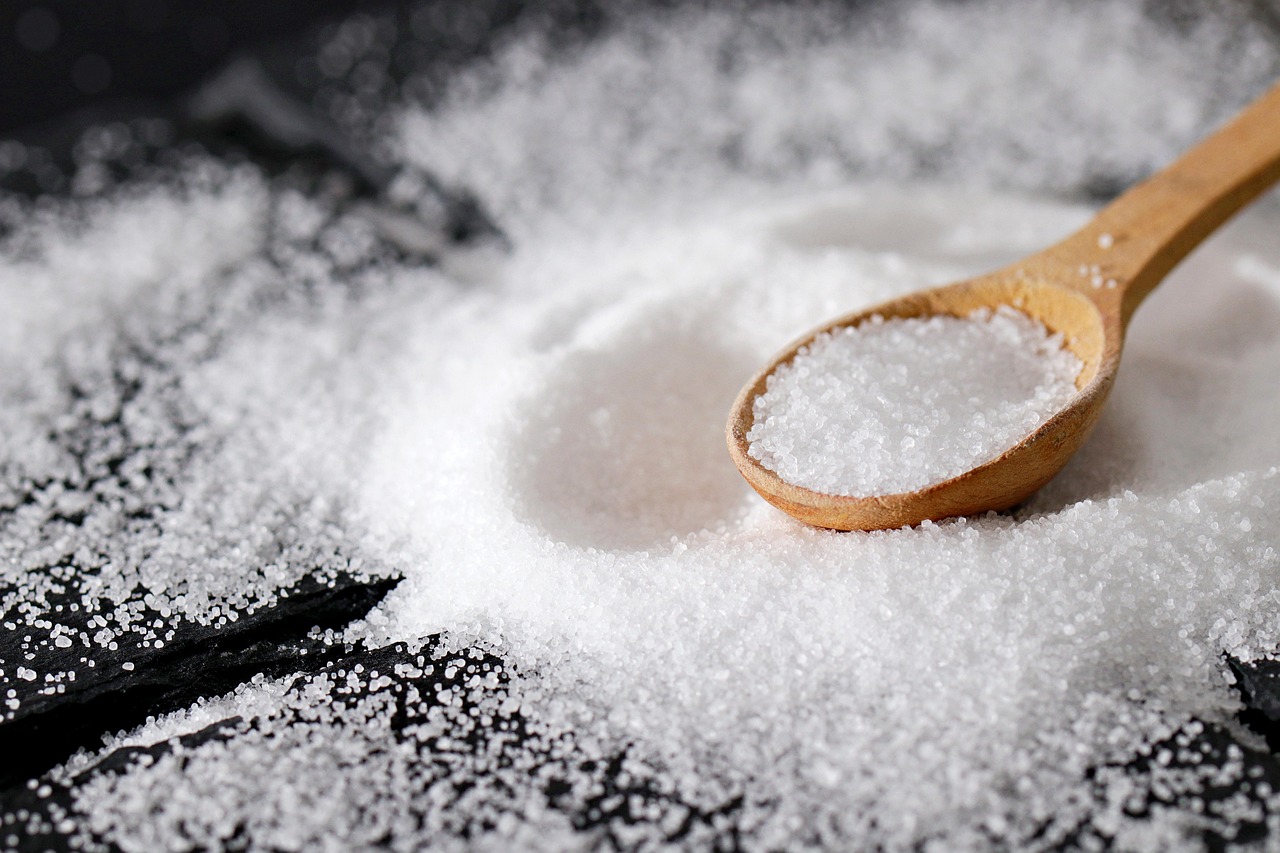
Plain, measurable salt keeps vegetable ferments calm and predictable.
The cabbage is shredded, carrots are trimmed, and the salt shelf turns simple prep into guesswork: kosher flakes, fine sea salt, pink crystals, “iodized,” “anti-caking.” Fermentation is sturdier than it looks. A calm default is plain salt with no added iodine or anti-caking agents, weighed in grams so grain size does not skew the brine. Fine dissolves fast; coarse can work by weight.


Salt shapes the brine, not just the flavor
In vegetable ferments, salt works more like a control knob than a seasoning sprinkle. It pulls moisture from cabbage, cucumbers, carrots, and other vegetables, creating the brine that keeps the food submerged and limits excess air exposure. For dry-salted ferments like sauerkraut, that water draw is the whole beginning of the process.
Salt also affects texture. Too little can leave vegetables soft or unevenly fermented; too much can slow fermentation and make the finished jar harshly salty. Many small-batch recipes land around 2% salt by vegetable weight, though the right range depends on the vegetable, cut size, and style of ferment.
A good salt choice supports conditions where lactic acid bacteria can gradually acidify the brine. Still, salt is only one part of the setup. Clean jars and tools, accurate weighing, fresh vegetables, steady room temperature, and keeping solids under brine all matter too. For a broader overview, it can help to compare salt choice with basic home vegetable fermentation practices.
The most useful salt is usually simple: additive-free, easy to measure, and consistent from batch to batch. Fancy origin matters less than predictable grain size and a clean ingredient label.
Additive words worth noticing
Iodized salt
Salt with added iodine, often listed as potassium iodide or iodate. It is safe for normal cooking, but many fermenters skip it because it can bring a sharper taste or a slightly cloudy brine.
Anti-caking agent
An ingredient added to keep salt from clumping in humid storage. Common examples include calcium silicate, sodium aluminosilicate, or magnesium carbonate; they may settle in brine or make results feel less predictable.
Free-flowing salt
A label phrase that usually means the salt has been treated or blended so it pours easily. It is not automatically a problem, but it is a cue to read the ingredient line closely.
Flowing agent
Another name for ingredients that improve pourability. For vegetable ferments, simpler salts are often easier to measure and understand.
Ingredients line
The most useful part of the package. A plain “salt” or “sea salt” listing usually signals fewer variables than a long list of additives.
Label checking does not need to turn into salt anxiety. Additives are common in table salt because they make it convenient for everyday use.
For fermenting vegetables, many hobby fermenters simply prefer salt with a short ingredient list because it keeps the brine easier to judge:
clearer liquid fewer unexpected sediments cleaner salt flavor more consistent measuring from batch to batchIf a salt has worked well in several batches, that practical experience matters too. The label is a guide, not a reason to discard every salt already in the pantry.
A practical salt checklist
-
Clear, simple labeling
A short ingredient line makes fermentation less mysterious. Plain salt, with no anti-caking agents or iodine listed, is the easiest starting point for predictable brines.
Look for“Salt” or “sea salt” as the only ingredientAvoidIodized salt or anti-caking additives on the label -
A grain size that is easy to measure
Fine or medium crystals usually dissolve evenly and fit measuring spoons more consistently. Very coarse flakes can work, but they are less convenient unless weighed.
Look forFine crystals measured by weightAvoidLarge flakes measured only by spoon -
Reasonable price and easy restocking
Fermentation uses more salt than table seasoning, especially for brines. A widely available bag or box can be more practical than a specialty jar.
Look forAffordable bulk packaging from a reliable sourceAvoidTiny premium containers used for everyday batches -
Neutral flavor and quick dissolving
Salt should support the vegetables rather than dominate them. Clean-tasting salts that dissolve without gritty sediment are easier to use across sauerkraut, pickles, and mixed ferments.
Look forMild flavor and smooth brine formationAvoidStrong mineral notes or stubborn undissolved crystals
Crystal shape changes everything: a tablespoon of fine salt can contain much more salt than a tablespoon of flaky salt. For repeatable batches, many fermenters use a kitchen scale and calculate salt as a percentage of vegetable or water weight.
Common starting range: about 2% salt by weight for many vegetable ferments, adjusted by recipe, produce, and taste.
A practical fine sea salt option
La Baleine’s fine-crystal sea salt is a familiar grocery-style choice: small grains, a pourable canister, and a clean, restrained flavor that does not compete much with cabbage, cucumbers, carrots, or peppers.
For fermenting, the important step is still the label check. Confirm the ingredient list shows salt only, with no anti-caking agents, before using it in brine or dry-salted vegetables.
Fine sea salt is the easiest first choice
For most vegetable ferments, fine additive-free sea salt is a comfortable place to start. The small crystals dissolve quickly in water, mix evenly through shredded cabbage, and make it easier to avoid gritty pockets of undissolved salt. That matters when a recipe depends on a steady brine rather than salty clumps in one corner of the jar.
Its flavor is another advantage. Fine sea salt usually tastes clean and mild, so the vegetables, garlic, dill, chile, or spices stay in the foreground. It is less distinctive than many mineral-heavy salts, which can be helpful when learning what a ferment is supposed to taste like.
“Sea salt” on the front of a package is not enough, though. Some sea salts still include flow agents to keep crystals from clumping. A quick ingredient check can help prevent surprises:
- Look for salt or sea salt as the only ingredient.
- Avoid labels listing anti-caking agents such as yellow prussiate of soda, sodium aluminosilicate, or calcium silicate.
- Choose fine crystals for brines and everyday batches; save coarse salt for recipes measured carefully by weight.
Broad availability is part of the appeal. A plain fine sea salt from a supermarket can work as well as a specialty jar when the grain size is practical and the ingredient list stays simple.
Practical bulk salt for repeat batches
Morton’s canning and pickling salt is a plain, fine-grained option made for brines, so it dissolves quickly and keeps vegetable ferments easy to measure by weight. The multi-pack format can be economical for households making kraut, pickles, or pepper mashes often.
Its main drawback is texture: without anti-caking agents, it can clump in humid storage, and it is not especially pleasant as a table or finishing salt.
Plain pickling salt for steady fermenting
For frequent vegetable fermenting, canning or pickling salt is often the sensible pantry workhorse. It is usually fine, plain sodium chloride, which means it disappears into water or cabbage juice quickly and does not bring much flavor of its own. That makes it useful for repeat recipes where consistency matters more than mineral character.
The appeal is practical rather than fancy:
- Fast dissolving in measured brines and wet vegetable mixes
- Neutral taste that stays out of the way of garlic, dill, chile, or cabbage
- Lower cost per batch when bought in larger containers or multipacks
- Simple labeling that is often easier to check for additives
The tradeoff is storage and everyday use. Because pickling salt typically avoids anti-caking agents, it may harden or clump if kept near steam or humidity. An airtight jar and a dry spoon can help.
It also lacks the crunch and sparkle of flaky finishing salts. For fermenting jars, that does not matter much; for sprinkling over sliced tomatoes, another salt may be more enjoyable.
Useful if a pink mineral salt is preferred
This 5 lb jar offers fine-grain pink Himalayan salt, which is more convenient for brines than coarse crystals. For vegetable ferments, its main appeal is being marketed as unrefined and additive-free; the mineral color is optional rather than necessary.
Because mineral salts can vary slightly in flavor and density, it is worth measuring by weight, not spoonfuls.
Mineral salts are fine, not essential
Himalayan pink salt and unrefined sea salt can make good fermented vegetables when they are free of iodine, anti-caking agents, and other additives. They are still mostly sodium chloride, so the cabbage or cucumbers do not need trace minerals to ferment successfully.
The practical difference is usually texture, price, and flavor. Some mineral salts dissolve more slowly, especially if the grains are uneven. A few can leave tiny dark specks or a faint grit at the bottom of a jar, which is usually more noticeable in clear brines than in shredded kraut.
For consistent salinity, mineral salts are best weighed in grams. A tablespoon of fine pink salt may not equal a tablespoon of flaky sea salt, and that small difference matters more than the salt’s origin.
A simple way to use them:
- Choose fine grain when possible.
- Check the ingredient list for salt only.
- Dissolve first for clear brines, then add vegetables.
- Expect a slightly different taste from brand to brand.
For many home fermenters, plain sea salt or pickling salt is simpler and often less expensive. Mineral salt is a preference, not a requirement.
Pantry salts are not always off-limits
Match the salt to the ferment
The same additive-free, weight-based salt rules still apply, but the shape of the ferment changes what feels easiest in the jar.
For dry-salted cabbage, such as sauerkraut, fine crystals are especially convenient. Salt needs to scatter evenly through shredded leaves before massage and packing, so a fine sea salt or plain pickling salt can reduce salty pockets. Coarse salt can work if weighed carefully, but it may take longer to pull liquid from the cabbage.
For whole or sliced pickles, the salt usually goes into water first. Here, the main goal is a fully dissolved brine before it touches the cucumbers. Fine salt speeds that up, while larger crystals are less troublesome if stirred until the water looks clear and no grit remains at the bottom.
For fermented carrots, flavor stands out because the vegetable is naturally sweet and mild. A clean, neutral salt can keep the result bright instead of minerally or bitter. Additive-free sea salt or pickling salt is often a simple fit, especially when the brine percentage is measured by weight.
At the shelf: the simplest salt choice
-
Start with fine sea salt or pickling salt
Either one is usually easy to dissolve and simple to measure by weight. The style matters less than a clean label.
-
Look for “non-iodized”
This is the quick front-label cue for vegetable ferments. If the package does not say it clearly, turn it over before buying.
-
Read the ingredient list
The neatest choice lists one ingredient: salt. Skip blends with dextrose, iodine compounds, flowing agents, or extra minerals added for a specific purpose.
-
Avoid anti-caking agents
Words such as calcium silicate, yellow prussiate of soda, sodium aluminosilicate, or magnesium carbonate are reasons to choose another bag for fermenting.
-
Choose practical crystals
Fine grains dissolve quickly in brines and mix evenly through shredded cabbage. Very coarse crystals can still work, but they need more stirring or time.
If two labels look equally plain, the more affordable, easier-to-find option is usually the sensible pick.
Common salt doubts, answered
Does sea salt ferment vegetables better?
Not necessarily. Additive-free salt measured by weight matters more than the sea-salt label.
Is kosher salt safer than table salt?
Branding is less useful than the ingredient list. Some kosher salts include anti-caking agents, and crystal size makes spoon measures unreliable.
Do coarse crystals make a crunchier ferment?
Coarse salt does not automatically improve texture. It mainly dissolves more slowly, so brines benefit from stirring until fully clear.
Is pink or gray salt worth the extra cost?
It can work if it contains no additives and is weighed. The color does not guarantee better fermentation, and mineral flavors may show in mild vegetables.
What if the only salt available has additives?
A different plain salt is usually easier to manage. If options are limited, checking the label and avoiding iodine or anti-caking agents can reduce surprises.
For most vegetable ferments, fine additive-free sea salt is an easy starting point; plain pickling salt sits right beside it for anyone making brines often. Mineral salts can still be a pleasant choice when their flavor, color, or texture is wanted, as long as they are plain and measured by weight.
The useful rule is simple: choose salt with no extra ingredients, make it easy to dissolve and measure, then keep using the same kind so each batch is easier to repeat.

The additive wording section was useful but I’m still confused about iodine. Some sources act like iodized salt will completely kill fermentation, others say it’s fine.
If someone accidentally used iodized table salt for a batch of cabbage, should they toss it immediately or just watch for normal fermentation signs?
I appreciate the “mineral salts are fine, not essential” section. I bought pink Himalayan salt because every fermenting forum made it sound like my carrots would become immortal or something.
It worked, but I did notice a little grit at the bottom of the jar. Not harmful I guess, just annoying. I’ll probably switch to fine sea salt after this bag is gone.
Can pickling salt clumping actually mess up the salt percentage, or is it just annoying to scoop? I have a box that turned into one solid brick in my humid kitchen. Very glamorous.
This was helpful, especially the part about fine grain mattering more than fancy salt origin. Quick question: if the label says “sea salt” but also says “may contain calcium silicate,” is that an automatic no for sauerkraut?
I’m trying not to overthink this, but every bag at my grocery store seems to have some tiny fine print waiting to ruin my cabbage plans 😅
For sauerkraut, I’d pass on that one if you have an easy alternative. Calcium silicate is an anti-caking agent, and while it’s not a “danger” in the dramatic sense, it can make brine clarity and dissolving less predictable.
Look for a one-ingredient label if possible: just “salt” or “sea salt.” Fine, additive-free sea salt or plain pickling salt will make the whole process simpler.
I’ve been using kosher salt for quick pickles because it’s what I already have. The article says weighing matters more than pantry familiarity, which makes sense, but do I need to dissolve kosher salt first before pouring over cucumbers? Mine has big flakes and I’m never sure if it’s fully mixed.
I use kosher too sometimes. I dissolve it in a little warm water first, then cool it down or add cold water to hit the total amount. The big flakes can hide at the bottom if you just stir once and hope for the best.
Chris’s method is exactly what I’d suggest. Kosher salt can work well if it’s additive-free, but the flake size makes volume measures unreliable and dissolving less immediate.
Weigh the salt, dissolve it fully into the brine, then add it to the vegetables. That removes most of the uncertainty.