Honey labels look complicated long before mead actually is.
Standing in front of the shelf, it’s easy to freeze: raw, unfiltered, clover, wildflower, organic, orange blossom — and every jar seems priced to punish a mistake. I remember worrying that one “wrong” bottle would ruin a whole first batch.
It usually doesn’t have to be that dramatic. For a beginner batch, I’d keep it simple: look for pure honey, a flavor that sounds mild, and a price that won’t sting if you’re still learning. Clover and wildflower are often the least intimidating places to start, while smaller single-floral jars can be more about curiosity than value.
- Beginner-friendly options in this group run about $10–$25.
- A 2–3 lb bottle is often enough for a small 1-gallon experiment.



Choose honey by how it will ferment
For a first batch, I try to ignore the romantic stuff: local, artisan, rare bloom, the whole dreamy backstory. Mead usually rewards honey that is clean, pleasant, and predictable more than honey that sounds impressive on the jar.
What helped me most was asking four boring questions first: Is it actually honey, does it taste good on a spoon, will the flavor stay friendly after fermentation, and is the price per pound low enough that a mistake won’t sting? That mindset usually points me toward simple wildflower, clover, or other mild varietals instead of intense specialty honeys.
A beginner-friendly honey often looks like this:
- one clear ingredient: honey
- a flavor I’d call soft, floral, or lightly fruity
- no smoke, bitterness, or aggressive medicinal notes
- a price that still feels reasonable at 2–3 pounds per batch
-
Purity
Simple ingredient lists tend to be easier to trust and easier to ferment.
Look forOnly honey listedAvoidSyrups, flavorings, blends with unclear additives -
Pleasant taste
If it tastes harsh before fermentation, that edge can hang around.
Look forClean, enjoyable spoon tasteAvoidBurnt, bitter, medicinal flavors -
Manageable intensity
Mild honey is usually more forgiving while learning.
Look forClover, wildflower, orange blossomAvoidVery dark or strongly savory varietals -
Per-pound cost
Lower-risk ingredients make experimentation less stressful.
Look forA price you'd repeatAvoidPremium jar pricing for a basic batch
Raw or local honey can be lovely, but those words alone don’t tell me how the mead will turn out. For a first batch, dependable and affordable often teaches more than chasing a dramatic varietal.
Make the gallon math simple
When I price a one-gallon batch, I use 3 pounds of honey as my easy baseline. Some recipes finish a little lower or higher, but 3 pounds makes the budget feel concrete fast.
- $4 per pound honey = about $12 in the fermenter
- $5 per pound honey = about $15
- $6 per pound honey = about $18
That is why a modest premium matters. An extra $1 per pound becomes $3 more per batch; $2 more per pound becomes $6 more. On a first run, that difference can be most of the yeast and nutrient cost.
I also try to buy the full honey amount up front, ideally with a little cushion. If I have to hunt down one more jar later, the price is often worse, and the flavor may not match perfectly.
That same quick comparison helps when I look at mead ingredients alongside cider ones. With mead, honey usually does most of the budget heavy lifting, so a simple per-pound check can save surprises.
If a recipe calls for 3 pounds, I often buy 3.5 to 4 pounds. The extra can help with gravity tweaks or a small backsweetening test.
When I want a low-risk first mead, I usually start with one of these honey styles:
| Honey style | Flavor lift | Best fit | Bottle size | Needs extra buy? | ||
|---|---|---|---|---|---|---|
Clover Jug
Safest first batch
|
Raw clover | Clean baseline | 3 lb jug | View | ||

Wildflower
Budget experiment
|
Raw wildflower | Cheap test gallon | 2 lb bottle | View | ||

Nate's Organic
Organic-minded pick
|
Organic blend | Sourcing-focused start | 2 lb squeeze | View |
When I’ll spend a little more on honey
When the extra few dollars can pay off
I usually save the splurge for a one-gallon traditional mead where the honey is doing most of the talking. If I’m not adding fruit, spices, or a lot of oak, I can actually taste the difference between a plain blend and a more distinctive varietal.
For me, the narrow sweet spot looks like this:
- Small batch: 1 gallon, not a big bucket
- Simple recipe: mostly honey, water, yeast
- Honey-forward finish: off-dry to semi-sweet can show more aroma
- Modest premium: a few extra dollars total, not a huge jump per pound
This is where something like orange blossom starts to make sense. I wouldn’t pay extra for a delicate honey if I planned to bury it under berries or chai spice, but in a straightforward traditional, floral or citrus notes can come through nicely.
Nice for a citrus-leaning traditional
This one looks appealing if I want a recognizable varietal character without jumping to very pricey specialty honey. The listing describes clear citrus notes, a softer color, and a raw, strained honey packed in glass. It’s also labeled U.S. Grade A and True Source Certified.
The catch is size: at 12 ounces per jar, I’d need several jars for a full gallon batch, so I’d compare the per-pound cost before committing.
Don’t make your honey do two jobs
If I’m making a traditional mead, the honey has very little to hide behind. That is where a varietal really has to carry the batch, for better or worse. A soft clover or gentle orange blossom can be forgiving; a loud, earthy honey can feel much bigger after fermentation than it did on the spoon.
If I’m adding fruit, spice, tea, or a strong yeast character, the honey can play more of a supporting role. In that kind of recipe, paying extra for a delicate single-origin honey often gives me less value, because some of its nuance may get covered up anyway.
The beginner trouble spots I usually skip
A few honey choices can add friction without helping a first batch much:
- Very strong varietals like buckwheat or other dark, barnyard, molasses-like honeys
- Infused or flavored honeys, because it gets harder to tell what came from fermentation versus the product itself
- Creamed or whipped honey, which can be slower and messier to dissolve
- Honeycomb jars, since wax bits add cleanup rather than flavor value
- Tiny gourmet jars, where the cost per pound climbs fast before the recipe benefits
Crystallized honey is not automatically a problem, but for a first batch I usually prefer a plain liquid honey that pours easily and mixes without much coaxing. Fewer variables means I can learn what the yeast and base honey are doing.
If the recipe is simple, keep the honey simple too. If the recipe already has fruit or spice doing the heavy lifting, a clean, affordable honey often works just fine.
Fancy labels don’t always survive fermentation
Usually, a beginner batch shows process more than premium packaging.
In my glass, yeast character, balance, and fermentation control tend to matter more than a polished label or gift-shop presentation.
It can be worth it, but subtle regional notes often soften during fermentation.
I notice origin differences most in simple traditional meads where everything else stays restrained; in many first batches, the gap feels smaller than the price gap.
Purity matters more than romance on the label.
I get more confidence from a straightforward ingredient list and a honey aroma I actually like than from storytelling terms that mostly market the jar.
Where I actually buy enough honey
The easy places I check first
For a first batch, I usually look for 3 pounds in one stop. That matters more than romance: if I piece together tiny jars from different stores, the cost creeps up and I’m more likely to change honey halfway through.
- Warehouse clubs: often the simplest value if I can use a big jug or split extra with a friend. Per-pound pricing is usually easy to spot.
- Grocery stores: the easiest place to compare sizes fast. I usually find plain clover or wildflower in squeeze bottles or tubs and buy enough to hit my number.
- Farm stands and local markets: fun for a slightly more personal buy, especially if the flavor is mild and the price is clearly posted. Sizes can be inconsistent, though.
- Online shops: handy for specific varietals, but shipping can erase a bargain surprisingly fast.
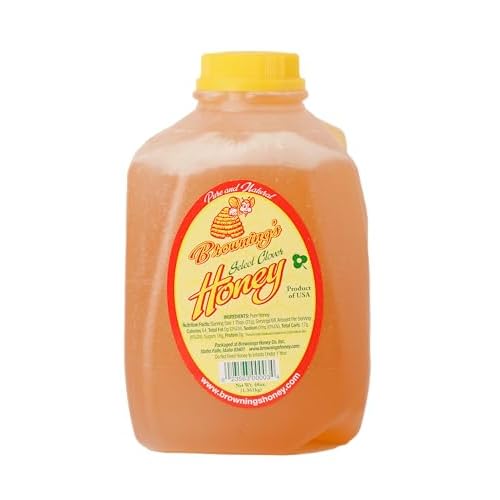
My low-risk default is pretty boring in a good way: one 3-pound clover jug from a grocery or warehouse store. I keep the label, note the price, and move on. Once the honey is in the kitchen, the next useful step is pairing it with a basic one-gallon recipe instead of reopening the whole shopping debate.
- Clear per-pound pricing usually matters more than a fancy backstory.
- Buying the full amount at once can help avoid mismatched top-off honey later.
For a first mead, grocery stores and warehouse clubs are often the easiest places to get enough honey without adding much risk. Local markets and online shops can be fun, but they usually make more sense once I know exactly what flavor I’m chasing.

This tracks with my experience. I bought a beautiful little raw artisan jar from a farmers market for my first batch and then realized I needed more… from a different vendor… at a different price. Very educational lol.
Do you think warehouse honey is usually consistent enough for repeats, or does it still vary quite a bit seasonally?
Good article overall, but I wish more beginner mead posts would say actual budget ranges this plainly. Too many guides act like everyone has access to endless orange blossom and single-origin stuff.
One thing I’m still unsure on: for a 1-gallon batch, would you personally rather use 3 lb of decent grocery-store clover or 2.5 lb of a nicer honey if the budget is tight? I’m guessing the answer is “hit your recipe target first,” but wanted to check.
Not gonna lie, part of me resists the “just buy clover” advice because it feels kinda boring.
But I also understand the low-risk argument for a first traditional. Is the main advantage just consistency, or does clover also tend to clear/age better than stronger honeys?
This was super helpful because I had total sticker shock the first time I looked at honey prices 😅
When you say “mild” honey is better for a first batch, do you mean it ferments more predictably, or just that the final flavor is less likely to get weird? I’m trying to decide between clover and a local wildflower, but the wildflower label is kinda vague.
Mostly both. Mild honeys like clover tend to be easier for beginners because the flavor is less likely to clash with fermentation byproducts, and they’re usually more consistent batch to batch.
A generic local wildflower can still work fine, but the flavor can swing a lot depending on the blend. If you want the lowest-risk first gallon, clover is the safer baseline.
I did my first one with cheap wildflower and it came out okay, but the second jar tasted different and the next batch def changed. So yeah, “vague” is the issue lol.
The 3 lb per gallon math was honestly the most useful part for me. I kept looking at jar prices instead of cost per pound and ended up confusing myself.
If I buy 2 lb first and then need more later, is that actually a problem beyond convenience? Sounds like you’re saying the bigger risk is ending up with slightly different honey and having to patch it together mid-recipe.