
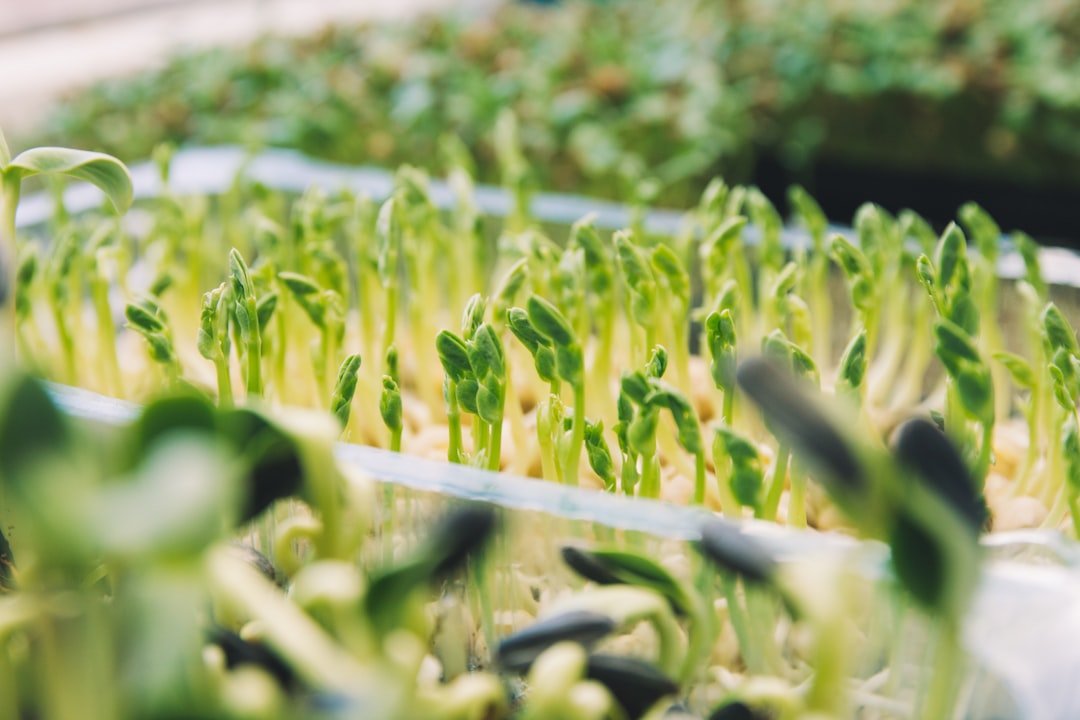
That trimmed tray can look almost too alive to toss.
A microgreens tray often looks promising right after harvest: short stems still standing, roots gripping the mat, a little green left here and there. It feels wasteful to clear it out when a quick misting might coax another round from the same seed and soil.
The appeal is obvious: fewer seeds used, less setup, and a few more days of growth instead of starting over. But the real test is not whether something green appears again. It is whether that second flush grows thick, tender, and tasty enough to be worth space on the counter. With many common microgreens, the answer is sometimes—but often not in the same way as the first cut.
Most trays are easier to replant
- Regrowth happens Some microgreens can push out a second round of leaves after cutting, especially if the growing point was left intact. Peas, beans, and some grasses are more likely to try again than tiny-stemmed crops cut close to the mat.
- Replanting is reliable For many common microgreens, the first harvest is the cleanest and most generous. A second flush often comes in thinner, slower, or less even, which can make a fresh sowing feel simpler than nursing the old tray along.
- Experiment first Regrowth is worth treating as a small trial rather than the main plan. After harvest, keeping one tray damp and bright for a few extra days can show whether that crop has enough energy left to be useful.
- Cycles stay simple New growers usually get steadier results by thinking in short crop cycles: sow, grow, harvest, reset. A broader microgreens seed-to-harvest guide can help make that rhythm feel less fussy.
Why some microgreens regrow and others stall
Microgreens are young plants, so their ability to regrow is limited by simple plant biology. After cutting, the plant needs three things: living tissue, a growing point, and enough stored energy to push out new leaves.
The growing point is the part of the seedling that makes new growth. In many microgreens, it sits low on the stem, close to the soil or growing mat. If harvesting removes that point, the seedling cannot produce a proper second shoot, even if the cut stem still looks green for a while.
Stored energy matters too. A seedling begins life using food packed inside the seed, then gradually shifts to making energy through its leaves. A very young microgreen has not built much reserve yet. Once most of the leaves are cut away, there may not be enough energy left for strong regrowth.
This is why a low cut gives a tidy, generous first harvest but often weakens the chance of a second one. Cutting close to the medium captures more stem and looks efficient in the moment, but it can remove the growing point and nearly all leaf area.
A slightly higher cut may leave more living tissue behind, especially on crops like peas or some brassicas. Even then, the second flush is often thinner, slower, and less even than the first.
Which microgreens are more likely to regrow?
A useful rule of thumb: larger seeds with sturdy shoots tend to have a better chance at regrowth than tiny, delicate seedlings. They start with more stored energy, and many can push out side shoots if the first cut leaves enough stem behind.
Better candidates: peas and grasses
Pea shoots are among the more forgiving microgreens for a second harvest. If cut above the lowest leaf node, they often send out new side growth. The second flush is usually thinner and less uniform, but it can still be worthwhile for a small home tray.
Wheatgrass, barley grass, and similar cereal grasses can also regrow after cutting, especially when the root mat stays moist but not soggy. Their second growth is often shorter and paler, so many growers treat it as a bonus rather than the main crop.
Usually not worth regrowing: brassicas
Broccoli, radish, kale, cabbage, mustard, and arugula are commonly harvested as tender young stems with seed leaves. Once cut, they often have little growing point left to work with. Radish in particular tends to give a strong first crop and then fade fast.
For these crops, replanting usually gives a cleaner, denser, better-looking tray than waiting for scattered regrowth.
Variable crops: try a small test
Specialty microgreens can be uneven. Sunflower may regrow from a few stems, but results are often patchy. Cilantro, basil, amaranth, shiso, and beets vary by cut height, age, and seed lot.
A simple test is to leave one corner of the tray un-composted for several days after harvest. If new shoots look strong and even, the tray may earn a second cut. If growth is sparse, yellowing, or fuzzy with mold, starting fresh is usually the easier path.
What a second cut usually looks like
A second cut can feel like a bonus, but it rarely looks like the first tray. Even when shoots come back, the growth is often uneven and lighter, with some spots filling in while others stay bare. The stems may be thinner or, in older trays, a little tougher and less sweet than the first harvest.
This happens because the first flush used much of the seed’s stored energy. Microgreens are harvested young, before they have much time to build strong reserves through photosynthesis. After cutting, any regrowth depends on what energy remains in the stem, roots, and tiny leaves left behind.
The root mat also changes after harvest. By the time a tray is ready for cutting, the roots are usually crowded together in a dense layer. That aging mat can dry unevenly, hold stale moisture, and make it harder for new shoots to grow cleanly and evenly.
Common second-cut surprises include:
- Patchy regrowth, especially where stems were cut low
- Slower timing than a freshly sown tray
- Smaller leaves and shorter stems
- Mixed texture, with some shoots tender and others stringier
- Flatter flavor, particularly in quick crops like radish or broccoli
For this reason, a second cut is often better treated as an experiment or garnish harvest, not a dependable repeat crop.
When regrowth is worth a try
-
Crop and cut height
Regrowth is most promising when the crop naturally sends up new shoots and the first harvest left some green stem behind. A tray cut very low has less living tissue to work with.
Worth tryingPeas, wheatgrass, barley grass, or similar crops cut above the lowest nodesBetter to replantBrassicas, sunflowers, or any tray shaved close to the growing medium -
Light and airflow
A second flush grows more slowly, so weak light and still air can make the tray lanky or damp before it fills in. Bright, indirect light and gentle circulation help keep the remaining stems sturdy.
Worth tryingEven light, open spacing, and leaves that dry between misting or wateringBetter to replantDim corners, crowded shelves, or humid air trapped under a cover -
Moisture and cleanliness
The used root mat should stay evenly moist, not soggy. Clean tools and a tidy harvest reduce crushed stems and debris that can invite mold; a careful harvest technique matters more on a reused tray.
Worth tryingDamp medium, clean cut stems, and minimal loose plant bitsBetter to replantStanding water, slimy roots, old seed hulls, or ragged cuts -
Tray condition
A healthy tray still looks fresh after harvest, even if it appears sparse. Any sour smell, fuzzy growth, or collapsed patches is a strong sign that replanting is the safer, cleaner reset.
Worth tryingFresh, earthy smell and firm remaining stemsBetter to replantMusty odors, white fuzz spreading, yellow mushy spots, or gnats
For uncertain crops, one small corner can be left to regrow while the rest of the tray is replanted. After a few days, the decision is usually obvious: healthy trays show new green tips, while tired trays stay patchy, pale, or damp.
If the second growth looks weak from the start, composting the root mat and sowing fresh seed usually gives a cleaner, fuller result.
A low-effort second-cut test
-
Tidy the surface
After harvest, remove loose stems, seed hull clumps, yellow leaves, and any mushy patches. The rooted mat can stay in place; the goal is simply to leave less decaying material behind.
-
Do a quick smell check
A tray that smells fresh, green, or earthy is a better candidate. Sour, musty, or swampy smells are a sign to skip regrowth and clean the tray instead.
-
Moisten, but do not soak
Bottom watering usually keeps the surface cleaner. Add enough water to rehydrate the mat, then drain any excess so the tray is damp rather than sitting in a puddle.
-
Give it strong light and airflow
Regrowth tends to weaken in dim, still conditions. A bright window or grow light, plus gentle air movement nearby, helps the remaining stems dry between waterings.
-
Check progress after a few days
Promising regrowth looks upright, green, and slightly stronger each day. Patchiness is normal, but spreading fuzz, collapsing stems, yellowing, or off smells mean the trial is not worth continuing.
-
Harvest small, or reset fast
If the tray produces usable shoots, take a modest second cut while they still look fresh. If it stalls, compost the mat and replant rather than nursing a declining tray.
A second cut is a small experiment, not a tray to save at all costs. When a tray starts smelling off, growing fuzzy patches, staying soggy, or collapsing, it is usually cleaner and faster to abandon it.
Fresh seed often catches up quickly, and a clean restart can avoid carrying old debris, tired roots, and excess moisture into the next crop.
Why fresh trays usually win
Replanting may feel less thrifty at first, but it often gives a better return for the space. A fresh tray starts with evenly spread seed, clean medium, and a full supply of stored seed energy. That usually means denser growth and a harvest that fills a sandwich box instead of a few scattered pinches.
The other advantage is cleanliness. After a first cut, stems, roots, and damp medium can break down quickly, especially in warm rooms or still air. Starting over removes old plant debris and makes it easier to spot problems early, rather than guessing whether a tray is regrowing or quietly spoiling.
Timing is also simpler with new trays. A second cut might take a few days, or it might stall for a week and still produce little. With fresh sowings, growers can set up a steady microgreens rotation by starting small trays every few days, so one crop is ready while the next is already sprouting.
For many home setups, the practical choice is to compost spent trays and reseed. The routine is more predictable, and the harvest usually looks more like the first crop: tender, even, and easy to use.
Treat regrowth as a bonus
A second harvest is worth testing only when the tray still looks strong: vigorous peas, wheatgrass, barley grass, or similar crops; clean roots; no sour smell; no visible mold; and enough stem left for new shoots. If the tray looks tired, slimy, crowded, or uneven, composting it is usually the cleaner choice.
For most tender salad microgreens, especially brassicas such as broccoli, radish, kale, and mustard, a fresh sowing tends to give a fuller, better-tasting, more predictable crop. Regrowth can be a pleasant extra handful, not the plan that keeps the salad bowl supplied.

If peas are one of the better candidates for regrowth, does that change if you harvest them really young vs letting them get taller first?
I usually cut pea shoots around 3 inches because I like them tender, but I’m wondering if I’m basically cutting off their chance to come back by doing that.
Yes, harvest height matters a lot with peas. If you cut very low and remove most of the growing points, the second flush tends to be weak or uneven. Leaving a bit more stem and a few leaf nodes gives them a better chance, though the second cut is still usually lighter and a little tougher than the first.
Specialty crops needing small-tray testing makes sense. I tried basil once and waited forever like an absolute fool.
Would slower herbs ever be worth regrowing if you cut high, or are they just too slow compared with starting fresh?
This matches my experience with radish microgreens. I tried for a second cut once and got… sadness in tray form 😂
Is the reason brassicas rarely regrow mostly because their growing point gets removed, or is it more about seed energy being used up?
I appreciate the “treat it as a bonus” framing. Some YouTube videos make it sound like every tray should be a tiny perpetual salad factory, and then you feel like you failed when the second harvest looks like a bad haircut.
I’m a little skeptical about the “fresh trays usually win” point only because seed cost can add up depending on the crop. For home growers it might not matter much, but if you’re doing trays every week, even a weak second cut feels tempting.
Have you found any crop where the economics clearly favor regrowth, or is the labor/space/time penalty usually the dealbreaker?
What about wheatgrass? I know it’s not always used the same way as tender microgreens, but it seems like people get multiple cuts from it.
Would you still recommend replanting for hygiene reasons, or is wheatgrass one of the few cases where second cuts actually make practical sense?
Wheatgrass is one of the better examples where a second cut can be reasonable. It has more ability to push new growth from the base than many tender microgreens.
That said, hygiene still matters. If the mat smells sour, looks slimy, or starts showing mold, compost it rather than pushing for another harvest. A clean tray with good airflow can often give a modest second cut, but I still wouldn’t count on it the way I would count on a fresh sowing.
I’ve done second cuts on wheatgrass and agree with this. It works, but the second batch is usually thinner and not as sweet. Also it goes downhill FAST if you keep it too wet.
Does tray density affect regrowth much? I tend to sow pretty thick because I like that full carpet look, but after harvesting the roots seem like a tangled brick.
I’m guessing that crowded root zone is part of why the second cut gets patchy?
Could you clarify the cleanup step for the low-effort test? Do you mean removing seed hulls and fallen stems only, or actually trimming out ugly patches?
I’ve had trays where a few spots looked questionable but most of it looked fine. I never know if I should baby it along or just toss the whole thing before it turns into a science project.
Good question. For a second-cut test, I’d remove loose hulls, fallen stems, and any clearly decaying material. If there are small dry or spent patches, trimming them out can help airflow.
But if you see fuzzy mold spreading, slimy roots, or smell anything sour/fermented, I’d compost the tray. Regrowth is only worth trying when the tray is still clean and vigorous enough to recover quickly.