A half-used garden packet can feel too good to waste—until food safety enters the picture.
That half-full packet of radish or basil seeds in my shed is exactly where this question starts. I get the urge to use it up rather than buy another bag just for a tray of greens.
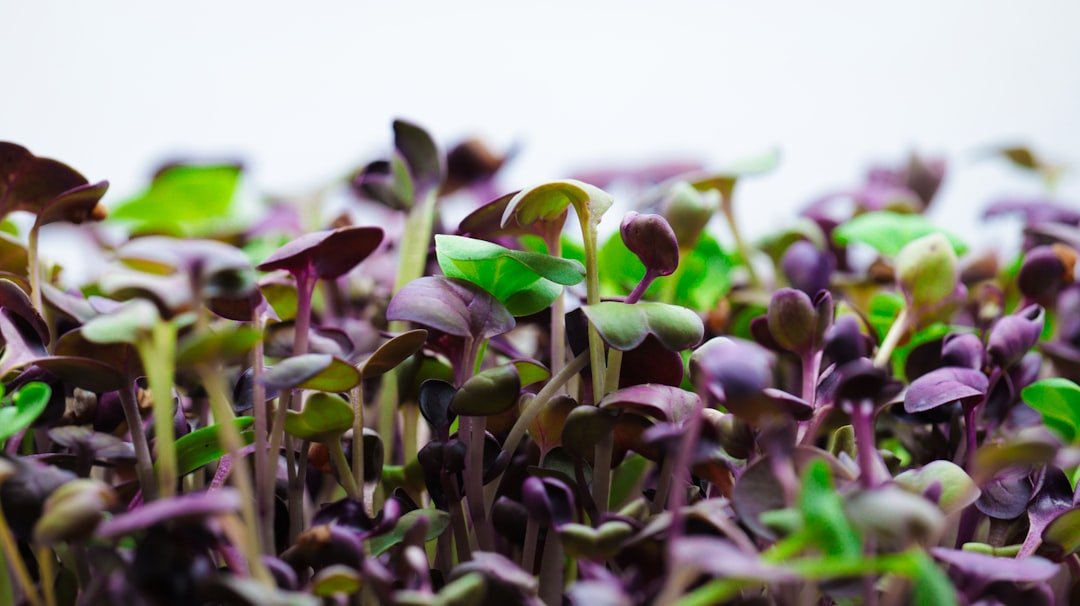
With microgreens, though, the seed gets used very differently than it would in the garden. I sow them densely, keep them close together, and harvest them when they’re still tiny seedlings. Because I’m eating the whole young plant so early, details that barely matter for outdoor sowing—like seed treatments, coatings, or how the seed was intended to be used—suddenly matter more. That’s not overthinking; it’s just the reality of growing food in a tight, fast cycle.
- Dense sowing increases contact between seeds, roots, and hulls.
- Microgreens are harvested at the seedling stage, not after months outdoors.
Can I use regular garden seed, or does it need to say microgreens?
Can I use ordinary garden seeds for microgreens?
Yes, sometimes. I treat “garden seed” as a packaging term, not a safety signal. What matters more is whether the seed is untreated, meant for edible crops, and from a source I trust.
What makes a packet a poor fit?
If it says treated, coated, pelleted, inoculated, or fungicide, I skip it for microgreens. Those add-ons are meant for planting out, not for something harvested so young.
Does the crop itself matter?
Definitely. A lot of familiar microgreen crops, like radish, broccoli, pea, and sunflower, are also sold as garden seed. Others are awkward choices because they taste rough, sprout poorly, or naturally have compounds that make them less suitable at the microgreen stage.
Does the seller matter if the seed is untreated?
I think so. A clearly labeled packet from a reputable seed company gives me more confidence than old mystery seed in an unlabeled jar. Storage, cleanliness, and basic traceability count for a lot.
So is the word “garden” the real issue?
Not really. By itself, that word neither makes a seed safe nor unsafe. I look past the category name and check treatment, crop type, and source first.
The packets I put back on the shelf
For microgreens, packet details matter as much as the crop name.
I check the fine print first. Microgreens are sown thickly and eaten young, so handling and intended use matter more than many gardeners expect.
Treated seed is an immediate no for microgreens.
If a packet says treated, fungicide-treated, or similar, I skip it. This is where it helps to understand what those “treated” notes on seed packets mean.
Those add-ons are useful for gardening, not for dense trays of edible seedlings.
Pellets and coatings add materials beyond the seed itself, and inoculants are meant for field performance, not tiny greens headed for the kitchen.
If the packet is ornamental-only or says not for food use, I rule it out.
That label tells me the seed was not sold with eating in mind. For me, that is enough reason to choose a different packet.
If a packet is treated, coated, pelleted, inoculated, ornamental, or marked not for food use, I don’t try to talk myself into it. I move on.
My 60-second seed screen
-
Start with the hard no's
If the packet says treated, coated, pelleted, inoculated, ornamental, or not for food use, I stop there. Those are stronger signals than any marketing on the front of the packet.
-
Confirm the crop is actually edible
I make sure I’m looking at a vegetable, herb, or other commonly eaten plant. A garden packet can still be a poor microgreens choice if the species is mainly ornamental or has confusing common names.
-
Look for plain, simple labeling
I feel better when the packet lists the botanical name, lot details, and a real seed company. Clear sourcing does not guarantee safety, but vague packaging makes me more cautious.
-
Treat organic as a plus, not a pass
Organic can be a helpful signal because it often means fewer treatment surprises. Still, I don’t use it as a shortcut—an untreated non-organic food seed may be a better pick than an organic packet with unclear labeling.
-
Check age and storage before sowing densely
Older or badly stored seed is more of a performance issue than a safety label issue, but it still matters for microgreens. If a packet looks damp, damaged, or very old, I usually move on.
When I’m unsure, I compare the packet against a broader seed-buying safety guide before using it for microgreens.
What if the seed is old?
Usually, an old packet is more of a performance question than a safety one. In my trays, older seed is more likely to sprout slowly, unevenly, or sparsely than to become a problem just because of the date. If the packet still clearly names an edible crop and matches the basics from checking older packets before germination falls off, I treat age as a reason to test, not an automatic reject.
A few signs make me much more cautious:
- the packet was wet, greasy, or badly sun-faded
- the seed smells musty or looks moldy
- there are signs of insects, dust, or lots of broken seed
- the label is missing, unreadable, or no longer clearly a food crop
When the label looks fine but the storage history is fuzzy, I like a small test tray. Sowing a tiny patch tells me a lot fast: germination rate, evenness, smell, and whether the seedlings look normal. If it comes up patchy, that usually points to low vigor rather than a hidden safety issue, but it still helps me avoid wasting a full tray.
A mini tray can reveal a lot in a few days.
Watch speed and uniformity Notice any odd odor Weak but otherwise normal growth often means the seed is simply oldHow I make the call
Think like a food grower
What changed my thinking is simple: microgreens are not a loophole for questionable seed. They are a very young food crop grown densely, in warm and humid conditions, so small seed problems can show up fast.
My on-the-spot rule is: yes for edible, untreated, well-labeled seed from a source I’d trust for food growing; maybe for old but clean, dry, clearly identified seed; skip anything treated, unclear, ornamental, or showing damage.

This was helpful, but I still wonder about seed companies that say “untreated” on the website and then the packet itself says almost nothing.
Do you trust the online listing, or only what’s physically on the packet? I’ve got some pea and radish seed like that and I’m hesitating.
If the packet is vague, I’d want the seller’s listing or catalog to be very clear that it’s an edible crop and untreated. If that info is consistent and the company is reputable, I’d usually count that as a reasonable green light.
What makes me pause is when the packet and listing conflict, or when neither mentions treatment status clearly. In that case, I’d rather skip it for microgreens and use seed with better labeling.
I’ve run into this too. I usually screenshot the product page before I buy, because half the packets are weirdly minimal for no reason.
This matches my experience pretty closely. Organic has been nice, but I’ve definitely had better results from a clearly labeled conventional food seed than from an expensive mystery packet with vague marketing.
The part about judging by food-crop standards instead of “well it sprouts so it must be fine” should honestly be printed on every seed display.
One thing I didn’t see: does seed size change the safety side at all, or just the growing side? Like tiny brassica seed vs huge pea seed.
I know larger seeds can hide damage or mold more easily if they were stored badly. Maybe I’m overthinking it, but I’ve had old peas that looked okay until soaking, then the water got funky fast.
You’re not overthinking it. Seed size doesn’t make a crop inherently safe or unsafe for microgreens, but it can change what problems show up.
Large seeds like peas or sunflowers can reveal storage issues quickly during soaking because cracks, hidden mold, or poor storage become obvious. Tiny seeds usually aren’t soaked the same way, so the warning signs show up more as uneven germination, off smells, or visible debris.
So I’d treat size as a handling clue, not a safety label by itself.
That funky soak water is SUCH a red flag. I dumped a whole batch of peas last winter because it smelled like a swamp by hour 6.
My confusion is around ornamental varieties of edible plants. Like nasturtiums are edible, but some packets are marketed basically as flowers first. Same with some amaranth mixes.
Would you avoid those just because the labeling is decorative, even if the species itself can be eaten? That’s where the article made sense overall, but I still wasn’t sure where you’d draw the line.
Glad you mentioned inoculated seed specifically. A lot of bean and pea packets in spring are inoculated and people miss that because they’re focused on germination rate, not what’s on the seed coat.
I learned that the annoying way after buying a giant bag on sale 🙃
I appreciate the yes/maybe/skip rule because some articles act like if the packet doesn’t literally say MICROGREENS in giant letters, everyone will perish 😂
Most of us are just trying to use up half packets without doing something dumb.
Maybe a dumb question, but if a packet is old and the crop is edible/untreated, would you ever rinse with something like diluted vinegar before sowing? Or is that just internet folklore?
I see people suggesting all kinds of seed “sanitizing” hacks and it gets confusing fast.