
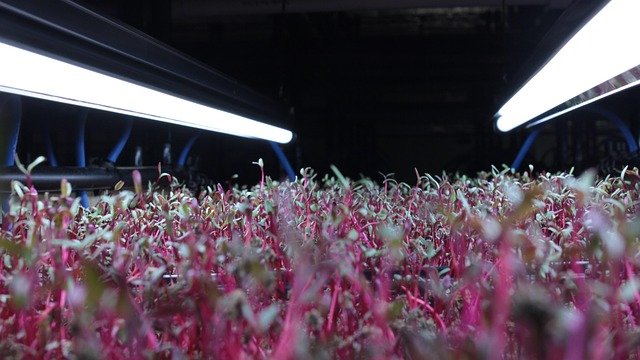
A steadier microgreen harvest usually comes from better timing, not more gear.
One tray can look impressively lush in the morning and be nearly gone by dinner, especially when it lands on sandwiches, eggs, and a big salad. Then the windowsill or shelf sits quiet for a week while the next batch catches up. That gap is the common small-space grower’s problem: microgreens grow quickly, but a single tray still tends to arrive all at once.
A two-tray rotation smooths that rhythm. Instead of planting both trays together, the second tray is started a few days after the first, so one crop is being eaten while the other is still growing. The setup stays simple: the same shelf, the same light, the same shallow trays. The main change is staggering the sowing dates so harvests overlap in a more useful way.
- For many common microgreens, starting the second tray about 4–7 days later creates a practical stagger.
What a two-tray rotation actually means
A two-tray rotation is simply a staggered schedule. One tray is farther along and close to cutting, while the second tray has just been sown or is still in its early growth stage. As the mature tray is harvested, the younger tray keeps growing behind it.
Think of it as a small relay rather than a constant buffet. The goal is to reduce the empty stretch between harvests, not to produce unlimited greens every day. With most common microgreens, a two-tray setup can provide a modest, steady supply for sandwiches, bowls, eggs, or garnish.
A typical rhythm looks like this:
- Tray A: ready to harvest or being cut over a few meals
- Tray B: newly planted, germinating, or growing under light
- After Tray A is cleared: it gets washed, replanted, and becomes the next young tray
The timing depends on the crop. Fast growers like radish or broccoli may turn over quickly, while peas, sunflower, or cilantro often need more patience.
Choose crops that fit the rhythm
Crop choice is what makes a two-tray rotation feel smooth—or slightly fussy. Fast, forgiving greens such as radish, broccoli, mustard, and many brassica mixes often finish in about a week to 10 days, so the second tray can usually be started a few days after the first. A quick check of growth times by microgreen variety helps keep the stagger realistic instead of guessed.
Slower crops change the timing. Pea shoots, sunflower, cilantro, basil, and some herbs may need more days, more vertical space, or a heavier harvest window. With these, the second tray may need to be sown later, or the household may accept a longer gap between cuttings.
Flavor matters too. Spicy radish can be wonderful in small amounts, while mild broccoli or cabbage blends are easier to use often. For a steady kitchen supply, many growers pair one quick crop with one slower or bulkier favorite, then adjust the sowing gap after the first round.
Gather a simple, repeatable setup
A two-tray rotation works more smoothly when both trays match. Similar tray depth, drainage, and footprint make watering, stacking, lighting, and harvest timing easier to judge from one round to the next.
The basic kit can stay modest:
- Two shallow growing trays, ideally the same size
- Growing medium, such as seed-starting mix, coco coir, or a microgreens mat
- Seeds suited to quick indoor growing
- A spray bottle or gentle watering can
- A bright windowsill or grow light
- Clean scissors or a small harvest knife
- Light airflow, such as a nearby fan on a low setting
Keeping supplies consistent helps turn each tray into a small repeatable experiment. If one tray uses a thick soil layer and the other uses a thin mat, differences in drying and rooting can blur the schedule.
For frequent sowing, it can also help to keep seed quantities predictable; some growers eventually look at bulk seeds for continuous growing once favorite crops are clear.
Use a simple staggered calendar
-
Day 1: sow Tray A
Fill, seed, mist, and cover the first tray as usual. Label it with the crop and date, because a one-day difference can matter with quick crops.
-
Day 4–8: sow Tray B
Set the gap by crop speed. Try 3–4 days for radish, mustard, and broccoli-style mixes; 5–7 days for kale, cabbage, cilantro, or basil; 7–10 days for peas or sunflower, which often need more time and space.
-
Day 7–14: harvest Tray A
Cut when the greens look ready rather than waiting for a fixed date. Fast brassicas may be ready around a week, while chunkier or slower crops may need closer to two weeks.
-
Same day: reset Tray A
After cutting, empty the roots and spent medium, rinse the tray, and sow it again. This same-day reset is what keeps the rotation moving while Tray B is already halfway along.
-
Repeat with Tray B
When Tray B is harvested, clean and reseed it right away. The pattern becomes: one tray being harvested and restarted, the other tray growing toward the next cut.
If trays mature too close together, widen the sowing gap next round. If the counter sits empty between harvests, narrow it slightly or choose a quicker crop.
Repeat the tray routine
Each tray follows the same routine, just on different dates: seed, cover, uncover, light, water, harvest, reset. Aim for moist medium, not puddles. Stems should look sturdy, with gentle airflow and enough light to prevent leaning.
Choosing shallow trays
A Local Food Movement demonstrates 1020 shallow tray sets, useful for comparing tray depth and handling before setting up a two-tray rotation.
Keep the harvest-reset loop moving
Most microgreens are a cut-once crop. After harvest, the remaining stems and roots usually do not regrow into a strong second crop, so the tray is reset rather than kept going. For anyone curious about exceptions, it helps to understand why replanting is usually needed before building the rotation around regrowth.
The reset can stay quick: cut the greens, empty the spent mat, wash the tray, and sow again. A small brush or cloth helps remove bits of root and stuck-on growing medium from corners. The tray does not need a complicated ritual, but it does need to be clean before fresh seed and medium go back in.
A simple reset habit might look like this:
- Harvest: cut just above the medium with clean scissors or a sharp knife.
- Clear: compost or discard the used root mat.
- Wash: scrub away residue with warm water and mild dish soap.
- Dry: let the tray air-dry, or wipe it with a clean towel.
- Reseed: start the next batch the same day if the calendar calls for it.
This small hygiene step keeps old roots, sour smells, and lingering moisture from slowing the next tray. Once cleaning is part of harvest day, the two-tray rhythm becomes much easier to keep.
A tray that looks mostly empty can still hold damp residue. Starting fresh seed in that residue can lead to uneven sprouting, off smells, or moldy patches.
Fix small timing problems
A two-tray rhythm will drift sometimes. Room temperature changes, seed age, watering habits, and light distance can all nudge a crop by a day or two. The useful habit is to adjust the next sowing, rather than trying to force the current tray to match the calendar.
When both trays finish together
If both trays are ready at once, the stagger is too short for that crop or growing space. Harvest the more mature tray first, then let the second tray stand another day if it still looks sturdy and fresh. On the next round, add 1–3 days between sowing dates.
For very fast crops like radish or broccoli, even a small delay can help. For slower peas or sunflowers, the spacing may need a larger gap or a separate rotation.
When there is a harvest gap
A gap usually means the second tray was started too late, germinated slowly, or grew under weaker light. Shorten the next stagger by a day, keep the blackout period consistent, and check that the tray is staying evenly moist without sitting soggy.
Leggy stems often point to light that is too far away or too dim. Moving the light closer, adding a little airflow, and rotating trays can produce stockier growth.
When mold or uneven crops slow things down
A little fuzz on seeds is not always mold, but musty smells, collapsing stems, or spreading patches are signs to improve conditions. Use slightly less seed, drain trays well, increase airflow, and wash trays thoroughly between rounds.
Mixed-seed blends can also disrupt timing because each variety grows at its own pace. If one seed type regularly dominates, switch to single-crop trays or pair varieties with similar harvest windows.
Writing down the sowing date, harvest date, and one observation such as “too leggy” or “ready early” makes the next adjustment much easier.
Make the rotation a habit
A two-tray setup becomes easier when it has a small weekly rhythm. A quick daily look is usually enough: check whether the medium is drying at the edges, whether stems are leaning, and whether either tray is ready to cut or reset.
Keep simple date notes on sowing, blackout, light, harvest, and cleaning. These notes turn guesswork into patterns, especially for anyone still building confidence while they learn to grow microgreens at home.
After each harvest, clean the tray promptly and let it dry before sowing again. If the last crop finished too early, widen the next gap by a day or two. If it lagged, narrow the gap slightly. Starting with one crop and one tray size keeps these adjustments easy before adding more varieties.
A steady microgreen rotation is just a small loop kept moving: seed one tray, let it grow, harvest the other, clean it well, reseed, and repeat. Once that rhythm feels familiar, the setup can stay exactly as it is—or gently expand with another crop, a wider sowing gap, or a third tray. For anyone curious about going further, skill-building courses for scaling up can offer more structure without rushing the simple habit.

I appreciate the honesty that two trays = modest harvests, not some endless salad factory. A lot of guides make it sound like you’ll feed a family of six from a windowsill.
I’m going to try this with mustard and sunflower, but I’m guessing those need totally different gaps? Sunflower always feels like it takes forever compared with spicy mixes.
Exactly — sunflower usually needs a longer rhythm than mustard or radish. If you pair them in the same two-tray rotation, the faster crop may be ready while the sunflower still needs several more days.
You can either widen the sowing gap or keep similar-speed crops together. For example, mustard/radish/broccoli rotate more smoothly, while sunflower or pea shoots often work better as their own slower rotation.
Seconding this. I tried sunflower with broccoli and it made my calendar look like a conspiracy board. 😂 Keeping fast with fast has been way less annoying.
I started dating my trays with painter’s tape after reading this and wow, embarrassingly useful. I thought I would “just remember” which tray was on day 5. Reader, I did not remember.
Now I just check moisture in the morning, rotate the trays, and make a note if something looks slow. Very low-tech, which is my kind of gardening.
Step 3-ish didn’t work for me — the “simple repeatable setup” part. I used two matching trays but one batch grew leggy and weak while the other was fine.
Same seeds, same shelf, same watering routine. Could airflow really make that much difference? I have them under a cheap LED strip in a spare room, no fan.
Yes, airflow can make a surprising difference, especially once the stems get taller and the canopy gets dense. Even a small fan running indirectly for part of the day can help strengthen stems and reduce damp pockets.
Since one tray was fine, also check whether the leggy tray was slightly farther from the light or shaded by the tray lip. Microgreens can respond dramatically to a few inches of light difference.
I had the same issue with peas. Tiny desk fan fixed most of it, but I also realized I was stacking the blackout tray too long. They went from “cute” to “spaghetti” overnight lol.
The calendar idea is helpful, but I’m skeptical about cleaning and reseeding the same day every time. Sometimes after harvest the root mat is glued to the tray like it signed a lease.
Do people really wash, dry, and reseed immediately? I feel like that’s where my rotation falls apart.