
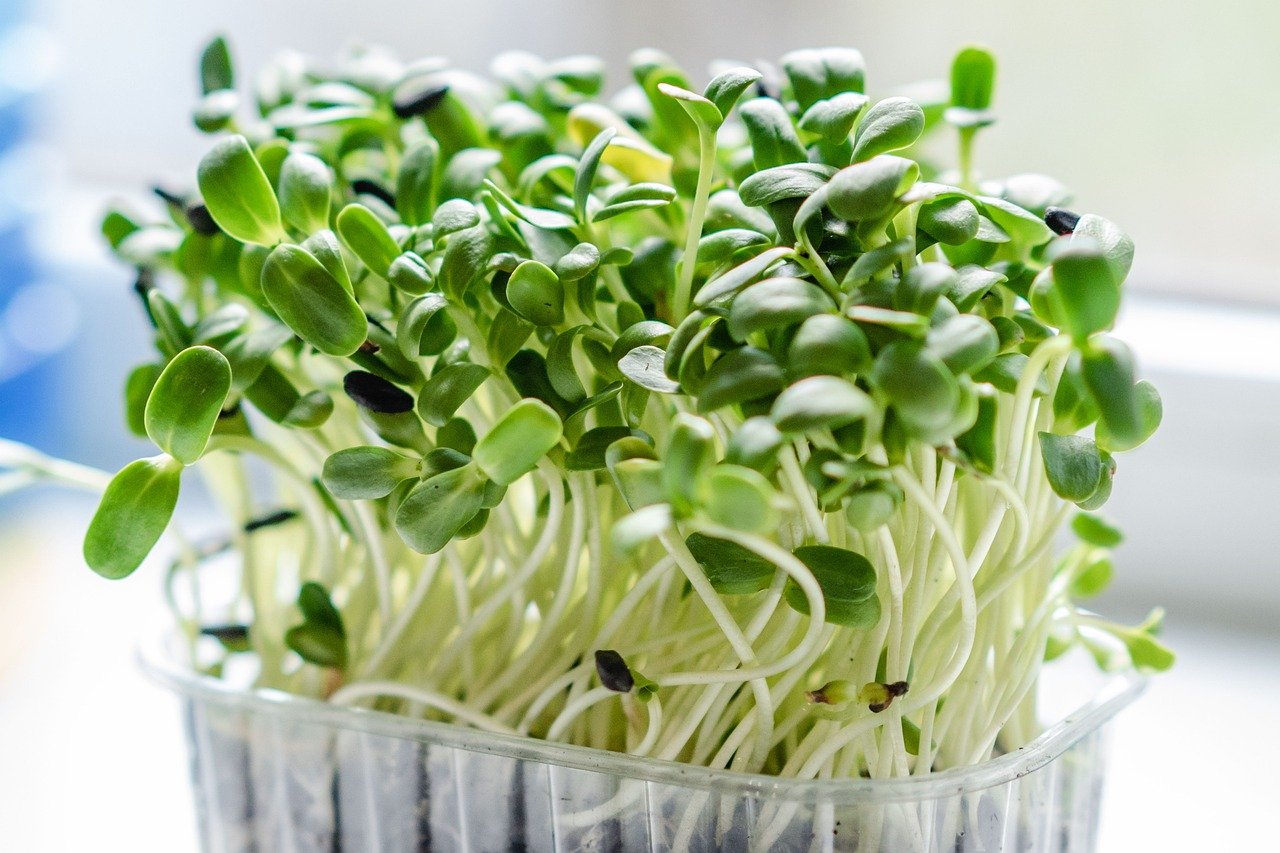
A flattened, waterlogged tray can still bounce back if rot hasn’t fully taken hold.
Have you ever lifted the cover and found microgreens slumped into a wet mat, with that sinking feeling that the whole tray is about to spoil? I’ve had that moment, and while it looks dramatic, it’s often not game over yet.
What matters most is speed and containment. Overwatering becomes a rot problem when moisture sits still and starts spreading from one patch to the next. If the tray is only recently soaked, there’s usually a short window where the greens can recover before soft spots and musty odor start traveling. I try to think less about “saving every stem” and more about keeping the trouble isolated, the surface cleaner, and the rest of the tray from turning into a damp chain reaction.
Check what you’re actually seeing
Before I start “fixing” a tray, I try to confirm what I’m seeing. Overwatered microgreens often look droopy, matted, or a little pale, but the stems are usually still firm and the roots stay white. After a heavy mist or bottom watering, some trays can flop for a few hours and then recover.
A few harmless look-alikes can fool me:
- Seed hulls stuck to leaves
- Fine white root hairs near the base, which can resemble mold at first glance
- Temporary surface shine or condensation after watering
Rot feels different. If I notice a sour smell, a slick or slimy patch, or brown damage that keeps widening from one spot to the next, I treat that as more urgent. Those signs usually point past simple excess moisture and closer to active decay.
I also watch for smells that hint at rot risk, because odor often shows up before a tray looks truly awful. If the tray is only too wet, recovery is still fairly possible. If it smells bad and the brown area is spreading, the chances drop fast.
Wet usually means the tray may recover.
Slimy, smelly, and spreading brown damage usually means the problem is moving into rot, where saving the whole tray becomes less likely.
Separate the tray before doing anything else
When I spot a tray that looks questionable, I move it away from the rest right away. That gives me room to inspect it without brushing leaves together or dripping water onto healthy greens.
A little distance can help more than it seems. Rot often spreads through splash, shared humidity, and simple tray-to-tray contact, especially when everything is packed tightly on one shelf.
I try to isolate the tray like this:
- Set it on a separate surface or lower shelf
- Stop bottom-watering nearby trays from the same runoff area
- Wipe up any pooled water around it
- Avoid using the same scissors, fan setting, or cover until they’re dry and clean
If the tray improves, great. If it declines, at least I haven’t given the problem an easy path into the next batch.
Pull extra moisture out gently
-
Pause watering briefly
I stop both top and bottom watering for the moment so I can see how wet the tray really is.
-
Drain any pooled water
If the outer tray is holding water, I tilt just enough to pour it off. I try not to flex the root mat or lift the greens.
-
Add light airflow
I move the tray where air can pass around it, or set a fan nearby on low. I want evaporation, not wind strong enough to mash the canopy.
-
Wick from the edge
When the surface looks shiny, I touch a paper towel to a bare corner or the tray wall so water pulls sideways. I avoid blotting the tops.
-
Recheck before touching again
After 30 to 60 minutes, I look for a duller surface and a cleaner smell. If it still seems swampy, I repeat the gentlest step first.
When a tray is waterlogged, rough rescue can bruise stems and spread mushy spots. I try not to squeeze the mat, pat the canopy dry, or peel sections apart unless I already see clear decay.
Cut out the bad patch early
I try to treat this like spot-cleaning, not a full rescue operation. With clean scissors or tweezers, I remove the slimy, collapsed, or sour-smelling patch first, plus a small buffer of nearby greens that look damp and weak. If I can lift that section in one clump, I do; digging through the whole tray usually spreads more moisture than it solves.
A few things help keep the damage contained:
- Cut or lift from the outside edge of the patch inward
- Drop removed material straight into a bag or bin
- Wipe the tool before touching healthy growth again
- Leave any firm, upright greens that have no odor and no brown, water-soaked stems
After that, I look for a simple pattern: is the trouble staying in one area, or showing up in several? A tray can still be worth watching if the bad section is small, roughly under a quarter of the surface, and the rest looks springy.
I usually stop trying to save it if rot appears in multiple spots, the smell comes back quickly, or a third or more of the tray is soft and matted. At that point, the loss is often already moving through the roots, even if the top growth still looks partly green.
If removal leaves wide bare patches, flattened stems, and lingering odor, starting over can be cleaner and less frustrating than nursing it along.
Reset the tray’s microclimate
For the next day or two, I try to make the tray boring: more air, less crowding, and no extra fuss. After draining and trimming, I stop watering from above and let the surface dry a little. I’m not chasing a quick turnaround here; I’m trying to create a steadier, slightly drier pocket of air.
A simple reset can help:
- Increase airflow with a small fan nearby, not directly blasting the greens.
- Add space around the tray so neighboring flats are not trapping moisture.
- Skip domes or covers unless the crop is clearly drooping.
- Hold off on more water until the mat feels lighter and the surface loses its shine.
If I’m unsure how much airflow is enough, I think in terms of keeping humidity lower so the same problem does not return right away. In this short window, restraint often helps more than adjusting five things at once.
Water again only when the tray earns it
The hardest part, for me, is not helping too soon. I wait until the tray feels noticeably lighter when I lift one side, and the growing mat no longer feels soggy or cold. If it still looks glossy-wet or leaves moisture on my fingertip, I give it more time.
When I do restart, I go small. A shallow bottom-water is usually safer than a full refill, especially if I’m still learning how to bottom-water gently without flooding the tray. I let the roots sip briefly, then pour off anything left behind so the tray is never sitting in runoff.
A few relapse habits are really common:
- watering by the clock instead of by tray weight
- adding extra water because one corner looks dry
- misting from above after the tray has already been stressed
- leaving water in the catch tray “for later”
If growth stays upright and the tray keeps drying at a normal pace, that’s a good sign I’ve resumed at the right level.
Give it one short watch period
-
Set a 12–24 hour check
I like a short window, not days of hoping. After airflow, drainage, and isolation, the tray usually starts telling the truth fairly fast.
-
Look for small gains
A recovering tray often smells cleaner, feels less swampy, and stops expanding its damaged area. New collapse is a bad sign.
-
Watch the edges of the problem
If browning, slime, or soft stems keep creeping outward, the issue is still active even if part of the tray looks okay.
-
Make the call by 24–48 hours
If decline continues, I usually toss the tray. Losing one is frustrating, but it can help protect the rest of the batch.
If the tray still smells sour, feels wet underneath, or shows fresh slimy patches after a day or two, I treat it as a spread risk rather than a rescue project.
My repeat-proof reset
- Water lighter I wait for a lighter tray, then bottom-water sparingly instead of topping off by habit.
- Drain better If water hangs out in corners or under the mat, I treat that as a drainage problem, not patience.
- Watch humidity Stuffy air, algae, and a damp smell usually point to ongoing excess moisture, not a one-off slip.
When a tray starts recovering, I try to keep the next few days boring: less water, cleaner drainage, better airflow, and a quick check on humidity.
If algae, slime, or musty wet-tray signs keep coming back, that usually hints at a broader setup issue. In that case, wider tray troubleshooting can help narrow down what keeps the moisture stuck.

This worked for broccoli, but not for cilantro in my case. Broccoli bounced back after isolation + airflow + skipping a watering.
Cilantro basically looked at me, got offended, and collapsed anyway. Maybe that tray was already too far gone before I noticed the slimy area.
I tested your lighter bottom-watering idea on two trays side by side. Same seed, same room, same timing, but one got my old heavier soak and one got a much smaller refill only after the tray felt lighter.
The lighter one recovered better after I overdid it early on. Less algae too, which tracks with your point about chronic wet conditions.
I still struggle with judging tray weight by feel, though. I’m probably overthinking it.
I had the classic false alarm where I thought the white fuzz was the beginning of disaster, but it was just root hairs. Firm stems, no smell, and no brown spread — that checklist helped.
Honestly that section alone should be pinned on every microgreens page.