
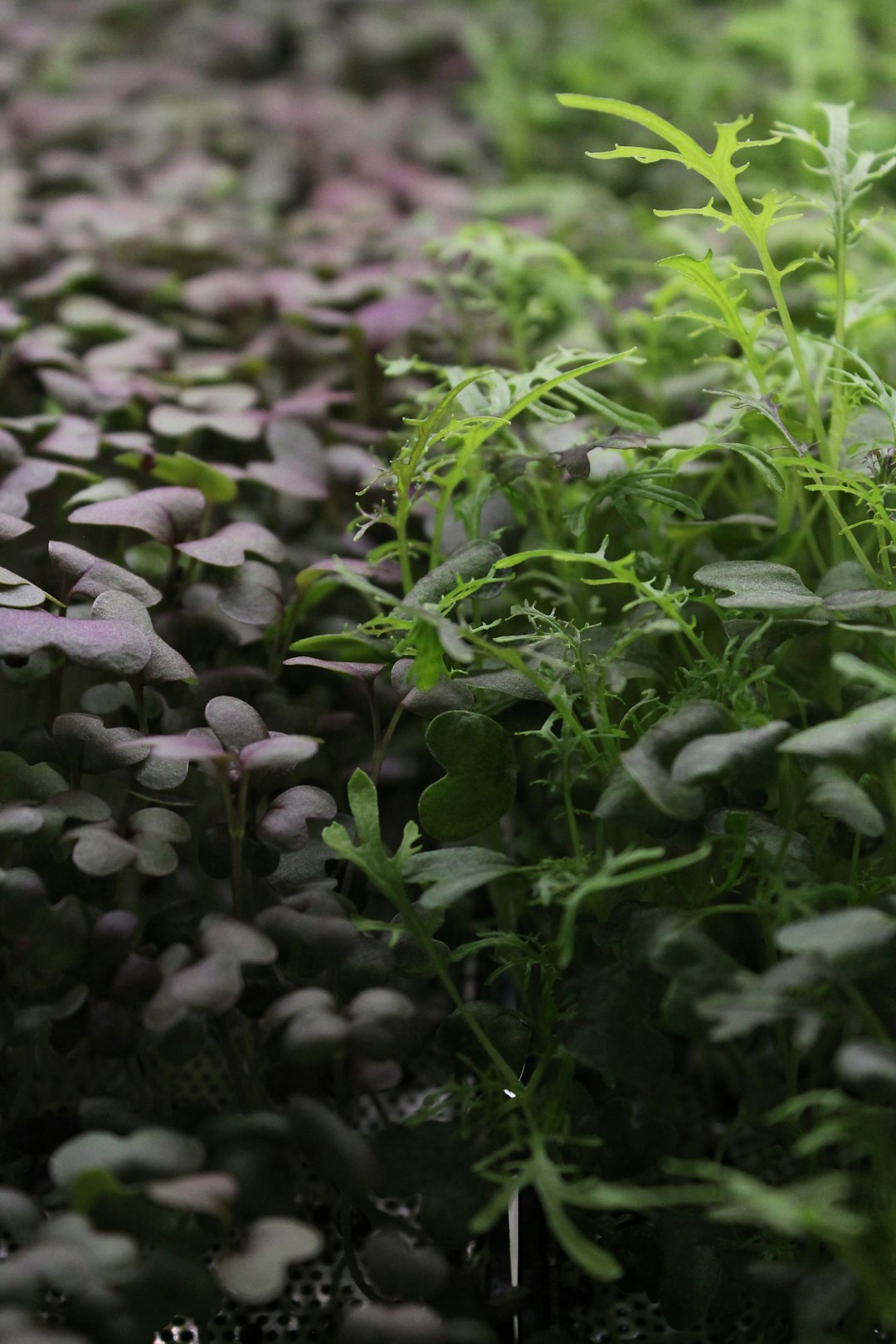
A small sampler can save me from a big bag of regret.
I’ve filled a tray with a seed that looked great on paper, then watched it sprout unevenly or taste way stronger than I wanted. That kind of mismatch is exactly why I don’t mind starting with a variety pack.
For me, a sampler earns its spot when it answers real questions: Will it germinate well in my setup? Do I actually like the flavor? Is it easy to sow and harvest? If a pack helps me find two or three greens that feel manageable before I buy in bulk, it feels practical—not like extra clutter.
- Mixed packs can quickly show which crops are easy, fussy, mild, or punchy in the same growing setup.
How I’d match the five packs


What makes a sampler useful
-
Separate packets
I learn more when each variety is packed on its own. It lets me compare germination and flavor instead of guessing what failed.
Look forIndividually packed seeds with clear names.AvoidOne mixed bag that hides weak performers. -
Real range
A high count can still feel repetitive. I want contrast: mild, spicy, fast, slow, forgiving, and fussy.
Look forDistinct crops, not near-duplicates.AvoidVariety counts padded by tiny variations. -
Enough seed to repeat
One tray can be a fluke. A useful sample gives me enough seed for a second run on the standouts.
Look forPacket sizes that cover a couple of trays.AvoidSo little seed that one sowing settles nothing. -
Labels that teach
Clear names and simple grow notes make my test trays more useful. That turns a sampler into a better bulk-buy decision.
Look forPlain labeling with practical sowing info.AvoidGeneric labels with no context.
If a 15-pack still leaves me unsure what I’d rebuy, it did not teach much. A smaller sampler can be more useful when it reveals clear winners fast.
A broad-taste mix for quick preference spotting
01
Large 1 lb heirloom non-GMO resealable pack
If I wanted a single bag that gives me a general feel for what I enjoy, this mix makes a lot of sense. With broccoli, radish, turnip, collard, and purple kohlrabi in one resealable 1 lb pack, it suits growers who want variety in the tray without jumping to a huge menu of separate seed packets.
- Easy way to sample color and flavor range
- Large resealable bag for repeated trays
- Simple choice if separate packets feel like overkill
- Well-reviewed with reported strong germination
- Less precise for strict variety-by-variety learning
- Mixed sowing makes reordering decisions fuzzier
- A full pound may feel like a lot for tiny trials
Quick take This is a comfortable middle ground: enough diversity to reveal whether you lean mild, peppery, green, or colorful, without turning the process into a project. The tradeoff is that it teaches broad preferences better than exact favorites.
I’d look at this one as a practical “try a bit of everything” bag rather than a clean comparison tool. It can quickly show what kinds of flavor and color I enjoy growing and eating, but it’s not the most exact route if my only goal is deciding which single variety earns a future bulk reorder.
Beginner on-ramp: 10-type heirloom starter pack
Balanced indoor mix for year-round harvests
If I were learning microgreens from scratch, this is the kind of pack I’d want nearby. The 10-variety lineup keeps things broad enough to compare familiar crops like broccoli, pea, sunflower, radish, kale, and arugula, without turning the first few trays into a giant experiment.
For me, that smaller learning curve is the real draw. I can notice which seeds germinate cleanly, which flavors I actually reach for, and which trays feel easiest to repeat before I start thinking about bulk bags.
- Manageable variety count for first trays
- Includes familiar baseline crops
- Easy for side-by-side comparisons
- Indoor-friendly, year-round framing
- Less room for niche flavor exploration
- Seed packs only, no gear included
- Some varieties still grow differently
Confidence-building easy-grow organic 10-pack
Organic seeds with easy grow instructions
If I were testing whether I actually enjoy growing microgreens, this is the kind of pack I’d start with. ZESTIGREENS leans on familiar, generally forgiving crops—broccoli, pea, radish, sunflower, kale, and salad-style mixes—so the first few trays are more likely to feel encouraging than fiddly.
That matters early. A couple of quick, decent-looking harvests can make the hobby stick. The organic seed mix and included grow guidance also suit anyone skipping a full kit and using basic trays at home.
- Forgiving varieties for early tray success
- Includes several staple microgreen crops
- Organic pack with beginner-oriented guidance
- Less novel than more adventurous assortments
- Some varieties stay in a familiar flavor lane
For bigger flavor swings: Mountain Valley 12-Variety Kit
Global, colorful selection curated by expert grower
If I already knew I wanted more than mild greens, this is the sampler I’d check first. Mountain Valley’s 12-variety pack leans into louder personalities—radish, cress, cilantro, shiso, Korean shiso, and pak choi—while still keeping familiar growers like broccoli, peas, and sunflower in the mix. That usually makes each tray feel meaningfully different, which is exactly what I want when I’m narrowing down spicier varieties to sample.
To me, this works less like an everyday “safe” assortment and more like a taste-led trial run. The point isn’t universal appeal; it’s figuring out which punchier crops I’d actually miss enough to buy in bulk later.
- Noticeably wider flavor contrast
- Includes distinctive crops like shiso
- Still mixes in familiar staples
- Less universal for daily use
- Some varieties may feel niche
- Not my first beginner sampler
Widest comparison set: 15-Variety Heirloom Microgreens Seed Sampler Pack
Widest flavor range for countertop growing
When I want the most contrast from a single order, this is the kind of sampler I look at first. It spans 15 heirloom varieties, so the jumps between mild, earthy, peppery, and spicy are easier to notice than in a narrower starter pack.
To me, it fits the curious grower who enjoys running side-by-side trays and keeping simple notes. I’d use it less as a quick starter and more as a broad scouting pack for spotting patterns in flavor, color, and how each variety behaves on the tray.
- 15 distinct comparisons
- Wide flavor spread
- Good pattern spotting
- Includes familiar and niche crops
- More packets to track
- Smaller seed amounts
- Easier to leave unfinished
- Less simple for beginners
I only run one or two trays at a time. Which pack feels least overwhelming?
I’d lean toward the Survival Garden 10-pack or the organic 10-pack. Both keep the choice set manageable, so I can compare a few familiar crops without turning seed storage into its own hobby.
I mostly want to learn my taste fast. What helps more: a mix or separate packets?
If I want a quick read on whether I enjoy mild, earthy, or spicy greens at all, the Rainbow Heirloom 1 lb mix is a simple starting point. If I want clearer favorite-by-favorite answers, the Mountain Valley 12-pack gives stronger flavor contrast in separate varieties.
I care more about smooth germination than novelty. Which direction seems safer?
The two 10-packs look like the easier bet for that, since they stay close to familiar microgreen staples like broccoli, pea, radish, and sunflower. The 15-pack seems more useful when I’m comfortable trading a little simplicity for a wider comparison.
I enjoy side-by-side testing and notes. Which pack gives me the most to compare?
For pure breadth, I’d pick the 15-variety Survival Garden sampler. For fewer packets but bigger flavor swings, Mountain Valley’s 12-pack feels more interesting to me than a gentler all-basics lineup.
If tray space is tight, I’d start with 10 varieties. If I’m chasing flavor contrast, I’d look at Mountain Valley 12. If I want the broadest comparison before buying in bulk, 15 varieties makes the most sense.
How I know a sampler has done its job
-
A few varieties keep succeeding
If the same seed gives me solid germination and a usable tray two or three times, I stop treating that result as luck.
-
I can describe the flavor I’m chasing
Once I know I prefer a peppery radish, a mild broccoli, or a more aromatic herb note, the sampler has already narrowed the field.
-
My tray notes are actually useful
When I’ve written down soak choice, blackout time, harvest day, and what changed the result, I have enough context to replant with purpose.
-
The misses are clear too
A good sampler also shows me what I don’t need more of—slow growers, fussy trays, or flavors I never reach for.
-
I have a reason to grow it again soon
If I’d happily sow that variety next week, that’s usually my cue to consider a larger bag instead of another broad sampler.
I pick the pack that answers my biggest unknown right now: easy repeats, stronger flavor contrast, or the widest side-by-side test. Then I rerun the top two or three standouts before switching from variety packs to bulk seed. That usually tells me more than buying a big bag after one lucky tray.
- Repeat winners before scaling.
- Bulk buying makes more sense when notes and taste line up.
If I wanted a low-fuss starting point, I’d go with the 10‑Type Heirloom Microgreen Seeds Variety Pack; it’s the easiest one here for clean, repeatable comparisons. If my question was flavor, the Mountain Valley 12‑Variety Microgreens Seed Kit feels more revealing because the contrast is stronger. If I wanted the broadest test bench before committing, the 15‑Variety Heirloom Microgreens Seed Sampler Pack gives me the widest spread.
For quick preference spotting without juggling lots of packets, the Rainbow Heirloom Superfood Microgreen Seed Mix still makes sense. I’d only move to bulk after a few repeat trays confirm that the same variety keeps earning space.

The section on the Rainbow Heirloom mix was helpful, but I’m still not sold on seed mixes for testing. If the tray has one variety that dominates, how do you actually know what you liked? Color? texture? luck? lol
Feels like a good “do I generally enjoy microgreens” pack, not a good “what should I buy 1 lb of next” pack.
I appreciated that you separated “flavor contrast” from “beginner-friendly.” A lot of roundup posts mash those together and it gets confusing fast.
That said, I was surprised basil wasn’t discussed more as part of the flavor-testing angle. Was that because it’s slower/less forgiving compared with radish, cress, cilantro, shiso, etc.?
Exactly. Basil can be interesting for flavor evaluation, but for a sampler whose job is to help people make quick bulk-buy decisions, slower or fussier crops can distort the comparison. I wanted the article to focus more on varieties that reveal taste and tray behavior without demanding quite as much patience.
That’s also why the Mountain Valley kit stood out to me: the stronger flavor swings show up sooner and more clearly than in packs centered mostly on mild everyday greens.
For someone with only 2 small trays, which would you actually pick? Not the “in theory” answer, the real one.
Your scenario-fit section got close, but I’m torn between the beginner 10-type pack and the Mountain Valley 12-pack. I want fast taste testing, not a semester-long research project in my laundry room.
Why no budget callout for people who only want to spend like $15-20 total?
The 15-variety sampler sounds cool in theory, but packet management alone would annoy me. I’d rather have fewer varieties with enough seed to do repeats, especially since your last section basically says repeat wins are what matter.
Fair criticism. If the budget is tight, I’d lean toward the 10-Type Heirloom pack or the Organic 10-pack depending on whether you care more about broad basic comparison or easier, confidence-building crops. I ranked usefulness more by decision quality than lowest price, but for a strict $15-20 cap I’d absolutely prioritize repeatable trials over max variety count.
Same here. A 15-pack sounds fun until every packet is just enough for one tray and then you’re squinting at your notes wondering what happened 😂
Maybe I’m being picky, but I wanted more on what got excluded. There are SO many Etsy and small-farm sampler packs now, and some are cheaper than the branded kits you listed.
Was the selection based mostly on consistency/availability? Because if so, that would actually help explain the omissions.
You’re not being picky at all—that’s a fair question. Yes, consistency and repeat availability mattered a lot. I avoided packs that are hard to reorder consistently, because a sampler is only useful if you can later buy the winning varieties in larger quantities without changing sources or specs.
I also preferred packs with enough structure to compare varieties cleanly. Some smaller marketplace samplers are fine, but the lineup changes often enough that they’re harder to recommend in a decision-focused guide.
Honestly the “easy-grow organic” section was the most useful part for me. Every time I see a sampler stuffed with novelty crops I assume I’m paying tuition for failure 😅
Do you think that 10 Variety Organic Collection is still worth it if someone already knows they like radish and broccoli, or is it better to skip straight to bulk at that point?
Surprised the 15-Variety Heirloom pack got the “widest comparison set” nod without a bigger warning label. Wider isn’t automatically better when half the battle is staying organized.
I did laugh at the packet-friction comment because… yes. Tiny envelopes everywhere, mystery notes, one tray somehow unlabeled. very scientific 😂
Still, I get your point that broader side-by-side testing can reveal patterns you’d miss in a smaller starter pack. I just wonder if that one is better for slightly experienced growers rather than true beginners.