
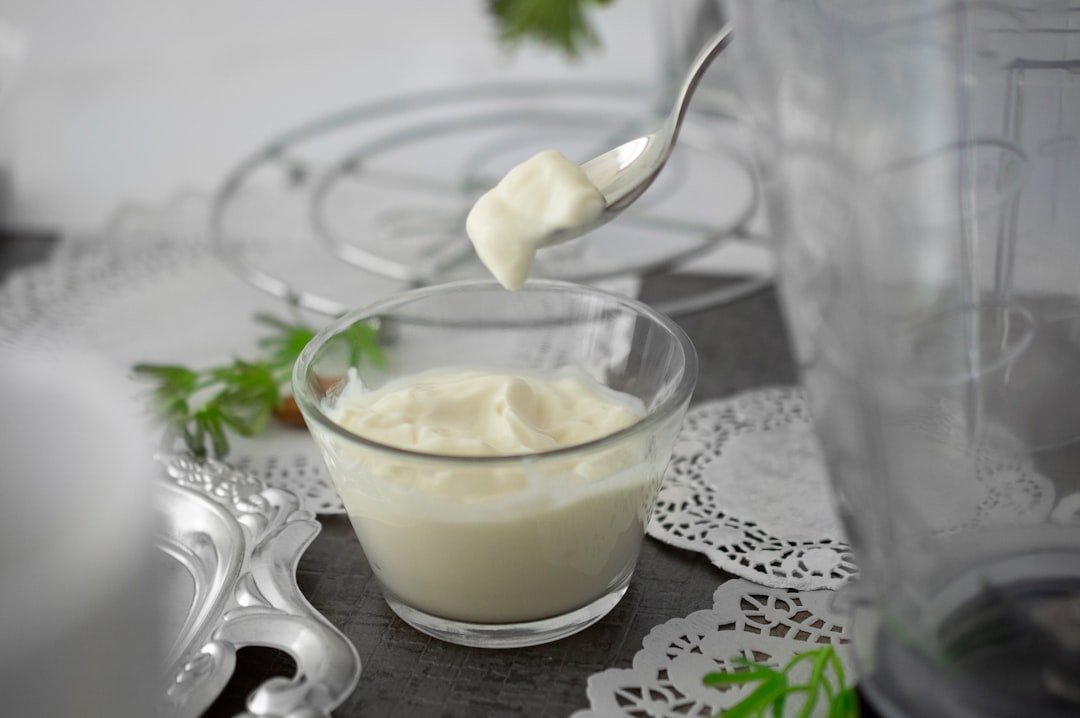
The label looks small; the routine it creates isn’t.
At the shelf, these two packets can feel almost identical. I’ve learned the real difference is what happens after the first batch: heirloom asks me to save a little yogurt and keep the cycle going, while direct-set lets me open a packet, culture once, and move on.
That choice shows up in my fridge fast. Heirloom can stretch cost over time but adds upkeep; direct-set is simpler when my yogurt-making happens in fits and starts.
- Heirloom Greek starter can be refreshed with about 2 tbsp from a previous batch.
- Direct-set mild starter comes with 4 packets, each culturing 1–2 quarts.


What these labels usually mean
- Heirloom starter
A culture meant to be saved from one batch and used again in the next. If it suits your milk and routine, it can keep going for many rounds.
- Direct-set starter
A culture sold mainly for fresh use each time. Some people get a second batch or two, but repeated reuse is usually limited.
- Why people mix them up
Both come as yogurt cultures, often in similar packets, and both may simply be called “starter.” The package front does not always highlight the reuse difference.
- What label language tells me
Words like “reculture,” “heirloom,” or “generational” usually point to ongoing propagation. “Single use” or “direct-set” usually means starting from a new packet.
I look for the reuse promise before I look at strain names.
If the seller says the culture can be recultured over and over, I read it as heirloom. If it expects a new sachet for each batch, I read it as direct-set. For a broader refresher, cultured dairy starter basics can help.
How they feel to live with
In my kitchen, heirloom and direct-set starters feel different long before I taste the yogurt. Heirloom asks me to keep a little culture line going: save some yogurt, make the next batch on time, and notice when it starts acting slightly different. Direct-set is more of an open, mix, incubate routine, which can feel calmer if I do not want one more thing to maintain.
That day-to-day rhythm often shows up in the bowl.
- Heirloom batches can feel more individual from week to week.
- Direct-set batches often land in a narrower, more predictable range.
- Neither pattern automatically means better quality; it mostly changes the experience.
With flavor, I usually notice heirloom cultures developing a bit more personality over time. Some stay mild, while others lean tangier or more aromatic depending on temperature, timing, and how the culture has been handled. Direct-set cultures, by contrast, often give me a flavor profile that is easier to repeat.
Texture can follow the same pattern. A heirloom batch may turn out a touch silkier, looser, or firmer from one round to the next, even when I think I did everything the same. Direct-set usually makes it simpler to aim for consistency.
So for me, the choice is less about abstract rankings and more about temperament: Do I enjoy tending a living culture, or would I rather trade some variation for repeatability?
What the real cost looks like
A low shelf price can be misleading. When I compare starters, I look at cost per successful batch, not just the jar or packet price.
If a direct-set box costs $8 and makes 4 batches, that works out to about $2 per batch. If an heirloom starter costs $12 and I keep it going for 12 batches, that drops to roughly $1 per batch. On paper, heirloom can look more economical fast.
But that only holds if I actually maintain the culture well. A failed batch, contamination, or a culture that weakens after a few rounds changes the math:
- Direct-set: higher ongoing supply cost, lower commitment
- Heirloom: lower long-run batch cost, higher risk of needing a reset
- Replacement cost matters: buying fresh starter earlier than expected can erase the savings
For occasional yogurt makers, direct-set often wastes less money because it is easier to pause and restart. For frequent makers, heirloom can deliver better value if batch after batch stays healthy and consistent.
So when I shop, I ask one simple question: am I likely to keep this culture alive long enough for the savings to show up?
If you make yogurt weekly, heirloom value often improves. If you make it sporadically, direct-set cost is usually easier to predict.
Buy for your real milk and setup
I’ve had better luck choosing a starter when I stop picturing an ideal kitchen and think about my usual batch. The culture that fits your everyday milk, pot, and warm spot often feels easier to live with than one that only shines under perfect conditions.
- Whole milk or cream-top habits: richer milk can give heirloom cultures more to work with, especially if you enjoy a fuller, tangier set.
- Skim, 2%, or frequent milk switching: direct-set cultures often feel a bit more forgiving when my ingredients vary from week to week.
- Ultra-pasteurized, lactose-free, or non-cow milk experiments: some starters handle these better than others, so label notes matter more than the heirloom/direct-set label alone.
Fat level changes texture more than many beginners expect. Lower-fat milk can still make good yogurt, but the set may be looser, so a starter known for consistency may be easier to buy first. If texture problems keep showing up, this guide to milk choice and yogurt setting issues can help sort out whether the starter or the process is the bigger variable.
Temperature control matters just as much. If I’m relying on an oven light or a cooler, direct-set often feels simpler. If I have a machine with adjustable heat, I’m more comfortable trying heirloom or pickier cultures.
Match the starter to the batch you make most often, not the ambitious one you imagine making later. That usually leads to fewer frustrating misses.
Who heirloom starter tends to suit
The tradeoff is real: heirloom is easiest to enjoy when you can propagate regularly and keep your method fairly steady.
A classic heirloom pick
This one looks appealing if you want the full heirloom experience without a huge upfront buy. It comes with 2 dehydrated packets and is sold as a culture you can keep going with proper care by saving 2 tablespoons from your previous batch. It’s aimed at Greek-style yogurt, so the end result leans tart and creamy, with the thicker texture coming from straining. I also like that the brand frames maintenance as optional, which makes the learning curve feel less intimidating. Approx. ~$15 on Amazon.
Who usually feels at home with direct-set
A simple first run
This direct-set powder comes in 4 packets, with each packet culturing 1–2 quarts of milk. I like that it includes step-by-step instructions, because that lowers the friction for a first batch or a long break between batches. The mild flavor profile also sounds approachable if you want a plain yogurt that stays crowd-friendly rather than tangy.
The labels I’d trust before buying
-
Type named plainly
If a listing says heirloom/reusable or direct-set/one-time use right away, I trust it more. If I have to guess, I move on.
Look forStarter type stated in plain language.SkipLifestyle copy that never explains reuse. -
Yield that fits your habit
Heirloom tends to make more sense for frequent batches; direct-set usually fits occasional yogurt better. Packet count and quarts per packet matter more than vague value claims.
Look forQuarts per packet and whether one batch can seed the next.Skip“Great value” with no batch math. -
Milk and temperature guidance
Good listings mention workable milk types and a fermentation method or range. That usually means fewer surprises.
Look forClear notes on milk, timing, or temp.SkipOnly “easy to use” with no process detail. -
Storage and freshness notes
Cultures are living, so I like seeing storage directions and sealed packet info. It’s a small detail that often signals a better listing.
Look forStorage guidance, sealed packets, best-by info.SkipNo storage details at all.
If I’m realistic about my habits, the choice gets much less loaded. Heirloom can be approachable; direct-set can be deeply satisfying. I’d pick the routine I can actually maintain, because steady batches usually teach me more than a lofty plan.

I’m still confused on the label part. If a starter says you *can* use some of the finished yogurt to make the next batch, does that automatically mean it’s heirloom? Or are some direct-set brands just kind of… flexible with the wording?
Beginner question: if my oven light method is kinda inconsistent, should I just avoid heirloom completely for now?
I don’t have a fancy yogurt maker, just a thermometer and a lot of optimism 😂 The article made it sound like temperature stability matters more than people admit.