
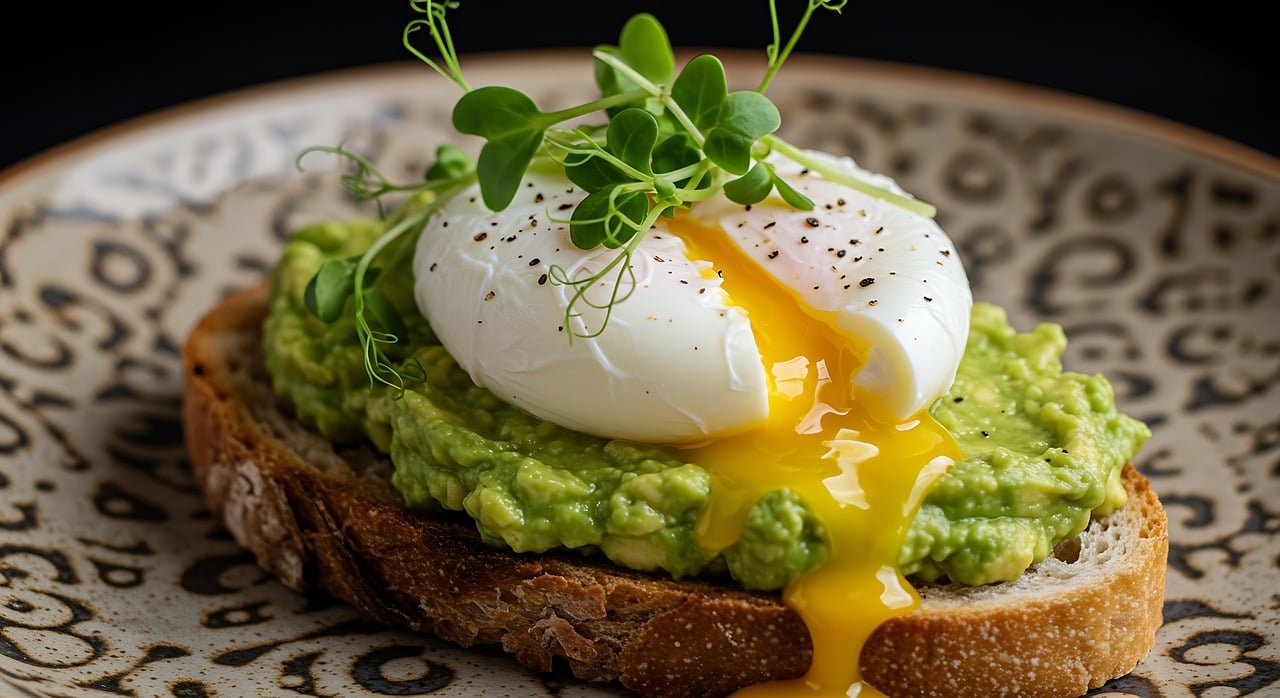
A slightly limp box of greens is usually a five-minute problem, not a cooking crisis.
If I open the fridge and see microgreens going soft at the edges, I don’t treat them like a fancy ingredient I’ve failed. They’re usually still fine for a same-day rescue, especially if they smell fresh and aren’t slimy. A little wilt doesn’t ruin them.
My low-effort move is to rinse, dry, and fold them into something already happening: eggs, a grilled cheese, soup, rice, noodles, even buttered toast. Think garnish with benefits, not a full recipe. Once warmed or blended in, the droopy look matters a lot less.
A quick microgreen triage
-
Crisp = use raw
If the greens look bright, dry, and springy, I save them for salads, toast, or a finishing sprinkle.
-
Slightly limp = use warm
If they’ve softened a bit but still smell fresh, I move them to omelets, soup, pesto, or stir-ins where texture matters less.
-
Wet or sticky = inspect closely
A little surface moisture from the container is common, but leaves that feel slimy or gummy are heading downhill fast.
-
Bad smell or fuzz = toss
Sour, musty, or off smells, fuzzy growth, and dark mushy patches are my clear signs they’re past it.
I’m comfortable using slightly wilted greens, but not spoiled ones. Slime, mold, or a truly off smell usually means the batch is done.
Five-minute reset
-
Rinse
Cold water.
-
Spin
Until almost dry.
-
Press
Clean towel, no crushing.
-
Rebox
Dry towel underneath.
Drying well buys time.
Simple ways to eat microgreens
I use UrbanAgMike’s meal ideas when greens need using fast.
Use a handful right now
Easy minute-one uses
When I only have a small pinch, I stop thinking of microgreens as a special ingredient. I treat them like lettuce plus soft herbs and drop them into food I’m already making.
- Toast or a sandwich: pile them on like baby lettuce. Mayo, hummus, or cream cheese helps them stay put.
- Eggs: scatter them over scrambled eggs, an omelet, or a fried egg sandwich right before eating.
- Soup or noodles: add a little tuft on top, the way I’d use parsley, cilantro, or scallions.
- Tacos, wraps, or rice bowls: a handful adds crunch and a fresh, peppery finish.
- Salad shortcut: mix them with bagged greens instead of trying to build a full bowl around them.
If I’m not sure where they fit, I try them anywhere I’d normally use arugula, basil, or sprouts.
Build lunch around the greens
When I want to use a real handful, I stop treating microgreens like a finishing pinch and use them as the fresh layer that holds lunch together.
- Peppery greens like radish or arugula-style mixes make sense with richer fillings: turkey and mayo, tuna salad, cheddar, avocado, burgers, or hummus.
- Delicate greens like broccoli, sunflower, or pea shoots feel more natural with softer flavors: egg salad, cucumbers, cream cheese, chicken, rice bowls, or sesame noodles.
A simple sandwich formula I come back to is rich + crunchy + bright. Think melted cheese, a few slices of tomato or cucumber, then a thick tuft of microgreens instead of one limp lettuce leaf. In wraps, I like to tuck the greens in last so they stay fluffy rather than getting squashed into the spread.
For bowls, I use microgreens almost like a mini salad on top. Warm grains or roasted vegetables underneath, then a handful of greens, a squeeze of lemon, and maybe something creamy or salty to balance them. That way the greens taste intentional, not like an afterthought.
Blend them into a quick sauce
When I have a bigger pile to use up, I stop thinking salad and start thinking blender. This is especially handy when the greens still smell fresh and look fine, but they’ve lost that snappy texture that makes them nice raw.
A loose formula works better than a recipe here:
- Pesto-ish sauce: microgreens + olive oil + lemon + garlic + nuts or seeds + grated cheese, if you like. Peppery greens make a punchier sauce; milder greens stay softer and sweeter.
- Creamy spread: microgreens + Greek yogurt, cream cheese, ricotta, or hummus + lemon or vinegar + salt and pepper. I use this on toast, sandwiches, and grain bowls.
- Green mayo: microgreens + mayo + mustard + a squeeze of citrus. It turns into a fast sandwich spread with very little effort.
If the mixture tastes flat, it usually wants one of three things: acid, salt, or fat. Add a splash, a pinch, or a spoonful, blend again, and stop when it tastes bright enough.
Can I cook microgreens?
Yes—I cook them all the time. When I’m wondering if cooking microgreens makes sense, I treat them like tender herbs and use brief heat at the very end.
What kind of heat works well?
Light, late heat usually gives the nicest result. A quick stir into eggs, rice, noodles, or soup softens them without flattening their flavor.
Are slightly wilted microgreens still useful in warm food?
Often, yes, if they still smell fresh and pass the earlier spoilage check. In my experience, a little droop is less noticeable once the greens are folded into something warm.
What cooking methods tend to be less ideal?
Long simmering and hard sautéing can make microgreens disappear fast. They shrink quickly and can lose the bright edge that makes them appealing.
I cook microgreens all the time. When I’m wondering if cooking microgreens makes sense, I use the same rule I’d use for tender herbs: brief heat, added late.
A small handful stirred into scrambled eggs, folded into rice, or dropped onto hot soup for 10 to 20 seconds can soften the wilt without turning the greens flat or soggy.
In my kitchen, slightly tired microgreens often work better warm than raw. The heat relaxes that limp texture, and peppery varieties especially wake up in noodles, beans, or a grilled cheese. I usually skip long simmering or aggressive sautéing, since they shrink fast and lose their fresh edge.
Match the box to the meal
When I start overthinking microgreens, I sort by volume instead of recipe. That usually gets me to a good use in under a minute.
- Small box: use it like a finishing herb. Scatter it over eggs, soup, tacos, toast, or a bowl.
- Medium box: make it part of lunch. Fold it into a sandwich, wrap, quesadilla, or a generous salad.
- Big harvest: pick dishes that can absorb a lot fast. Blend a sauce, stir into noodles or fried rice at the end, or pile it into frittata or soup.
If I still can’t decide, I ask: garnish, filling, or bulk? That one question usually points me in the right direction.
Make the call and cook
-
Choose your dinner lane
If I want speed, I go eggs or toast. If I need something filling, I reach for rice, noodles, potatoes, or tortillas; if the greens look soft, I aim for soup or a quick skillet.
-
Give the greens one last check
I sniff, trim any rough bits, and dry them well. Crisp ones can stay raw; floppier ones usually do better folded into something warm at the end.
-
Pick one base
Use what is already around: leftover rice, pasta, bread, cooked potatoes, or even instant noodles.
-
Add one protein
Eggs, beans, tofu, tuna, rotisserie chicken, or cheese all work. I am not building a perfect recipe here—just giving the greens a real place to land.
-
Finish fast
Pile the greens on top, or stir them in for 30 to 60 seconds with a little oil, butter, or broth. A squeeze of lemon, a splash of vinegar, or a spoon of yogurt can pull the whole thing together.
For the next box, a dry towel liner and a spot you see first in the fridge can make this feel much less last-minute.
- Start with the base and protein you already have.
- Use raw for crisp greens, late heat for softer ones.
- Visibility and dryness can matter as much as storage container choice.
When my microgreens are fading, I stop hunting for a clever recipe and make one simple choice: raw finish or warm add-in. Then I pair them with a starch or protein already in the kitchen, and dinner usually comes together with a lot less drama.
Tonight’s save can be as plain as eggs and toast or as filling as rice and beans with greens folded in at the end. Done is better than wilted in the back of the fridge.

I tried the five-minute reset with pea shoots and had mixed results.
The cold rinse perked them up a little, but I think I may have messed up the “dry really well” part because by the next morning the towel liner was damp and a few spots were heading toward mush. The article says slight wilt is okay if they still smell fresh, which matched what I saw, but I’m still not sure how dry is dry enough before they go back in the container.
Small boxes = garnish, medium = lunch, big harvest = sauce… honestly that volume shortcut is the part I needed. I always buy a giant clamshell with good intentions and then act surprised when it’s a science experiment 4 days later.
Made a quick yogurt-herb-ish sauce with slightly wilted radish microgreens and used it on roasted potatoes + chicken. Not elegant, but it cleared the box fast and tasted better than I expected.