
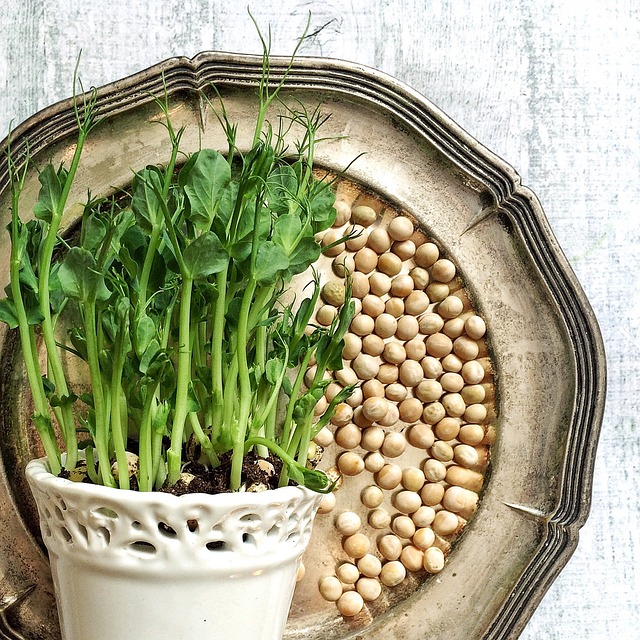
The first tray usually needs less confidence and more calm troubleshooting.
A packet of radish seed, a shallow tray, and a bright windowsill can make microgreens feel wonderfully simple—until the advice starts colliding. One source says blackout for three days, another says peek daily. Water from the top, water from the bottom. Harvest early, wait for true leaves. Then a fuzzy patch appears and suddenly mold or root hairs? becomes the evening’s main question.
That is where a good microgreens book can be worth buying: not because it replaces practice, but because it gives beginners a steadier set of choices. The most useful guides explain what to do when a tray goes wrong, show realistic setups, and match the grower’s next step—whether that is an easy starter setup before buying gear, better kitchen harvests, or small-scale selling. Clear expectations beat guesswork.
- Includes crop-by-crop notes rather than only general growing advice.
- Shows photos or plain descriptions of common problems like damping off, legginess, and uneven germination.
- Fits the intended scale: countertop trays, steady home production, or cautious business planning.
Quick picks before the first tray


What to check before buying a microgreens book
-
First-tray instructions that feel usable
A helpful beginner book shows the whole path from seed soak decisions to harvest, without assuming a polished setup. It should make the basic microgreens growing steps feel clear enough to try with one tray before buying racks, lights, or bulk seed.
Look forTray size, seed density, blackout, watering, airflow, and harvest timing explained in plain sequence.Be wary ofBig gear lists before the book has shown how a small tray actually works. -
Crop guidance with real differences
Radish, broccoli, pea shoots, sunflower, basil, and cilantro do not behave the same. Strong guides point out which crops are quick, fussy, prone to hulls, or likely to need soaking.
Look forCrop notes that mention days to harvest, flavor, soaking, light needs, and common failure points.Be wary ofOne-size-fits-all schedules that make every seed sound interchangeable. -
Troubleshooting photos or clear visual cues
New growers often need help telling root hairs from mold, thirsty greens from overwatered ones, and ready-to-harvest trays from leggy trays. Photos, diagrams, and specific warning signs can prevent a lot of second-guessing.
Look forClose-up visuals or sharply described symptoms tied to simple fixes.Be wary ofVague reassurance without showing what problems look like. -
A scope that matches the goal
Some books are most useful in the kitchen, with flavor pairings and storage tips. Others lean toward routines, yields, pricing, and customer conversations, which may be more than a casual grower needs.
Look forHome cooking advice for small harvests, or business details only if selling is a real interest.Be wary ofPaying for market-scale guidance when the plan is a windowsill tray and a sandwich topping.
These picks were weighed for how useful they are before a first tray is soaked: clear setup guidance, plain instructions, and enough troubleshooting to make early mistakes less mysterious.
Books scored better when they explained seed choice, tray depth, light, blackout, watering, harvest timing, and cleanup in a way a home grower could follow without special gear.
Extra credit went to guides that address common small-scale frustrations, such as mold, leggy growth, uneven germination, overwatering, and when a tray is better restarted than rescued.
The roles reflect different readers: a cautious beginner, a cook wanting kitchen use, a steady hobby grower, or someone curious about selling. No pick is meant to suit every setup.
A rounded microgreens book with a production-minded angle
01
Comprehensive business and growing playbook
Microgreens: The Insider Secrets to Growing Gourmet Greens & Building a Wildly Successful Microgreen Business is the most rounded pick here for readers who want more than a seed-and-tray walkthrough. It blends beginner growing instruction with the kind of planning language used by people thinking about repeatable harvests, crop consistency, and possibly selling beyond the kitchen.
That broader lens makes it useful once early questions shift from basic germination to keeping a small setup running week after week. For a simple countertop experiment, the business framing may feel like extra scenery; for a curious hobby grower, it can make the larger microgreens world feel less mysterious.
- Covers growing with a wider production mindset
- Useful for hobbyists curious about scaling up
- Approachable length at 161 pages
- Strong reader response, with a 4.6-star average from hundreds of reviews
- Business angle may be more than casual growers need
- Not mainly a recipe or kitchen-use book
- May feel broader than a single-tray beginner requires
Quick take A practical, well-rounded choice for readers who want growing basics plus a peek at how more serious microgreen growers organize their process.
This earns the overall spot because it connects hands-on growing with a broader view of what reliable microgreens production can look like. It is especially appealing for readers who may start with trays at home but like understanding the systems behind steadier harvests.
The main caveat is scope: anyone wanting only a compact countertop guide may not need the business material. For a slightly more ambitious beginner, that extra context is part of the appeal.
A low-friction starter guide for the first tray
Beginner-friendly step-by-step edition
So You Want To Grow Microgreens?: A Beginners Guide 2nd Edition is the kind of book that suits someone who wants a clear starting point more than a deep dive. At 124 pages, it looks approachable enough for a first weekend of planning, with the main appeal being simple direction: what supplies are needed, how the growing process fits together, and what comes next after seeds hit the tray.
Its practical beginner focus makes it useful for building early confidence. Rather than asking a new grower to sort through too many methods at once, it appears geared toward basic sequencing—setup, sowing, growing, harvesting, and, for curious readers, a glance at pricing or selling. That makes it a friendly buy before the first harvest, especially for someone who wants fewer unknowns before getting started.
- Approachable length for a first microgreens book
- Focuses on common getting-started questions
- Step-by-step feel can reduce early guesswork
- Touches on business basics for curious beginners
- May feel light once basic growing is familiar
- Limited review count, despite strong average rating
- Business topics may be unnecessary for kitchen-only growers
A kitchen-first microgreens book for using the harvest
Fast results with recipe ideas
Sprouts, Shoots & Microgreens: Tiny Plants to Grow and Eat in Your Home Kitchen is less about squeezing more grams from a tray and more about answering the happy question that comes after harvest: what goes on the plate? At 128 pages, it suits readers who want microgreens to become sandwich crunch, salad lift, garnish, and weeknight flavor rather than another countertop project to manage.
This is a natural fit for anyone drawn to a microgreens cookbook-style approach to small harvests. The growing guidance is part of the picture, but the real appeal is the link between fast trays and repeat kitchen use—the kind of connection that can keep a hobby going after the novelty of the first snip fades.
- Recipe-minded angle helps connect growing with actual meals
- Friendly scope for small home trays and casual harvests
- Useful motivation for growers who lose interest after sprouting success
- Not the strongest match for yield tracking or crop trials
- Less suited to equipment-heavy setup planning
- Production routines appear secondary to kitchen use
Growing Microgreens From Seed to Table — a calmer seed-to-harvest routine
Longer guide with detailed workflows
Growing Microgreens From Seed to Table is a 185-page, recent guide for growers who have already seen a tray sprout and now want the process to feel less improvised. Its seed-to-harvest framing suits readers trying to connect sowing dates, blackout time, watering, harvest windows, and kitchen use into one repeatable rhythm.
Rather than hopping between isolated fixes, it encourages thinking in cycles: what starts today, what gets cut later in the week, and what needs cleaning before the next sowing. Readers interested in scaling that rhythm can pair it with resources on continuous growing systems once the basics feel settled.
- Follows the full tray lifecycle
- Helpful for planning repeat sowings
- Substantial 185-page treatment
- Less suited to quick skimming
- May feel broad for a first tray
- Not mainly a recipe book
Complete Guide to Home Microgreens for Profit — for planning beyond a few trays
Designed for scaling a home business
This is the business-leaning pick in the stack: a long, profit-focused guide for growers thinking about weekly production, packaging, and selling rather than a single windowsill experiment.
At 508 pages, it looks better suited to someone who already likes the rhythm of sowing, blackout, watering, harvesting, and cleaning. Its value is less about making the very first tray feel easy and more about showing how a small home setup might be organized into a repeatable workflow with customers in mind.
- Broad coverage of growing, harvesting, packaging, and selling
- Useful for thinking through weekly batch planning
- Treats consistency and presentation as part of the grow
- Likely more than a first-tray beginner needs
- Profit framing may feel distracting for casual kitchen growers
- Business details still need local research and testing
Selling microgreens adds variables that a hobby tray can ignore: consistent harvest dates, clean handling, packaging choices, shelf life, pricing, and customer expectations.
A book can help map the workflow, but it cannot replace checking local rules, talking to potential buyers, and running small test batches before counting on steady demand.
Three buying myths that can lead to the wrong microgreens book
Business depth helps when selling is a near-term goal, but it can be too much for a first tray.
A home grower usually needs clear sowing density, blackout timing, watering, harvest cues, and cleanup before pricing or packaging. Readers comparing books with microgreens courses worth paying for may find the same split: production skills first, sales systems later.
General gardening advice often skips the short-cycle details that make trays succeed or fail.
Microgreens turn fast. A few days can change flavor, texture, mold risk, and harvest quality, so crop-by-crop timing, airflow, sanitation, and rinse-free handling deserve more space than a broad gardening chapter usually gives them.
Kitchen use can decide whether the next tray gets planted.
A harvest that sits unused in the fridge can make growing feel wasteful. Books such as kitchen-first guides earn their place by showing where pea shoots, radish, broccoli, or sunflower greens actually fit into everyday meals.
For a first tray, So You Want To Grow Microgreens Guide is the most reassuring place to start: simple setup, clear sequence, and less chance of getting buried in equipment talk. For readers who want growing instruction plus wider production context, Microgreens: Insider Secrets for Growing & Business is the stronger single-book pick.
After that, match the book to the next real use. Sprouts, Shoots, and Microgreens for Home Kitchens makes sense when harvests need to end up in meals, not just on a windowsill. Growing Microgreens From Seed to Table suits anyone building a steady sow-harvest-clean-repeat rhythm. Complete Guide to Home Microgreens for Profit is worth considering only when selling or scaling is genuinely on the horizon. One good book and one simple tray can teach plenty before more guides, racks, lights, or gear enter the picture.

For someone on a tight budget, would you still recommend buying one of these before starting? Or is it better to spend the money on trays/seeds and just troubleshoot online?
I only want to grow radish, broccoli, and maybe pea shoots on a windowsill. Not trying to become the Microgreen Emperor of my neighborhood 😅
If your budget is really tight, trays/seeds/light/watering setup come first. A book is most useful when it prevents repeated failed trays, not when it replaces the basics.
For your use case, I’d lean toward a lower-friction beginner guide or the kitchen-focused option only if you want meal ideas. If you’re doing radish, broccoli, and pea shoots, you can start simple and buy a book later once you know where you’re getting stuck.
Agree with this. I started with radish and sunflower using free info, then bought a book after I got mold twice and realized I didn’t actually understand airflow or blackout timing. The book helped more once I had made a few mistakes lol.
I was surprised not to see any of the YouTube-famous microgreens people’s ebooks mentioned. Was that intentional?
I’m trying to avoid buying something that’s basically a printable version of free videos, so I liked that you focused on troubleshooting and crop-by-crop clarity. But I’m curious if those were left out because they’re not really “books” or because they don’t hold up as references.
Yes, that was intentional. I kept this list to book-style resources that someone can reasonably compare before buying and refer back to during a grow cycle.
A lot of creator ebooks can be useful, but they vary wildly in editing, update frequency, and how much is unique versus repackaged video content. For this piece, I wanted picks that fit specific reader situations: first tray, kitchen use, repeatable routines, or cautious selling plans.
Nice breakdown. I appreciate that you didn’t rank them like “best overall” and call it a day. Microgreens books are weird because one person needs recipes and another needs packaging labels and delivery routes.
That said, I wish you had included a super visual option specifically for identifying mold vs root hairs. That’s the thing beginners panic about first, and text descriptions only go so far.
That’s a fair point. Visual troubleshooting is one of the biggest buying criteria, especially for root hairs vs mold, damping off, uneven germination, and harvest timing.
Some of the included books are stronger than others on visuals, but none are perfect as a single diagnostic atlas. I’ll consider adding a separate “best visual companion” section if I update the article.
I’m glad you included Sprouts, Shoots, and Microgreens for Home Kitchens. A lot of microgreens content jumps straight from “grow a tray” to “start a side hustle,” and I’m just over here trying to make my sad lunch look less sad.
Recipes matter! If I harvest a tray and then forget it in the fridge, that’s not exactly a win.
What about broader indoor gardening books? I already own one that has a chapter on microgreens, and it covers lights, humidity, seed starting, etc.
Your myth section kind of hinted that broad gardening advice can mislead the choice, but I’d love a clearer line. Is a dedicated microgreens book really necessary, or only if you’re having problems with blackout/watering/harvest timing?
A broader indoor gardening book can absolutely help with lighting, airflow, and general setup habits. The limitation is that microgreens have a compressed timeline, so small mistakes show up fast.
A dedicated microgreens book tends to be more useful for crop-specific soaking, blackout, stacking, watering, harvest timing, and post-harvest handling. If your current book only has one general chapter, it may be enough for experimenting, but less helpful once you want repeatable trays.
Has anyone here actually used Complete Guide to Home Microgreens for Profit? 508 pages sounds either amazing or like homework with soil under its fingernails.
I’m not selling yet, but I do want to test a few restaurant accounts eventually. Wondering if that book is too much before I’ve even got consistent harvests.