
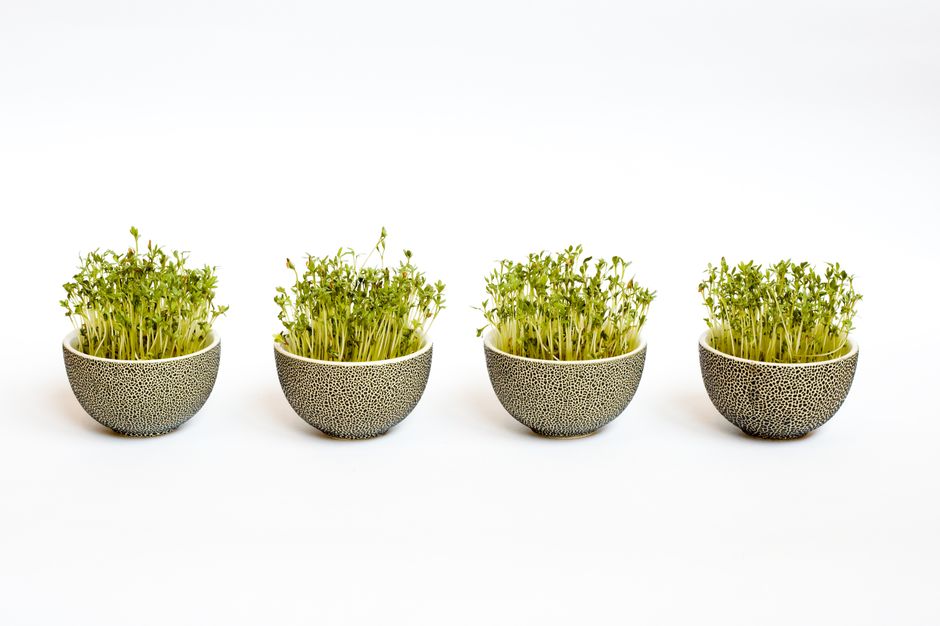
A week is enough to see something green—but not enough to guarantee a perfect little harvest.
A tiny tray on a kitchen counter can feel oddly high-stakes: seeds sprinkled on a mat, a plastic lid fogging up, and a packet promising edible greens in 7 days. The promise is not pure fantasy. Radish, broccoli, mustard, and some salad mixes can sprout fast, sometimes showing real leaves within a week.
The catch is that kits are not magic boxes. Warmth, moisture, seed freshness, airflow, and light all matter. A dim windowsill or soggy pad can slow things down or invite mold. For someone starting from zero, beginner-friendly microgreens kits can remove guesswork, but the 7-day result is better treated as a possible range, not a guarantee.
- Many kits show sprouts in 2–4 days; harvest size often depends on the seed variety.
- Fast-growing types may be ready sooner, while milder greens can need several extra days.
What does “work in a week” actually mean?
Does a kit “work” if seeds sprout quickly?
Sprouting is the first sign the kit is doing its job. Many seeds can show tiny roots or pale shoots within 2–4 days when moisture and temperature are steady, but that is not the same as a finished tray of microgreens.
Can microgreens be edible after seven days?
Some fast crops, such as radish, broccoli, mustard, or arugula, may be edible around day 7, especially in a warm, bright spot. At that stage, the greens may be small but still flavorful enough for a garnish or a small topping.
When is the harvest actually useful?
A more satisfying harvest often lands closer to 10–14 days. That extra time usually gives stems more height, leaves more color, and enough volume to feel worth cutting for sandwiches, bowls, or salads.
Why do photos on kit boxes look fuller?
Promotional photos often show dense, mature trays grown under good conditions. A home tray after one week can look patchier or shorter, particularly if the seeds were spread thinly, the room was cool, or the greens did not get enough light.
Which seeds actually grow fast enough?
Which microgreens are most likely to look ready in about a week?
Small, quick-germinating brassicas are usually the strongest candidates: broccoli, radish, kale, cabbage, and mustard often move fast in a warm tray. For a broader comparison, see these quick-growing microgreens, since timing still varies by variety and room conditions.
Are spicy greens faster than mild ones?
Often, yes. Radish and mustard can germinate quickly and put on visible height fast, which makes them satisfying in short kit trials. Their bold flavor is a bonus for some growers, though not everyone wants a peppery tray.
Why do peas and sunflower usually take longer?
Peas and sunflower are larger seeds with more stored energy, but they typically need soaking and a longer runway before harvest. They can be sturdy and rewarding, yet a seven-day deadline is often tight, especially in a cool kitchen.
Is cilantro a good choice for a one-week kit?
Cilantro is usually not the quickest pick. Its seed coat and slower germination make it better suited to patient growers who do not mind waiting beyond the first week for a usable crop.
Does choosing the fastest seed make the kit easier?
Not always. Tiny seeds can dry out quickly, and dense sowing can invite mold if airflow is poor. A slightly slower seed may feel more forgiving than a super-fast tray that needs closer attention.
Why do some kits reach harvest sooner than others?
-
A tray that manages water well
A useful tray makes it easy to wet the medium without leaving seeds sitting in a swamp. Shallow depth, a fitted cover for early humidity, and drainage ridges or holes can all make care more forgiving.
Look forEven moisture with a clear path for excess water to leave or spread out.AvoidDeep puddles, warped trays, or lids that trap wet air for too long. -
Fresh seed in a realistic amount
Kits often help by matching seed quantity to tray size. That matters because crowded seedlings compete quickly and hold moisture against each other.
Look forDated packets, fast-germinating varieties, and coverage that leaves tiny gaps.AvoidOld seed, mystery mixes, or a carpet so thick that air cannot move. -
A medium that stays damp, not soggy
Soil, coir, and mats can all work if they hold moisture evenly around the seed. The choice also affects cleanup; soil versus fiber mats can change how fast the tray rinses out.
Look forA medium that darkens when wet and feels evenly hydrated across the tray.AvoidDry corners, floating seeds, or compressed material that sheds water. -
Instructions that mention airflow
Clear directions usually explain when to remove a cover, when to add light, and how often to check moisture. That timing helps prevent pale, stretched, or mold-prone growth.
Look forSimple steps for soaking, sowing, uncovering, lighting, and watering.AvoidVague “just add water” directions with no cue for ventilation.
A kit can remove small decisions, but it cannot speed past germination. Seeds still respond to warmth, oxygen, moisture, light, and space. When a kit works well, it usually creates steadier conditions—not a different set of rules.
Is week-one weirdness normal?
Why are the microgreens tall, pale, and floppy?
That usually points to not enough usable light, or a blackout period that went a little long. Moving the tray into bright indirect light, lowering a grow light if one is used, or shortening blackout next time often improves the next batch.
Why did only part of the tray sprout?
Patchy germination often comes from uneven moisture, clumped seed, old seed, or seeds sitting too deep in the medium. A tray can still be usable if the healthy areas grow well, though bare spots usually will not fill in by harvest.
Is white fuzz on the roots mold?
Sometimes it is harmless root hairs, especially if the fuzz appears evenly around tiny roots and disappears after misting. Mold is more suspicious when it looks webby across the surface, smells musty, or spreads over leaves and seed hulls.
How much light is enough after sprouting?
Greens generally want steady brightness once they have pushed up and shed most hulls. A sunny window may work for some kits, while dim rooms raise the question of whether a grow light would improve the tray.
Should they be harvested exactly on day seven?
Day seven is a checkpoint, not a deadline. If the stems are still tiny, leaves are not open, or the tray looks wet and stressed, waiting a few more days may give a better cut.
A little uneven growth is normal; a sour smell, slimy patches, or fuzzy growth spreading across leaves is different. No home check can prove a tray is perfectly safe.
If a tray looks or smells unpleasant, many growers choose to compost it and start again with a cleaner tray, lighter watering, and better airflow. That feels disappointing, but it is often cheaper than trying to rescue a questionable batch.
So, do microgreens kits really work in a week?
Yes—sometimes, and usually in a modest way. With quick seeds such as broccoli, radish, mustard, or some brassicas, a kit can produce visible greens and even a small snip-worthy harvest around day seven if warmth, moisture, light, and airflow are all reasonably steady. That is a real result, not just marketing fluff.
Still, a one-week promise is better treated as an early-window estimate than a full-tray guarantee. Larger seeds, cool rooms, weak light, old seed, overwatering, or crowded sowing can easily push harvest closer to 10–14 days. A good mental checklist is simple: fast seed, fresh seed, even moisture, no soggy tray, bright light after germination, and enough air movement. For planning beyond the first cut, it also helps to understand how many harvests a tray may realistically provide.

My spicy salad mix was absolutely ready-ish at day 7, but my sunflower tray laughed in my face. Same kit, same windowsill, totally different timeline.
So yeah, the seed type section tracks. I think the packaging on some kits oversells the “harvest in a week” thing a bit though. It should say “harvest in a week if you picked the speedy little guys and your house isn’t a cave.”
100% this. Sunflowers are worth the wait, but they are not a 7-day miracle in my apartment. Mine usually look decent around day 10 or 11, and that’s with a cheap grow light.
That’s a fair criticism. “Works in a week” is often used loosely to mean visible growth or a small first cut, not necessarily a full, market-style tray. Sunflower, peas, and cilantro usually need more patience than brassicas, radish, mustard, or cress.
I’m curious about temperature ranges. You mention warmth, but is there a point where “warm” turns into sad swamp tray? My kitchen sits around 66°F most days, so maybe that’s why my broccoli microgreens take forever.
Great question. For many brassicas, roughly 68–75°F is a comfortable range, and they’ll usually still grow at 66°F, just more slowly. Above the high 70s, moisture management gets trickier and mold risk can go up, especially if airflow is poor. A simple fix is moving the tray to a slightly warmer spot after germination rather than adding a heat mat the whole time.
Do you have any thoughts on reusing the growing medium? I’m using one of those fiber mats that came with a kit, and it feels wasteful tossing it after a single tray.
I get that seed freshness and airflow matter, but I haven’t seen much about whether old mats increase mold risk or slow the next batch. I tried rinsing one and it got… unpleasant. Maybe user error lol.
I generally wouldn’t reuse fiber mats for microgreens, especially if the crop was dense or stayed wet. They can hold bits of root, seed hulls, and moisture, which makes the next tray more prone to odor or mold. Composting the spent mat is usually the better route if the material is compostable. Reusable trays are great, but the medium is best treated as single-use in most home setups.
Any reason my tray grows thick on one side and almost bald on the other? I rotated it once but it still came up patchy. Wondering if it’s light direction, uneven seed spread, or the tray not sitting level.
Patchiness is usually one of those three things: uneven seeding, uneven moisture, or a tray that isn’t level. Light direction matters more after germination, but bald spots often start earlier because one area dried out or seeds clumped elsewhere. Next round, try spreading seeds with a shaker motion, press them gently into the medium, and check whether water pools to one side.
I appreciate the realistic timing here. I bought a kit for my kids because the box made it sound like we’d have salad by next weekend, and by day 7 it was more like “adorable green stubble.”
Still fun, just not dinner. We waited until day 12 and it looked way better.
The “root hairs vs mold” thing is where I always panic. Mine look fuzzy around day 3 and I immediately assume I’ve created a tiny haunted forest.
One thing that helped me was misting less and bottom-watering more once the seeds had anchored. Also sniff test sounds weird but it’s actually useful — moldy trays smell funky, root hairs don’t really smell like anything.