
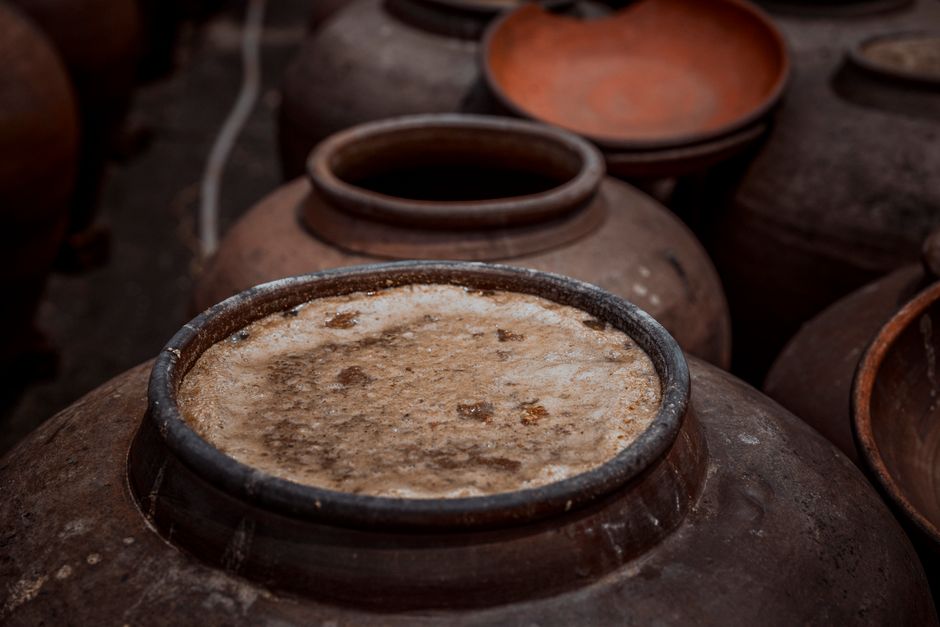
Low-fuss fermenting starts with choosing how much attention the crock needs.
A crock of cabbage can look peaceful on Monday and suspicious by Thursday: a little surface film, a stronger smell, a weight tilted just enough to expose a leaf. An open crock keeps things simple and easy to inspect, but it asks for more checking, skimming, and confidence around harmless-looking bubbles versus unwanted growth.
A water-seal crock adds a moat-like rim that can help keep air out while gases escape. It is quieter work for busy kitchens, though it takes more counter space and the water channel still needs an occasional glance. LESS FUSS usually means fewer daily decisions, not zero attention.
- 2.5L suits trial jars and small counters.
- 7L gives room for regular family batches.
- 3 gallons fits bigger seasonal ferments.


|
For quieter, lower-check ferments
7L European High-Fire Porcelain Fermentation Crock
|
VS |
For larger, more hands-on batches
Ohio Stoneware 3-Gallon Fermentation Crock Set
|
|---|---|---|
|
1.8 gal
|
Batch size |
3 gal
|
|
Usually lower
|
Day-to-day attention |
More checking
|
|
Less frequent opening
|
Access while fermenting |
Easy to inspect
|
|
Tall, contained
|
Space feel |
Bulkier footprint
|
|
Set-and-wait rhythm
|
Best fit |
Big seasonal prep
|
| View | View |
How the seal changes the routine
A water-seal crock has a rimmed channel, or moat, that holds water. The lid sits in that channel, so gas from fermentation can bubble out while outside air has a harder time drifting back in. A covered open crock is simpler: a lid, plate, or cloth keeps dust and flies away, but oxygen can still reach the surface more easily.
That difference shapes the chores. A water seal can reduce surface exposure and kitchen aroma, which suits small-batch sauerkraut or kimchi-style ferments in pieces like the 7L European High-Fire Porcelain Fermentation Crock or a 2.5L Glass Fermentation Jar with Water Seal Lid. The tradeoff is visibility: opaque crocks hide the brine line, and the moat needs occasional refilling.
Open crocks make monitoring more hands-on. The Ohio Stoneware 3-Gallon Fermentation Crock Set gives room for cabbage heads, cucumber loads, or bigger seasonal batches, and the wide mouth is easy to scrub and pack. It may need more skimming, closer weight checks, and a spot where fermentation smells are welcome.
For a broader view of home fermentation equipment choices, the key question is which task feels most annoying: managing air contact, checking progress, cleaning parts, storing bulky stoneware, or scaling up batch size.
Where the “low-fuss” part is real
A water-seal crock often feels calmer on the counter. The lid stays seated, bubbles escape through the moat, and there is less need to lift a cover just to see whether things are moving. That can be especially pleasant with cabbage, kimchi-style vegetables, or longer ferments that announce themselves.
The tradeoff is small but real: the water channel needs topping up, especially in warm kitchens. Vegetables still need to stay under brine, so weights matter as much here as in an open crock. Strong batches can also leave aroma in the lid groove, which means a more careful wash after use.
For tidy, lower-interruption batches, a porcelain model like the 7L European crock suits the style. A glass water-seal jar gives a cheaper way to try the routine before committing more shelf space.
A purpose-built porcelain crock for repeat batches
Premium durable porcelain for long-term fermenting
This 7L high-fired porcelain crock is the more polished route for someone who ferments often enough to want a dedicated vessel on the counter or pantry shelf. The water-seal lid and included weights make it feel like a complete setup rather than a repurposed container.
At roughly 1.8 gallons, it suits steady batches of sauerkraut, kimchi, and pickles without moving into huge-batch territory. Its appeal is comfort: a contained crock that looks finished, feels substantial, and is meant to stay in regular rotation.
- Water-seal design helps limit air exposure and escaping odors
- Included weights make setup simpler for repeat vegetable ferments
- Dense porcelain surface is non-porous and easy to wipe clean
- 7L size gives useful batch capacity without becoming oversized
- Costs more than many open crocks or jar-based setups
- Heavy ceramic body needs stable counter or shelf space
- Hand-wash only, so cleanup is less casual than dishwasher-safe gear
- Opaque walls mean less visual checking during active fermentation
Quick take A comfortable, dedicated crock for people who like the rhythm of regular fermenting and prefer a tidier sealed vessel over constant visual access.
This crock makes the strongest case when fermentation is becoming a routine rather than an experiment. The water-seal layout can keep the process calmer and more contained, while the porcelain build gives it a more permanent, kitchen-ready feel.
The tradeoff is real: it asks for more money, more lifting, and more storage space than simpler open vessels. It also hides the batch from view, so progress checks rely more on timing, smell, and occasional opening.
Traditional open crock for seasonal batches
Classic large-capacity crock with included weight stones
The Ohio Stoneware 3-Gallon Fermentation Crock Set is the roomy, old-school choice for cabbage season, cucumber runs, and other ferments that start with a lot of chopped produce. Its wide access makes packing, pressing, skimming, and checking the brine straightforward, which is a big part of the appeal for hands-on fermenters.
At around three gallons, it suits someone who wants one substantial batch rather than several jars. The included stone weights help keep food submerged, and the glazed stoneware has the familiar farmhouse feel many people expect from a preserving crock.
- Large 3-gallon capacity suits sauerkraut, pickles, and harvest-time ferments
- Wide opening makes loading vegetables and adjusting weights easy
- Included stone weights reduce the need to improvise a press
- Glazed stoneware is simple to rinse once the batch is done
- Open-style fermenting needs more surface checks than a water-seal crock
- Aromas can spread through the kitchen, especially with cabbage ferments
- Any exposed brine surface may need skimming or wiping
- Heavy and bulky when full, with awkward storage between batches
For larger ferments, this Ohio Stoneware crock is a practical, traditional option with enough room for serious sauerkraut or pickle projects. Its main charm is access: the batch can be pressed, inspected, and adjusted without working through a narrow jar mouth.
The tradeoff is involvement. Surface management, kitchen aroma, and the physical bulk are all part of the deal, so it fits best where fermentation is an active seasonal routine.
A budget glass water-seal tester

Affordable, compact jar for beginner fermenters
This 2.5L glass fermentation jar is a small, inexpensive way to try a moat-style lid before moving to a heavier ceramic crock. It suits a curious fermenter working in a compact kitchen, especially when comparing crocks with mason jars for everyday pickles, kraut, or kimchi.
- Clear glass makes brine level, bubbles, and color changes easy to watch.
- At about 1.24 kg empty, it is easier to lift, rinse, and move than stoneware.
- The compact 2.5L size is practical for small counters and fridge storage.
- The water-seal lid gives a taste of low-fuss fermenting at a modest price.
- Capacity is limited for cabbage-heavy batches or household-scale preserving.
- Glass needs gentler handling than ceramic and may not suit busy, crowded sinks.
- No included weights are listed, so separate weights may be needed.
- Not listed as dishwasher safe.
For around $25, this glass jar makes water-seal fermenting feel approachable. The visibility and lighter handling are genuinely helpful, while the small capacity and glass construction keep expectations grounded.
It is a sensible pick for occasional small batches, not a replacement for a sturdy ceramic crock in regular rotation.
Small details that decide how pleasant a crock feels
-
Capacity and filled weight
A 7L or 3-gallon crock can become awkward once packed with vegetables, brine, and weights. The smaller 2.5L glass jar is easier to move, but it limits batch size.
Look forA size that can be lifted safely when full and stored between batchesAvoidBuying by volume alone without picturing the full, wet weight -
Weights and lid fit
Included weights save a separate purchase and are usually shaped to fit the vessel. Water-seal lids should sit evenly in the moat; open crock covers should leave room for checks without crowding the surface.
Look forMatching weights and a lid that rests cleanly without wobbleAvoidLoose parts that leave vegetables floating or make the seal fussy -
Washing and footprint
Wide open crocks are simpler to scrub, while water-seal moats need a little extra attention. Tall crocks also claim more cabinet or counter space than their diameter suggests.
Look forA shape that fits the sink, drying rack, and storage shelfAvoidDeep, heavy pieces that are hard to rinse or air-dry -
Material confidence
For ceramic crocks, food-safe glaze information matters, especially with acidic brines. Glass is easy to inspect, though it needs gentler handling.
Look forClear food-safe or lead-free statements from the maker or sellerAvoidUnlabeled vintage-style pottery with unknown glaze details
Is a bigger crock easier for beginners?
Not always. Larger crocks are forgiving for cabbage volume, but they are heavier, harder to wash, and less convenient for small test batches.
Do fermentation weights matter?
Yes, they make the routine calmer. A good-fitting weight keeps solids under brine and reduces the need to rearrange floating pieces.
Can a water-seal crock be left alone completely?
It can reduce daily fuss, but the moat still needs water and the brine level still deserves occasional checks. Low-fuss does not mean no-care.
What if a crock smells sour after washing?
A mild sour smell can linger after active ferments. Careful rinsing, full drying, and attention to rims, lids, and moats usually help.
Pick the fuss that feels easiest
For a quieter counter routine, a water-seal setup is often the gentler fit. The 7L European porcelain crock suits repeat batches with a more traditional feel, while the 2.5L glass water-seal jar keeps the first step smaller, cheaper, and easier to watch.
An open crock still earns its place when the goal is a generous seasonal batch and regular attention is part of the rhythm. The Ohio Stoneware 3-gallon set makes sense for that style: roomy, accessible, and straightforward, as long as surface checks do not feel like a chore.

The Ohio Stoneware 3-gallon crock is still my pick for fall cabbage season. It’s not cute on the counter and it definitely announces itself to the kitchen, but being able to reach in and adjust weights or skim the surface is worth it for big batches.
I tried a water-seal once and loved the odor control, but I missed seeing what was happening without lifting everything apart. Maybe I’m just nosy 😅
Same here. Open crock for big seasonal stuff, water seal for “I want fermented carrots but don’t want to think about them.” The access matters more than people realize when you’re packing a ton of veg in there.
I’m leaning toward the 7L porcelain water-seal crock, mostly because I’m tired of babysitting jars and wiping brine off the counter. The price is the only thing making me pause.
For anyone doing kraut every month or two, did the bigger porcelain crock actually feel “low fuss,” or is the moat just a different chore?
That’s a fair way to frame it: the moat is a different chore, but usually a smaller and less messy one. For repeat kraut batches, the 7L porcelain crock tends to feel easier because you’re not checking a cloth cover or skim situation as often.
You still need to keep the moat filled, confirm the cabbage stays under brine, and clean the rim/lid after stronger ferments. If you only ferment occasionally, the cost and storage space may feel harder to justify.
I’m a little skeptical of calling water-seal crocks low-fuss. Mine reduced the smell, sure, but I still had to check the moat more often than expected because our kitchen is dry in winter.
Also cleaning the channel after a spicy kimchi batch was… not my favorite afternoon.
That said, it was still less drama than an open crock for small batches. Just not totally set-it-and-forget-it.
Completely agree. “Low-fuss” doesn’t mean no maintenance; it mostly means fewer exposure-related checks and less surface mess. Dry kitchens can evaporate the moat faster, and strong ferments can leave the lid/channel needing a real scrub.
For people who dislike frequent surface attention, water seals help. For people who dislike cleaning crevices, an open crock may feel simpler.
The moat drying out surprised me too. I started keeping a tiny measuring cup next to it and topping it off when I made coffee. Very fancy system, obviously.
The open-cover airflow section helped explain why my old towel-covered crock always felt more “active” than my friend’s sealed one. I thought I was doing something wrong, but it sounds like it’s just the tradeoff: more access, more attention.
For me the Ohio Stoneware size is overkill unless I’m splitting batches with family, but I can see why serious seasonal fermenters like it.
I appreciated the point about washing fit because nobody talks about that until you’re standing at the sink with a heavy crock and regret in your soul. 😂
My kitchen has tiny cabinets, so the “best” crock is probably the one I can actually store without rearranging my entire life.
Has anyone used the 2.5L glass water-seal jar as a starter setup? I like the visibility part and the fact that it can go in the fridge, but 2.5L sounds like it could be annoyingly small once you add weights and headspace.
Which one did you end up choosing if you were between that and the porcelain 7L?
The 2.5L glass jar is a good tester if you’re making small batches or want to watch the ferment without opening it. It’s especially nice for pickles, carrots, or a small kraut batch.
But yes, usable capacity feels smaller once you leave headspace and add weights. If you already know you’ll repeat batches regularly, the 7L crock is more comfortable; if you’re still experimenting, the glass jar is the lower-risk starting point.