
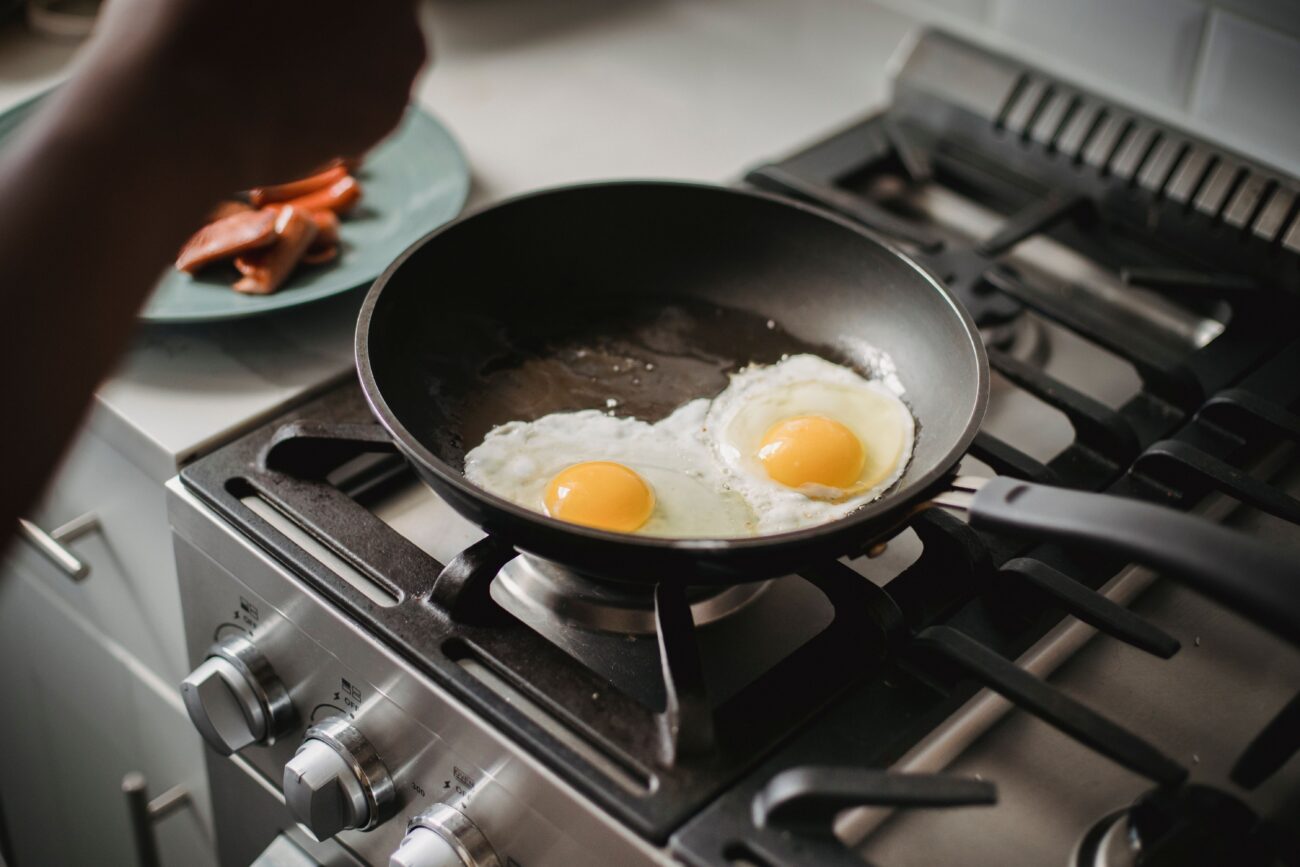
Best Pan Materials for Cooking Eggs
The best pan material for eggs depends on whether you prioritize effortless release, all-purpose versatility, or lifetime durability.
Nonstick, stainless steel, and cast iron can each make excellent fried eggs, scrambled eggs, and omelets. The difference is how much technique, fat, maintenance, and temperature control each material demands. For most people who cook eggs frequently, a small nonstick skillet is the easiest choice. Stainless steel is more versatile but less forgiving, while seasoned cast iron offers outstanding durability and crisp edges when handled carefully.
- Choose nonstick for the easiest release and cleanup.
- Choose stainless steel for versatility and a coating-free cooking surface.
- Choose cast iron for heat retention, durability, and crisp-edged fried eggs.


Nonstick vs stainless steel vs cast iron for eggs
|
Best overall
Tramontina Nonstick
|
Best multipurpose
Cuisinart Stainless
|
Best durability
Lodge Cast Iron
|
|
|---|---|---|---|
|
|
|
|
|
| Egg release | Excellent | Technique-dependent | Good when seasoned |
| Heat response | Fast | Fast to moderate | Slow |
| Cleanup | Very easy | Moderate | Needs drying |
| Durability | 2 | 3 | 3 |
| Current price | $28.99 | $17.99 | $17.90 |
| View product | View product | View product |
Nonstick: the easiest material for cooking eggs
Tramontina Professional 8-Inch Nonstick Frying Pan
01
A practical size and forgiving surface for one- or two-egg portions.
For cooks who mainly want eggs to release cleanly, coated aluminum remains the most forgiving material. The Tramontina heats quickly, so it works well at low to medium temperatures and responds faster than cast iron when the burner is adjusted. Its compact 8-inch cooking surface is well suited to a couple of fried eggs or a small omelet. The tradeoff is lifespan: every conventional nonstick coating eventually loses performance, especially when exposed to high heat, abrasive cleaning, or metal utensils.
- Excellent release for delicate eggs
- Needs little butter or oil
- Responds quickly to temperature changes
- Usually the fastest material to clean
- The coating has a finite lifespan
- High heat can shorten coating life
- Metal utensils may scratch the surface
- Not ideal for hard searing or broiling
Stainless steel: versatile, durable, and less forgiving
Cuisinart 8-Inch Stainless Steel Open Skillet
A small stainless skillet for cooks willing to learn the preheat-and-fat method.
Stainless steel is a stronger all-purpose choice than nonstick because it tolerates higher heat, metal utensils, and repeated use without a coating to wear away. For eggs, however, timing is crucial. Preheat the skillet over medium-low heat, add butter or oil, let the fat spread, and then add the eggs. If the pan is too cool, the eggs can bond to the steel; if it is too hot, the proteins may seize and brown before the centers cook. This Cuisinart skillet uses an aluminum-encapsulated base to distribute heat more evenly than a thin single-layer steel pan.
- No nonstick coating to replace
- Excellent durability and utensil tolerance
- Useful for sauces, vegetables, and browning
- Often dishwasher-safe and induction-compatible
- Eggs can stick without correct technique
- Usually requires more fat than nonstick
- Temperature and timing are less forgiving
- Cleanup can involve soaking or deglazing
Cast iron: durable with excellent heat retention
Lodge 8-Inch Cast Iron Skillet
A compact pre-seasoned skillet that can last for generations.
Cast iron is often mistaken for a high-heat-only material. Eggs actually cook better in it over low to medium-low heat because the pan stores so much energy. Warm it gradually, add enough butter or oil, and wait until the egg naturally releases before moving it. A well-maintained seasoning layer becomes increasingly slick, although it will not feel identical to a modern nonstick coating. The Lodge is heavy for its size, but that mass creates stable heat and can produce crisp, lacy edges on fried eggs.
- Can last for decades with basic care
- Excellent heat retention and even cooking
- Seasoning improves with regular use
- Creates crisp edges on fried eggs
- Heavy and slow to change temperature
- Needs drying and occasional seasoning
- A rough or damaged surface may grab eggs
- Overheating is easy because heat lingers
How to choose the best pan material for eggs
-
Release performance
Egg whites and omelets are delicate, so the cooking surface should release food before it tears or overcooks.
Look forA sound nonstick coating, smooth seasoning, or a pan that preheats evenly.AvoidDamaged coatings, sticky seasoning, or warped cooking surfaces. -
Heat responsiveness
Eggs cook quickly and benefit from a pan that does not overshoot the target temperature.
Look forAluminum construction or a conductive core for quick, even heating.AvoidUsing a heavy pan over high heat and expecting it to cool immediately. -
Size and shape
An 8-inch skillet is convenient for one to three eggs, while a 10-inch pan gives omelets more room.
Look forLow, gently sloped sides and enough flat cooking area for your usual portion.AvoidAn oversized pan that spreads a small egg portion too thin. -
Maintenance
The easiest pan is the one whose care routine fits your habits.
Look forNonstick for minimal cleanup, stainless for low-fuss durability, or cast iron if you will dry and season it.AvoidA material whose maintenance requirements you are unlikely to follow. -
Expected lifespan
Initial convenience and long-term value do not always point to the same material.
Look forReplaceable nonstick for convenience or uncoated metal for long service life.AvoidAssuming a coated pan will perform like new indefinitely.
Current Cookware Deals
These limited-time offers may help reduce the cost of a new nonstick, stainless-steel, or cast-iron cookware set. Check the retailer’s terms and expiration date before purchasing.


Egg Cooking in Action
These images show common egg-cooking setups, pan surfaces, and heat-control techniques discussed in this guide.
For all three materials, low to medium-low heat gives eggs time to set without welding to the surface. Preheat gently, add butter or oil, and wait for the egg to release naturally before sliding a spatula underneath.
Fresh Eggs to Put These Pans to Work
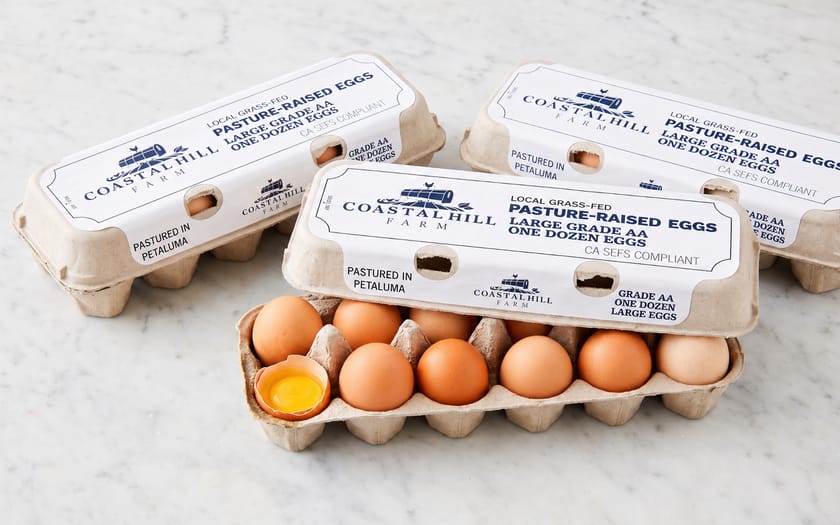
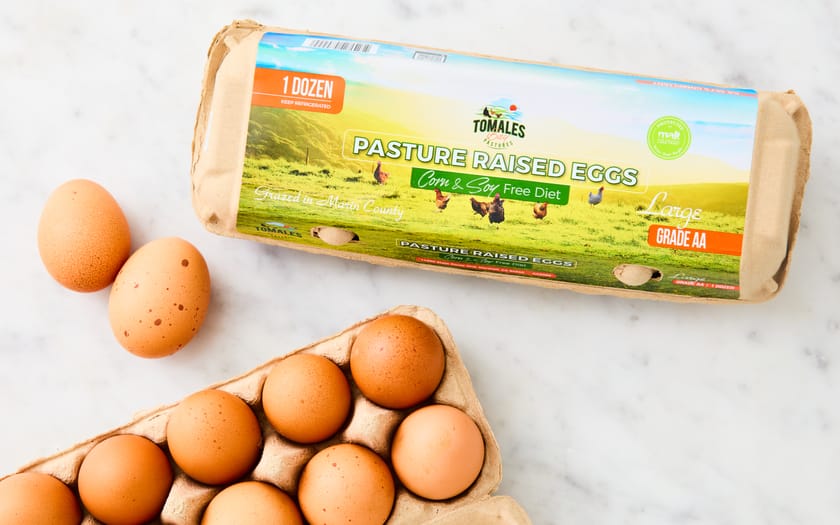
Pasture-raised options from Good Eggs
A good pan matters, but fresh, high-quality eggs make the final dish even better. These pasture-raised selections include single-dozen and multi-pack options for everyday breakfasts, meal prep, or feeding a larger household. Availability and delivery areas may vary by location.

Video Guides: Cooking Eggs Without Sticking
These demonstrations cover stainless-steel preheating and cast-iron egg technique.
Common questions about pan materials for eggs
What is the best pan material for cooking eggs?
For most people, nonstick is the best material because it offers the easiest release, requires less fat, and is simple to clean. Stainless steel and cast iron can also cook excellent eggs, but they demand more careful preheating and temperature control.
Can you cook eggs in a stainless-steel pan without sticking?
Yes. Preheat the pan over medium-low heat, add enough butter or oil to coat the surface, and add the eggs only after the fat is warm. Avoid moving the eggs too soon; they often release more easily once the proteins have set.
Is cast iron good for frying eggs?
A well-seasoned cast-iron skillet is very good for fried eggs, especially when you want crisp edges. Warm the pan gradually, use low to medium-low heat, add fat, and wait for the egg to release naturally before flipping or serving.
Are ceramic nonstick pans good for eggs?
Ceramic-coated pans can release eggs well when new and are a useful alternative to conventional nonstick cookware. Their slickness may decline with repeated high-heat use, so gentle heat and nonabrasive cleaning are important.
What pan size is best for eggs?
An 8-inch skillet is convenient for one to three eggs or a small omelet. A 10-inch skillet is better for larger omelets, several fried eggs, or cooking for two people.
When should a nonstick egg pan be replaced?
Replace it when the coating is peeling, deeply scratched, warped, or no longer releases food even with proper heat and a small amount of fat. Protecting it from high heat and metal utensils can extend its useful life.
Which pan material is best for eggs?
- Nonstick is the easiest and most reliable choice for everyday egg cooking.
- Stainless steel is the best choice when one durable pan must handle many different foods.
- Cast iron offers the strongest long-term value and excellent fried eggs, provided you accept its weight and maintenance.
For most households, a small nonstick frying pan is the practical winner because it offers the cleanest release, needs less fat, and is easy to wash. The Tramontina Professional 8-Inch Nonstick Pan is therefore our best overall pick. Choose the Cuisinart stainless skillet when versatility and an uncoated surface matter more than convenience. Choose the Lodge cast-iron skillet when durability, heat retention, and crisp-edged eggs are the priority.
