
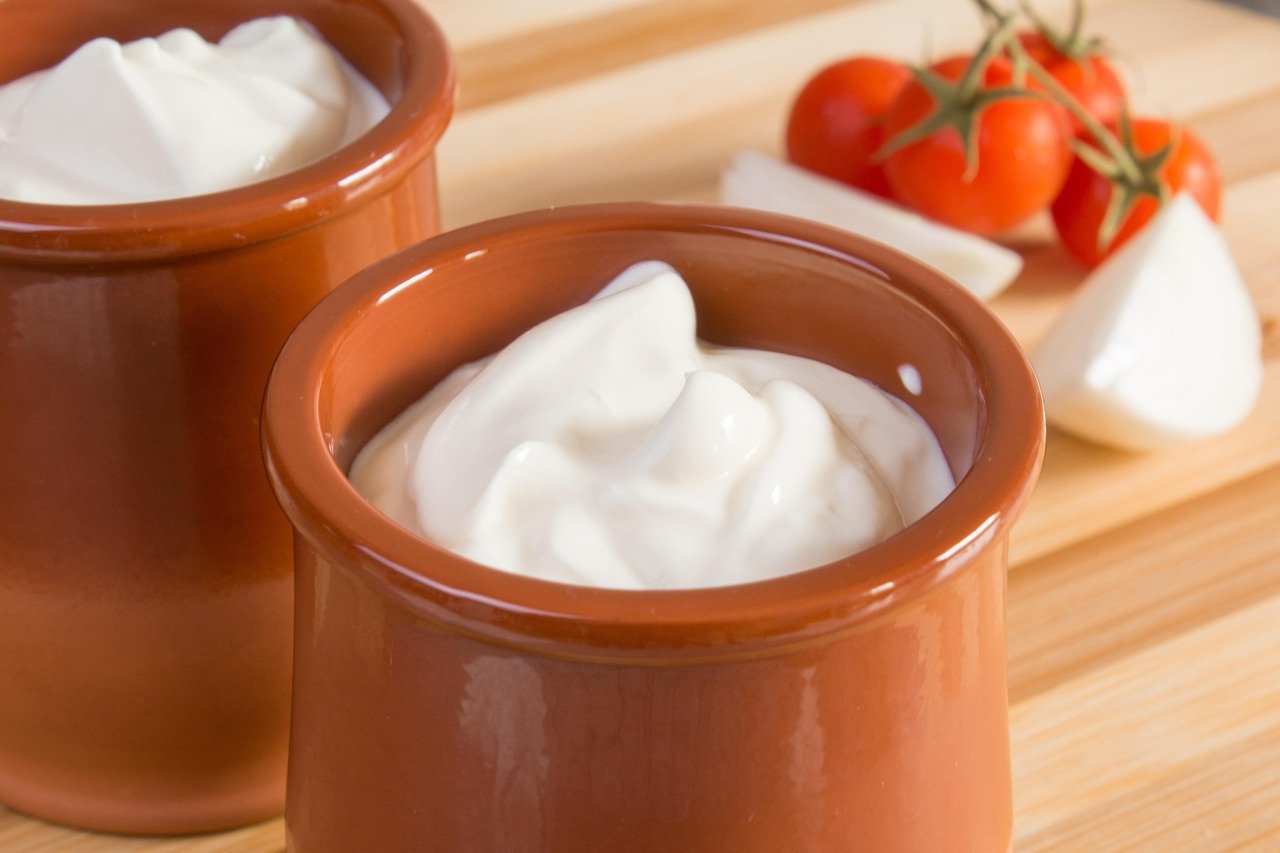
Close cousins on the shelf, but not always interchangeable in the pan.
You’re halfway through a sauce or cake batter, grab the dairy from the fridge, and realize it’s almost right: sour cream instead of crème fraîche, or the other way around. That little panic makes sense. The risk isn’t drama for drama’s sake—it’s a sauce that splits, a topping that tastes sharper than expected, or a texture that turns heavier than I wanted.
In my kitchen, the swap usually works when I match the dairy to the job. Sour cream can be great in cool dips, toppings, and many bakes. Crème fraîche tends to be richer, gentler in tang, and a bit less fussy around heat. So I don’t treat this as ingredient purism; I think about what the dish needs most: tang, richness, or stability.
- Vermont Creamery: rich, versatile top pick
- Daisy: easy everyday value option
- Isigny Ste Mere: extra-lush imported pick
Which tub works where


|
Tangier pick
Daisy Original Sour Cream, 16 Ounce Tub
|
VS |
Heat-friendlier
Vermont Creamery Classic Crème Fraîche, 8 oz
|
|---|---|---|
|
Ideal
|
Cold dips |
Works well
|
|
Use gently
|
Hot sauces |
Usually easier
|
|
Usually fine
|
Cheesecake |
Usually fine
|
|
Brighter tang
|
Final dollop |
Milder richness
|
|
Higher hot
|
Curdling risk |
Lower hot
|
| View | View |
What changes the swap
- Fat
Crème fraîche usually has more butterfat, so it tastes richer and feels silkier.
- Acidity
Sour cream is typically tangier. That brightness can wake up dips and toppings, but it can also read sharper in delicate sauces.
- Culture
Both are cultured dairy, but crème fraîche is often less aggressively sour, which is part of why it tastes rounder.
- Heat margin
More fat and lower acidity generally make crème fraîche steadier over heat. Sour cream can work too, but it has less room for error before turning grainy.
For me, this swap is less about prestige and more about behavior in the pan or bowl. If I want extra tang on a taco or baked potato, sour cream often fits naturally. If I’m finishing a soup or pan sauce, crème fraîche gives me a little more insurance.
If you want the bigger picture, this guide to cultured cream ferments connects the fat, acid, and culture pieces nicely.
Reliable heat-friendly crème fraîche
Rich, cultured crème fraîche for finishing dishes
If I want crème fraîche without hunting down a specialty tub, this is the one I think of first. Vermont Creamery brings thick, cultured richness that fits pan sauces, creamy soups, and bakes where a smooth, stable finish matters more than extra tang.
- Handles heat well
- Rich, thick texture
- Easy to find online
- Milder tang
- Pricey 8-ounce tub
- Less suited to sharp dips
Vermont Creamery makes the swap pretty straightforward: when a hot dish needs body, gloss, and a gentler cultured note, it usually makes more sense than sour cream. I still like sour cream for brighter tang, but this is the steadier choice for sauces, soups, and baking.
Familiar budget baseline: Daisy Sour Cream
Most-reviewed budget-friendly sour cream
If I’m comparing swaps against what many people already have in the fridge, Daisy is a very practical reference point. It’s affordable, easy to find, and nicely tangy, so it fits cooks who want one tub for tacos, baked potatoes, dips, and everyday baking.
- Low everyday cost
- Easy to find
- Classic tangy flavor
- Versatile in cold dishes
- Usually fine in baking
- Can split over high heat
- Less rich than crème fraîche
- Tang can stand out
- Not ideal for hard simmering
Daisy earns its place by being inexpensive, widely available, and easy to work into regular meals. When I want that classic tang on top of food or folded into a dip, it makes complete sense.
For hotter applications, though, I’d be a little more careful. It can work in baking or when stirred in gently, but crème fraîche is usually the steadier pick for aggressive heat.
Imported crème fraîche for finishing touches

Imported French crème fraîche, artisanal quality
Isigny Ste Mere feels like the tub I reach for when I actually want the cultured dairy flavor to stand out, not just fade into a recipe. This imported French option suits small, simple uses—spooned over fruit, tucked onto smoked salmon, or finished on warm potatoes—where its richer character gets room to show up.
- Full, cultured-butter flavor that stays noticeable in simple dishes
- Thick, plush texture for dollops and finishing
- Nicely suited to fruit, pastries, and other lightly sweet uses
- Price makes it harder to justify for everyday cooking
- Small tub disappears quickly in larger recipes
- Its nuance can get buried in bold, heavily seasoned dishes
This is the richer, more noticeable pick when you want crème fraîche to bring its own personality to the plate. I’d save it for finishing, dolloping, and easy desserts where that gentle cultured depth feels worth the extra spend, rather than using it as my everyday cooking tub.
My easy swap checklist
-
Start with temperature
If the dish stays cold, either one can work nicely. That’s where flavor usually matters more than heat tolerance.
-
Decide how much tang you want
For a sharper, more familiar zip, I lean sour cream. For a milder, richer finish, I usually reach for crème fraîche.
-
Ask whether it must stay silky under heat
If it’s going into a hot pan, sauce, or soup, crème fraîche is typically the safer bet. It tends to stay smoother when the heat climbs.
-
Treat baking as the flexible middle ground
In many cakes, quick breads, and cheesecakes, the swap is often forgiving. You may notice a small shift in tang or richness, but not always a dramatic one.
-
Use the simple default
For toppings, dips, and many bakes, I’d call the choice fairly flexible. For hot sauces, crème fraîche usually makes life easier; for dishes built around tang, sour cream often feels more right.
- Cold use: choose by tang.
- Hot use: choose by stability.
- Baking often lands in between.
My at-home rule is simple: cold dishes let flavor lead, hot dishes make texture matter more. If I want a brighter tang, sour cream usually fits; if I need a smoother, richer finish under heat, crème fraîche usually feels like the easier swap.
That means plenty of toppings, dips, and baked goods can go either way without much drama. But when a sauce needs to stay silky, crème fraîche often has the edge, while tang-driven dishes usually make better use of sour cream.

The imported Isigny Ste Mere sounds lovely, but I’m side-eyeing the price a bit. For finishing scrambled eggs, spooning onto fruit, or using in a dessert, I can see the case for it.
But for everyday chili topping? absolutely not lol. I feel like Daisy is still the practical baseline unless you specifically need the heat stability or want that richer cultured flavor.