
Sometimes the smell makes the call before your eyes do.
Yesterday, the tray looked normal. Today, I lift the cover and get that wait, what is that? smell—and suddenly it stops feeling like a small growing hiccup. I’m not just looking at greens anymore; I’m weighing time, seed, and trust in my own judgment.
That’s the hard part for me. Microgreens can look mostly fine while the odor says something is off, and I never want to toss a tray too soon or keep one a day too long. When a tray turns from fresh and earthy to sour, swampy, or oddly rotten, it usually means I need to decide fast: rescue, or discard.
I match the smell with what I can see
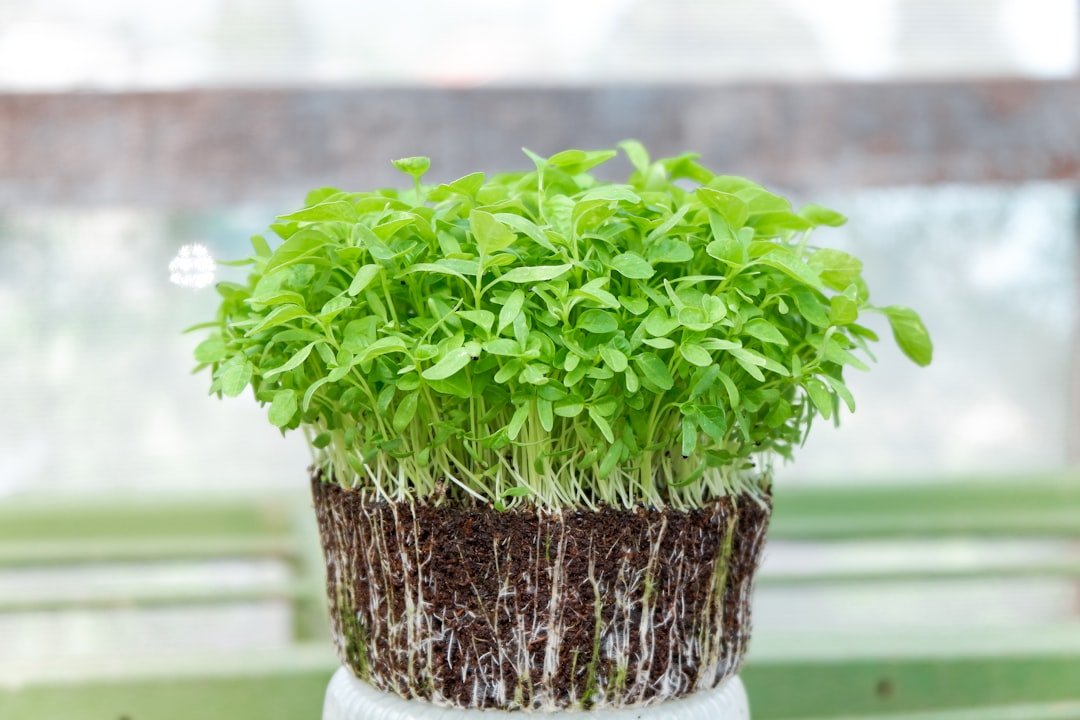
- Fresh + upright If it smells fresh, grassy, or a little earthy and the stems are upright, roots are white, and I only see fine white fuzz near roots, that often points to normal growth rather than spoilage.
- Sour + slime A sour or fermented smell, especially with a wet tray surface, cloudy moisture, or slimy roots, usually signals bacterial trouble more than simple overwatering.
- Musty + fuzz A musty, basement-like smell paired with gray webbing, fuzzy patches on stems, or a spotty collapse in one area makes me think mold is getting established.
- Rotten + collapse A rotten, sulfur, or trash-like odor along with mushy stems, blackened seeds, or widespread collapse is the combo that most often tells me the tray is past saving.
I try not to judge by smell alone. The quicker shortcut is odor plus visible clues—that pairing is much more reliable than scent by itself.
What a swampy smell usually points to
When I get a sour, swampy smell, I usually read it as stagnant moisture rather than a mystery problem. The common pattern is simple: the mat stayed too wet, airflow was weak, or runoff sat under the canopy long enough to turn stale.
A tray can sometimes recover if the greens still look upright and the issue seems early. In that case, I drain any standing water, improve airflow, and let the surface dry a bit—similar to how I handle an overwatered tray without making it worse.
I get much more cautious when the plant tissue itself turns slick. These signs usually mean I stop:
- stems or roots feel slimy
- patches look water-soaked or collapsed
- the smell stays strong after draining
If it is only a wet tray, the odor may fade within a day. If the plants are breaking down, I usually do not try to push them to harvest.
A bad smell alone does not always mean the tray is finished. But once the stems feel mushy or slippery, I usually treat that as the point where saving it is unlikely to be worth it.
When the tray smells like it’s decomposing
A rotten, fermented, or compost-bin smell usually tells me the problem is bigger than one soggy corner. At that point, the tray environment itself has shifted: too little airflow, too much trapped moisture, and plant matter starting to break down faster than it can recover.
What I look for is whether the tray feels merely stale or actively decaying.
- Stale setup: old water smell, matted roots, heavy humidity, but stems are still upright and tissue is firm
- Active decay: sweet-rotten or garbage-like odor, soft stems, mushy patches, collapsing greens, or brown slime
A stale tray can sometimes teach me more than it feeds me. I’ll usually treat it as a cleanup issue for the next round: wash the tray well, lighten watering, and give the crop more air.
An actively decaying tray feels like a poor gamble in my experience. Once the smell has that fermented-breakdown note and the greens are soft or collapsing, I stop thinking about rescue and start thinking about disposal and sanitation.
If it smells like sulfur
When I stop trying to save the tray
A sulfur or rotten-egg smell puts me on high alert fast. In my experience, that odor usually is not a small top-layer issue. It tends to mean something has gone anaerobic deeper down, around the packed roots and soaked growing mat.
When I lift the tray or press near the base, I look for signs that match the smell:
- blackening at the root zone
- mushy stems near the bottom
- a slick or greasy feel
- trapped water that is not draining well
- roots sticking together instead of looking fine and pale
That combination is one of the clearest toss signals I know. A tray can sometimes look only slightly off from above while the real breakdown is happening underneath. Once that deep, low-oxygen rot smell is there, recovery usually looks unlikely in a small home setup.
If the top still looks fairly green but the base smells like sulfur, I treat the root zone as the deciding clue. Hidden wet collapse underneath matters more than a decent-looking surface.
White fuzz isn’t always mold
Some white fuzz is just root hairs, not mold.
My trays have fooled me here: root hairs hug the root, form a pretty even halo, and often shrink after watering. If I’m unsure, I compare mold with normal root fuzz.
When the visual is borderline, smell is usually the tie-breaker.
When my eyes can’t call it, I trust my nose. Clean or barely-there smell leans normal; musty, sour, or swampy odor makes me more suspicious.
Location helps, but spread and texture matter too.
Root hairs stay on roots. Mold is more likely to wander across the mat, connect stems, or look patchy and cottony instead of evenly attached.
A simple toss rule
I use a simple rule here: if the tray smells musty and the white growth is spreading across the surface, knitting seeds together, or climbing stems, I stop thinking root hairs and start thinking loss. The bigger clue is structure. When stems are pinched, watery, or falling over where the fuzz sits, the tray usually is not sound enough to trust, even if a few patches still look green.
If the fuzz stays at the roots, smells clean, and the stand is upright, I usually watch rather than treat. If you are weighing milder cleanup options before harvest, they make more sense only while the tray still feels firm, the surface is not matted, and the growth is not turning into a damp sheet.
My quick tray check before I decide
-
Pause and smell first
I open the cover, fan a little fresh air across the tray, and smell again. One brief stale whiff can fade; a sour, rotten, or sulfur note that stays put matters more.
-
Touch the crop, not just the roots
I look for firmness in the stems and leaves. If the mat feels crisp and upright, I keep watching; if it feels slick, mushy, or starts collapsing in patches, the decision changes fast.
-
Check whether the problem is local or tray-wide
A small wet corner with otherwise healthy growth can sometimes be isolated. If the smell and breakdown show up across the tray, I treat it as a broader spoilage issue.
-
Choose the outcome
Neutral smell and firm tissue: keep watching. Mild odor with one small soggy area: I may trim that spot, improve airflow, and reassess soon. Persistent bad odor plus slime, soft stems, or melting tissue: I toss.
-
Remember what the toss means
For me, throwing out that tray is about quality and reducing risk, not being picky. Once the crop smells wrong and the plant tissue is breaking down, recovery is unlikely to be worth it.
How I keep the next tray fresher
For the next sowing, I usually change the setup more than the seed. A tray that stayed too wet or too crowded is much more likely to go sour.
- Water lighter and keep the medium damp, not swampy.
- Use trays with good drainage, and empty runoff so roots do not sit in it.
- Give seedlings more airflow with a little space and a fan nearby.
- Start with clean trays and weights, and sow a bit thinner.
I also check earlier each day, because odor is easier to catch before collapse starts. One bad tray is part of the learning curve; if smell showed up with other problems too, troubleshooting failed microgreens trays can help widen the picture.
When I trust the smell
I treat smell as the tie-breaker because it tells me what’s happening where I can’t fully see: down in the mat, around the stems, and at the roots. A tray can look decent up top and still be sliding into trouble underneath.
That makes future calls simpler. Neutral smell and firm growth? I keep watching. Off smell with only a small wet patch? I might try a limited rescue. Sour, musty, rotten, or sulfur notes with slime, collapse, or slick roots? I stop second-guessing and toss.

My biggest fix was sowing thinner. I kept blaming mold, but really I was making a tiny swamp every single time 🤦♂️
Less seed + lighter watering + checking earlier in the day pretty much solved the sour smell problem for me.
The sulfur smell section was the one I needed. I had a tray in a solid-bottom tray with basically nowhere for extra water to go, and it started smelling like rotten eggs by day 4.
Roots were dark, lower stems were mushy, and the whole thing felt warmer and wetter than my other trays. I tried to “save” it because the top still had some green, but by the next morning it had collapsed into gross soup. Lesson learned: trapped water is not a small issue.
Rotten-egg odor plus dark, mushy roots is about as strong a toss signal as you can get. At that stage the tray is usually dealing with anaerobic breakdown, so rescuing rarely works.
For the next round, I’d focus on drainage first: holes that actually clear, less water per cycle, and airflow under and around the tray. If you bottom-water, let it drink briefly and then remove any standing water instead of letting it sit.
Yep, same exact thing happened to me when I stacked trays too long and then overwatered after uncovering. The smell was unforgettable… in the worst way.
I’m glad you said stale humidity and actual rot aren’t the same thing. A lot of guides make it sound like any weird smell means instant trash, but sometimes my trays just smell stuffy if the room has bad airflow for a day.
If the stems are upright and the roots still look clean, I usually crack a fan on low and back off watering before I make the call. That has saved a few trays for me.
The “watch, limited rescue, or discard” framework is helpful, although I still think the line can be fuzzy in real life. I had one broccoli tray that smelled a little musty but not horrible, and only one corner was collapsing.
I cut back that section, improved airflow, and stopped watering so heavily. The rest of the tray was edible, but honestly the yield was bad enough that I’m not sure the rescue was worth the hassle.
So I guess your toss rule makes sense from a time-sanity perspective too, not just food safety.