
The extra purchase only helps if it fixes your real worry.
You salt the cabbage, then hit two opposite recipe notes: add a starter and “don’t bother.” I’ve had that pause too, because a first jar can feel oddly high-stakes.
The useful question usually isn’t “Do I need one?” It’s what problem am I trying to solve—confidence, repeatability, or trouble keeping cabbage under brine. A starter can help with consistency. But if the real snag is air exposure or setup nerves, a simple jar kit may do more than another packet to buy.
- Cultures aim at consistency; kits mainly help with brine and airflow.
I’d skip the starter unless you’re solving a specific problem


In my experience, plain cabbage already carries the microbes needed for sauerkraut, so a starter is usually optional.
What causes more trouble is exposure above the brine. Keeping the shreds submerged and letting gas escape cleanly often does more for a calm, successful batch than adding extra culture.
A starter can still make sense if you want a little more batch-to-batch consistency.
The short answer
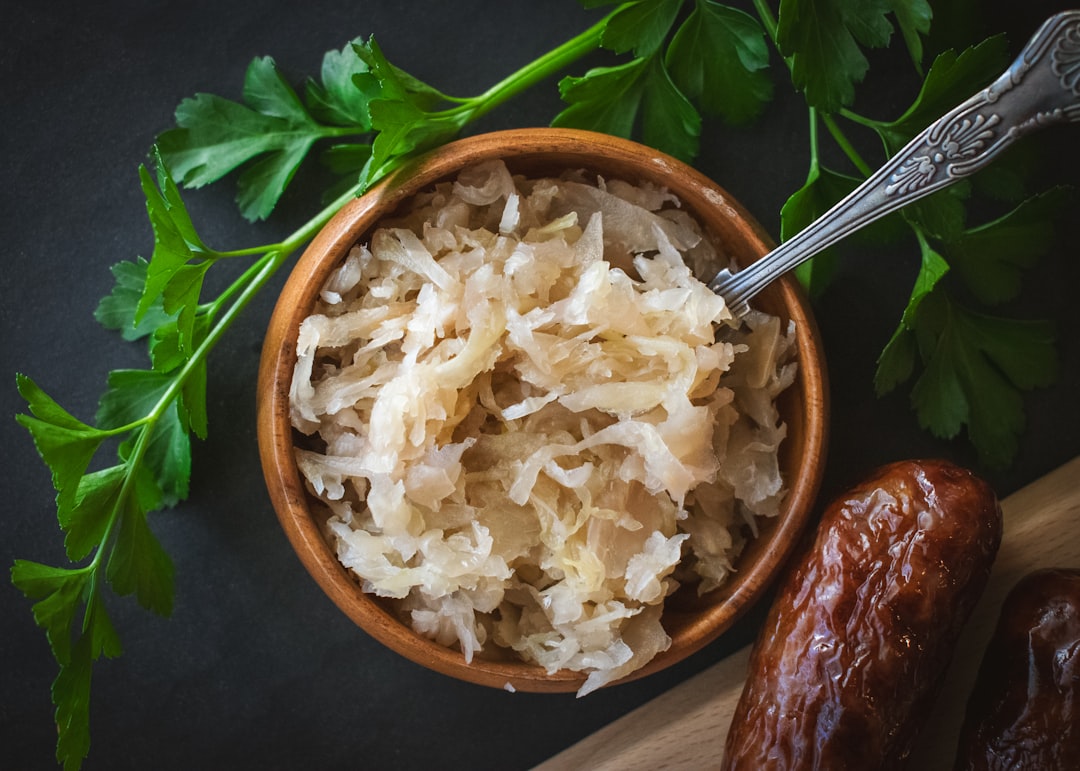
Traditional sauerkraut usually does not need a starter culture. I make it the old-fashioned way most of the time: shredded cabbage, salt, and time. The naturally present lactic acid bacteria on the cabbage are typically enough to get fermentation going.
That said, a commercial culture can still be useful. If I want a little extra reassurance, or I’m hoping for batches that taste more similar from jar to jar, a product like Cutting Edge Vegetable Starter Culture can help nudge things toward a steadier start.
What it does not do is replace the basics. Successful kraut usually depends more on salting correctly, keeping the cabbage submerged, and letting gas escape than on adding a packet. In practice, I see a starter as an optional tool for predictability—not the thing that makes sauerkraut possible.
That’s why lids, weights, or a simple kit can often make a bigger difference than a culture packet.
What usually makes or breaks a batch
-
Salt level
In my kitchen, an accurate salt ratio does more for reliability than a packet of bacteria.
Look forA scale, clear measurements, or a method you can repeat.AvoidGuessing with loose handfuls or changing salt amounts batch to batch. -
Cabbage stays under brine
Most trouble starts when shreds float up and dry out.
Look forWeights, a packed jar, and enough liquid to keep everything covered.AvoidBits above the brine line or a jar that needs daily rescuing. -
Steady room temperature
Kraut tends to behave better when the temperature is fairly even, not wildly hot one day and cold the next.
Look forA stable spot out of direct sun.AvoidWindowsills, radiators, or frequent temperature swings. -
Fresh produce
Firm, fresh cabbage usually ferments more predictably and releases brine more easily.
Look forHeavy, crisp heads with good moisture.AvoidOld, limp cabbage that struggles to make brine.
If my salt and cabbage are fine, a starter often adds reassurance more than rescue.
Trouble keeping cabbage down? A kit with weights helps more. Worried about airflow and mess? Fermentation lids can help. Want extra batch-to-batch predictability? That’s where a starter culture may make sense.Actual starter culture for a more controlled start
Concentrated probiotic blend for crisp, consistent ferments
If I already know I want bacteria, not lids or weights, this feels like the cleanest fit. These single-use pouches are made for vegetables, so the appeal is less gear and more a calmer, more controlled-feeling start. I also like it for small experiments with cabbage blends or cooler-room batches, especially when comparing different starter culture options. It can help with consistency, but it still can’t fix weak salting, temperature swings, or cabbage left above the brine.
- Feels more controlled than fully wild fermentation
- Pre-portioned pouches simplify trial batches
- Easy fit for vegetable ferments
- Costs more than salt-only kraut
- Less compelling once your process is steady
- Won’t rescue poor salting or exposed cabbage
This is the one I’d pick when I want an actual starter culture rather than more jar hardware. It adds reassurance and makes side-by-side experiments easier. Just keep expectations realistic: good salt levels, steady temperature, and fully submerged cabbage still matter more than any packet.
Complete jar kit for lower-fuss wild fermentation
All-in-one kit for mason-jar fermenting
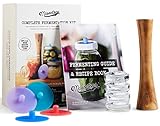
If I already trust salt-only sauerkraut and mainly want fewer beginner headaches, this Masontops kit makes more sense to me than a starter culture. It turns four wide-mouth mason jars into a more fermentation-friendly setup, with airlock lids as the headline feature.
To me, it suits the person who is not worried about whether kraut will ferment, but about the daily fiddling: cabbage drifting up, pressure building in the jar, and the whole project feeling a bit untidy on the counter.
- Addresses common setup friction
- Airlock lids can reduce burping
- Fits a multi-jar routine
- Supports a tidier process
- Higher upfront cost
- May require compatible jars
- Doesn’t replace basic technique
If my goal were to keep wild fermentation traditional but make the setup more forgiving, I’d lean this way before buying a starter. The appeal is practical: cleaner airflow handling, easier jar management, and a setup that can feel calmer for beginners. It helps with process friction, not fermentation fundamentals.
Accessory set for jars you already own
Simple venting lids and weights included
If I already have wide-mouth Mason jars and just want kraut day to feel less fussy, this is the kind of add-on kit I’d look at. The reusable venting lids and weights aim to handle two common annoyances—keeping cabbage submerged and letting gas escape—without paying for extra jars I may not need. It’s a convenience upgrade, though, not a shortcut around salt, clean prep, or steady temperature.
- Uses existing jars
- Reusable metal parts
- Helps with submersion
- Wide-mouth only
- Small 3-jar set
- Basics still matter
A sensible pick if you already own the jars. The venting lids and weights can make wild fermentation feel tidier and more repeatable, especially if floating cabbage and burping jars are what annoy you most.
I like this more as a reusable process helper than as a magic fix: you still need the right salt level, good submersion, and a stable spot for the jars.
| Buy if | Main help | Reuse | Price | ||
|---|---|---|---|---|---|

Cutting Edge Vegetable Starter Culture, 6 Pouches
Want a more controlled start
|
Need reassurance | Controlled start | Single-use | $27.69 | Check |
Masontops Complete Mason Jar Fermentation Kit
Need a full jar setup
|
Need full setup | Weights + venting | Reusable | $52.21 | Check |

Ultimate Fermentation Kit with Weights and Lids
Already own jars
|
Own jars already | Weights + venting | Reusable | $25.00 | Check |
Do I need a starter for a first batch?
Usually, no. If I keep the cabbage salty and submerged, wild fermentation often works well.
When is a starter worth trying?
It can help when I want a more predictable start. I also see the appeal if I’m troubleshooting slow or inconsistent batches.
I already have jars—what matters more?
I’d look at weights and venting lids first. Floating cabbage and trapped gas cause more headaches than skipping culture.
What if I want the least-fussy setup?
A full kit can make the routine feel calmer. It still helps to get salt, temperature, and submersion right.
Choose for the problem, not the worry
Most of the time, I’d treat a starter as optional. If I want extra reassurance, the Cutting Edge culture can make sense; if my real issue is floating cabbage, mess, or jar pressure, the Masontops or Ultimate kit is usually the more relevant buy.
The bigger win is process: enough salt, a steady room temperature, and keeping everything under brine. Once those are handled, it gets much easier to decide whether I need culture, accessories, or nothing extra at all.

Maybe I’m the odd one out, but the Masontops Complete Mason Jar Fermentation Kit felt a little overpriced for what it is. Useful, yes, but not magic.
Your point that hardware solves setup issues while starter solves reassurance was spot on. If somebody already has jars, I don’t really get why they wouldn’t just go with the simpler weights-and-lids option unless they want the all-in-one convenience. Which one would you suggest for a total beginner who is mostly worried about mold?
For a total beginner worried about mold, I’d point them toward the option that best helps keep cabbage submerged and limits unnecessary opening of the jar. That usually means a kit with weights plus some kind of venting lid, whether that’s a complete set or an accessory set for jars they already own.
If they already have compatible jars, the simpler weights-and-lids route is often enough. The starter culture can add confidence, but it doesn’t replace the basics that actually reduce mold risk: correct salt, full submersion, and a steady room temperature.
I tried both approaches about six months apart.
First batch: no starter, just salt, cabbage, cheap jar, and me googling every bubble like it was a medical emergency. It fermented fine, but babysitting it was annoying.
Second round I used a kit with weights and venting lids, and that was way more helpful than I expected. Less mess, less opening jars, less “is this normal??” panic. Personally I’d only buy the vegetable starter culture if you want to experiment or you’ve had a couple failed batches already.
I appreciate that you didn’t oversell the starter. A lot of articles act like wild fermentation is some chaotic science experiment when people have been making sauerkraut with just salt forever.
That said, I can still see the appeal of the Cutting Edge pouches for someone nervous about their first batch or trying to get more consistent results. I’m mostly torn between the full Masontops Complete Mason Jar Fermentation Kit and just the reusable lids/weights setup since I already own a bunch of jars.
This was honestly reassuring. I kept thinking I *needed* the Cutting Edge starter culture or I’d poison my family with cabbage lol.
The part about salt accuracy + keeping everything submerged being the real make-or-break factors helped more than most fermentation posts I’ve read. I already have wide-mouth jars, so now I’m leaning toward the Ultimate Fermentation Kit with Weights and Lids instead of buying a starter first. Which one did you end up choosing for your own batches?
For my own batches, I’d usually choose hardware over a starter if I already had jars. The reason is simple: most beginner problems are floating cabbage, oxygen exposure, and messy burping—not lack of microbes.
So if you already own wide-mouth jars, the Ultimate-style accessory setup is often the more practical buy. I’d only reach for a starter culture if I specifically wanted more batch-to-batch consistency or was troubleshooting repeated slow starts.
Same here. I bought a starter first and then realized my real issue was stuff floating up 😅 Weights made a bigger difference than the culture ever did.
This is the kind of comparison I was looking for. Not “buy all the things,” just match the thing to the problem.
I used the Cutting Edge Vegetable Starter Culture once because I was impatient and wanted that controlled start feeling, and it was fine… but my best kraut so far was still a plain salt-only batch with fresher cabbage. Kinda rude actually 😂
So yeah, I’m with you: process matters more. People want a magic packet, but the cabbage said no.