
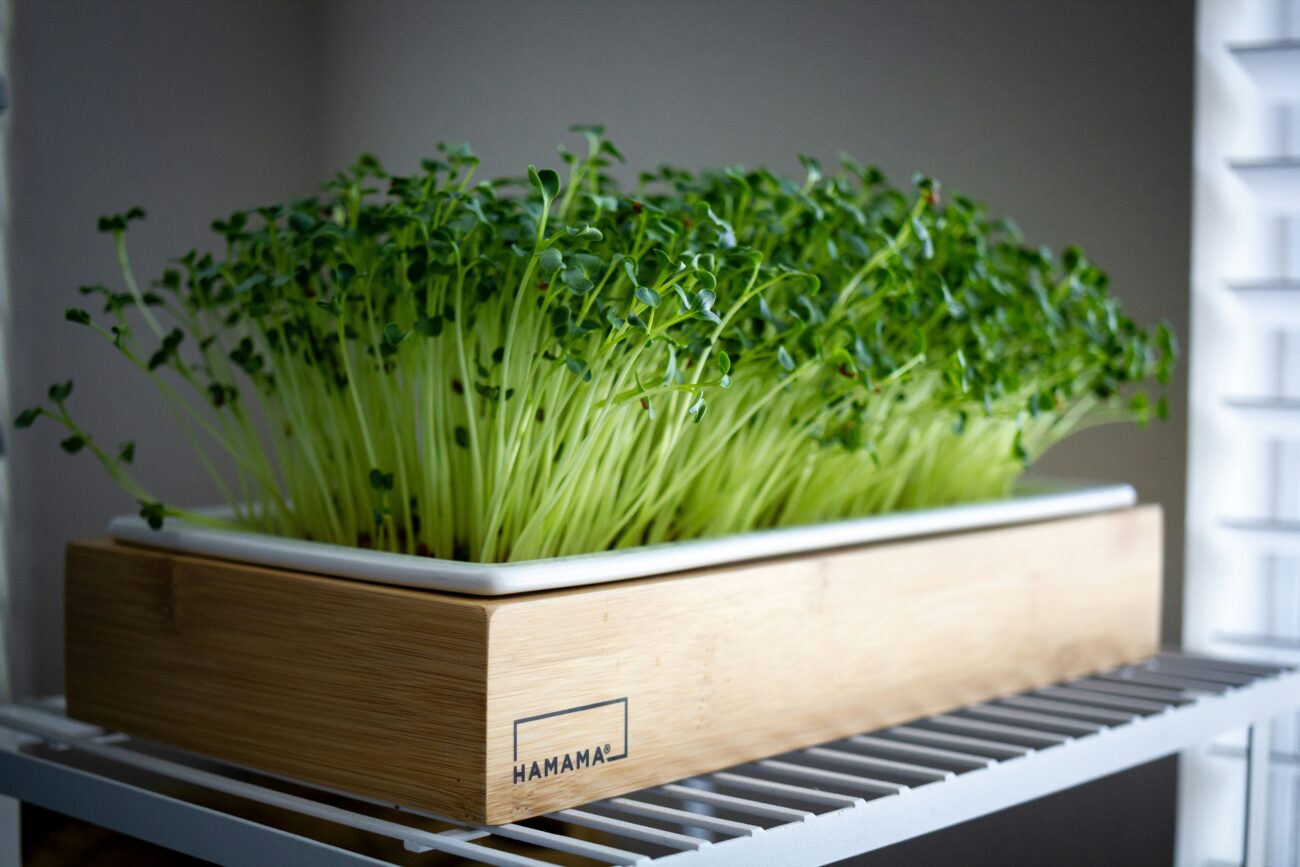
A good starter kit makes the first tray feel more like cooking than troubleshooting.
A packet of seeds on the kitchen counter can feel exciting right up to the moment the tray, mat, spray bottle, and instructions start competing for space beside the toaster. Many “ready-to-grow” kits look simple in the box, then ask for extra light, careful rinsing, or a cleanup routine that turns a small experiment into a chore.
For a first grow, the most helpful kit is usually the one that removes small points of friction: clear watering cues, a tray that does not slosh, seeds that are easy to spread, and a setup compact enough to leave out for a week. Refill options matter too, because a satisfying first harvest often leads to a second one.
- Look for included seeds plus clear refill guidance.
- A shallow tray is easier to rinse and monitor on a counter.
- A lid or cover can help with early germination, but should be simple to remove.
What “easy” really means in a starter kit
For a first grow, easy usually means fewer decisions: a tray that drains cleanly, a growing medium that is already sized to fit, clear seed amounts, and instructions that explain when to cover, uncover, water, and harvest. A kit can look complete in photos but still assume a few household extras, such as scissors, a spray bottle, a sunny window, or a small grow light.
The phrase “everything included” is worth checking closely. Some kits include seeds and trays but no growing pads; others include mats but only enough for one round. Before comparing options like the Back to the Roots 6-Variety kit or ZESTIGREENS starter kit, it helps to scan what is actually packed in the box and what needs replacing after the first harvest.
A beginner-friendly kit is less about having the most parts and more about preventing common annoyances:
- Measured seed packets instead of loose guessing.
- Reusable trays that are easy to rinse.
- Clear blackout guidance for the first few days.
- Refill-friendly design so the kit does not become clutter after one crop.
A simple pre-check can prevent disappointment: confirm the kit includes seeds, trays, a growing surface, and instructions—then note any extras needed at home, especially light and watering tools.
What matters after the first harvest
-
Growing medium and mess
Soil can feel familiar and forgiving, while fiber mats or pads often make rinsing and disposal simpler. A cleaner kitchen setup may depend on the tray as much as the medium, so compare soil and mat-style kits before choosing.
Look forA medium that stays contained, drains evenly, and is easy to remove after cutting.AvoidLoose soil with flimsy trays if countertop cleanup is a concern. -
Tray design and footprint
A stable tray with a clear watering path helps prevent soggy corners and spills. Tiered kits save counter space, but they can make light access and daily checks a little less convenient.
Look forRigid trays, good drainage, and a size that fits the intended windowsill or counter.AvoidOversized or wobbly trays that are awkward to move when wet. -
Seeds, light, and first-grow timing
Beginner-friendly mixes often include quick crops like broccoli, radish, or salad blends. Kits that explain blackout time, light needs, and harvest cues tend to reduce second-guessing.
Look forClearly labeled seeds with simple timing notes for soaking, covering, lighting, and harvesting.AvoidMystery seed mixes or vague instructions that leave growth stages unclear. -
Refills and reusable parts
Some kits are closer to one-time bundles, while others include durable trays meant for repeated planting. Checking which parts can be reused makes later grows easier to budget and plan.
Look forReplaceable seeds and media that are easy to reorder without replacing the whole kit.AvoidProprietary refills that are hard to find or cost nearly as much as a new kit.
A kit that looks generous in the box is not always easier to live with. The smoother first few grows usually come from small practical details: a tray that drains cleanly, seeds with clear labels, media that does not scatter, and refills that are simple to buy when the first packets are gone.
Think past the first tray
A starter kit can feel wonderfully simple on the first grow because everything is portioned and matched. The second and third grow reveal the real convenience: are seeds, mats, soil discs, or pads easy to replace without rebuying the whole box?
For reusable setups like the TCYPUHL stainless steel sprouter, ongoing cost may lean more toward seeds. Kits such as Back to the Roots or ZESTIGREENS may depend more on compatible growing media and pre-measured refill packs. That can be tidy, but less flexible.
Before choosing, it helps to compare what replacement supplies may cost over several harvests. A slightly pricier kit with easy refills can feel less like a novelty and more like a small kitchen habit.
Three easy starting points, depending on the grower


ZESTIGREENS 6-Variety Organic Microgreens Starter Kit
Soil-based kits with compostable trays
ZESTIGREENS is a friendly middle ground for a first counter-top grow: it arrives as a small soil-based kit with six seed varieties, coconut coir pucks, compostable trays, and printed steps. That makes it a natural fit for someone who wants the feeling of a complete starter box rather than buying trays, media, and seeds separately.
The mix also keeps the first few harvests interesting. Sunflower, pea, broccoli, salad mix, red amaranth, and purple radish give a beginner a chance to compare textures, colors, and flavors without committing to a large seed stash.
- Includes seeds, trays, coir, and instructions in one box
- Six varieties make early grows feel less repetitive
- Compostable trays suit growers who prefer a low-plastic setup
- Soil-style growing feels familiar and forgiving for many beginners
- Compostable trays may not last like rigid reusable trays
- Refill availability and tray sizing should be checked before purchase
- Light claims depend on the brightness of the counter or windowsill
- Seed quantity per variety may feel limited after the first round
ZESTIGREENS looks approachable for a first grow because it keeps the setup small, clear, and self-contained. The variety pack is the appeal: it gives a new grower several chances to learn what germinates easily, what tastes good, and what feels worth repeating.
Before buying, shoppers may want to confirm the current box contents, seed amounts, and refill path, since those details affect how convenient the kit remains after the first harvest.
Back to the Roots 6-Variety Microgreen Kit
USDA organic seeds, six varieties
Back to the Roots has an inviting, giftable feel: a boxed starter kit built around USDA organic, non-GMO seeds and a handful of familiar brassica-style greens, including broccoli, kale, purple kohlrabi, and red cabbage.
It suits curious first-time growers who would rather sample a few flavors than commit to one big bag of seed. The brand’s text support also makes it feel less lonely for someone opening a grow kit for the first time.
- Six seed varieties make the first few grows more interesting
- Organic, non-GMO positioning may appeal to ingredient-conscious buyers
- Beginner-friendly presentation works well as a casual gift
- Text support can help when sprouts look uncertain
- Refill path is less obvious than with plain tray-and-seed setups
- Reusable parts and replacement media are worth confirming before buying
- Variety pack may be more than needed for someone wanting one reliable crop
Back to the Roots is a charming option for beginners who want the fun of comparing several greens, especially as a low-pressure gift. The main caveat is longevity: before treating it as a permanent countertop system, it is worth checking what can be reused and how easily seeds or growing media can be replaced.
TCYPUHL 2-Tier Stainless Steel Sprouting Kit
Durable, dishwasher-safe metal trays
TCYPUHL is the more hardware-focused choice in this group: a two-tier stainless steel tray setup with fine-mesh silicone filters, sized at about 10.4 by 7.7 inches per tray. It feels closer to kitchen equipment than a disposable first-grow bundle.
It suits beginners who are willing to learn a simple rinse-and-drain routine and prefer gear that can stay in rotation after the first batch. Beans, alfalfa, broccoli sprouts, and wheatgrass are the natural fit here, rather than a soil-style tray of cut microgreens.
- Stainless steel construction feels sturdier than many plastic starter trays
- Two-tier layout grows more in a compact counter footprint
- Dishwasher-safe parts make cleanup less fussy
- Fine mesh helps with small sprouting seeds
- Not a classic all-in-one microgreens kit with soil or coir
- Requires more attention to rinsing, draining, and airflow
- Seed choice matters more than with curated starter bundles
- Instructions may not replace a beginner-friendly growing guide
This is a sprouting-style setup, not quite the same as a classic microgreens starter kit. Sprouts are usually grown with repeated rinsing and draining, while many microgreens kits rely on a shallow growing medium and are harvested after leafy growth develops.
TCYPUHL makes sense for beginners who value reusable equipment and are comfortable treating the first few batches as practice. It may feel less instantly guided than a boxed microgreens kit, but the stainless trays give it longer-term appeal for sprouting regulars.
Choose for the kitchen, not the photo
A tidy product photo can hide the real question: where will the tray live for 7–14 days? A sunny windowsill, a narrow apartment counter, and a busy family kitchen all favor different setups.
For limited space, compact tray kits such as ZESTIGREENS or Back to the Roots may feel easier to place than a taller rack. If vertical storage is more useful than counter width, the TCYPUHL 2-tier sprouting kit can make sense, though it needs regular rinsing and draining.
Light matters too. Most microgreens tolerate bright indoor light, but dim kitchens can lead to pale, stretched growth. In that case, a separate grow light may be more important than extra seed varieties.
Mess tolerance is another deciding factor:
- Soil or coir kits feel familiar, but loose media can spill during filling and harvest.
- Mats are usually cleaner, though they may dry out faster.
- Sprouting trays avoid soil, but rinsing becomes part of the routine.
The most beginner-friendly kit is often the one that matches existing habits, not the one with the prettiest harvest photo.
What a first tray usually teaches
A first microgreens tray is often more of a calibration run than a picture-perfect harvest. Some seeds pop quickly and look lush in a few days; others grow unevenly, lean toward the window, or need a little longer before cutting. For a closer look at timing claims, the one-week harvest question is worth treating as a range, not a promise.
Yield also depends on small details: seed density, room temperature, light strength, airflow, and how consistently the growing medium stays damp without becoming soggy. A tray grown on a cool windowsill may look thinner than one kept under a bright grow light, even when the kit is working fine.
Most beginner kits are designed to make that first attempt easier, not perfectly repeatable. ZESTIGREENS and Back to the Roots offer seed variety, so one crop may outperform another. Reusable setups like TCYPUHL can reward practice, especially as rinsing and draining become routine. Expectations around how many usable harvests a kit provides should also account for refills, not just the starter supplies.
A modest first cut can still be a success. Even a small handful shows which spot has enough light, how fast the tray dries, and which seed type feels easiest to grow again.
- Uncertain: choose a complete starter bundle with clear directions.
- Variety-focused: look for several seed types and labeled packets.
- Short on space: measure the tray footprint before buying.
Mess-sensitive growers may prefer mats or tidy coir over loose soil. Durability-minded shoppers may like reusable stainless trays, as long as rinse-and-drain care sounds manageable.
Before checkout, it helps to confirm what is included, how refills work, where the kit will sit, and whether available window light is enough—or a separate grow light may be needed.

I’m confused on the stainless steel sprouting kit vs the soil/coir kits. Is TCYPUHL actually for microgreens or more like sprouts? The rinse-drain thing sounds less “easy” than just misting a tray, but I like the reusable part.
I had the same reaction. Stainless trays are nice if you hate throwing away little plastic trays, but they do make you more responsible for rinsing and draining on schedule. If you want a very passive first grow, coir/soil is probably less annoying.
For apartment kitchens with not much window light, would you still recommend one of these kits or should I just assume I need a grow light from day one?
The article talks about light needs but I’m not sure what counts as “enough.” I have a north-facing window and a counter that gets bright-ish light but never direct sun.
A north-facing window can work for some microgreens, but you may see leggier growth and slower development, especially in winter or if the counter is several feet from the glass. “Enough” usually means bright light for several hours after germination, not necessarily hot direct sun.
If you want the lowest-frustration setup, a small LED grow light is worth considering. It doesn’t need to be elaborate; even a simple countertop light can make growth more consistent and reduce the guesswork for a first grow.
Seconding the small grow light. I tried peas and radish in my dim kitchen and they leaned like they were trying to escape the apartment. Cheap LED fixed most of it.
This was helpful, especially the “choose for the kitchen, not the photo” part. I’ve definitely bought cute garden stuff that looked great online and then lived awkwardly next to my toaster 😅
For the ZESTIGREENS kit, do the coir pucks expand enough to fill the trays evenly, or do you need to add extra medium? Trying to avoid the whole “surprise trip to the garden center” situation.
The coir pucks are intended to be the growing medium for the included trays, so a beginner shouldn’t need to buy extra medium for the first run. The main thing is to hydrate them fully before spreading, then break up any dense clumps so the surface is even.
That said, tray fill can feel a little different depending on how much water you use and how tightly you pack it. For microgreens, you usually want a shallow, even layer rather than a deep potting-soil style fill.
I like the breakdown by watering/mess/counter space, but I wish more kit listings gave actual tray dimensions up front. “Compact” can mean anything from mug-sized to “congrats, you now own a second sink.”
Are any of the three options especially better for tiny counters?
Thank you for mentioning refills. So many starter kits are basically a one-date relationship with a salad 😂
Do you have a rule of thumb for checking refill availability before buying? Like should I only buy if the brand sells exact replacement trays/media, or is it fine to use generic seeds and coco coir later?
Generic refills can be perfectly fine, especially for seeds and coco coir, as long as the tray dimensions and drainage setup still work. The benefit of brand refills is predictability: same seed amounts, same media volume, fewer decisions.
Before buying, I’d check three things: whether the trays are reusable or easy to replace, whether the brand lists seed varieties clearly, and whether the kit uses a standard medium like coir rather than something unusual. If those boxes are checked, you’re less likely to get stuck after the first harvest.
I appreciate the honesty about first trays being small or uneven. My last “beginner friendly” herb kit basically grew three sad hairs and then developed mystery fuzz. Nice to see someone say the first harvest is partly diagnostic and not a moral failure lol.