The wrong pepper rarely ruins a ferment—it just gives you a sauce you don’t reach for.
You’ve got peppers on the counter and that little panic hits: too mild, and the jar feels dull; too hot, and a whole batch becomes hard to use. I usually stop thinking about bragging-rights heat and start with personality instead.
A ferment makes more sense when the pepper matches the job: eggs every morning, tacos on weekends, or tiny drops in chili. Daily-use sauces usually want balance first, then heat.
- Daily driver: jalapeño for bright, manageable heat.
- Fruity kick: habanero for aroma and a sharper climb.
- Middle ground: mix mostly mild pods with a few hot ones.

Why peppers taste different after fermenting
A pepper that tastes bright, grassy, or sharp when raw can come out rounder, deeper, and sometimes a little funkier after a week or two in brine. I’ve learned not to trust raw tasting notes too literally when I’m picking peppers for sauce. Fermentation doesn’t erase a pepper’s personality, but it can move the balance between heat, fruit, and freshness.
A lot of that starts with ripeness and sugars. Fully colored peppers usually bring more sugar, so fermentation can pull forward jammy, tropical, or savory notes that felt quieter at first. Greener peppers often keep more of their crisp, vegetal edge, even after the ferment softens them.
Water content and flesh thickness matter too. Juicier peppers can ferment faster-feeling and blend into a thinner sauce, while thicker-fleshed types often give me a fuller body. Thin-skinned peppers tend to break down more easily; tougher skins can leave a slightly rougher texture unless I blend really well or strain.
Then there are seeds, pith, and texture shifts. Seeds usually add bitterness more than useful heat, and softening flesh can make a raw pepper seem sweeter than the finished sauce will taste. That’s why I compare peppers not just by heat level, but by how they’re likely to behave in the jar:
- Riper: sweeter, fruitier, rounder
- Greener: brighter, sharper, more vegetal
- Thick-fleshed: fuller sauce body
- Watery: looser texture, lighter feel
What I check before peppers go in the cart
-
Firm, weighty pods
I usually pick peppers that feel taut and a little heavy for their size. They tend to give a cleaner texture and a more even ferment.
Look forSmooth skin, crisp walls, solid weightAvoidWrinkled, soft, or drying peppers -
Mostly ripe color
Fully colored peppers often bring steadier flavor than lots with mixed maturity. A little variation is fine; blotchy or half-ripe bags can taste uneven.
Look forRich, consistent color for the varietyAvoidLarge patches of green, pale spots, or sunscald -
Clean, intact skins
A quick rinse handles ordinary dirt, but splits, leaks, and moldy spots are another story. Damaged fruit can throw off the batch fast.
Look forDry stems, unbroken skin, no fuzzy spotsAvoidCuts, wet patches, mush, or visible mold -
Enough of one pepper
Tiny mixed handfuls can make heat and flavor hard to repeat. I like enough volume to fill a batch with a clear baseline.
Look forA consistent lot with enough quantityAvoidRandom odds and ends from many bins
If I’m trying a new pepper, I often buy one extra pod to cut open at home. Thick flesh, healthy seeds, and a fresh smell usually tell me more than the display ever could.
I narrow peppers down with three quick calls
-
Start with a heat lane
I usually sort peppers into mild, medium, or hot instead of chasing exact numbers right away.
-
Match a flavor family
Green peppers tend to stay brighter and grassier. Orange and red peppers often come across fruitier, rounder, or a little sweeter after fermenting.
-
Go solo or build a blend
A single pepper makes the final flavor easier to read. A blend can smooth rough edges and balance aroma, color, and heat.
-
Use Scoville as a rough map
Once peppers are fermented, salted, and diluted, heat can feel different. SHU helps compare raw peppers, but it does not predict the finished sauce exactly.
Fermentation can soften sharp heat, and brine or vinegar can spread it differently on the palate. I treat Scoville ratings as a starting clue, not a promise.
When I want a sauce I can pour generously, I usually stay below the superhot end. Fermentation adds enough tang and savoriness that a milder pepper can still feel vivid and satisfying.
Jalapeño: After fermenting, it often tastes grassy, bright, and a little rounder than it did fresh. I like it for everyday green sauce on eggs, tacos, or beans. The compromise is that it can read as familiar rather than memorable unless I add garlic, onion, or a second pepper. Fresno: This one usually comes out red-fruit bright, slightly sweet, and cleaner on the finish than jalapeño. I like it in a friendly table sauce for pizza, roasted chicken, or rice bowls. The trade-off is that some batches feel a bit light unless I blend in a fleshier pepper for body. Poblano: Fermented poblano can turn earthy, soft, and faintly smoky. I reach for it when I want a savory sauce for grilled meat or breakfast potatoes. The downside is low heat and, sometimes, a slight bitterness from the thicker skin.For me, these peppers work best when I want a sauce people keep using, not just daring themselves to taste.
Why I usually start in the middle
Medium peppers are where I get the fewest surprises. They usually bring enough heat to feel like hot sauce, but not so much that one pepper throws the whole batch off. If I’m helping with a first ferment, this is the lane I reach for most often.
- Jalapeño: grassy, thick-walled, and familiar. After fermenting, it tends to stay savory and easygoing.
- Fresno: brighter and a little sweeter, with a cleaner red-pepper note. It often tastes more vivid than jalapeño.
- Serrano: slimmer, sharper, and a notch hotter. I like it when jalapeño feels too soft but I don’t want a huge heat jump.
Red-ripe versions of all three usually taste rounder to me. They’ve had more time to build sugars and lose some of that raw green edge, so fermentation can turn them into a fuller, softer flavor instead of simple sweetness.

Useful for a full batch
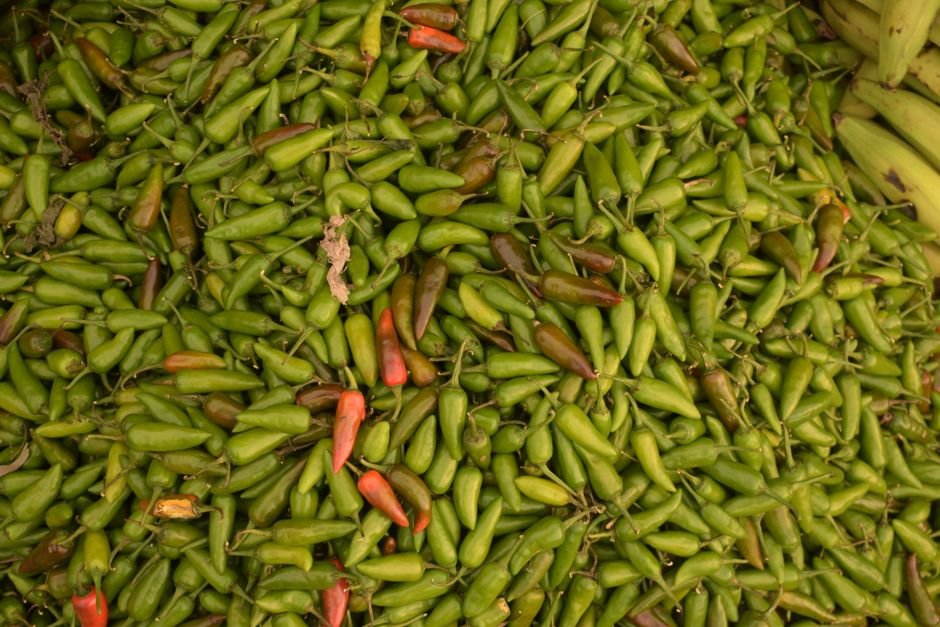
A 3-pound pack can make batch sizing easier and helps keep the pepper flavor more consistent. Since these are jalapeños, the heat is often approachable and the thicker flesh can give sauce a slightly fuller body.
How I choose hotter peppers by flavor
Not all high-heat peppers push a sauce in the same direction. Some feel peppery and direct—more sharp, dry, and pointed—while others bring floral or tropical notes that can make a ferment smell almost fruity before it tastes hot.
Two very different heat styles
If I want a hotter sauce that still reads savory, I usually lean toward peppers with a more pepper-forward profile, like Thai chiles or cayenne-type peppers. Their heat tends to feel quicker and narrower, so garlic, onion, and vinegar can stay in focus.
If I want the sauce to smell brighter and more aromatic, I look at habanero-type peppers. Habaneros often bring notes that remind me of apricot, citrus, or flowers. That can be delicious, but it changes the whole personality of a batch fast.
Why habaneros take over so easily
In my experience, habaneros do not act like a small step up from serranos. They feel more like a jump in both heat and aroma.
A few practical ways I keep them in check:
- Start with 10–25% habanero in a mixed pepper batch.
- Pair them with sturdier peppers if I want balance.
- Ferment a small test jar first if I am unsure.
Even when diluted, that floral-fruity character can lead the sauce. If I want “hotter jalapeño” energy, habanero usually is not the flavor I reach for.
When I reach for superhots
Superhots like ghost, scorpion, or Carolina Reaper can bring deep, lingering heat and sometimes a floral or slightly smoky edge. In my kitchen, they act more like a seasoning than a base pepper, because even a small amount can crowd out everything else.
I usually keep them in a blend:
- 1–5% for a clear lift
- 5–10% when I want heat to lead
That tends to preserve the main pepper’s flavor and gives me more room to adjust after the ferment.
When I prep superhots, I use gloves, keep my cutting board steady, and avoid touching my face. If I’m blending a hot mash, open air or a cracked window can help keep the kitchen more comfortable.
I build blends in three jobs
Instead of hunting for one perfect pepper, I usually give each pepper a job. That makes substitutions easier when the store selection changes, and it helps me fix a sauce that feels thin, flat, or hotter than I meant.
- Body: thick, fleshy peppers like jalapeño, Fresno, or poblano add bulk, color, and a smoother base.
- Signature flavor: this is the pepper I want people to notice, like serrano for a brighter green edge or habanero for fruity aroma.
- Extra lift or heat: a smaller share can sharpen the blend, whether that means a few Thai chiles for quick sting or a touch of superhot for lingering heat.
Easy swaps
I try to swap within both a flavor family and a heat band. If Fresno is missing, ripe jalapeño can cover a similar bright-red, medium-heat role. If I want habanero character without quite as much fire, I look for another fruity pepper in a lower band.
Frozen peppers can still work nicely for fermented sauce bases. They usually soften after thawing, so the texture changes, but that matters less once the sauce is blended smooth.
- Changing one pepper at a time makes comparisons clearer.
- Superhots usually read better as a small accent than a full base.
If I were starting tomorrow, I’d make one small jar: jalapeño for mild, Fresno or serrano for balanced, habanero blended into Fresno for fruity heat, or a tiny ghost addition for an accent. Small batches keep misses cheap and repeats easy.
A side-by-side run usually teaches me more than heat charts, and it can naturally lead into other fermented condiments worth trying once the pepper part clicks.
