Start with a simple salt, not a salt identity crisis.
You’re at the shelf, cucumbers on the counter, and suddenly salt feels weirdly high-stakes. I’ve been there. For most home ferments, plain salt without additives is the calm choice: it helps keep brine clear and removes one variable.
If I want the least guesswork, I reach for pickling salt first. Fine sea salt can also work well, especially if I’m weighing. Kosher salt isn’t automatically wrong—its crystal size just varies more, so spoon measures can drift.


What salt actually does
Salt matters in fermentation, but I don’t treat it like a force field. What it mainly does is tilt the environment: it slows many unwanted microbes, gives salt-tolerant lactic acid bacteria more room to get established, and helps vegetables release water into a brine.
It also changes the finished jar in ways you can taste and feel:
- Microbial balance: enough salt can support a steadier ferment, though it doesn’t replace clean produce, good ratios, or keeping food submerged.
- Texture: salt can help cucumbers, cabbage, and carrots stay firmer.
- Flavor: beyond plain saltiness, it can make acidity taste rounder and vegetables taste fuller.
I’ve found that safety and quality still depend on the whole setup—salt level, temperature, oxygen exposure, and time all work together.
Salt can guide fermentation, but it can’t make up for poor measurements, warm conditions, or food sitting above the brine.
How I size up a salt on the package
-
Purity first
I start with the ingredient line. A plain salt is usually easier to predict in brine than one padded with helpers.
Look forJust salt, with no anti-caking agents or iodine if I want fewer variablesAvoidLong ingredient lists or vague additives that can cloud brine or affect flavor -
Crystal behavior
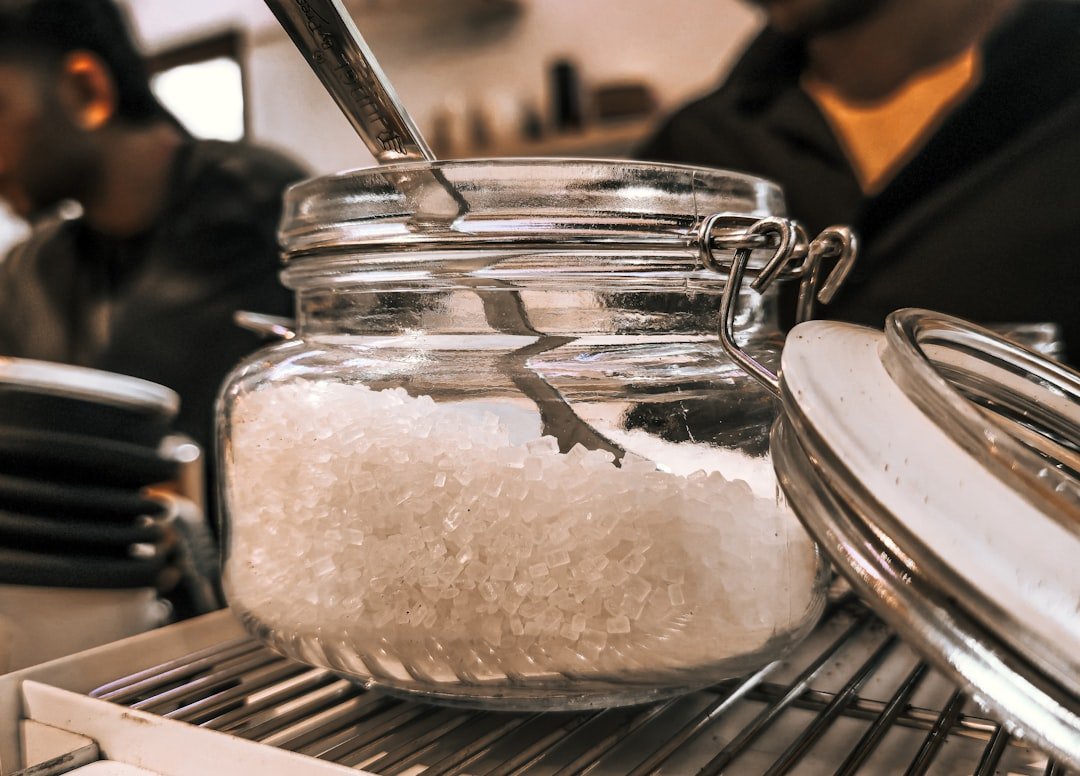
Grain shape changes how fast salt dissolves and how much fits in a spoon. Fine grains act differently from flakes, even when the label sounds similar.
Look forFine or small, even crystals that dissolve cleanlyAvoidLarge flakes or mixed crystal sizes when recipes use volume measures -
Consistency
A salt that looks the same from box to box is easier to repeat. That matters when I want one batch to behave like the last one.
Look forUniform texture and clear labeling by weightAvoidIrregular crystals or packaging that hides useful detail -
Neutral flavor and value
For most ferments, I want the salt to disappear into the background. Paying more can make sense for texture or sourcing, but not always for everyday brine.
Look forClean, neutral taste at a reasonable price per weightAvoidStrong mineral notes or premium pricing without a practical benefit
My quick test is simple: How will this salt behave once it hits water? I mainly judge salts by dissolving, measuring, and staying out of the flavor’s way.
If it disappears into brine without sediment or haze, I treat it as easier to work with.
Consistent crystal size makes spoon measures less erratic, and weighing makes that even steadier.
A neutral salt usually lets cabbage, cucumbers, or peppers lead instead of adding its own personality.
Price matters most when I ferment often; cost per ounce is usually more useful than the sticker price.
Two easy places to start
I usually point beginners to pickling/canning salt first. It tends to be the calmest option: fine grains, quick dissolving, and very little label-decoding. When I want one less variable in a crock or jar, this is often where I start.
Additive-free fine sea salt is my other easy default. If the ingredient list is simply salt, it can work very similarly in fermentation, especially when I measure by weight. It is not the only workable choice, but it often feels straightforward and easy to repeat.
A quick way I think about the two:
- Pickling salt: usually the least dramatic choice for clear brines and consistent measuring.
- Fine sea salt: widely available, easy to dissolve, and handy if I already keep a scale nearby.
If I were helping a friend begin with sauerkraut or cucumber brine, these are the two salts I’d feel most comfortable suggesting first. Other salts can work too; these just tend to keep the focus on process instead of salt quirks.
A practical first pick
A familiar canning-and-pickling option that fits the “plain and predictable” lane many fermenters look for. The Amazon listing is a pack of 3 at about ~$25.
Salts I handle more carefully
Not every salt is a problem, but a few make me slow down and read the label twice.
Iodized table salt can still ferment food, yet the iodine and anti-caking agents sometimes bring a slightly muddier flavor or cloudier brine. To me, that is usually more of a consistency issue than a dramatic safety one.
Flavored or mineral-heavy salts can be tricky for different reasons. Smoke, herbs, charcoal, or extra minerals can push flavor in odd directions, and large crystals can skew volume measurements if I am not weighing.
Common failure modes I watch for:
- cloudy brine or slight off-flavors from additives
- uneven salinity when coarse grains dissolve slowly
- label confusion when salts look similar but are meant for different jobs
Himalayan pink salt sits in this caution group mainly because of that last point. It is just a naturally pink salt with trace minerals. Curing salts are a separate product made with nitrite or nitrate for meat curing, not a regular substitute for vegetable fermentation.
If a package says curing salt, Prague powder, sodium nitrite, or sodium nitrate, I treat it as a meat-curing ingredient, not a general fermentation salt. Himalayan pink salt is naturally pink; curing salt is pink to help signal that it is different.
I trust grams, not cups
-
Weigh water
-
Add salt by percent
-
Log the grams
-
Blame spoons last
Comparing fermentation salts
lightcellar gives a quick tour of common salts and why grain size and additives can change repeatability.
Match the salt to the ferment
Match salt to the ferment
When I want cucumbers, cabbage, or green beans to taste like themselves, I lean neutral. A clean pickling salt or plain sea salt tends to stay out of the way, so the produce, garlic, chile, and dill do the talking.
A little mineral character can still be interesting in the right jar. In sturdier ferments—like olives, preserved lemons, or a bold hot sauce—a faintly savory, earthy edge may blend in rather than stick out. Fancy color or origin alone doesn’t automatically make a ferment taste better.
What matters most to me is fit, not prestige:
- Neutral salts suit delicate vegetables and clear brines.
- More distinctive salts can work in robust, spice-forward ferments.
- If I taste the salt more than the ingredient, that’s usually my cue to switch.
How I shop the salt aisle
At the shelf, I keep it pretty simple. I flip the package over first and look for one ingredient: salt. If I see anti-caking agents, flavorings, smoke, herbs, or a long mineral pitch, I usually move on unless I already know how that salt behaves in a recipe.
Then I check the grain. If I measure by grams, almost any pure salt is workable. If I still use spoons now and then, I lean toward fine, even grains because they scoop more consistently than big flakes.
Price can get sneaky, so I compare the cost per ounce or pound, not the sticker price. I also like salts I can buy again at my regular store. A glamorous niche bag is less helpful if I can’t replace it when I want to repeat a batch.
- Context matters There isn’t one salt that wins every batch; the right pick depends on how you measure and what you already stock.
- Keep it plain A short ingredient list matters more to me than a fancy origin story.
- Use weight Gram weights smooth out most grain-size quirks and make repeat batches easier.
- Rebuy counts A salt you can buy again without hunting around is often the safer long-term choice.
- Pickling salt is often the easiest first buy.
- Fine sea salt can double as a kitchen all-rounder.
- Kosher salt is workable, but less forgiving by volume.
My short version: I’d buy the plainest salt I can easily rebuy, then match the grain to how I measure. For a smooth first run, pickling salt is usually the least confusing; fine sea salt is a close everyday alternative; kosher salt is workable when I weigh it.
If I’m standing in the store today, my quick filter is simple: one ingredient, no additives, grain I’m comfortable measuring, and a price I won’t resent when I make another batch next week.

The “trust grams, not cups” section was probably the most useful part for me.
I’ve been buying whatever salt was on sale and then wondering why one batch tastes perfect and the next one is way saltier, even though I swore I measured the same. Turns out I was measuring consistency with vibes, apparently.
Also glad you mentioned re-buy availability. It’s annoying when people recommend some fancy artisanal salt that exists in exactly one boutique store three towns over.
Yep, same here. Once I started weighing, my kimchi got way more repeatable and I stopped blaming the cabbage every time lol.