
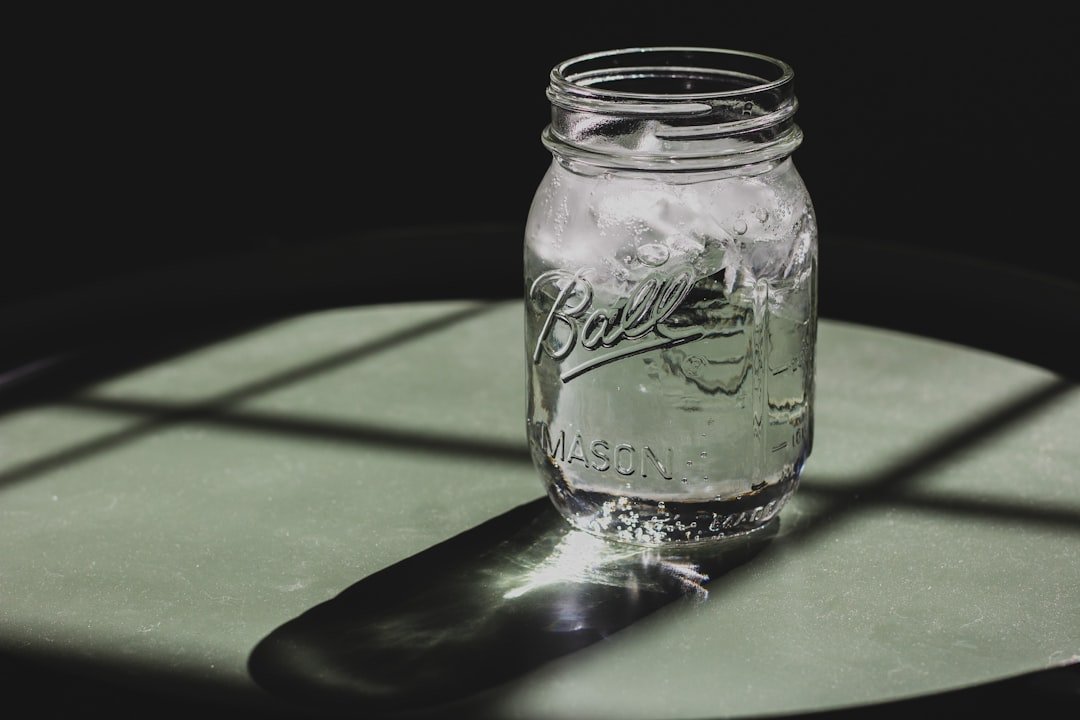
You probably already own something that can keep your vegetables under the brine.
I know the moment: the cabbage keeps bobbing up, the brine starts creeping, and suddenly fermentation feels like a project with a shopping list. In practice, day one usually calls for safe improvisation, not specialty gear.
The real standard is simple: keep the food submerged with something clean, non-reactive, and food-safe. That does not mean any random heavy object from the house. Rust-prone metal, decorative stones, and unglazed ceramics can be risky. But a sensible kitchen stand-in can work just fine while you figure out what fits your jar and your routine.
- A bag filled with brine can be safer than plain water if it leaks.
- Smooth glass, glazed ceramic, and food-grade plastic are usually the most practical materials.
What usually works by jar size


What matters more than sheer weight
A weight that fits the jar opening and sits flat usually works better than a heavier, awkward object.
If it tilts, traps food, or leaves gaps, bits can float past it. I’ve had lighter inserts hold vegetables down more reliably simply because they stayed centered.
For fermentation, non-reactive materials like glass and glazed ceramic tend to be more dependable.
Brine is wet, salty, and persistent. Materials that stain, rust, chip, or absorb odors can become a nuisance fast, even if they seem harmless for short contact.
Easy cleaning matters almost as much as submersion.
Anything with seams, fabric, rough surfaces, or hard-to-reach creases can be fiddly to sanitize. Smooth pieces are just simpler to rinse, inspect, and reuse.
If I can place it without wobbling, remove it without fishing around, and clean it in under a minute, it usually earns a spot in the jar.
Choose by jar shape
Wide mouths are forgiving. Improvised mason jar ferments in narrow mouths can work, but placement is fiddly. Gallon vessels need broader coverage.
Homemade weight shapes
Yang’s Nourishing Kitchen makes jar-fit differences easy to see.
Not just heft.
What I skip
I rule out improvised weights pretty fast if they create a cleaning or material question. If I can’t tell what something is made of, or it has cracks, chips, paint, or hidden seams, I move on.
I usually skip:
- Mugs, ramekins, or random crockery with worn glaze or tiny chips
- Decorative stones, marbles, and pebbles unless I know they’re food-safe and non-porous
- Metal lids, cans, and hardware that can rust or react in brine
- Anything hollow or heavily textured with ridges, screw threads, or little crevices
- Wobbly stacks of small objects that tilt when bubbles lift them
For me, the red flags are simple: uncertain material, hard-to-clean surfaces, and poor stability. If an item makes me pause, I’d rather switch to a purpose-made glass or ceramic weight.
I also avoid anything with mystery coatings, adhesive labels, or glued-on parts. Brine has a way of getting into edges and hiding grime.
When real weights start making sense
The upgrade point
I’m all for using what’s already in the kitchen, right up until it turns each batch into a small engineering project. If I’m fermenting occasionally in a wide-mouth jar, an improvised weight can work perfectly well.
I start considering real weights when:
- I’m fermenting often enough that washing and re-rigging substitutes gets old
- the jar is narrow-mouth, where fit matters more than sheer heft
- the batch is larger, so I want broader, steadier coverage
At that point, purpose-made weights feel less like a luxury and more like a convenience upgrade. A small-mouth glass set can slip into tighter jars more neatly, while larger glass or ceramic weights often sit flatter in gallon setups. For me, that’s about cutting down on fuss, not passing some beginner test.
Fitted glass weights for small-mouth mason jars
Top-rated, dishwasher-safe glass stones
When I’m using small-mouth mason jars, a fitted glass weight like this can feel much tidier than improvised pieces. It’s made for that narrower opening, so I spend less time coaxing vegetables down or balancing something that wants to wobble.
Its usefulness is also pretty specific. I’d mainly see the value if small-mouth jars are part of my regular fermenting routine.
- Sized for small-mouth jars
- Non-porous glass
- Dishwasher-safe cleanup
- Limited to certain jar sizes
- Costs more than DIY
- Less compelling for occasional use
For small-mouth mason jars, this can be a neat step up from makeshift weights that never sit quite right. The fit is the point: less wobble, less fiddling, and easy cleanup. I’d mostly buy it if those are the jars I reach for again and again.
Ceramic stone for gallon jars
Keeps vegetables fully submerged in brine
When I move up to gallon batches, improvised stacks start feeling awkward fast. This 4.3-inch ceramic weight looks more like a practical step-up for a wide-mouth gallon jar than something I’d bother with for smaller ferments: broad coverage, solid heft, and a shape meant to sit still in brine.
- Broad coverage
- Solid 1.15-lb heft
- Easy ceramic surface
- Bulky to handle
- Overkill for quarts
- Less flexible than DIY
If I were putting together gallon ferments often, this is the kind of upgrade I’d consider first. The appeal is coverage as much as weight. For smaller jars, though, it can feel unnecessarily heavy and bulky.
Easy-grip glass for 1-gallon jars
Raised handle for easy removal
If I’m fermenting in a one-gallon wide-mouth jar, a handled glass weight feels like a cleaner, less awkward step up from improvising. It fits readers who care as much about easy lifting and quick cleanup as basic submersion.
- Sized for wide-mouth gallon jars
- Raised handle lifts out neatly
- Glass is easy to inspect and sanitize
- Less useful across mixed jar sizes
- Costs more than a workable substitute
If I were regularly using one-gallon jars, I’d lean toward this style. It doesn’t change the job itself; it just makes removal, cleaning, and repeat batches feel less clumsy.
My simple rule is this: if a substitute is non-reactive, stable, easy to sanitize, and truly keeps food below brine, it’s workable.
Upgrading to a purpose-made weight is mostly about making frequent batches smoother, not about reinventing fermentation.

Helpful post overall, but I think you could’ve talked more about using brine-filled freezer bags as a backup. They’re not my favorite, and yes, plastic waste etc., but for awkward jar shapes they can conform better than glass.
My concern with some improvised hard objects is breakage. A little glass custard cup inside a jar always makes me nervous when I’m packing things down.
Do you avoid bag weights mainly because of puncture risk, or just because they’re messy?
Both, really. A brine-filled bag can absolutely work in a pinch, and the conforming shape is the best argument for it.
I didn’t feature it heavily because leaks, punctures, and awkward handling make it less appealing for beginners than people expect. For me it’s more of a backup option than a first recommendation.
I’ve had one leak and it was enough to retire that method lol. It worked until it REALLY didn’t.
This is the first explanation I’ve read that actually made the gallon-jar issue click. Bigger vessel = broader coverage, not just “find the heaviest thing in the house.” Seems obvious now 😂
The cabbage-leaf cap trick has saved a couple of my kraut batches, so I was glad you mentioned it. I also use a small zip-top bag filled with brine sometimes when the jar shape is weird.
Not as elegant, but it molds to the top better than some random kitchen object.
Do you have any opinion on using a small plate or ramekin inside a wide crock? Mine is glazed and smooth, but the fit is never perfect.
I keep seeing advice online that says “just use a plate” and then in real life it tilts, cabbage escapes, and I say words my kids probably shouldn’t hear.
Wondering if that’s basically the point where a ceramic stone for gallon jars starts making more sense.
That’s pretty much the breakpoint, yes. A glazed ramekin or small plate can be okay if it’s intact, non-reactive, and gives broad enough coverage, but once it tilts or leaves too many gaps, it stops being low-hassle.
For wide gallon jars, the dedicated ceramic stone is less about being fancy and more about being steady and covering more surface area consistently.
Same experience here. Plates sound smart in theory and then suddenly you’re playing ferment Jenga.
I get the warning about stones, but honestly that’s what my grandmother used forever and nobody died 😅
That said, the part about textured surfaces and little crevices being annoying to clean is very real. I stopped using a tiny espresso cup upside down for that exact reason.
One alternative I expected to see was a silicone fermentation follower/disc. I know some people don’t love plastic or silicone touching the brine long term, but for keeping shredded veg below the surface it can be easier than stacking improvised stuff.
Curious if you left that out because of food-safety concerns or just because the article was focused on things people already have at home.
Mostly the second reason. I kept this one centered on kitchen substitutes first, then mentioned purpose-built options where they clearly reduce hassle.
Silicone followers can work fine if they’re truly food-grade, intact, and easy to clean, but a lot of readers already have a leaf, small jar, or fitted glass option before they go buy another accessory.
I’ve used a silicone muffin cup flipped upside down in a pinch lol. Worked… kinda. It held stuff down, but it also wanted to drift sideways, so the article’s point about fit/stability > raw weight felt accurate to me.