
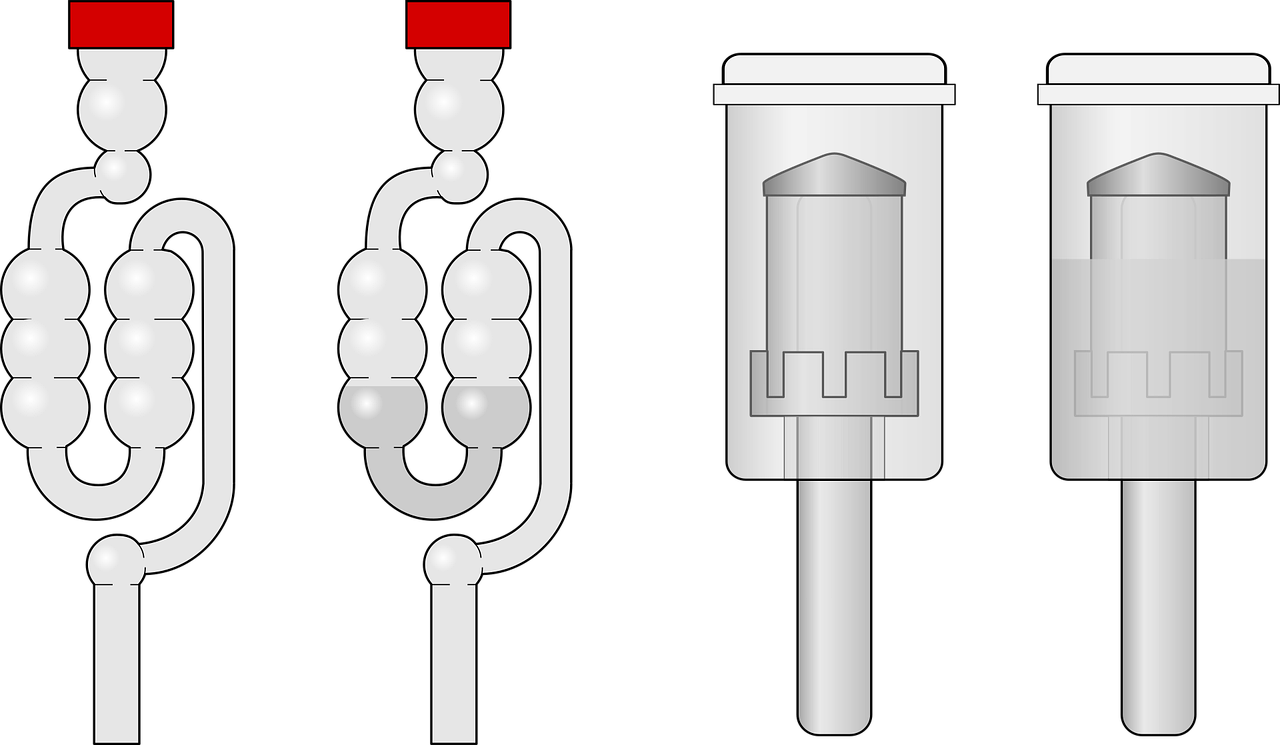
Silence at the airlock is unnerving, not conclusive.
I’ve stood over a bucket at 10 p.m., waiting for that little blip and wondering if I’d ruined the whole batch. A still airlock can feel like proof that nothing is happening, but it often isn’t. Fermentation can be active with gas slipping out somewhere else, building slowly, or already easing off before I happen to look.
That’s why I treat bubbling as a clue, not a diagnosis. NO BUBBLES can mean a leak, a sluggish start, or a perfectly ordinary batch in a container that isn’t sealing tightly. The airlock only shows one thing: whether pressure is pushing through that specific path.
Read the batch before the airlock
A quiet airlock can still go with an active batch.
Gas may be escaping around the lid, through a loose grommet, or in tiny bursts too small to notice. I usually trust what the food is doing first.
Cloudy brine, a tangier aroma, and tiny fizz often tell the story better.
Early fermentation can look subtle: a few pinprick bubbles on vegetables, a little lift in the jar, or a soft hiss when opened.
Some jars release pressure with very little visible bubbling.
Different lids, headspace, temperatures, and seal styles change how gas moves. Two healthy batches can behave very differently from the outside.
Before I blame the airlock, I check the jar itself: slightly cloudy brine, a fresher sour smell, tiny bubbles clinging to the vegetables, pieces floating upward, or a small pressure release when I crack the lid. Those signs usually tell me more than the cap does.
That is also why it helps to know when an airlock really matters in fermentation. In some setups, the airlock is useful mainly as a cleaner vent path, not as a reliable activity meter.
A quiet start can be normal
It helps to remember that fermentation often has a lag phase. In plain terms, the microbes are waking up, adjusting to the jar, and only then getting busy enough to make obvious gas. So a silent airlock on day one—or even day two—can still fit a normal batch.
A slower start can be more plausible when a few things stack up:
- a cooler room
- a saltier brine
- low-sugar vegetables like cucumbers or cabbage
- a small batch with less overall gas production
- extra headspace, which gives CO2 more room before pressure reaches the airlock
I usually try not to judge the jar from one quiet afternoon. What matters more is the trend: over 24 to 48 hours, do I start seeing a slightly cloudy brine, a tangier smell, tiny bubbles on the produce, or a lid that seems a bit more active? If you want a useful comparison point, these signs of a slow, not-yet-bubbly start can help frame what “normal but quiet” looks like.
Bubbling can come in waves
I’ve had batches bubble hard one evening, then look almost still by morning. That swing is often completely ordinary. Gas doesn’t always leave the jar in a smooth, steady rhythm, so checking hour by hour can make a healthy ferment seem inconsistent.
A few things commonly change the pace:
- Temperature: a warmer room can make activity more visible, while a cooler night can quiet it down.
- Fermentation stage: early fermentation often looks lively, then settles as easy sugars are used up.
- Pressure buildup: sometimes CO2 collects for a while, then escapes in a short burst, making the airlock look random.
What helps me most is zooming out to several days, not single moments. If the smell, surface, and overall look stay in the normal range for that batch, uneven bubbling often just means the ferment is moving through its usual ups and downs.
Track leaks from the top down
-
Start with the airlock
I first make sure the airlock is assembled correctly, filled to the line, and sitting straight. A loose cap or crooked fit can let CO2 slip out before it ever makes a bubble.
-
Check the bung or grommet
If the stopper looks tilted, dry, or barely seated, I take it out and set it back in evenly. A firm fit helps more than force; pushing too hard can distort soft parts.
-
Follow the main seal
On buckets and jars, I press around the lid or rim and look for any edge that did not catch cleanly. A lid that flexes, lifts slightly, or feels uneven often leaks there.
-
Inspect fittings and threads
Spigots, ports, and screw tops can be the real escape route. I look for moisture, residue, or tiny bubbles at seams, then hand-tighten only until snug.
-
Use the batch as the tie-breaker
If I see active brine movement, pressure, or a fresh fermented smell but the airlock stays quiet, I lean toward a leak. If everything is still, it may simply be an early or slow batch.
A faint hiss near the rim or stopper
Tiny bubbles gathering at one spot on the seal
Fermentation smell strongest around a fitting
Bubbling starts after I reseat one part
Do a simple airlock hardware reset
-
Check the liquid level
I start by emptying and refilling the airlock to its fill line. Too little liquid can fail to seal, while too much can make movement hard to notice.
-
Look for a blockage
A sticky cap, krausen, spices, or bits of brine can clog the path. If anything looks crusted or trapped, I rinse the parts and make sure air can move freely again.
-
Inspect the fit points
Next I check the airlock stem, grommet or stopper, and the lid opening for a crooked fit, hairline crack, or loose seating. Small setup slips are common, especially after cleaning.
-
Reinstall with a clean seal
I reseat everything straight and snug without forcing it. A stopper that is half-twisted or an airlock leaning slightly off-center can leak more than it looks like it would.
-
Give it a short test window
Once reassembled, I leave it alone for several hours and watch the batch itself more than the lock. If signs in the jar look healthy, a quiet airlock may still be perfectly normal.
If the lock keeps filling with brine or residue, pressure may be pushing material upward rather than producing neat bubbles.
When quiet turns into a bad batch
What still looks plausible
If the airlock is quiet but the batch still smells pleasantly sour, briny, or yeasty, I usually give it more time. A slow ferment can still be believable when the surface looks clean and there are at least a few internal clues, like tiny bubbles clinging to the food, slight clouding, or a gradually sharper aroma.
What makes me stop waiting is a batch that stays completely flat inside past the usual window for that recipe, with no aroma change and no visible movement at all. At that point, cleanup can be the simpler call.
A few signs push it firmly into “probably not worth saving” territory:
- Rotten or putrid smell, not just strong funk
- Stringy, unpleasant slime that does not match the style of ferment
- Fuzzy mold in white, green, blue, or black patches
If I do toss a batch, I usually move straight to cleaning lids and equipment after a batch so the next one starts on better footing.
Kahm yeast can look odd, but it is usually flat and dull rather than hairy. Mold tends to look dry or fuzzy. If I cannot tell what I am seeing, I treat that uncertainty itself as a warning sign.
Quick questions
If the airlock is quiet, is fermentation stalled?
Not always. I treat airlock silence as a clue, not proof, and look for brine clouding, aroma changes, and small bubbles in the jar first.
When is waiting the sensible move?
If the batch still looks and smells normal and it is early in the expected window, a quiet start can be completely ordinary. In that case, I usually watch the trend for another day or two.
When does resealing help most?
Resealing can help when the jar shows signs of activity but the airlock does not. That mismatch often points to gas slipping out around the stopper, lid, or rim.
When is a reset worth trying?
A reset makes sense if the hardware itself may be the issue, like low fluid, a clog, or a crooked fit. It is a quick way to rule out a false alarm.
When is discarding more reasonable?
If time has passed, nothing inside has changed, and you also see rot, slime, or fuzzy mold, the batch may be beyond saving. At that point, discarding is often the cleaner call.
- Batch signs first
- Then timing
- Then seal and lid fitment? Wait, no markdown in bullets?
My shortcut is simple: I check the batch first, not the airlock. If the jar still looks active or smells pleasantly on track, waiting can make more sense than intervening too fast.
If it seems quiet inside too, I move in order: timing, then seal, then setup. Early and healthy-looking usually means wait. Active batch with a silent airlock often means reseal. No activity plus questionable hardware can justify a reset. No change after the normal window, paired with clear spoilage signs, is where discarding starts to look reasonable.

Question for anyone who’s done this a lot: how long do you personally give a “quiet start” before you start worrying?
I made carrot sticks with a pretty salty brine and lots of headspace by accident. Day 2 was basically nothing in the airlock, day 3 just one random blurp every now and then.
No slime, no rot smell, just not much action. I’m trying to figure out if that still falls under normal lag phase or if roomy batches are just drama queens.
That can still fit a normal quiet start, especially with a saltier brine, cooler temps, and extra headspace all working against obvious early bubbling. In that situation I’d watch for internal signs over the next day or two: shifting smell toward pleasantly sour, slight clouding, color changes, and any slow rise of trapped bubbles in the jar.
If those signs are absent after the expected window and the batch seems completely unchanged, then I’d start checking the seal and setup more aggressively.
The discard guidance was useful because some posts online get weirdly optimistic about obviously bad jars.
I had one batch with no visible internal change after several days, then it developed a gross ropey texture and an unmistakably rotten smell. No bubbling, no sourness, nothing good happening.
I tossed it and started over. Would rather lose vegetables than play microbiology roulette.
I appreciated the part about bubbling coming in waves. Mine literally went quiet for almost a whole day and then looked like a tiny jacuzzi again the next afternoon.
Ferments are apparently just moody.
I did the hardware reset part and that solved it for me. The little airlock cap was seated weird and the fluid level was lower than I thought.
Once I cleaned it and put everything back on, I finally saw movement. So yeah, in my case it was not a dead batch, just me assembling stuff badly lol.