
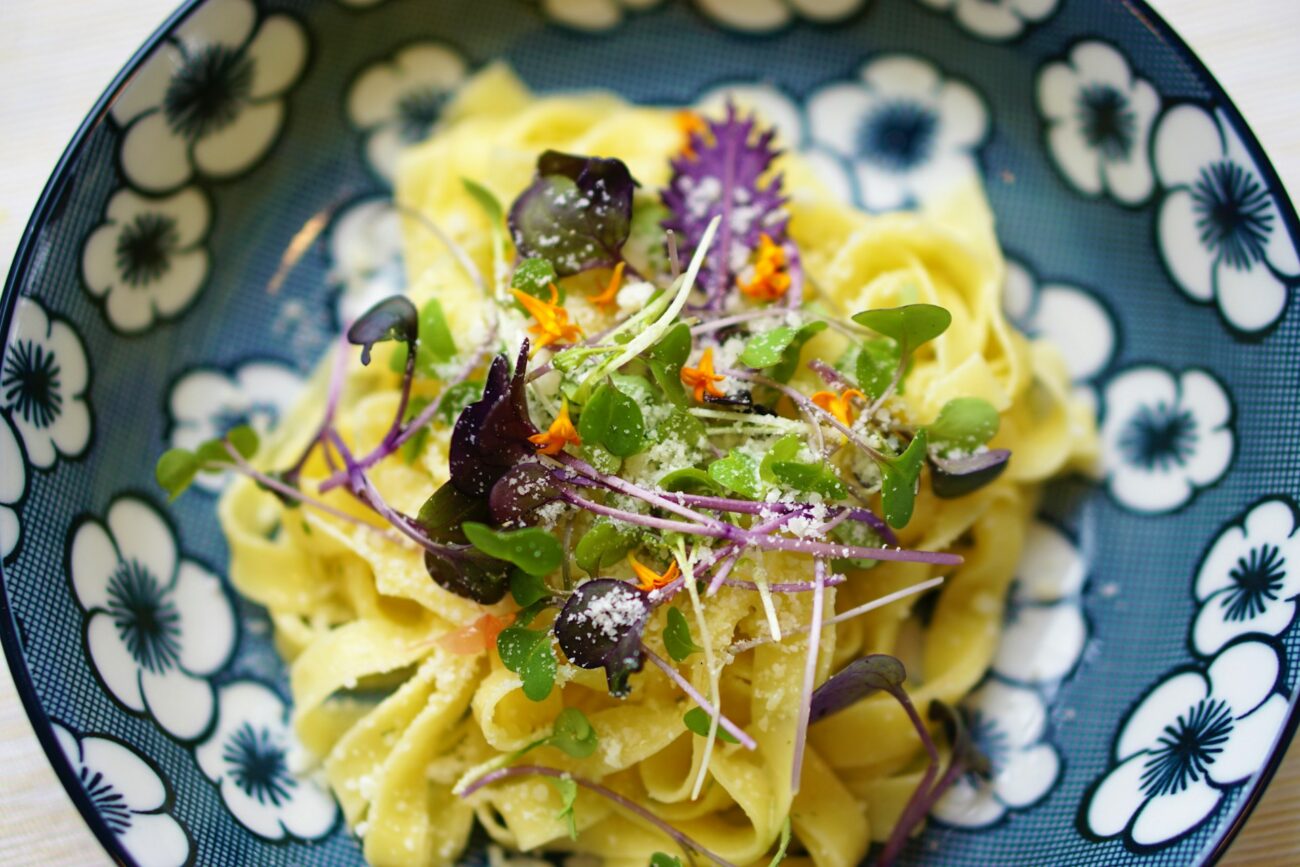
A tiny box of greens can feel full of promise—until it turns soft overnight.
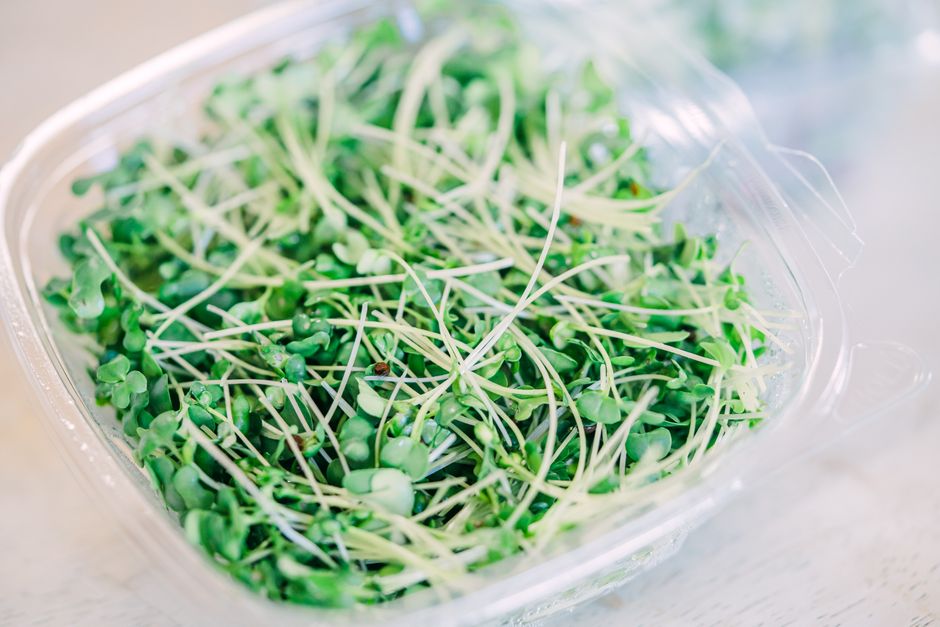
The carton looks lively at the market: purple stems, tiny leaves, a clean grassy smell. Then dinner gets delayed, the container sits in the fridge, and the next day the greens are flattened, damp, and hard to scatter over anything. That is the beginner problem with microgreens: not fancy technique, but timing.
Most microgreens are delicate because they are harvested young. Their charm is their snap, lift, and fresh flavor; once moisture builds up, that texture fades quickly. Simple recipes help because they give the greens an easy landing before they wilt—on eggs, toast, soup, noodles, beans, or leftovers that already need a bright finish.
- Dry microgreens usually keep better than damp ones; a paper towel in the container can absorb extra moisture.
- Tender varieties such as radish, pea shoots, and broccoli greens often work well as last-minute toppings rather than cooked ingredients.
Think in formulas, not fixed recipes
Microgreens are easiest to use when a “recipe” is treated more like a loose pattern: base + creamy or juicy element + crunch + microgreens. A bowl of rice, toast, soup, eggs, noodles, beans, or roasted vegetables can all become a place for the last small handful from the tray.
Most microgreens do better as a finishing ingredient than as something cooked for a long time. Heat, dressing, and salt can make them wilt quickly, so adding them right before serving usually keeps their color and texture more appealing.
A simple way to choose a use is to notice how the greens feel and taste:
| If the microgreens are… | Try them in… |
|---|---|
| Crisp and juicy | sandwiches, tacos, grain bowls, spring rolls |
| Softening but still fresh | omelets, soup bowls, pasta, fried rice, warm beans |
| Peppery or strongly flavored | creamy toast, avocado, eggs, mild noodles, hummus |
This approach also makes portions less stressful. A large salad may need more greens than one tray can comfortably provide, but a garnish on four different meals can use the same amount beautifully. Instead of waiting for the “right” recipe, microgreens can become the fresh final layer on food already being made.
Handle them gently first
Microgreens often fail a recipe before they reach the plate. A soggy handful turns a sandwich limp, while crushed stems make a salad look tired even if the flavor is fine. The goal is not fancy prep; it is simply keeping the greens dry, loose, and cool until they are needed.
If washing is needed, a light rinse followed by patient drying usually works better than a hard blast of water. A salad spinner can help, but gentle turns are kinder than fast spinning. Spreading the greens on a clean towel for a few minutes also gives hidden droplets time to disappear.
For storage, compression is the quiet problem. A tightly packed jar or overfilled bag traps moisture and bruises tender leaves. A shallow container lined with a dry paper towel gives the greens a little breathing room, and another towel on top can catch condensation.
Good handling keeps options open: crisp greens can still finish eggs, tacos, grain bowls, toast, or soup at the last second. Once they wilt, they are usually better folded into softer foods where texture matters less.
Store microgreens like delicate herbs, not lettuce. Dry first, pack loosely, chill promptly, and add them to warm dishes only after cooking is finished.
A simple way to build almost any microgreens meal
-
Start with a sturdy base
Choose something that can hold toppings without turning limp: toast, tortillas, cooked grains, eggs, noodles, roasted potatoes, or a bowl of soup after it has cooled slightly.
-
Add a flavorful moisture barrier
Spread or spoon on a thin layer of hummus, cream cheese, mashed avocado, yogurt sauce, pesto, tahini, or vinaigrette-coated beans. This gives the greens something tasty to cling to while keeping bread and wraps from getting soggy too fast.
-
Add warm or soft ingredients next
Pile on eggs, beans, leftovers, grilled vegetables, or rice before the greens. If anything is steaming hot, letting it sit for a minute helps protect delicate stems.
-
Finish with microgreens
Scatter them on last, then press lightly if making a sandwich or wrap. A small handful per serving is usually enough for flavor and texture without overwhelming the meal.
-
Use a final tiny accent
A squeeze of lemon, a few sesame seeds, chili flakes, or cracked pepper can make the greens feel intentional instead of like a forgotten garnish.
A useful beginner habit: keep microgreens away from wet dressings until the last moment. Sauce the base, not the greens, then add the greens right before eating. This keeps the flavor while giving the leaves a better chance of staying crisp.
Start with no-cook meals
No-cook meals are the easiest place to learn how microgreens behave. Heat is not the main problem here; moisture and pressure are. A small handful stays more appealing when it is added late, kept away from wet fillings, and dressed lightly.
Keep a dry layer underneath
Toast, sandwiches, wraps, and tacos work better when microgreens sit on a barrier instead of directly against juicy ingredients. A thin spread of hummus, cream cheese, mashed avocado, butter, mayo, bean dip, or pesto can help hold them in place while keeping tomato juice or salsa from soaking the leaves.
Good beginner combinations include:
- Toast: ricotta or avocado, microgreens, lemon zest, cracked pepper
- Sandwiches: cheese or egg salad, microgreens, cucumber, a light swipe of mayo
- Wraps: hummus, roasted vegetables, microgreens tucked in near the center
- Tacos: beans or eggs, cabbage, microgreens added after salsa
Dress around them, not over them
In bowls and salads, heavy dressing can flatten delicate stems quickly. A better approach is to dress the grains, beans, noodles, or chopped vegetables first, then fold in microgreens at the end. If the greens need flavor, a few drops of oil, lemon, mild vinegar, or yogurt sauce are usually enough.
For packed lunches, keeping microgreens in a separate container or tucked between dry ingredients helps preserve crunch. They can be added just before eating, like a fresh herb rather than a full salad green. That small timing change is often what turns “almost wilted” into “still worth using.”
Use tired greens in warm, saucy meals
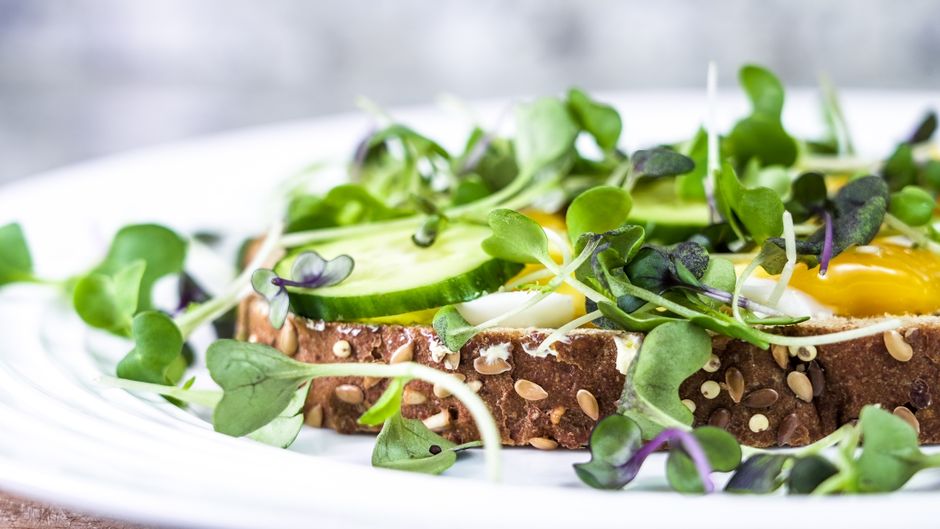
Microgreens that look a little limp are often still useful if they smell fresh and are not slimy. At that point, crisp salads may not show them at their nicest, but warm bowls, eggs, noodles, soups, and toast toppings are more forgiving.
The gentle approach is to treat them like a finishing herb, not a sturdy cooking green. A handful can be folded into scrambled eggs just before they set, scattered over hot rice, or stirred into soup after the heat is turned off. The warmth softens the stems without turning the whole handful dull and soggy.
A few easy use-today ideas:
- Stir into buttered pasta with lemon and black pepper.
- Fold into omelets or frittatas at the end.
- Add to miso soup, ramen, or lentil soup off the heat.
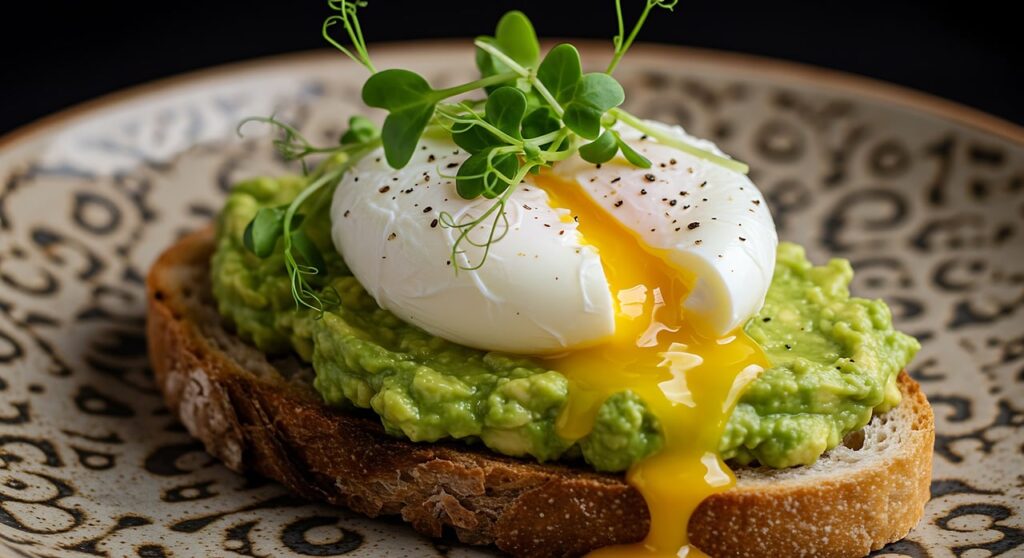
- Pile onto avocado toast where softness is welcome.
- Mix into grain bowls with a stronger sauce, such as tahini, pesto, or yogurt dressing.
Long cooking can flatten delicate microgreens. A quick wilt, residual heat, or an off-heat stir usually keeps more color and flavor while still rescuing greens that no longer feel salad-ready.
When the flavor is stronger than expected
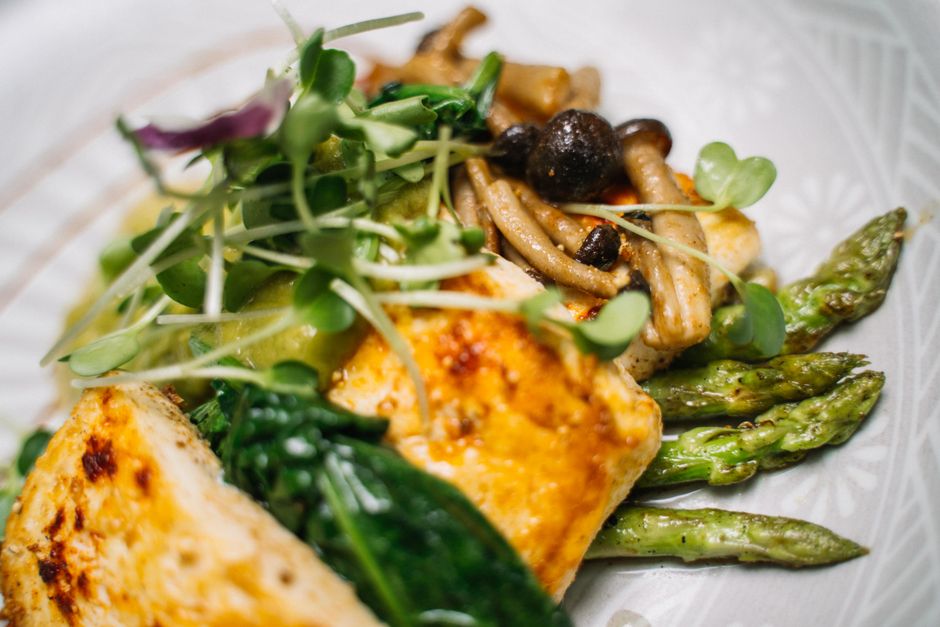
Some microgreens taste mild and sweet, while others arrive with a grassy, peppery, mustardy, or slightly bitter edge. That does not mean the tray went wrong. Young broccoli, radish, mustard, arugula, and kale can all bring more bite than expected, especially when used in a big handful.
Strong greens usually become easier to enjoy when paired with something that softens or balances them:
- Creamy: hummus, avocado, yogurt sauce, soft cheese, tahini dressing
- Acidic: lemon juice, vinegar, pickles, salsa, tomatoes
- Hearty: eggs, rice bowls, beans, potatoes, toast, noodles
- Nutty: sesame seeds, peanuts, almonds, sunflower seeds
- Mildly sweet: roasted carrots, corn, apple slices, honey-mustard dressing
For grassy broccoli greens, a small amount on avocado toast or folded into a rice bowl can taste fresher than a plain salad. More ideas for making broccoli microgreens work in everyday meals can help when the first bite feels too green.
If the flavor still feels intense, use less fresh garnish and blend the rest into sauces, dips, or smoothies. Some households also compare fresh greens with powdered broccoli microgreens for convenience, though the taste and texture feel quite different.
Give each tray a regular place to land
-
Harvest day: tortillas or toast
After drying the greens well, tuck a loose handful into a tortilla with beans, cheese, hummus, or leftovers. Toast works the same way: spread something creamy first, then add greens last.
-
Next morning: eggs
Scatter microgreens over scrambled eggs, an omelet, or a fried egg after cooking. The warmth softens them without turning them limp.
-
Midweek: grains or noodles
Rice, quinoa, couscous, pasta, or leftover noodles make an easy landing spot. Add sauce first, then greens on top so their texture stays bright.
-
Snack day: hummus or yogurt
Chopped greens can be folded into hummus, labneh, or thick yogurt with lemon and a little salt. A few whole greens on top make it feel intentional, not like leftovers.
-
End of week: soup bowls
Use the last handful as a finish for soup, chili, or broth bowls. For more variation, cookbook ideas for using a full tray can help turn the same staples into new combinations.
A simple pattern helps prevent “saving” microgreens until they fade: wrap, egg, bowl, dip, soup. If a tray is ready, one of those meals is usually close enough—no special shopping trip required.
Use the Next Handful
- Crisp greens can go straight onto toast, tacos, salads, bowls, or sandwiches.
- Softening greens still have a place in eggs, soups, noodles, sauces, and warm grains.
- Peppery or mustardy greens often feel gentler with creamy, acidic, nutty, or hearty ingredients.
Microgreens are easier to finish when each handful has a simple job. Crisp greens suit fresh toppings, where their texture still shines. Tired greens fit saucy or warm meals, where softness matters less. Strong greens need steady partners, such as yogurt, avocado, beans, rice, citrus, or nuts.
That small decision matters more than finding a perfect recipe. A pinch added often—to lunch, leftovers, or a quick snack—keeps trays moving and makes waste less likely.

I appreciate the idea of using tired greens in warm meals, but I’m a little skeptical. Mine go from “slightly wilted” to “compost vibes” pretty fast.
At what point would you NOT use them? Like if they smell okay but look limp, are they still fine for eggs or soup?
Great distinction. Limp is usually fine, especially for eggs, soup, fried rice, warm grain bowls, or stirring into sauce at the very end.
I’d skip them if they smell sour/musty, feel slimy, have dark wet patches, or clump together in a way that feels sticky rather than just wilted. Texture can fade before safety/quality is a problem, but slime and off smells are the real stop signs.
This was useful, especially the part about thinking in formulas instead of recipes. I grow radish microgreens and they are WAY stronger than I expected.
The creamy/acidic pairing idea makes sense. I tried them with plain avocado toast and it was still kind of spicy-bitter. Maybe I need lemon or pickled onions in there too?
The “dry barrier” tip for no-cook meals is helpful. I’ve been putting microgreens directly on tomato slices and then wondering why my sandwich turns into a swamp by lunch 😅
Would hummus count as a barrier or does it make things worse?
Hummus works for me if it’s spread on the bread/wrap and the greens go on top right before eating. If I pack it all together in the morning, the greens still get a little sad by lunch. I usually put them in a separate container like a tiny salad diva.
Beginner here and probably overthinking it: when you say “loose packing” for storage, do you mean in a glass container with paper towel, or like a bag with air in it?
I’ve been stuffing mine into a small jar because fridge space is a joke, but they get damp after a day.
You’re not overthinking it—that’s exactly where texture gets lost. Loose packing means the greens aren’t compressed, so air can circulate a bit and moisture doesn’t get trapped against the leaves.
A shallow container with a dry paper towel works well. If you use a jar, don’t pack it full; add a small paper towel and leave some headspace. The goal is dry, cool, and gently contained, not sealed into a tiny greenhouse.
I like the “Next Handful” decision rule. Sorting by texture and flavor is honestly easier than trying to remember recipes.
Crisp + mild = sandwich or salad, tired + strong = soup/eggs/sauce… that’s going on a sticky note on my fridge.
The “base-sauce-greens” formula clicked for me more than regular recipes. Do you have a rough ratio for sauce? I always either drown the bowl or make it taste like sad rice with garnish.
Totally fair question. A good starting point is about 1–2 tablespoons of sauce per bowl, depending on how absorbent the base is. Rice, grains, and roasted potatoes usually need a little more; toast, wraps, or noodles with oil already on them need less.
I’d sauce the base first, taste it, then add the microgreens last so they stay crisp instead of turning into wet confetti.