
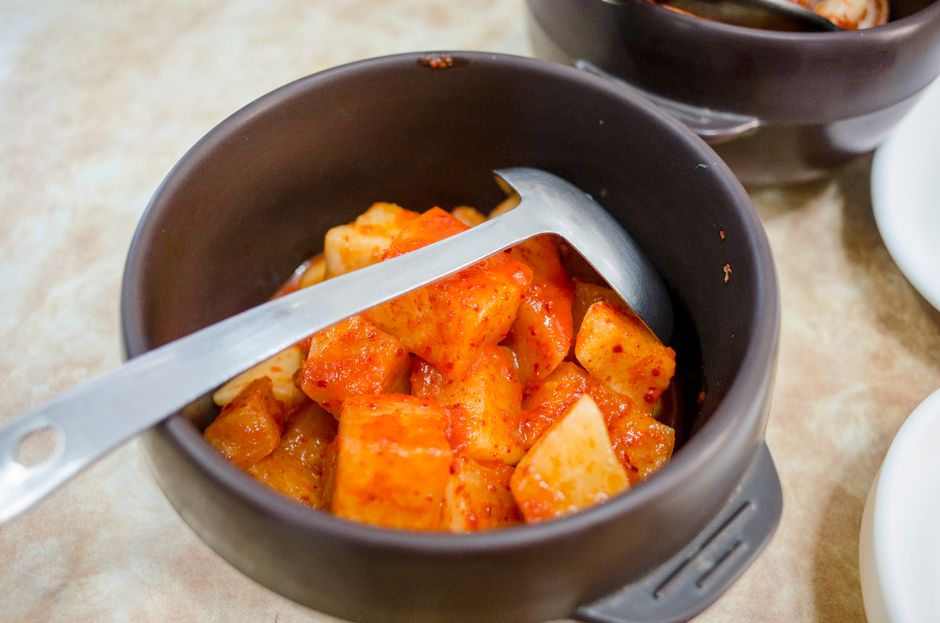
Two red pepper bags can ferment into very different kimchi.
I’ve bought gochugaru that looked fine and still made kimchi taste oddly flat by day three. The flakes you choose change more than heat: they shape aroma, sweetness, color, and that deeper fermented flavor that shows up later.
What I usually look for is a clean pepper smell, vivid red color, and a coarse texture instead of dusty powder. Powdery gochugaru can read harsher or duller, while fruitier, sun-dried flakes often feel gentler at first and fuller after a few days in the jar.


What I mean by flavor-first gochugaru
When I’m buying gochugaru for kimchi, I’m not chasing raw heat. I’m looking for flakes that smell fruity, a little sweet, and fresh—more like dried red pepper than smoke or dust.
The sweet spot is a bright red, medium-coarse flake with gentle warmth. That kind of gochugaru usually lets garlic, ginger, and seafood notes stay clear while still giving the kimchi some backbone.
What I try to avoid:
- Generic crushed red pepper: often hotter, seed-heavy, and flatter in flavor.
- Fine chili powder: can turn muddy in color, dissolve too quickly, and taste sharper than I want for kimchi.
If the bag looks vivid red and the flakes are fairly even, that’s often a better sign than a blend with lots of pale seeds and dusty powder.
How I scan a bag
-
Color
Bright crimson usually signals better aroma than dull brick-red or brown.
Look forClear, lively redAvoidBrown, faded tones -
Flake shape
Coarse, fleshy flakes tend to taste rounder than dusty powder.
Look forPlump, uneven flakesAvoidLots of fine dust -
Ingredients
I prefer short labels: ideally just red pepper, sometimes salt.
Look forSimple ingredient listAvoidFillers or additives -
Freshness cues
Recent pack dates and opaque bags can help preserve color and fruitiness.
Look forRecent date, sealed bagAvoidOld date, clear bag
Words like sun-dried, premium, or kimchi chili can be useful, but I still trust the flakes, the date, and the ingredient list more. If a bag looks vibrant and simple, it usually has a better shot at tasting fresh.
Why grind size matters
I pay close attention to cut size because it changes two things at once: how the kimchi feels to eat and how the pepper flavor shows up in the paste.
Coarse flakes stay visible longer, so they give kimchi a slightly flecked look and a more textured finish. In my batches, they release flavor more slowly, which can help the pepper taste linger instead of hitting all at once.
Fine powder does the opposite. It dissolves quickly into the seasoning paste, so the color spreads fast and the heat can feel sharper, but the final texture can turn a bit muddy if I use too much.
Medium or medium-coarse flakes usually land in the sweet spot for me:
- enough body for a classic kimchi texture
- enough surface area to bloom flavor well
- easier to mix evenly than very coarse flakes
- less dusty and harsh than powder
If flavor matters more than raw heat, medium-coarse gochugaru is often the safest starting point. It tends to give me balanced color, steady flavor release, and a cleaner texture.
If a bag looks a little too coarse, I sometimes mix in a small spoonful of finer flakes rather than switching fully to powder.
Think past day one
Fresh mixed kimchi can make a pepper seem louder, sweeter, or sharper than it will taste a week later. As fermentation moves along, the garlic, ginger, seafood notes, and cabbage juices start weaving together, and the chile stops sitting on top. That’s why I try to think about how gochugaru flavor settles as kimchi ferments, not just how it tastes straight from the bowl.
In my kitchen, balanced, aromatic flakes usually age more gracefully than peppers that taste flat, harsh, or faintly bitter at the start. A pepper with a little fruitiness and a clean finish tends to blend into the kimchi rather than dominate it.
A few signs I watch for:
- Early sweetness or fruitiness often survives fermentation better than raw sharpness.
- Clean aroma tends to integrate with garlic and fish sauce more smoothly.
- Bitterness rarely improves; if I notice it on day one, I expect it later too.
- Flat, dusty flavor can get even duller once the brine takes over.
If I’m choosing between two bags, I usually favor the one that tastes lively but not aggressive.
A few label questions I hear a lot
Does Korean origin always mean better kimchi flavor?
Not always. I treat origin as one clue; a fresh, vivid bag with clean flakes can matter more than a prestige label.
Is sun-dried gochugaru worth prioritizing?
Usually, yes, when flavor matters most to me. Sun-dried flakes often taste fruitier and look brighter, but I still check the pack date and color.
Can I use extra-fine powder for kimchi?
You can, but it behaves differently. It mixes fast, yet I often find it muddies texture and tastes flatter than medium-coarse flakes.
If a bag says mild, will the kimchi taste weak?
Not necessarily. Mild can still be sweet, fragrant, and deep; bland shows up more as dull color, dustiness, or a stale smell.
A promising label helps, but I still come back to a few plain signals:
Freshness: a recent packing date and vivid red color Texture: distinct flakes, not gray dust or lots of loose seedsMatch the pepper to the batch
I’ve had better luck when I match the flakes to the kimchi, not just the recipe.
- Classic napa kimchi: I like medium-coarse, fruity flakes with a little sweetness. They color the cabbage evenly and stay rounded after a few days in the jar.
- Radish kimchi: Cubes and matchsticks can handle a slightly bolder pepper. A deeper red flake with a firmer savory note can stand up to radish’s snap without making the batch feel rough.
- Lighter batches: For white-adjacent styles or when I skip fish sauce in kimchi, I lean toward cleaner, brighter gochugaru. Lower bitterness matters more here, because there’s less umami to cover a dusty or seedy pepper.
How I test gochugaru in my kitchen
I use three quick checks. They tell me more than origin stories about how a pepper will taste once kimchi starts fermenting.
I want bright flakes and a clean, fruity aroma; dusty powder or dull sweetness often means flatter kimchi later.
A pinch in water or rice paste should bloom red and smell gentle, not sharp. Early bitterness usually sticks around.
After 24–48 hours, better flakes taste rounder and deeper, while rough ones turn muddy or dominate the vegetables.
Heat can fade into the background. Bitterness, dustiness, and stale aroma usually become more obvious once salt and fermentation get involved.
Pick the gochugaru that fits your kimchi

For classic napa kimchi
If I were buying my first bag, this is a comfortable middle lane. The coarse, sun-dried flakes are positioned for kimchi, with bright color, bold aroma, and mild heat instead of a harsh bite. I’d expect a rounded, familiar napa flavor. Tradeoff: the 6-ounce bag is handy, but frequent fermenters may finish it quickly.
For gentler heat
This looks like the easier pick for heat-shy cooks who still want character. The flavor profile leans fruity, smoky-sweet, and earthy, with a warm, lingering burn rather than a fast spike. I’d pair it with lighter napa kimchi where pepper flavor should stay lively. Tradeoff: the smoky edge and higher price may not feel as traditional to everyone.
Fruitier, softer-edged heat
This one seems aimed at cooks who want aroma before burn. The brand calls it sweet, sharp, and warm-fruity, which is the kind of profile I usually like once a batch settles in for a few days. The compromise is price: about $40 for 16 ounces is more premium than casual.
Better value for repeat batches
If I were making kimchi often, the larger jar is the practical appeal here. A full pound can cover several batches, so the per-batch cost may land better than smaller bags. The tradeoff is the upfront spend, and the listed 1,500-10,000 SHU range suggests heat could vary more than tightly styled specialty options.
Worth it when the bag is fresh
Collected Foods Premium Gochugaru feels like a splurge mostly because the bag is tiny: 2 ounces for about $15. What makes it interesting to me is the small-batch, hand-blended angle, plus sun-dried flakes aimed at sweet, mild, slightly smoky flavor. For kimchi, I’d only reach for this kind of premium option when the packing feels recent and I want peak aroma for a smaller batch.
My repeatable gochugaru shopping checklist
-
Look for vivid red color
I skip dull brown or dusty orange bags.
-
Check for medium-coarse flakes
That texture usually gives me cleaner mixing and better kimchi texture.
-
Keep ingredients simple
I want pepper, not fillers.
-
Find a recent packing date
Freshness matters more to me than fancy branding.
-
Match bag size to use
A smaller fresh bag can taste better than a big stale one.
If I can’t find a date anywhere, I usually keep looking.
If your usual brand is missing
- Freshness can matter more than price.
- Seed-light, bright flakes are usually a safer flavor bet.
I start with Korean gochugaru labeled for kimchi that looks bright red, medium-coarse, and not too seed-heavy. If it also has a recent packing date, that’s usually enough for me to give it a fair try.
When I switch brands, I try to change only one variable at a time. That makes it much easier to tell whether the pepper actually improved the batch.

This was super helpful because I always just grabbed whatever said “kimchi chili” on the front 😅
When you say “dusty fine powder” is bad for flavor-first kimchi, do you mean totally avoid powder, or just not use it as the main pepper? I sometimes only see powder and one weird extra-coarse bag at my local store.
I don’t avoid powder completely, but I usually don’t want it to be the main pepper for a flavor-first batch. Fine powder can mix fast and add color, but it often tastes flatter and can make the paste feel muddier if the bag is stale or seed-heavy.
If your choices are only powder or very coarse flakes, I’d usually pick the coarse bag for kimchi and just expect a slightly chunkier texture at first. A blend can work too: mostly flakes, a little powder for color and quicker bloom.
Can you explain what “medium-coarse” actually looks like? Every bag seems to use different words and half of them translate kinda vaguely.
I bought one last month that looked bright red in the package, but once mixed into paste it was weirdly bitter by day 2. Not sure if that was grind size, seeds, or just old stock.
Small gripe: I wish more brands would stop pretending “mild” tells me anything useful. Mild compared to what, exactly? A flamethrower? 😆
Your checklist makes more sense than most packaging copy. If I find a bright red, medium-coarse bag that was packed recently, but the flakes are slightly uneven, is that normal or a sign of sloppy quality?
I’m still confused about the “think past day one” part.
My kimchi always tastes sharper after a couple days no matter what pepper I use, so how do you tell the difference between normal fermentation tang and pepper that’s actually bitter? Maybe my taste buds are just chaotic 😂
For me bitter pepper hits more in the back of the throat and kind of lingers, while normal fermentation sourness feels brighter and more mouth-watering. Not scientific at all, just kitchen trial and error.
Maybe dumb question, but when you mention “simple ingredients” what extras are red flags?
I saw one bag with chili pepper, salt, oil, and something anti-caking-ish. I put it back because it felt wrong, but I wasn’t sure if I was being dramatic.
Not a dumb question at all. For kimchi, I usually want the ingredient list to be as close to just chili pepper as possible.
Salt, oil, and anti-caking agents aren’t always dangerous, but they can change texture, freshness, or how the pepper hydrates in the paste. If I have a choice, I skip those and buy the simplest bag.
I liked the part about matching pepper to the batch, especially napa vs radish. I never thought about using different gochugaru for different vegetables.
Do you think that matters enough for a beginner, or is that more of a “once you already know what good tastes like” kind of thing? I’m trying not to overcomplicate my first few batches.
The packing date tip might be the most useful part here. I’ve been fooled by fancy labels more than once lol.
Question though: if a bag has a good color and recent date but says product of China, would you still try it? People get weirdly absolutist about origin online and it’s hard to tell what actually matters vs forum drama.
Yes, I’d still evaluate it. Origin can be a clue, but I wouldn’t treat it as the only deciding factor.
For me, freshness, color, flake texture, simple ingredients, and aroma tell me more about how it will behave in kimchi than a broad origin argument. If a bag looks fresh and smells clean, fruity, and peppery rather than dusty or harsh, it can still be a good buy.
The three home tests sound smart, but I’m lazy lol. If you only had time for ONE test before buying in bulk again, which one gives the clearest answer?
Aroma seems obvious, but I’ve had peppers smell decent dry and still taste flat once mixed.
Do you prefer sun-dried enough that you’d skip a bag if it doesn’t say it clearly? That part always trips me up because some labels are super detailed and others tell you basically nothing.
Also, for a small napa batch, would you lean toward the balanced 6-ounce option over the fruitier 16-ounce jar just so it gets used faster? I don’t make kimchi every week.