
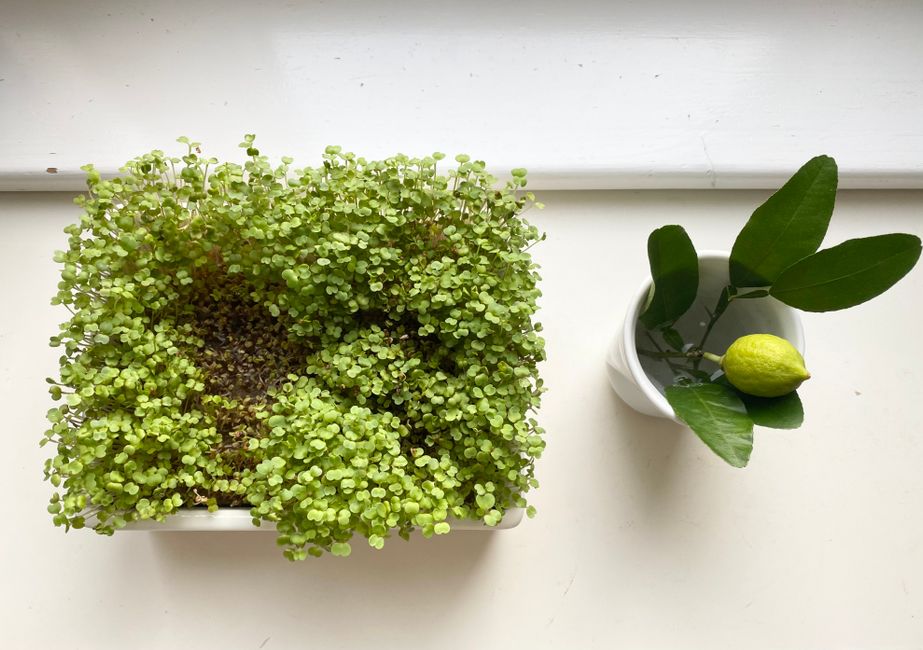
A grow project feels calmer when the kit contains the chaos for me.
When eight excited kids lean over one shared table, loose soil and open water cups can get messy fast. I usually look for shallow trays, grow mats, and built-in reservoirs that keep seeds where they belong.
With limited prep time and uneven window light, predictability matters more than ambitious yields. A kit that holds moisture neatly and resets quickly can make the activity feel fun instead of like one more cleanup job.
- Mats often leave fewer crumbs than potting mix.
- Smaller trays are easier to rotate toward patchy light.
Low-mess kits I'd consider


Contained medium
For me, low-mess starts with a coco mat, pad, or seed quilt that stays in the tray. A loose soil bag can work on a kitchen counter, but in class it tends to travel onto desks and sleeves.
Controlled watering
I look for a reservoir or a clear pour point, not constant misting. At home, a little overwatering is annoying; on shared tables, it becomes a cleanup job.
Fewer loose parts
Separate domes, tiny labels, packets, and clips disappear fast with a roomful of kids. Simpler kits leave fewer chances for spills, swaps, and missing pieces.
Quick cleanup
The tray should lift, empty, and wipe down in a minute or two. At home I might tolerate drips; between lessons, that extra fuss feels much bigger.
What I check before picking a kit
-
Setup that explains itself
I prefer kits with clearly separated parts, simple instructions, and no fiddly assembly. If I can understand it in a quick glance, students usually can too.
Look forLabeled pieces, picture-based steps, and a tray layout that is obvious fast.AvoidTiny loose parts, vague diagrams, or assembly that needs a long demo. -
Watering with a built-in limit
Classrooms get messy when watering depends on guesswork. A shallow reservoir, fill line, or absorbent mat makes overdoing it less likely.
Look forMeasured watering cues such as fill marks, bottom watering, or mats that spread moisture evenly.AvoidOpen-top soaking, no fill guidance, or drainage that drips onto desks. -
Easy access for small groups
I like kits that let more than one student observe, mist, or label without bumping elbows. Separate cells or small trays make turn-taking smoother.
Look forMultiple growing sections, room for labels, and enough edge space to handle the tray safely.AvoidOne cramped growing area that invites crowding and accidental spills. -
Cleanup that takes one pass
After the fun part, I want spent roots and medium to lift out neatly. Smooth trays and few parts usually save more time than fancy extras.
Look forRemovable inserts, contained medium, and surfaces that wipe clean quickly.AvoidLoose soil everywhere, deep corners, or lots of pieces to rinse and track.
The growing medium usually decides how messy the project feels
A deeper layer of potting mix often means more crumbs, more splashes, and more overwatering guesswork.
In my experience, microgreens do fine with a shallow, even layer. Potting mix is forgiving for germination, but it’s also the messiest to portion, bump, and reset between groups.
In a classroom, lots of drainage can also mean more drips under the tray and more surfaces to protect.
If watering is measured, a controlled tray can stay neater than one with many holes. That’s one reason I like cleaner soil and mat setups when the project needs quick table resets.
The medium usually matters more. Grow mats are tidiest, coco coir is a nice middle ground, and potting mix is the most forgiving but least neat.
Grow mats are easiest to lift out and toss, though they can dry faster. Coco coir stays fairly contained and rinses off more easily than potting mix. For shared tables, reset ease often matters more than chasing perfect germination.
Grow mats: neatest, fastest reset
Coco coir: balanced, fairly forgiving
Potting mix: easy to sprout in, but messier on desks
How I’d match the kit to the classroom
Is one shared tray easier, or do small group trays work better?
I usually lean toward one shared tray for younger classes or tighter supervision, because there’s only one watering point and fewer pieces to scatter. Small group trays feel more hands-on for older students, especially if teams can carry, label, and reset their own supplies. If I want something that could also travel well as a group project kit with gift potential, separate trays tend to be simpler.
Does age change what kind of kit makes sense?
In my experience, younger students do better with sturdier trays, fewer loose parts, and a medium that stays put when bumped. Older students can usually handle thinner trays, measuring water, and noticing when a crop is getting too dry or crowded.
Should I use a windowsill setup or a shelf?
A windowsill can work if the light is decent and the trays won’t be jostled during the day. I find a shelf is often tidier when storage matters, but it helps if the class can still reach the trays without awkward lifting.
How much does sink access matter?
Quite a bit. If the sink is far away, I’d favor lighter trays, built-in reservoirs, or mats that reduce carrying open water across the room. When the sink is close, basic trays become much less annoying to manage.
What if weekday care is fine, but weekends are the weak spot?
That’s where I’d choose a kit with some buffer: a reservoir, capillary mat, or a medium that doesn’t dry out by Friday night. If daily misting already sounds unrealistic, I’d skip shallow open trays and pick something a little more forgiving.
Seeds that show progress fast
For class projects, I lean toward seeds that give students a quick win: sprouts in a couple of days, obvious height changes, and fairly even coverage across the tray. If I want a simple starting point, I usually borrow from these easy first microgreens because they tend to move on a school-friendly timeline.
- Radish and broccoli are usually my most dependable picks—fast, visible, and fairly consistent.
- Pea shoots can be exciting too because they gain height quickly, though the larger seeds can mean a bit more prep.
- I’m more cautious with cilantro, beet, and sometimes arugula; they can be slower or more uneven, which can make a short project feel less rewarding.
- I’d also be careful with stronger-smelling varieties in a shared room unless that earthy scent is part of the plan.
What the kit really costs
A kit that looks affordable at checkout can get noticeably pricier by the second or third class run. In my experience, the difference usually shows up in the consumables: seed packs, grow mats, coco pads, labels, and any watering extras that need replacing.
All-in-one kits can be wonderfully convenient because everything arrives pre-matched and portioned. That ease is real, but refills are sometimes brand-specific or sold in small packs, so the cost per grow can climb faster than it first appears.
Reusable tray systems often cost a bit more upfront, yet they may stretch further if they use common parts. I usually look for standard trays, easy-to-find media, and accessories that can survive more than one classroom round.
Before I buy, I check:
- how many full grows the box truly covers
- whether refill media is standard or proprietary
- which accessories are reusable
- how easy replacement trays, domes, or wicks are to find
If a teacher might run the project again next term, repeatability can matter just as much as shelf price.
Divide the total price by the number of complete classroom runs, not just the number of seeds included. That usually gives a more honest comparison.
How I weighed these kits
I cared less about maximum harvest and more about whether a class could use a kit without turning the table into cleanup duty. If a setup stayed tidy, forgave a skipped watering, and made sense at a glance, it moved up my list.
I favored trays, mats, or reservoirs that keep water and loose medium from wandering.
Fewer pieces, clear steps, and quick dumping or rinsing mattered more to me than extra accessories.
Kits scored better when they still looked workable after a busy Friday or uneven student care.
There isn’t one right kit for every class
Instead of chasing one all-purpose pick, I’d match the kit to the friction point I care about most. In my experience, classroom projects run smoother when one priority leads the decision.
- Lowest cleanup: grow mats, enclosed trays, and clear fill lines usually keep loose material off tables.
- Repeat use: sturdier trays and easy-to-find refills can matter more than extras in the box.
- Bigger participation: wider trays or multi-cell setups give more hands a job.
- Less daily attention: wick or reservoir systems often forgive uneven watering a bit better.
That tradeoff lens makes the shortlist easier to trust.
Cleanest setup pick
If keeping tables tidy is my top priority, this is the kit I’d lean toward. The hemp grow mats replace loose soil, so there’s much less scatter during setup, watering, and cleanup. The 12 x 6-inch reusable tray uses a hydroponic insert and blackout felt lid, which helps keep water contained instead of sloshing across desks.
It also comes with two seed packs, two mats, a bamboo surround, and a simple grow guide. I like that it promises no daily misting and a quick 7–10 day harvest window. The tradeoff: mat refills can add to the ongoing cost, and some bigger seeds—like pea, sunflower, beet, or cilantro—usually have a better time in soil.
A sturdier repeat-use pick
If I planned to run the same project more than once, I’d lean toward this PHAIN set. The hard-plastic, stackable trays look built for repeat use, and the corrugated surface plus drain holes should help keep seeds in place while excess water drops into the bottom tray. That makes reset day simpler: rinse, dry, restack. I also like that the tiers reverse-stack for storage. The tradeoff is a little more prep and a spot to store the pieces, but around ~$20, it looks like solid long-term value for repeated classroom cycles.
Good for whole-class demos
If I wanted one setup several students could gather around, I’d lean toward this Amarys Hearth 2-pack. Each tray is 10.6 x 7.9 inches, so there’s more visible growing space than with many compact kits, and having two trays makes it easier to compare seed types or let pairs take turns.
The stainless steel mesh trays and base trays keep the project soil-free, which can help limit loose-medium cleanup, and the included silicone mesh pads make smaller seeds more manageable. I’d just plan for its larger footprint: it takes up more table space, and metal trays do better on a stable, level surface where they won’t get bumped during class traffic.
More forgiving between check-ins
If I knew a class might miss a day of watering, I’d lean toward this style. The built-in reservoir, capillary mats, and water level indicator take some pressure off daily check-ins, and the humidity domes can help seedlings stay more even through the first few days.
I also like that it gives four trays across two planters, so I could stagger batches or split varieties without adding much mess. Because it’s soil-free, cleanup looks simpler than with loose medium.
The tradeoff is that it may feel a little less hands-on than scooping soil, and it’s not quite as stripped-down as a basic tray. Refill mats are another ongoing item to remember.
- Cleanup first If spills are your main worry, mats or reservoir trays usually stay calmer than loose-fill setups.
- Repeat use If you’ll run it again, sturdier trays with fewer disposable pieces often feel easier to justify.
- Weekend gap If no one checks in for two days, reservoirs and domes can cushion missed watering.
- Whole class If everyone needs a turn, wider or multi-tray kits spread hands out better than one tiny tray.
Choose for the room, not the hype
When I’m choosing between solid kits, I stop chasing the fanciest option and match the setup to the room I actually have. The right pick is the one your tables can handle, your schedule can support, and your cleanup tolerance won’t resent by day three.

I’m still confused about the stainless mesh tray idea. Wider viewing area sounds good for demos, but is the tradeoff just more wobble/spill risk unless the table is perfectly level?
We have those old laminate tables that are somehow uneven in every possible direction. Trying to figure out if that’s a dealbreaker or if I’m overthinking it.
This might be a dumb question, but for peas vs radish, which one actually looks more “exciting” by day 3 or 4? I’m doing this with 5th graders and if they don’t see progress fast, they lose interest soooo fast.
Not dumb at all. In my experience radish gives the faster visual payoff early, while peas are cool but can feel slower to get dramatic.
When you say a mat-based, self-watering tray is “lower mess,” does that mean literally no loose stuff ends up on the table? I teach 2nd grade and if there is even a tiny bit of grow medium, somehow it becomes *everywhere* 😅.
Also wondering if the refill mats are usually brand-specific or if there are generic ones that fit most trays.
“Lower mess” usually means the medium stays contained much better than loose soil or coco, not that it’s completely mess-proof. In a younger classroom, mats are often easier because students aren’t handling particles as much, and watering is more controlled.
Refill mats are often sized for specific trays, so I’d check dimensions before assuming a generic replacement will work. That refill dependence is one reason I called out long-term cost as something to compare, not just the upfront kit price.
You mentioned home-friendly kits can still be classroom-clumsy, and that was honestly the most helpful line in the whole post.
I keep seeing cute countertop kits online, but none of those reviews mention 24 kids all wanting a turn at once. For “group access,” would you lean toward one big tray for demo visibility or several small trays so each table can mess up its own batch independently? I’m torn because one big tray sounds easier until one over-waterer appears 😂
For most classrooms, I’d choose based on the goal of the activity. If you want observation and teacher-led control, one larger tray is simpler and usually tidier. If you want participation and each group handling its own setup, several small trays work better, but they do increase the odds of uneven watering.
That’s why I emphasized quick-reset design and resilience to missed or excessive watering. A classroom kit needs to tolerate imperfect handling more than a home kit does.
I appreciated the point about sink distance more than I expected lol. Our science room has one tiny sink in the back corner, so “quick cleanup” is not a small detail.
For the 4-tier sprouter style, do the upper trays drip enough that moving it across the room becomes risky? It looks compact, but I can already picture one kid carrying it like a trophy and leaving a trail.
Can you expand on the “weekend-friendly watering buffers” part? That seems like a huge factor for schools, but most product pages act like everyone is lovingly misting trays on Sunday morning 🙃.
If a kit has a reservoir and dome, are we talking about a real 2-day cushion, or more like “maybe it survives if the classroom isn’t warm”? I don’t need maximum yield, just something that won’t faceplant by Monday.
You’re not overthinking it—that weekend gap is one of the biggest practical filters for classroom use. A reservoir and dome can provide a genuine buffer, especially for short stretches like a normal weekend, but the amount of protection still depends on room temperature, light intensity, and how thirsty the crop is.
I’d treat those features as risk reducers rather than guarantees. If Monday survival matters more than peak growth, those buffered systems are usually a safer bet than open trays that rely on daily attention.
The part about the growing medium deciding the mess level more than the seed did was interesting. I always assumed “small seeds = bigger mess,” end of story.
If you had to rank the medium types just for cleanup speed after the project ends, what’s usually easiest for a teacher working against the bell? I’m less worried about yield and more about not spending my prep period picking soggy bits out of trays.