
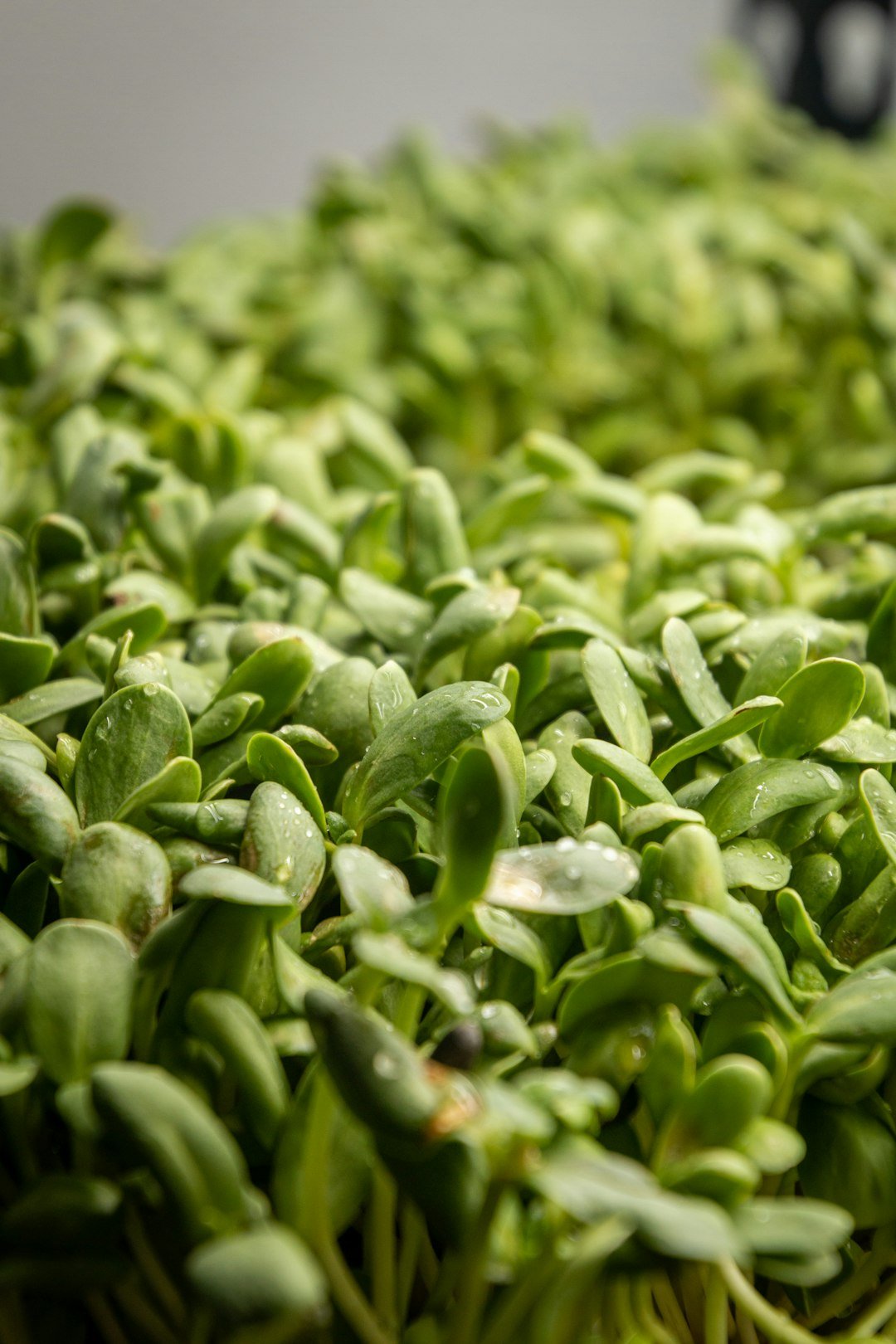
One fiery garnish doesn’t mean the whole category is doomed.
The first time I scattered radish microgreens over scrambled eggs, I expected something soft and fresh. Instead, I got that mustardy zip that makes arugula fans happy and makes me reach for plain toast. If that sounds familiar, you’re not being picky.
Some microgreens really are punchy, and a few are known for it. But they don’t all taste like tiny radishes. I think of them less as one flavor and more as a tiny salad bar: some come across mild, sweet, grassy, or gently nutty. Not liking the spicy ones doesn’t mean microgreens are off your list.
What “mild” really means
When I call a microgreen mild, I don’t mean bland. I mean it has less peppery heat, less bitterness, and a softer finish after you swallow. There’s still flavor—just not that sharp, nose-tingly kick that can make a whole sandwich taste like radish.
A mild tray might taste grassy, slightly sweet, buttery, or gently nutty. For me, the easiest test is the aftertaste: if the flavor fades smoothly instead of building into a bite, I usually file it under mild.
Why family matters
One thing that helped me stop guessing was learning that microgreens from the same plant family often share a flavor direction. They are not identical, but they tend to rhyme.
- Brassicas like radish, mustard, and arugula often lean peppery or punchy.
- Pea and bean relatives are usually sweeter, greener, and softer.
- Lettuces tend to stay tender and gentle.
- Beets and chard often bring an earthy, mellow note.
That pattern is useful because people often treat all microgreens as interchangeable, and they really aren’t. If I know I dislike the bite of one brassica, I’m more careful with its cousins. If I like peas or sunflower, I can usually expect another soft, seed-forward green to feel more familiar than a mustardy one.
How I judge whether a microgreen feels mild
When I taste a new tray, I don’t just ask, “Is it spicy?” I pay attention to four small signals that together make a green feel easygoing or sharp.
-
Raw flavor
First bite matters most. I look for sweet, grassy, cucumber-like, or lightly nutty notes rather than mustardy heat.
-
After-bite
Some greens start gentle, then turn warm a few seconds later. A mild one usually fades cleanly instead of building heat.
-
Bitterness
Bitterness can read as “strong” even without spice. I notice whether the flavor stays fresh or leaves a slightly harsh edge.
Texture counts too. Tender stems and soft leaves often feel milder, while tougher, fibrous greens can seem more assertive even when the flavor is fairly calm.
I’ve found that “mild” is a tendency, not a guarantee. The same variety can taste softer when cut younger, then sharper a few days later. Light, watering, and overall growing speed can shift intensity too, so even usually gentle greens may vary a bit from tray to tray.
My go-to mild microgreens
When someone tells me they dislike peppery greens, these are the trays I think about first. They’re not bland, but they usually land in the sweet, grassy, soft-finish zone instead of the radish-and-mustard zone.
The shortlist
- Pea shoots have a fresh snap-pea flavor with a little sweetness and a juicy, tender bite. They feel more like tiny salad shoots than “spicy greens,” which is why I often treat them as the safest first try. Caveat: if I let them go too long, the stems can get stringier and less pleasant.
- Sunflower microgreens taste mildly nutty and green, with a satisfying crunch that reminds me a bit of crisp lettuce crossed with raw sunflower seeds. They’re filling and friendly, especially in sandwiches or wraps. Caveat: they can seem a little hefty if you want something delicate, and older trays may pick up a faint astringent edge.
- Broccoli microgreens are usually gentle for a brassica: lightly green, faintly earthy, and not very sharp. I like them when I want something unobtrusive that disappears easily into a salad mix. Caveat: if they’re harvested late or grown under stress, that mild brassica note can drift toward a stronger cabbagey smell.
- Cabbage microgreens tend to be sweeter and cleaner-tasting than the spicy brassicas people often try first. The texture is crisp but not tough, and the finish is usually calm. Caveat: some purple varieties can bring a slightly stronger bite, so they’re mild-ish, not always ultra-mild.
- Lettuce microgreens are about as soft and delicate as they sound, with a very gentle baby-lettuce taste. If you’re extremely sensitive to bitterness or heat, they can feel reassuringly familiar. Caveat: they’re subtle enough that some people find them a little underwhelming, especially next to richer foods.
If I were picking only three
If you want the smallest chance of a peppery surprise, I’d start here:
- Pea shoots for sweetness and tenderness.
- Sunflower for crunch and a mild nutty flavor.
- Broccoli for a neutral, easy-to-mix green.
That trio covers three different textures without pushing into obvious heat. If you already know you prefer very soft salad flavors, I’d swap lettuce in for broccoli; if you like a bit more crispness, I’d keep cabbage in the backup slot.
Mild doesn’t always mean easy to like
Low heat and broad appeal are not the same thing. I’ve had microgreens that felt gentle on my tongue but still tasted very specific. Cilantro can come across as strongly herbal, beet can feel earthy, and chard sometimes has a mineral edge.
None of those are especially spicy, but they can still be polarizing. That’s why I try to judge both the spice level and the flavor personality before I buy a mix or start a tray.
- Heat level: peppery, neutral, sweet
- Flavor personality: grassy, herbal, earthy, mineral, nutty, juicy
A few quick examples help:
- If I’m not into strong herb flavors, I skip cilantro shoots even though they’re mild.
- If earthy notes bother me, I’m careful with beet and chard.
- If I want something easygoing, I lean toward pea, sunflower, or lettuce.
That distinction has saved me from plenty of “mild” greens that still weren’t my kind of mild.
Labels that usually signal more bite
Not always. Those mixes often slip in radish, mustard, or arugula.
The front label sounds soft, but the ingredient list can lean sharp fast.
Only if they are mostly broccoli. “Brassica” blends can turn punchy.
Broccoli itself is fairly tame; mustard and radish are the usual heat boosters.
Sometimes the color comes from radish, which brings real bite.
Purple stems and pink tones can be a clue that flavor is not staying quiet.
Some greens start assertive and stay that way.
In my trays, radish, mustard, cress, and arugula rarely read as mild, even young.
I read past the front label now. “Spicy,” “zesty,” “brassica blend,” “slaw mix,” and even some “chef’s salad” mixes can disappoint anyone avoiding bite. The names I treat cautiously are radish, mustard, arugula, and cress. If you want a quick side-by-side, it helps to compare mild and spicy microgreens.
How I shop for milder greens
-
Single-variety trays first
When I want a safe pick, I start with one named green instead of a house mix. It gives me one flavor to judge, not five competing ones.
Look forA tray labeled with one crop, like pea, sunflower, broccoli, cabbage, or lettuce.AvoidVague mixes that do not tell you exactly what is inside. -
Read past the front label
Words like “mild” or “salad blend” can be true, but the ingredient list tells the real story. If radish, mustard, arugula, or cress show up early, I expect more bite.
Look forShort ingredient lists with gentler names and no spicy brassicas near the top.AvoidFront-of-pack promises with hidden punchy greens in the fine print. -
Use cue words as shortcuts
On menus and market signs, I treat “sweet,” “grassy,” “nutty,” and “crisp” as encouraging signs. “Peppery,” “zesty,” “wasabi,” and “spicy” usually mean I should keep moving.
Look forSoft flavor words that suggest sweetness or fresh snap.AvoidHeat-forward words that hint at a sharp finish. -
Ask one plain question
If the label is sparse, I ask what stands out on the finish. Sellers can usually tell me whether a tray stays gentle or turns peppery.
Look forA simple flavor description in everyday words.AvoidAnswers that stay broad and never name the strongest ingredient.
I usually give a package five seconds: first the variety name, then the ingredient list, then any flavor words. If I am still unsure, I fall back on the seed choices that usually match my taste.
Gentler signals: pea, sunflower, lettuce, broccoli, cabbage, sweet, mild, grassy Punchier signals: radish, mustard, arugula, cress, spicy, peppery, zippyA mild microgreen can taste sharper or softer depending on what it lands on
-
Taste one bite plain
I start with a tiny pinch by itself. That tells me whether the problem is actual pepperiness, a bitter finish, an earthy note, or just a texture I do not enjoy.
-
Pair it with something bland and soft
The same greens often feel calmer on buttered toast, plain rice, eggs, or a turkey sandwich. Fat, starch, and moisture can round off edges that seem loud on their own.
-
Keep the first portion tiny
A few strands scattered over food usually reads very differently from a full handful. That makes the first try feel low-stakes instead of like a salad-sized commitment.
-
Change only one thing at a time
If the plain taste was fine but the sandwich was not, texture may be the issue. If it only bothers me plain, I know the flavor is manageable in context.
-
Use the result to pick the next green
If heat is the problem, I stay with pea, lettuce, or sunflower. If bitterness or earthiness is the real blocker, I look for sweeter, cleaner-tasting options rather than just “mild” labels.
Small tests usually reveal more than labels do
- Serving context can soften intensity.
- A tiny plain taste helps identify the real issue.
- Knowing whether you dislike heat, bitterness, earthiness, or texture makes the next pick much easier.
I have learned that microgreens can seem completely different depending on how I eat them. A tray that feels too sharp alone may come across as gentle once it is tucked into familiar, neutral food.
That is why my first tries stay small and simple. Once I know what is bothering me, I can branch out with a lot more confidence instead of assuming I just hate all microgreens.

This was actually helpful because I always assumed all microgreens were just tiny radishes in disguise 😅
Question though: where would kale microgreens land for you? They get marketed as “mild” a lot, but sometimes I get this slightly earthy/brassica thing that isn’t spicy exactly… just kind of lingering. I’m trying to figure out whether that counts as mild-but-not-very-likeable, or if I’m just buying older trays.
Kale is a good example of why “mild” and “easy to like” aren’t always the same thing. I’d usually put it in the mild-to-moderate range for heat, but it can still have that earthy brassica character and a slightly persistent finish, especially if it’s a bit older or grown under stress.
So yes, what you’re describing can absolutely be “mild” in the low-pepper sense while still not reading as especially pleasant to you. If you want softer options, pea, sunflower, or lettuce usually give less of that lingering brassica note.
I’m still a little skeptical about broccoli being in the go-to mild list, honestly.
Not saying it’s peppery like radish, but to me it has a distinct bite at the end that people who “hate greens” might still reject immediately. Feels like sometimes articles about mild greens only define mild as “not spicy,” when bitterness/that planty aftertaste is the real dealbreaker.
Your section about judging the first bite vs the finish kind of gets at that, though, so maybe the bigger issue is people using one word to cover 4 different reactions.
I appreciated the part about “mild-sounding blends” hiding radish or mustard, because wow… yes. I’ve bought blends labeled things like “salad mix” or “delicate mix” and then one bite is basically tiny fire 😂
Would you say single-variety trays are almost always safer for sensitive eaters, or are there any single varieties that still commonly surprise people?
Maybe dumb question, but if harvest timing changes intensity that much, is there any visual clue for shoppers? Like with pea shoots I can usually tell when they’re getting tough, but with cabbage or broccoli trays they all kind of look the same to me at the store.
Not dumb at all. I’ve had the same problem.
My very unscientific method is avoiding trays that look super tall or uneven, because those are the ones that seem stronger/floppier by the time I use them. Doesn’t always work, but it’s helped.