
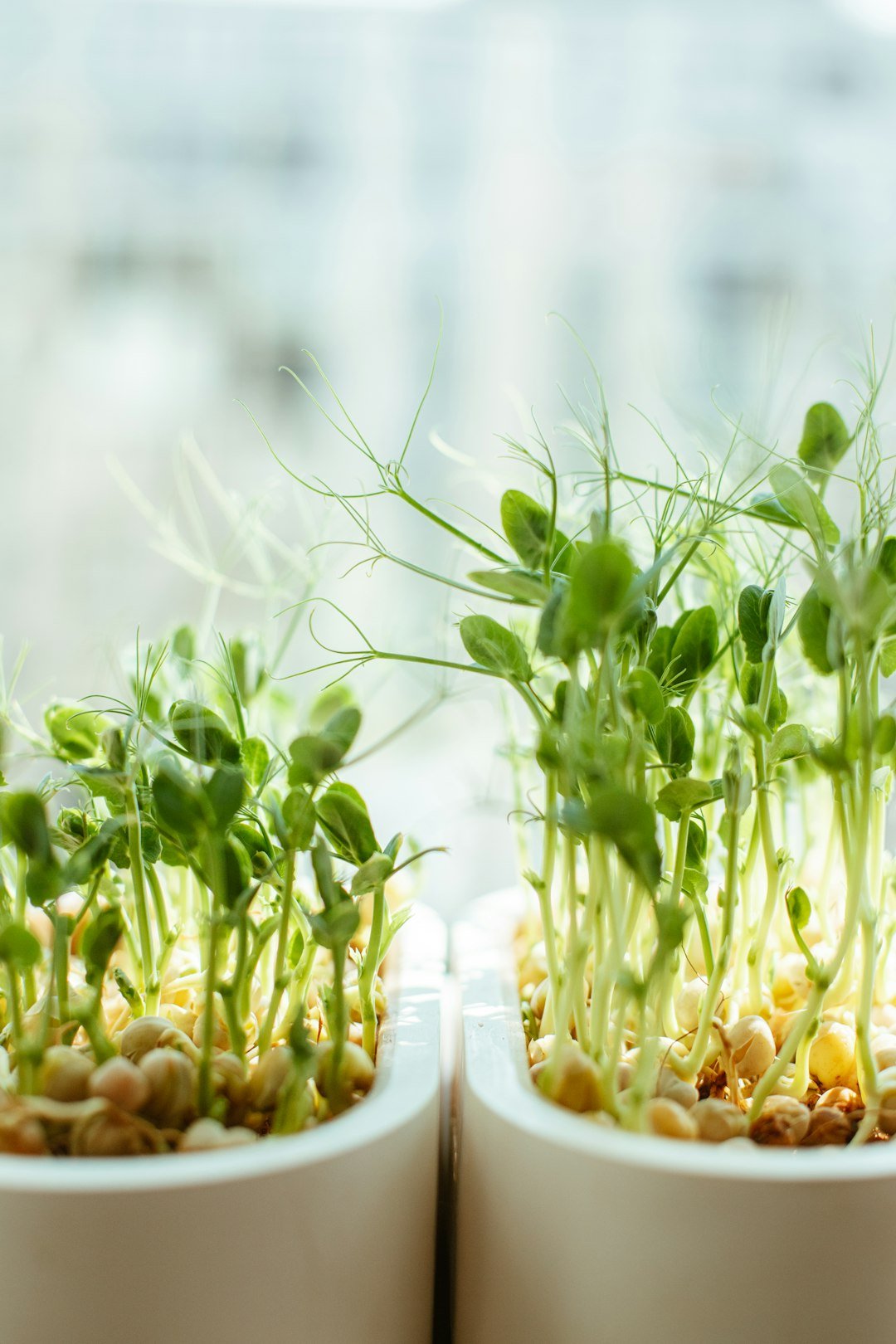
A tray can pop in two days and still leave me waiting.
I’ve had trays look exciting by day two—tiny green loops everywhere—then just sit there. That’s the trap with “fast” microgreens: quick germination doesn’t always mean a quick first cut. Some seeds wake up fast but need several more days before the stems lengthen and the cotyledons open enough to feel worth harvesting.
When I want something usable almost right away, I watch days to harvest, not just sprout speed. A crop that emerges a little slower can still beat a flashy starter if it reaches a dense, snippable mat sooner. In practice, that gap is what keeps a tray from feeling like a two-week science project.
- Some varieties germinate in 1–3 days but still need roughly a week or more before cutting feels worthwhile.
- A fuller canopy usually matters more for a satisfying harvest than the first signs of green.
Count days to a usable cut
When I talk about “fast” microgreens, I’m not counting the first tiny sprouts. I’m counting from sowing day to the point where I’d actually be happy to cut a tray and get a worthwhile handful. That usually gives a more honest picture than the exciting early pop of germination.
For a quick comparison, I like thinking in harvest windows, not exact promises. If you want a broader baseline, this guide on how long microgreens usually take helps put those windows in context.
- 5–6 days: genuinely quick, but usually only in warm, steady indoor conditions
- 7–8 days: a very common “fast” range for easy trays with decent stem length
- 9–10 days: still quick in my book, especially if the tray is fuller and easier to harvest cleanly
Indoor conditions shift the clock more than many beginners expect. Room temperature, light strength, airflow, seed density, and even how moist the medium stays can each add a day or two. So when you compare crops, compare them by first worthwhile harvest, not by who sprouts first.
If a tray has sprouted but still looks too short or sparse to cut comfortably, I don’t count it as “fast” yet.
What I counted
I ranked speed by what happened in a basic home tray: quick emergence, fast greening, and enough stem for an easy cut.
Even sprouting mattered more than the very first seed.
I wanted a canopy that colored up fast under simple lights.
Stubby, tangled mats slipped down because they were fussier to snip.
A packet may quote germination, not a usable harvest. In my trays, an earlier sprout sometimes still finished later if it stayed short or uneven.
The trays that usually reach snip-ready height first
I usually reach for radish first. It combines quick height, obvious yield, and a tray that looks “done” sooner than many others. If I want something gentler in flavor, broccoli is often close behind, even if it looks less dramatic day by day.
The fast growers I reach for most
A slightly slower tray can be more useful
Once I get past the race-to-first-cut crops, I usually start looking at what I’ll actually want on lunch all week. That’s where the milder, still-quick greens earn their spot. They may trail the speed leaders by a day or two, but I often eat more of them because the flavor fits almost anything.
A few that regularly land in that sweet spot for me:
- Cabbage: usually around 7–9 days; mild, a little sweet, easy to pile onto sandwiches.
- Kale: often 8–10 days; a touch sturdier, with a gentler brassica flavor than mustard.
- Arugula: often 7–10 days; still fast, but with a softer peppery note than radish.
- Mizuna: often 8–10 days; tender, mild, and very easy to mix into salads.
The tradeoff is simple: the fastest trays can be exciting, but not always versatile. A punchy radish harvest is great in small amounts; a mild cabbage or kale tray disappears faster in my kitchen because I can use handfuls at a time.
If I’m sowing for everyday eating rather than pure speed, I usually choose one bold tray and one mild tray. That gives me a quick harvest and something I’ll keep reaching for.
Peas and sunflower earn their place
Peas and sunflower earn their place
I love pea shoots and sunflower for the same reason many home growers do: they give that generous, crunchy handful that makes a tray feel exciting. But in my trays, they usually are not the first greens I’m cutting. They spend more time bulking up, and they ask for more setup than the quick brassicas.
Both are good examples of seeds that need a bit different tray handling. What often slows them down is not weak growth, but the extra fuss at the start:
- Soaking is common, especially for peas.
- Weight or blackout often helps them root and lift evenly.
- Hull management can matter with sunflower, since seed coats may cling to the leaves.
If I want an early snip, I usually reach for radish or mustard first. If I want a fuller, snacky harvest a few days later, peas and sunflower feel very rewarding. They’re popular for good reason; I just wouldn’t put them in the very fastest cut-and-eat group.
A tray can be satisfying without being especially early. Peas and sunflower often trade a few extra days for more bulk and crunch.
Which tray would I start with?
I want the fastest, most obvious win. What would I sow first?
I’d start with radish. It usually gives me the clearest sense of progress fast: quick lift, chunky stems, and a tray that looks harvestable without much guesswork.
I want something mild and beginner-friendly. Which seeds feel easiest?
Broccoli or kohlrabi are the pair I’d hand to most first-timers. They’re still quick, the flavor is gentler than mustard or radish, and I find they’re easy to enjoy in bigger handfuls.
I like a peppery bite, but I still want speed. What matches that?
Mustard is the speedy spicy choice for me. If you want the same general direction with a slightly lighter feel, arugula can work too, though it often lands a bit later.
I care more about a substantial, crunchy harvest than shaving off a day or two. Then what?
That’s where peas or sunflower start to make sense. I don’t think of them as my simplest first tray, but they can feel more like a small salad and less like a garnish.
Fast setup
-
Shallow tray
Quicker reset.
-
Test density
Test one tray before bulk starter seeds.
-
Skip soaking
Small, no-soak seeds keep pace.
-
Seed
Small, no-soak stays quick.
LookRadishAvoidSunflower -
Pack
Buy little first.
LookSamplesAvoidBulk
Chia basics
Tropeaka shows a soil-free kitchen tray.
Small habits that quietly slow a “fast” tray
Moderate density usually cuts better than a crowded mat.
When seedlings stack up, stems stay shorter and airflow drops.
Even moisture works better than a soggy tray.
Wet media can slow roots and invite patchy growth.
Cut by height and leaf stage, not the calendar alone.
Room temperature and light shift timing by a day or two.
- A single broccoli tray is an easy timing lesson: sow, keep covered until lift, then give bright light and steady bottom watering.
If I wanted one copy-and-go start, I’d do a small broccoli tray. It’s usually quick, mild, and forgiving enough to teach the rhythm: sow evenly, don’t crowd, keep moisture steady, and harvest when the stems look worth snipping — often around a week, give or take.
Once that timing feels familiar at home, branching into radish, mustard, or kohlrabi gets much easier.

The density/pack size mention felt a little too brief for me, because I think that’s where a lot of beginners get tripped up.
If somebody is trying to optimize for quick harvest, is the bigger mistake usually overseeding because they want a thick canopy fast, or underseeding because they’re being cautious? I’ve had trays stall out from crowding, but sparse trays also feel like a waste of space.
Basically: is there a “better to err on this side” answer, or is it really crop-specific?
I’d generally rather see a beginner slightly underseed than oversow hard. Crowding creates more problems at once — weaker stems, trapped moisture, uneven lift, and slower recovery after germination.
A slightly sparse tray may not be ideal, but it usually still grows cleanly and teaches you more. Once you’ve seen how a crop behaves in your setup, you can increase density in small steps instead of guessing big.
Yep, overcrowding bit me way harder than underseeding ever did. Sparse broccoli was still edible; packed mustard turned into a weird damp carpet.
The distinction between “first sprouts” and “usable cut” was honestly the most helpful part here. A lot of seed sellers kinda blur that line and make everything sound like a 4-day miracle 😂
One thing I’m still unsure about: if radish and mustard pop fastest but can get leggy when conditions are off, would you still recommend those to a total beginner over broccoli/kohlrabi? I get the speed appeal, but I’m wondering if the slightly slower tray is actually more forgiving in a normal apartment setup.
Yes — that’s exactly the tradeoff I think about. Radish and mustard often give the quickest win, but broccoli and kohlrabi are usually a little more forgiving if your light, airflow, or watering aren’t dialed in yet.
If a beginner wants the fastest possible tray, I’d still mention radish first. If they want an easy first success with less fuss, broccoli or kohlrabi may be the better starting point.
I started with broccoli for that reason and it was way less dramatic lol. Radish was faster for me, but also way more obvious when I messed up watering.