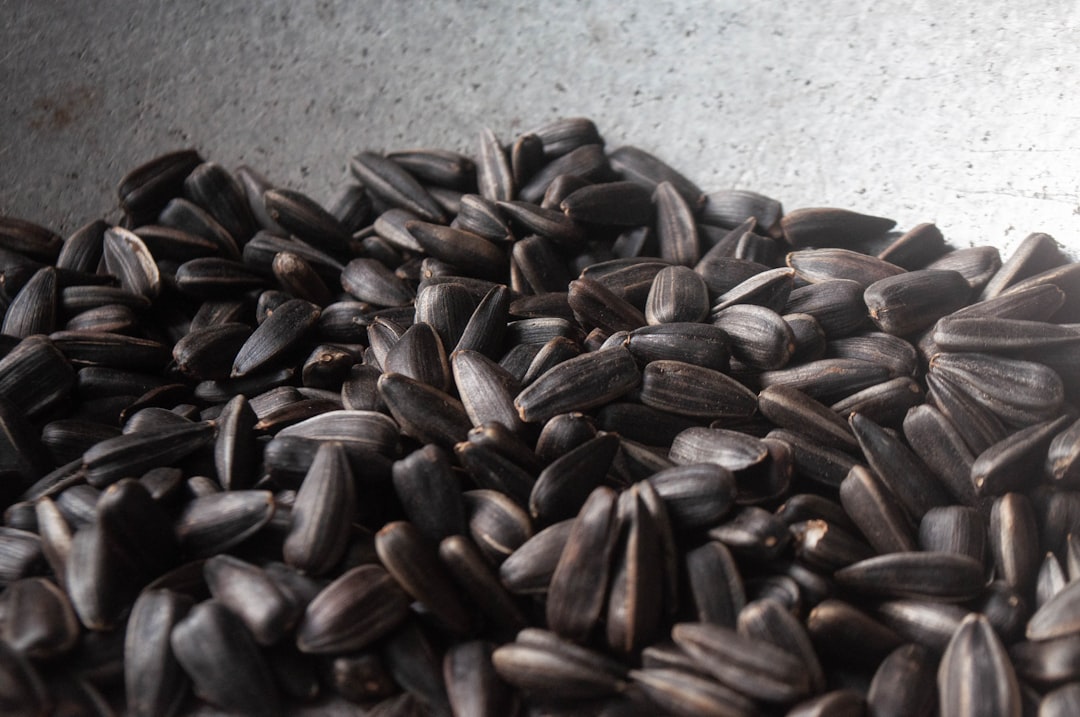
Nearly identical bags can grow into very different trays.
A tray can be soaked perfectly, weighted neatly, and misted on schedule — then still come up thin if the seed was wrong from the start. With sunflower microgreens, seed choice comes before technique because viability, hull condition, and treatment status decide whether the tray sprouts evenly or turns into a damp pile of stubborn shells.
For microgreens, unhulled, untreated sunflower seed is usually the safer starting point. Hulled kernels may look clean and convenient, but many are damaged, heat-treated, or meant for snacking, not sprouting. Black oil types are popular because they tend to germinate readily and make sturdy shoots, though freshness still matters more than the label.
- Look for planting or sprouting use, not roasted or salted food use.
- Prefer lots with germination dates or recent packing information when available.
- Avoid seed with chemical treatment warnings on the label.

Start with food-safe, viable seed
For microgreens, the safer starting point is raw, untreated sunflower seed sold for sprouting, microgreens, or food-safe growing. The label should suggest the seed is viable, meant to germinate, and handled with edible crops in mind. This is the baseline for choosing microgreens seed with fewer surprises.
Pantry sunflower kernels are often roasted, salted, hulled, or heat-processed, so they may not sprout at all. Even raw snack kernels can be damaged during shelling, which leads to patchy trays and more spoilage.
Garden seed is another place to read carefully. Some lots are treated with fungicides or coatings intended for field planting, not eating as young greens. Feed-only seed can also be inconsistent, with more dust, debris, cracked seed, or unclear handling standards.
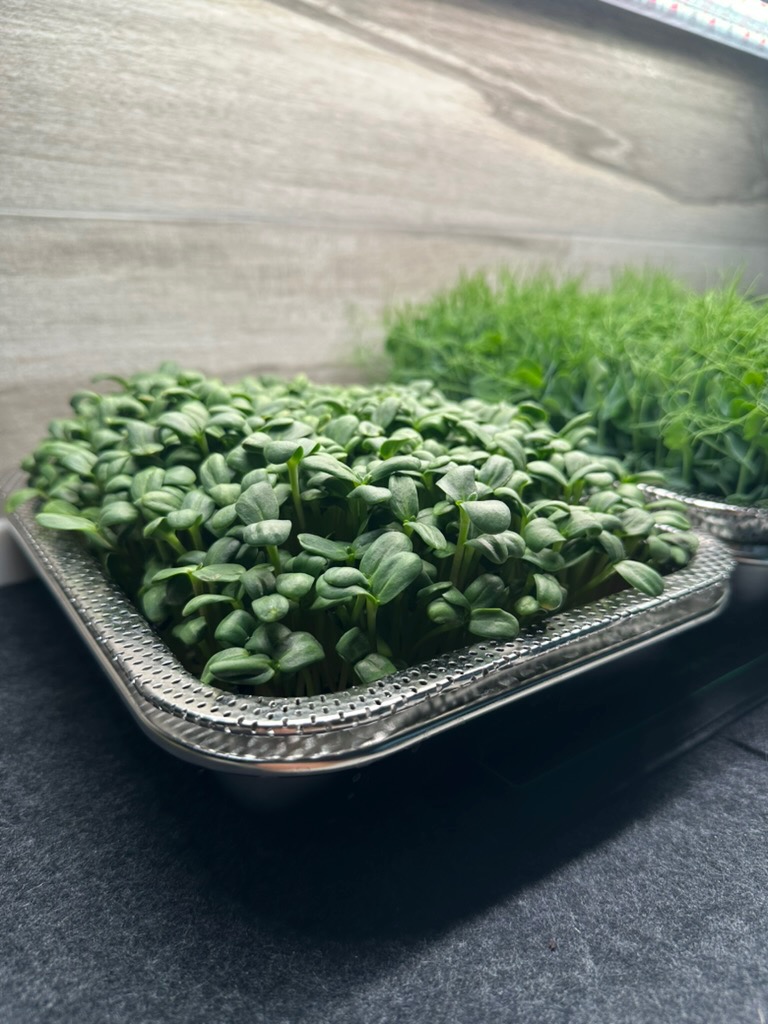
Look for wording such as raw, untreated, sprouting, microgreens, or food-grade. If the package says treated seed, for planting only, or feed, it is better kept out of microgreen trays.
What the seed labels actually mean
- Hulled
The hard outer shell has been removed, leaving the pale kernel. These are common as snack seeds, but they are usually poor candidates for microgreens because many are damaged, roasted, salted, or no longer viable.
- Unhulled
The shell is still on the seed. For sunflower microgreens, this is the usual starting point because intact raw seeds are more likely to sprout evenly.
- Black oil sunflower
A seed type, not a shell status. Black oil seeds are small, dark, oil-rich sunflower seeds often sold for birds or planting; they may be hulled or unhulled, though microgreen growers usually mean unhulled.
- Striped sunflower
Another seed type, often larger and familiar from snack mixes. If raw and unhulled, it can sprout, but size and freshness may affect how evenly trays grow.
- Untreated
No fungicide, pesticide coating, or planting treatment has been added. For edible greens, this label matters as much as whether the seed is black oil or striped.
A practical seed-buying checklist
-
Fresh, clearly dated seed
Sunflower seed loses vigor as it sits, especially if stored warm or damp. A crop year, packed-on date, or recent germination test is more useful than a shiny “premium” claim.
Look forRecent lot information, a germination rate, and sealed packaging from current stock.AvoidUndated bags, warehouse-clearance seed, or listings that hide age behind vague marketing words. -
Clean, intact, untreated lots
Good microgreen seed should look dry, whole, and reasonably uniform, with little dust or broken material. For growing, untreated seed matters more than whether the bag has a fancy label.
Look forFood-safe or sprouting/microgreens seed marked untreated, with low debris and uncracked hulls.AvoidTreated garden seed, feed-only lots, oily kernels, musty smells, or bags with many crushed seeds. -
A supplier that answers basic questions
Reliable sellers usually make it easy to confirm seed type, treatment status, and intended use. Clear photos, lot details, and responsive customer service are worth more than broad promises.
Look forSuppliers that state unhulled black oil or striped sunflower, provide lot details, and respond plainly.AvoidListings with copied descriptions, no treatment information, or claims that sound too broad to verify. -
A package size that matches use
Buying more can lower the per-tray cost, but stale leftovers are a common false economy. Smaller bags are sensible for testing a new source; larger bags make sense once germination and flavor seem consistent.
Look forTrial sizes first, then larger resealable or well-packed bags if results are steady.AvoidOversized bargain sacks before testing, especially if storage space is warm or humid.
Unhulled sunflower: the dependable starting point
Unhulled sunflower seed is the version most growers picture when they think of sunflower microgreens: a whole seed with its shell still on. When it is sold as sprouting-grade seed and has been stored well, it tends to be a steady, approachable choice for home trays. The shell protects the kernel during storage and handling, which can make fresh lots feel a little more forgiving than fragile hulled kernels.
The tradeoff is that those shells do not disappear. As the shoots push up, some hulls cling to the leaves and need to be brushed off, rinsed away, or picked out during harvest. A few stubborn caps are normal, but heavy hull cling can make a tray look messy and slow down cleanup.
Good handling helps unhulled seed perform better:
- Soak before sowing to wake the seed evenly and soften the shell.
- Use weight during early germination so roots anchor before shoots lift the lid.
- Keep the tray damp, not swampy; sunflower can sour if moisture and warmth get excessive.
- Remove loose hulls before harvest by gently agitating the canopy once leaves open.
For many buyers, unhulled sunflower is the practical default: easy to find, usually priced reasonably, and familiar to grow. The main caution is freshness. Older or poorly stored seed may sprout unevenly, no matter how carefully the tray is managed.
Why black oil sunflower is a practical pick
Black oil sunflower seed is popular with microgreen growers for a simple reason: it usually balances availability, vigor, and price well. The seeds are small, oil-rich, and commonly sold in larger quantities, which can make them convenient for anyone planting tray after tray rather than testing a single batch.
When sourced as sprouting-grade or microgreen seed, black oil sunflower often germinates strongly and produces sturdy shoots with the familiar nutty sunflower flavor. It is also easier to find than some specialty striped sunflower lots, especially from seed suppliers that serve home growers and small farms.
The catch is that “black oil” does not automatically mean suitable for microgreens. The same crop is widely sold for wild birds, and those bags are not held to the same expectations for cleanliness, handling, or germination. Birdseed may be dusty, old, heat-damaged, treated, or mixed with debris. Some growers get lucky with it; many get uneven trays, mold pressure, or disappointing sprout rates.
For repeat growing, the more practical comparison is not simply price per pound. A slightly more expensive seed lot can be better value if it gives fuller trays and fewer failed starts. Before buying in bulk, it is sensible to order a smaller bag, run a test tray, and note:
- germination after soaking and blackout
- odor during soaking
- visible cracked, broken, or dusty seed
- hull cling at harvest
- how evenly the tray fills in
Generic black oil birdseed is made for feeders, not fresh shoots. For microgreens, look for seed clearly sold as sprouting, microgreen, or food-safe untreated seed. The label and supplier matter as much as the sunflower type.
Why hulled kernels are a gamble
Hulled sunflower kernels are usually sold as food, not as growing seed. Once the shell is removed, the kernel loses a layer of protection that helps it handle storage, soaking, and tray moisture. Some kernels may still sprout, especially if they are raw and fresh, but the results tend to be less predictable than with intact seed.
The trouble often shows up after soaking. Broken edges absorb water quickly, soften unevenly, and can turn mushy before roots have a chance to anchor. In a dense microgreen tray, those damaged pieces may spoil rather than grow, leaving wet patches and an off smell.
For anyone comparing bags at the store, a few clues matter:
- “Hulled,” “kernels,” or “hearts” usually means shell removed.
- Roasted, salted, or flavored kernels are meant for eating, not planting.
- Raw food-grade kernels may sprout, but germination is hit-or-miss.
For more reliable sunflower microgreens, intact, untreated sprouting seed is usually the safer purchase.
A small test tray can show whether a bag of raw kernels is viable. If many pieces swell, sour, or collapse instead of rooting, the batch is better treated as food rather than seed.
Which sunflower seed makes sense for the tray?
Hulled kernels can still be used for kitchen experiments, but they are usually a poor match for predictable microgreen trays.
Buy small, then scale
A small bag is often the calmer first purchase, especially with a new supplier or a new seed type. A quick germination test in a jar or a single tray shows more than a label can: fresh sunflower seed should wake up evenly, smell clean, and produce sturdy shoots without turning slimy.
Bulk buying starts to make sense once germination looks reliable and trays are being grown often enough to use the seed while it is still vigorous. Sunflower microgreens use a generous amount of seed per tray, so a 5 lb bag is not excessive for regular growers—but it can be wasteful if it sits through warm, humid months.
| Buying situation | Sensible move |
|---|---|
| New seller or unknown lot | Start with a small bag |
| One or two trial trays | Avoid bulk for now |
| Repeat trays every week | Consider larger bags |
| Limited cool storage | Buy less, more often |
Storage matters almost as much as the purchase itself. Keep seed cool, dry, dark, and sealed, with the purchase date written on the container. Moisture, heat, and repeated opening can quietly reduce viability, even when the seed still looks normal.
Last check before sowing
-
Smell the bag
Skip seed that smells musty, sour, chemical, or rancid.
-
Look closely
Avoid dusty lots, webbing, mold, cracked kernels, or many empty shells.
-
Read beyond “organic”
Organic does not guarantee sprouting quality. Look for untreated, food/sprouting use, and a recent pack date.
-
Test cheap
Sprout a small jar or half-tray before filling several trays.
Can birdseed work?
Sometimes, but it is a gamble. It may be old, dusty, treated, or cleaned to feed standards rather than sprouting standards.
Is organic seed automatically safer?
Not automatically. Organic describes how it was grown, not whether it is fresh, viable, untreated, or intended for sprouting.
Are hulled kernels ever worth trying?
They can be tested in small amounts, but they often break down faster in wet trays. Unhulled seed is usually more forgiving.
What is the cheapest safe test?
A small germination test is usually enough. If many seeds fail, smell bad, or grow mold quickly, the bag is not tray-worthy.
Supermarket seed sprouting trial
Simon Akeroyd Gardener shows sunflower microgreens grown from supermarket-bought seeds, a useful reminder to test small before trusting any unfamiliar bag.
- Buy small first; a clean test tray is a better signal than a promising label.
- Treat hulled sunflower kernels as a special-case purchase, not a default seed choice.
For most home trays, the safer buying rule is simple: choose raw, untreated sprouting-grade black oil sunflower or unhulled sunflower seed. Skip hulled kernels unless the seller clearly markets them as viable seed for sprouting or microgreens.
Before buying a larger bag, a small germination test can reveal stale seed, off smells, or poor tray performance. Once the shoots are cut, tender stems can go into sandwiches, bowls, omelets, or simple sunflower shoot recipes.

For the small germination test, how small are we talking? Like 10 seeds on a wet paper towel, or should I test enough to mimic a tray?
I’m trying not to overthink this but also don’t want to plant a whole tray of expensive compost confetti.
I’m still a little confused on “black oil” vs “unhulled.” Are black oil sunflower seeds always unhulled, or can they be hulled too?
I bought a small bag labeled black oil sunflower for birds, and now I’m side-eyeing it after reading the birdseed warning 😅
Good question — “black oil” refers to the sunflower type, while “hulled/unhulled” refers to whether the shell is still on. Most black oil sunflower sold for birds is unhulled, but that doesn’t automatically make it a good microgreen seed.
The issue with birdseed is usually handling and quality control: it may be dusty, older, cracked, treated differently, or not packed with food-sprouting standards in mind. For a tray you plan to eat, I’d look for black oil seed specifically sold as sprouting or microgreen seed.
I made the birdseed mistake once. It did sprout, but the tray smelled weird by day 3 and I tossed it. Not worth saving like $4, honestly.
I’ve had decent luck with unhulled sunflower, but the hull cling drives me crazy. Is that mainly a seed quality issue, or am I messing up moisture/weight during blackout?
The greens look good, then I spend forever picking little helmets off like I’m grooming tiny soldiers.