
Usually, an old packet is more of a performance question than a safety one. In my trays, older seed is more likely to sprout slowly, unevenly, or sparsely than to … Can I Use Garden Seeds for Microgreens Safely?Read more
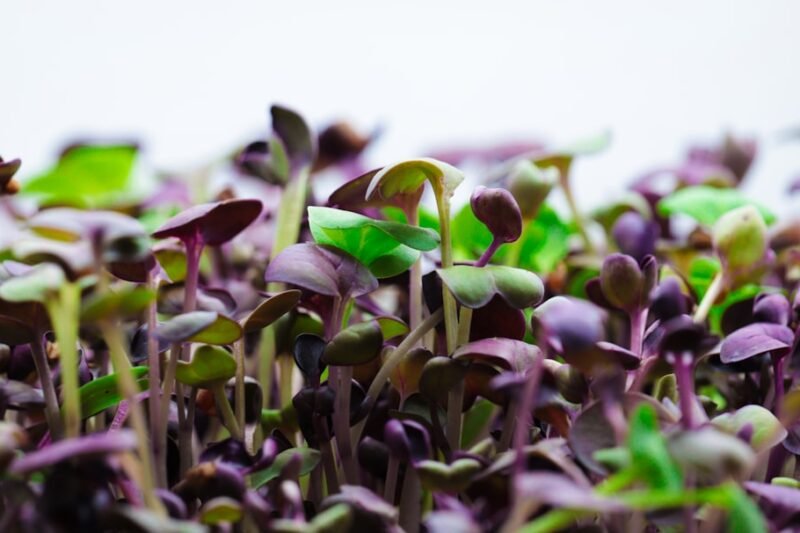
Usually, an old packet is more of a performance question than a safety one. In my trays, older seed is more likely to sprout slowly, unevenly, or sparsely than to … Can I Use Garden Seeds for Microgreens Safely?Read more

When I started, I assumed sugar was mostly there for sweetness. In practice, it’s the grains’ main food source: they consume the sugar, then leave behind a drink that tastes … Best Sugar to Keep Water Kefir Grains FermentingRead more
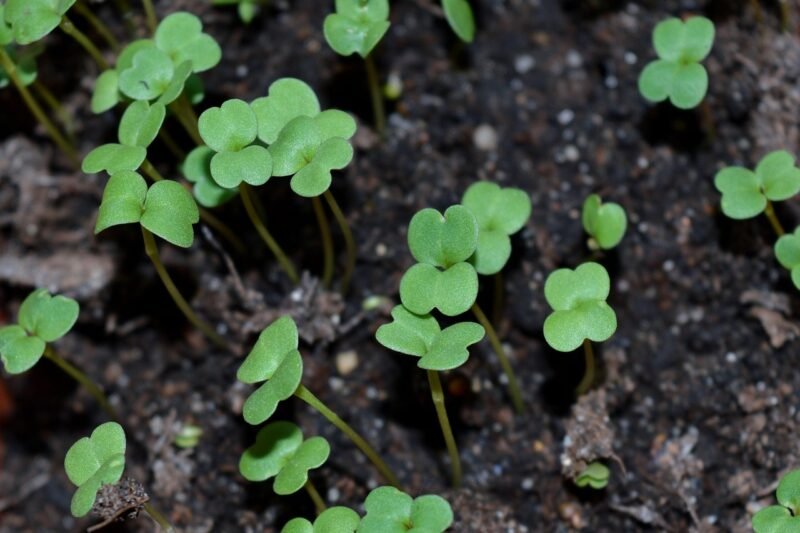
When I say spicy here, I’m not talking about chili heat. Most microgreens don’t bring a capsaicin-style burn; they lean more toward a peppery, mustardy bite—the kind of zip I … Spicy Microgreen Varieties Ranked by Peppery BiteRead more
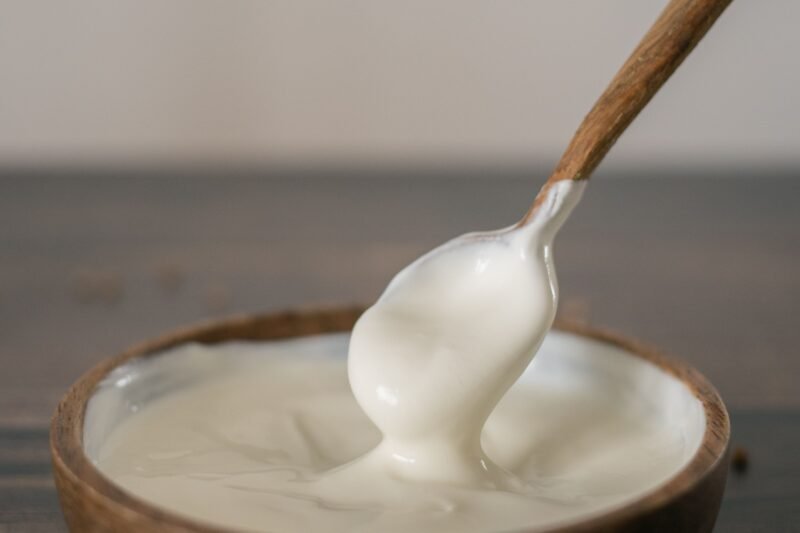
Thickness can look mysterious until I break it into four small levers. When a batch turns out well for me, it’s usually because those levers lined up—not because I got … How to Make Sour Cream That Thickens Without GuessworkRead more
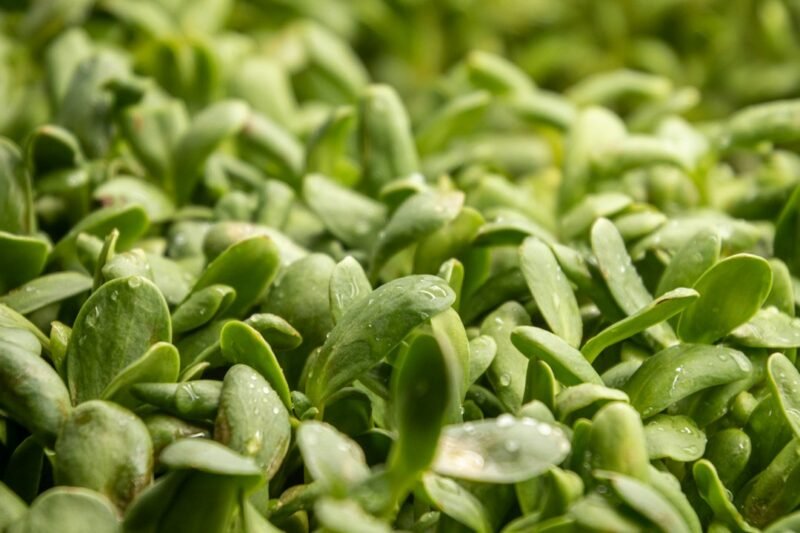
When I call a microgreen mild, I don’t mean bland. I mean it has less peppery heat, less bitterness, and a softer finish after you swallow. There’s still flavor—just not … Mild-Tasting Microgreens for People Who Hate Peppery GreensRead more

When I talk about “fast” microgreens, I’m not counting the first tiny sprouts. I’m counting from sowing day to the point where I’d actually be happy to cut a tray … Fastest Microgreens to Grow When You Want a Quick HarvestRead more
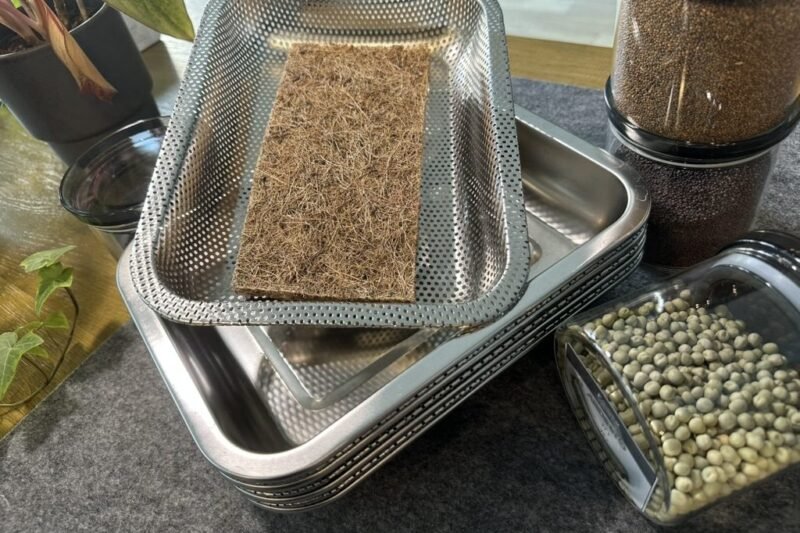
The useful part of this design is the gap between the perforated growing tray and the solid water tray below it. Once the roots grow through the holes, they can … Stainless Steel Microgreens Growing Trays: Are They Worth It?Read more

When I want a calm reference point, I usually reach for plain whole cow’s milk first. It tends to land in a very workable middle: enough fat for a rounder … Best Milk for Kefir Grains When Consistency MattersRead more
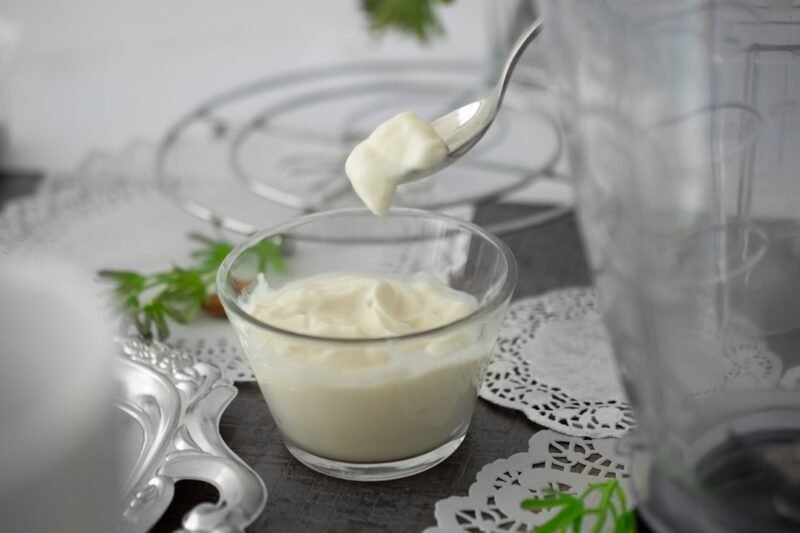
Greek yogurt is simply regular yogurt with some of its whey strained off. If I that has set reasonably well—even if it seems a little loose—I can often turn it … How to Make Greek Yogurt From a Regular Homemade Yogurt BatchRead more

The basic process is simple. Lactic-acid bacteria use sugars in the vegetables and gradually make the mixture more acidic. Three things matter most inside the bag: With a jar, I’m … Vacuum-Sealed Fermentation: The No-Jar Method for Easy FermentsRead more