
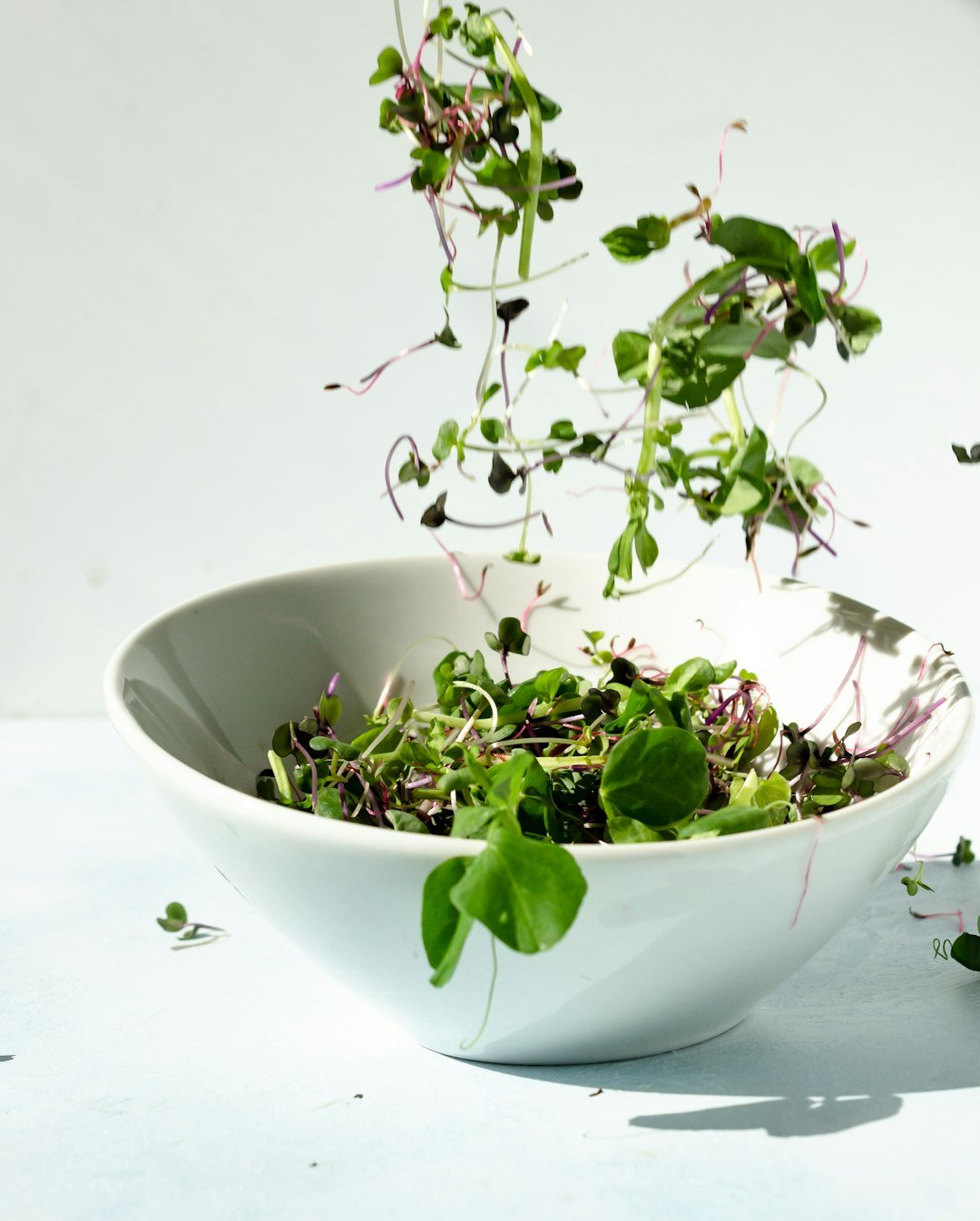
Clean enough to relax, crisp enough to enjoy—that little pause is completely normal.
I know that moment: I’m standing at the sink with a handful of microgreens, wondering whether a rinse will freshen them up or turn them into a limp clump. With these tiny greens, it rarely feels like a yes-or-no rule. It feels more like reading what’s in front of me.
If they look spotless and I know where they came from, I might skip washing and just pick out the stray seed hulls. If they seem dusty, packed tightly, or a little wilted already, a gentle rinse can feel worth it. That isn’t being fussy—it’s just normal kitchen judgment, batch by batch.
Usually yes—but timing matters more
I don’t treat microgreens as an automatic wash or skip situation. Washing can help, especially if there’s any grit, wilted bits, or you’re unsure how they were handled. But in my experience, sogginess is usually a timing and technique problem, not proof that washing itself was a mistake.
The quick filter I use is simple:
- Source: If they came from my own clean tray or a grower I trust, I’m a little less worried.
- Visible cleanliness: If I see seed hulls, soil, or damp clumps, I’m more likely to rinse.
- When I’m using them: For immediate eating, a light wash is easier to justify. For storage, extra moisture can shorten their life.
If I do wash them, I try to keep it gentle and brief, then dry them well before they touch a container. If they already look clean and I want them to last another day or two, I’ll often wait and wash only the portion I’m about to eat.
Read the batch, not a rule
Read the batch first
I’ve had some microgreens that clearly needed a quick rinse and others that were better left dry. What helps me most is looking at where they came from and what I can actually see on the leaves.
If I grew them at home and cut them fresh from a clean setup, I often skip washing unless I spot soil, seed hulls, or stray fuzz. A lot depends on how well I clean trays before growing and whether water ever splashed up onto the canopy.
Sealed store packs feel different to me. If the greens look crisp and dry, I’m less likely to rewash them before storing. If I notice lots of condensation, crushed leaves, or a sour smell, a rinse probably won’t improve that batch much.
Farmers market bunches usually get the closest inspection because they’ve often been handled, transported, and sometimes misted. Living trays can stay fairly clean, but I still check near the base, where soil and loose hulls tend to hide.
A fast visual check tells me more than any blanket rule:
- Rinse if I see grit, hulls, debris, or obvious handling residue.
- Wait to rinse if the greens already look quite damp.
- Use soon if leaves seem limp, slimy, or yellowing.
Water isn’t usually the real problem
Plain water usually isn’t what wrecks them.
In my kitchen, they hold up fine after a gentle rinse if I dry them soon. Trouble starts when tender stems get crushed or rubbed hard.
Lingering droplets are often the bigger culprit.
Beads of water can sit between leaves, weigh them down, and leave wet pockets. That heavy, patchy dampness makes microgreens feel softer faster.
Sealing them while damp is what often leads to slime and fast spoilage.
When moisture has nowhere to go, the container turns into a humid little box. That’s when I notice collapse, slick leaves, and a short fridge life.
Gentle rinse
-
Fill bowl
Cold water.
-
Dip briefly
Swish 5 seconds.
-
Lift out
Grit stays behind.
-
Dry softly
Towels or a salad spinner.
Keeping rinsed greens crisp
I like The Frenchie Gardener’s fridge-storage walkthrough; it complements a light rinse and careful drying.
Sometimes I don’t wash them
If a batch looks fresh, dry, and visibly clean, I’ll sometimes skip the rinse and use it right away. That’s most likely for homegrown greens I just snipped, or a small handful from a tray that hasn’t been splashed with soil. In that narrow moment, adding water can feel less helpful than simply handling them carefully.
That said, I treat this as a situational call, not a rule. I still pause and check the batch itself:
- Look: no slime, fuzz, dark spots, or collapsed stems
- Smell: fresh and green, not sour or musty
- Touch: crisp rather than damp and limp
If I see a few rough pieces, I trim them out instead of pretending the whole batch is fine. One bruised stem isn’t always a deal-breaker; a wet, funky cluster is different.
For me, the useful question is simple: does this batch seem clean and sound right now? If yes, immediate use can be reasonable. If anything feels off, I’d rather rinse, sort, or skip it.
Dry well, store smart
Once I’ve washed microgreens, I treat them like they have less margin for error. The rinse itself usually isn’t what makes them limp; leftover moisture and trapped humidity do more damage in my experience.
Drying matters most
I aim for fully dry, not just “not dripping.” A gentle salad spinner, clean towel, or paper towel press can help. If the towel still picks up moisture, I give them a little more time.
Storage does a lot of the work
I usually avoid sealing damp greens in a tight container. What tends to work better is:
- a container lined with a dry towel or paper towel
- a lid slightly ajar, or a vented container
- a shallow, loose layer instead of a packed clump
Washed microgreens are often fussier and shorter-lived than unwashed ones, even when I’m careful. In the fridge, I expect a smaller window and check for condensation before I blame the rinse.
If the container starts fogging up, I usually swap the liner and let the greens breathe a bit. Tiny droplets can matter more than the wash itself.
Use the lightest touch that fits tonight
- Clean-now batches can stay dry.
- Softer greens still work cooked or blended.
My simple rule: match the method to the batch and the moment. If the greens look clean and I’m eating them right away, I may skip washing or do a very quick dip. If they need fridge time, I only rinse when needed and dry them thoroughly.
If a batch softens a bit, I stop expecting salad crunch and use it where texture matters less: eggs, soup, rice, noodles, or a smoothie. That way, a slightly tired handful still gets used well.

Short dip + lift instead of blasting them under the faucet = game changer.
I was basically pressure-washing baby greens before 😂 No wonder they looked tired.
I buy those sealed packs from the grocery store and honestly this is where I get stuck. Sometimes they look super clean, other times there’s condensation in the package and a few crushed stems.
Your “read the batch, not a rule” point is probably the only advice that actually matches real life. I don’t always wash sealed packs if I’m using them right away, but if they smell even slightly off I just toss the worst bits and use the rest fast.
This was weirdly reassuring lol. I always thought rinsing was automatically the thing that ruined them, but the part about trapped moisture being the real issue makes more sense.
I’ve definitely been guilty of washing them, tossing them in a container still damp, and then acting shocked two days later when they turn slimy 😅
That’s such a common pattern. A quick rinse usually isn’t the downfall by itself—it’s the moisture that stays behind and gets sealed in. If you want to wash ahead, giving them a little extra drying time on a towel can make a big difference.
My problem is the *dry well* step because I’m impatient lol. By the time I’ve rinsed, patted, spread them out, and waited, dinner is over.
I do appreciate the reminder that limp ones can still go into eggs or soup though. I always act like they’ve failed me personally when they’re a little floppy.