
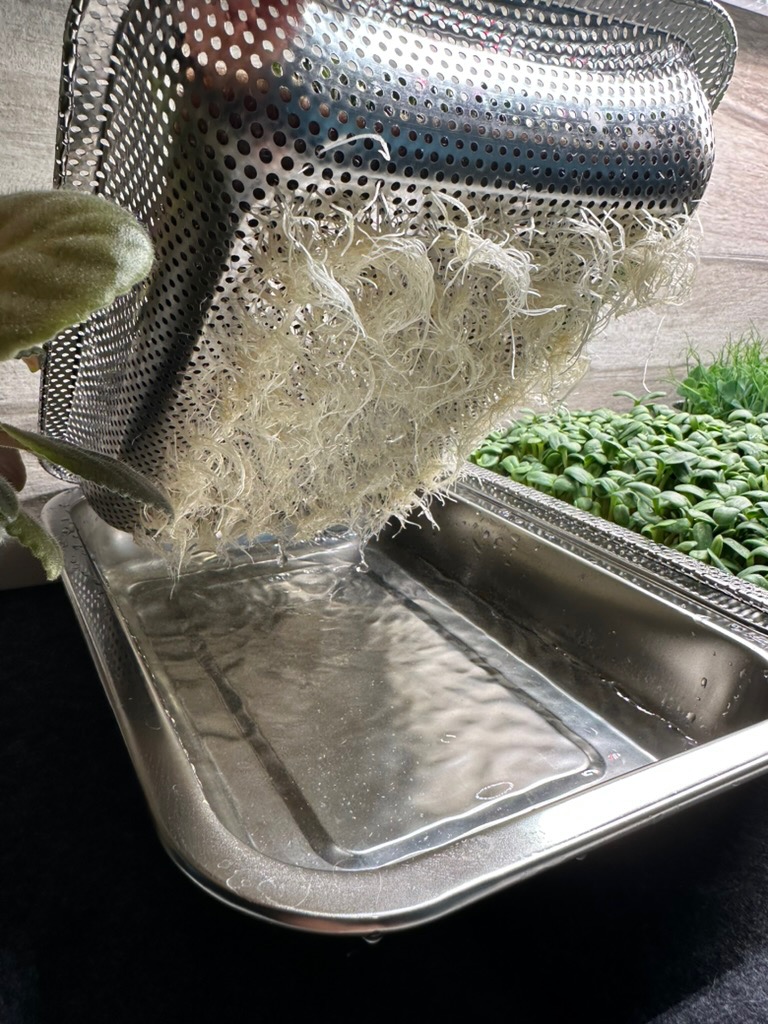
Microgreens are small, but the mess can feel surprisingly big.
A tray of radish or broccoli greens can look charming on Monday and feel like a damp chore by Thursday. Seeds stick to fingers, water pools under lids, and a faint musty smell can creep in if air movement is poor. For a countertop grow, the cleaner choice is often the one that makes daily checking simple.
Soil brings a familiar, forgiving feel, but it can shed crumbs and hold moisture unevenly. Hydroponic trays skip loose potting mix, yet still need rinsing, draining, and attention to standing water. The real comparison is less about MAXIMUM harvest and more about how tidy the setup stays between snips.
Fast picks by mess level


What “cleaner” really means indoors
-
Loose debris
Soil can leave specks on counters during filling, harvesting, or tipping a tray. Soil-free mats, paper towel, and mesh trays usually reduce crumbs, though roots and seed hulls still need wiping up.
Look forContained edges, simple harvest access, and media that lifts out in one piece.AvoidOpen, shallow setups that shed mix or hulls every time they move. -
Water control
Most indoor mess comes from extra water, not the growing method itself. Hydro trays can slosh or leak; soil trays can drip muddy runoff if watered too heavily.
Look forBottom watering, visible reservoirs, and trays that make water level easy to judge.AvoidGuesswork watering, warped trays, and no catch basin. -
Washability and odor risk
Smooth plastic or ceramic parts are easier to rinse than fibrous mats or compacted soil. Warm rooms with poor airflow can make either setup smell stale if water sits too long.
Look forRemovable parts, nonporous surfaces, and airflow around the tray.AvoidIgnored reservoirs, soggy corners, and dense planting that never dries slightly. -
End-of-grow disposal
Soil often means dumping a root mat plus used mix. Hydro or paper-based media can be cleaner to bag, compost where appropriate, or discard with less counter cleanup.
Look forA spent crop that lifts out cleanly.AvoidMedia that breaks apart across the sink or counter.
Neither soil nor hydro stays tidy when it is overwatered and left alone. In warm, low-airflow rooms, pooled water, sour smells, and fuzzy growth can show up quickly, even in a neat-looking kit.
Where soil still makes sense
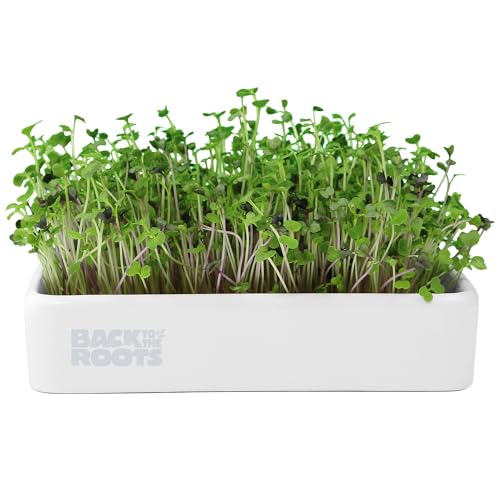
Soil microgreens feel approachable because the routine is familiar: fill a shallow tray, sow thickly, mist or water, then harvest with scissors. A kit such as the Back to the Roots Ceramic Microgreens Grow Kit can make this feel more contained than loose nursery trays, especially on a kitchen counter.
The tradeoff is residue. Potting mix can cling to seed hulls, collect around tray edges, and scatter during harvest or disposal. Even careful growers may find dark crumbs near the sink after trimming greens.
A cleaner soil setup usually comes down to handling, not the soil itself:
- Use a tray with a solid outer catch tray.
- Pre-moisten the medium before filling to reduce dust.
- Water gently from the side or bottom when possible.
- Keep the grow spot separate from cutting boards and meal prep.
- Compost or bag spent mats before they dry and crumble.
Soil is forgiving, but it rewards boundaries.
Place a washable mat or tray under soil kits. It catches stray mix, seed hulls, and drips before they spread across the counter.
Back to the Roots Ceramic Microgreens Grow Kit — soil growing that looks countertop-ready
Best for affordable, attractive indoor growing
This small Back to the Roots kit packages the familiar soil-style microgreens routine in a ceramic planter, so it feels more like a kitchen herb pot than a plastic seed-starting tray. It includes expandable soil, organic seeds, and a germination lid, making it approachable for someone trying a first indoor crop without assembling separate parts.
Its main appeal is visual: the container can sit out without making the counter look like a temporary potting bench. It still belongs in the soil camp, though, so the growing medium needs careful watering, harvesting, and disposal when the batch is done.
- Ceramic planter looks neater than basic nursery trays
- Compact footprint suits a windowsill or small counter
- Included lid, seeds, and soil reduce setup decisions
- Growing medium can spill during setup or cleanup
- Ceramic container is less stackable than thin trays
- Single-planter format limits batch size
The Back to the Roots Ceramic Microgreens Grow Kit is a sensible pick when appearance matters almost as much as the harvest. It will not remove the little chores that come with soil, but it can make them feel more contained and less improvised.
Hydroponic trays: cleaner counter, stricter routine
Hydroponic microgreen trays remove the bag of potting mix from the routine, which can be a real advantage in apartments, small kitchens, and shared spaces. There is less loose debris to spill, no soil to store under the sink, and cleanup usually centers on washable trays and mats. The QISHENG 4-Pack Soil-Free Microgreens Germination Tray fits this simple, low-clutter style, while larger systems like GARDYN add more structure for hobbyists comparing a hydroponic kit with a basic tray.
Soil-free does not mean hands-off. Water levels still need checking, especially during fast growth, and trays can collect seed hulls, cloudy residue, or a faint damp smell if left too long between rinses. A neater setup comes from small habits: empty standing water, rinse parts promptly after harvest, and let trays dry fully before stacking or storing.
For shared counters, a hydroponic tray can feel easier to live with when it has a clear drip zone, a nearby sink for rinsing, and a simple rule: no damp parts get stored away.
QISHENG 4-Pack — simple soil-free trays for first sprouts
Beginner-friendly soil-free starter set
This small tray set is a practical way to try hydroponic-style microgreens without committing to a countertop appliance or a display-worthy kit. The four rectangular trays suit a modest kitchen shelf or windowsill, and the plain beige design keeps attention on the growing rather than the gear.
It fits the curious beginner who wants soil-free sprouting to feel low-stakes: rinse, drain, watch, repeat. The multiple trays also make it easier to start small batches a few days apart instead of filling one larger setup all at once.
- No loose potting mix on the counter
- Four trays allow staggered sowing
- Compact shape stores easily
- Simple parts feel beginner-friendly
- Standing water can turn stale
- Needs regular rinsing and draining
- Residue may collect in corners
- Few reviews, so feedback is limited
QISHENG’s 4-pack is appealing because it keeps the experiment small and washable. It may suit a beginner who wants fewer crumbs than soil and enough trays to rotate batches.
The tradeoff is routine care: pooled water, seed residue, and damp corners can lead to odor if the trays are not rinsed and dried regularly.
GARDYN Complete Kit — a more organized hydroponic hobby setup
Most flexible hydroponic system
GARDYN’s microgreens kit sits a step above basic sprouting trays. For about $100, it packages the growing surface, 20 seed pads, bamboo wicks, and 10 reusable grow plates into a dedicated indoor system.
It suits a hobbyist who likes repeatable batches and a defined routine rather than a loose tray-and-mat arrangement. The appeal is less about maximum simplicity and more about having a tidy station with parts that belong together.
- Keeps loose soil out of the setup
- Includes seed pads, wicks, and reusable plates
- Feels more structured than basic trays
- More pieces to wash, dry, and store
- Costs more than simple starter trays
- Routine matters; neglected water can get unpleasant
The GARDYN kit makes sense when indoor growing is becoming a small hobby, not just a one-off experiment. It can reduce crumbly potting mix around the counter, but it replaces that mess with parts management: rinsing plates, monitoring moisture, and storing accessories between batches.
For someone who enjoys a more organized setup, it is a pleasant middle ground before larger countertop hydroponic gardens.
| Cleanup feel | Spill risk | Counter appearance | Batch and storage | Learning curve | ||
|---|---|---|---|---|---|---|

Back to the Roots Ceramic Microgreens Grow Kit
Contained soil
|
Soil crumbs possible | Contained, still earthy | Ceramic, decorative | One small batch | Familiar soil routine | Check price |

QISHENG 4-Pack Soil-Free Microgreens Germination Tray
Soil-free starter
|
Rinse trays often | Water drips possible | Plain beige trays | Four compact trays | Simple, rinse-led | Check price |

GARDYN Complete Indoor Hydroponic Microgreens Kit
Structured hydro
|
Rinse and reset | More wet parts | Organized hobby station | Repeat larger batches | More structured steps | Check price |
The cleanest kit is the one that gets maintained
- Rinse trays, pads, and lids soon after harvest.
- Keep moisture steady, not swampy.
- Harvest while greens still look fresh and upright-ish; tired trays get messy fast.For a soil setup that stays attractive on a counter, the Back to the Roots Ceramic Microgreens Grow Kit is a neat fit if occasional soil cleanup feels acceptable. For a simple soil-free start, the QISHENG 4-Pack keeps batches small and washable. For a more involved hobby routine, the GARDYN Complete Kit gives the process more structure. In the end, tidiness comes less from soil versus hydroponics and more from repeatable habits: prompt rinsing, careful watering, timely harvests, and a wiped-down area before the next batch begins.
Indoor microgreens stay cleaner when the routine matches the home. A pretty ceramic planter can still be tidy if soil is handled carefully; a hydro tray can still smell stale if water is ignored. The setup that feels easy to check every day is usually the one that stays pleasant on the counter.

Has anyone actually used the GARDYN kit for microgreens long-term? I like the idea of the seed pads and reusable plates because it sounds more organized than random trays, but I’m wondering if it’s overkill for someone who just wants sandwich greens twice a week.
The article’s point about choosing by household setup makes sense. I have a tiny kitchen, no utility sink, and a cat who treats anything green as a personal challenge.
I haven’t used GARDYN, but I did switch from loose soil trays to a more “system” style hydro setup and it helped mostly because everything had a place. Tiny kitchen + curious cat is exactly where open trays get annoying fast lol.
For twice-a-week sandwich greens, GARDYN may be more structured than strictly necessary, but that structure is also the appeal. The reusable plates, pads, and wick setup make repeat batches feel more controlled than improvised trays.
For a very small kitchen, I’d compare footprint and drying space first. Even clean hydro parts still need somewhere to rinse and air-dry, which people sometimes forget when judging counter mess.
I’m leaning toward the Back to the Roots ceramic one just because it doesn’t look like a science project on the counter. 😅
But I’m confused on the “soil is messier” part… if it’s contained in a ceramic planter and you harvest carefully, is it really that bad? My bigger fear with hydro is forgetting to rinse and getting that stale-water smell you mentioned.
That’s a fair read. The ceramic kit is definitely the more countertop-friendly option visually, and if you’re careful with watering and harvesting, the mess can be pretty minimal.
The tradeoff is mostly reset cleanup: soil crumbs during sowing, harvesting, and disposal. Hydro trays usually have less loose debris, but they’re less forgiving if water sits too long or parts don’t dry between batches.
I appreciate that you defined “cleaner” as more than just no dirt. Pooled water and airflow are exactly where I messed up my first tray. It looked fine, then suddenly smelled like a pond in July. Not my proudest gardening era.
I’ve done both soil and hydro microgreens, and honestly I’d pick based on who else lives in the house.
When it was just me, hydro trays were easier because I could rinse on schedule and leave parts drying by the sink. Now with kids, the soil planter is weirdly less stressful because it stays in one heavier container and doesn’t have multiple flimsy pieces getting knocked around.
The Back to the Roots kit seems better for a casual kitchen counter. QISHENG seems better if you want multiple small batches and don’t mind maintenance. GARDYN looks nicest for someone who wants a repeatable hobby setup, but maybe not the cheapest “try this once” option.
This is pretty much the distinction I was trying to make. Hydro often wins on loose debris, but soil in a stable, contained planter can win on simplicity and fewer parts.
Household traffic matters a lot. Kids, pets, shared counters, and limited drying space can change which setup feels cleaner day to day.
Which one did you end up choosing for your own kitchen? If you had to keep only one between QISHENG and the ceramic Back to the Roots kit, I’m curious which would survive daily life better.
The QISHENG 4-pack seems practical for staggered batches, but I don’t love having four little trays to wash all the time. I tried a similar setup and the counter looked clean… until refill day, when somehow I got water everywhere.
Hydro is cleaner only if you are not a goblin about routines, basically.