
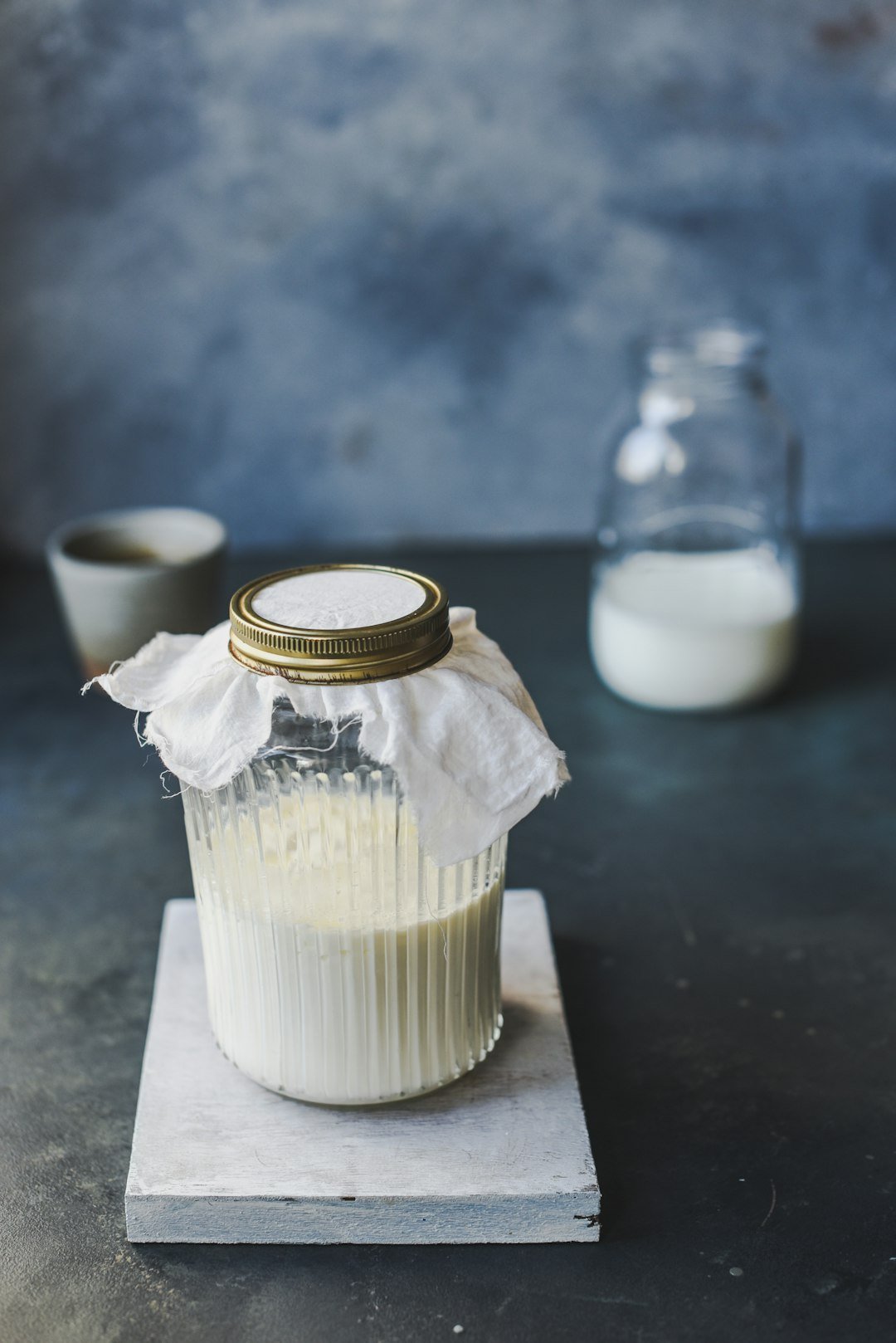
The right kefir setup is the one I’ll actually keep using.
If I miss a day and find a jar still on the counter, living grains feel very different from a sealed packet in the cupboard. Grains ask for a relationship: regular feeding, straining, and a little attention to temperature and timing. Some people genuinely enjoy that rhythm, especially if they make kefir often for a household.
Starter powder usually fits a lower-maintenance week. I can open a sachet, make a batch, and not feel like I’m caring for a tiny pet afterward. That trade-off matters more than it sounds. Before comparing price, yield, or tradition, I’d start with honesty: do I want an ongoing habit, or a simpler on-and-off project?
Which routine sounds like yours?


I think about friction tolerance. Powder is easier to pause and restart; grains reward a rhythm. If kefir sounds fun as a small recurring kitchen ritual, grains may suit you better.
|
Best for beginners
Freeze-Dried Kefir Starter Powder 4-Pack for Milk
|
VS |
Top pick for families
Milk Kefir Grains and eBook Starter Kit
|
|---|---|---|
|
Open packet
|
Setup |
Wake live grains
|
|
Short resets
|
Hands-on time |
Strain and feed
|
|
More predictable
|
Batch consistency |
More variable
|
|
Easy to stop
|
Pausing |
Needs planning
|
|
Finite packets
|
Scaling & replenishing |
Grains multiply
|
| See price | See price |
I think of powder as the tidier option. It usually takes less counter commitment, gives me a more repeatable rhythm, and feels easier to shelve when life gets busy. The tradeoff is that the supply is finite, so eventually I’m opening another packet.
Grains ask for more of a relationship. A jar, strainer, and regular timing become part of the routine, and batches can shift more with room temperature or small process changes. But if I want to scale up, share culture, or keep making kefir without re-buying as often, grains make more sense.
Powder fits stop-start schedules. Grains fit steady habits and more tolerance for variation.Live grains kit for regular household batches
Fresh live grains with comprehensive tutorials
This Fusion Teas kit makes the most sense to me when kefir is going to be a repeat habit, not a one-off experiment. The live grains can keep producing batch after batch, and the included eBook plus support make the first week feel less improvised. If you’re ready to start with active kefir grains and expect more than one person to be drinking it, this setup feels practical.
- Reusable live grains can stretch value over time.
- Easy to scale once a household drinks kefir regularly.
- Starter-kit extras lower the learning curve.
- Strong review history adds some buying confidence.
- Needs steady feeding and routine attention.
- Less convenient for long pauses or travel.
- Early batches can feel variable while grains adjust.
If kefir tends to disappear fast in your fridge, this is the option I’d lean toward. Live grains usually make more sense the longer you keep using them, and the kit format helps the routine click sooner. I’d only skip it if you want something you can ignore for stretches without consequence.
Starter powder for an easy first run
Easiest powdered starter, beginner-friendly
Cultures for Health’s freeze-dried starter feels like the gentlest way into homemade kefir. I’d use it for anyone who wants a clear first batch without learning grain care on day one. It also suits cautious tinkerers who want to start with a reliable starter culture before deciding whether kefir will become a regular habit.
- Low learning curve
- Clear packet-by-packet starting point
- Easy small-batch testing
- Works with different liquids
- Can be re-cultured briefly
- Not indefinitely reusable
- May require repurchasing
- Less like traditional grain keeping
If hesitation is the main obstacle, this format makes saying yes much easier. I like the controlled feel: each packet gives me a defined reset point, so I can learn taste, timing, and texture without also troubleshooting live grains. Just keep the swap in mind: powder simplifies the entry, while grains usually make more sense for open-ended reuse.
Heirloom grains for long-term kefir makers
Limitless heirloom-style grains for continuous batches
If I wanted a culture that keeps evolving in my kitchen, this is the route I’d pick. Heirloom grains suit people who enjoy small daily check-ins, gradual routine-tuning, and learning how to care for grains when you pause fermenting.
- Can keep re-culturing with steady use
- Batch size can grow over time
- Lets you adjust timing and texture
- Needs regular feeding and attention
- Results can vary more batch to batch
- Long pauses add extra recovery work
This feels most sensible for someone who wants an ongoing relationship with a living culture, not just a one-off project. One purchase can keep producing future batches, but the trade-off is commitment: interruptions, stop-start brewing, and routine drift tend to be where heirloom grains feel least convenient.
How I’d make the call
Next step: write down your likely weekly batch count, then match it to the option that fits it.
Choose for your actual week
My low-pressure test is simple: how often will I really ferment this week? For occasional batches, the Freeze-Dried Kefir Starter Powder 4-Pack for Milk is often the easier fit. For regular household use, the Milk Kefir Grains and eBook Starter Kit makes more sense. If I’m thinking long-term and reusable, the Milk Kefir Grains Heirloom Probiotic Starter Culture fits that rhythm better.

Okay but this is exactly where I get stuck 😅
I want the Milk Kefir Grains Heirloom Probiotic Starter Culture because the self-propagating thing sounds awesome, but I also know myself… I’ll be super committed for 10 days and then forget it exists.
Would you say the regular Milk Kefir Grains and eBook Starter Kit is any more forgiving than heirloom grains, or is that basically the same level of commitment?
They’re pretty similar in the day-to-day commitment sense. Both live-grain options make the most sense when you’re brewing steadily and want reuse over time.
The practical difference is less about one being dramatically more forgiving and more about what stage you’re in: a kit can be nicer for guided setup, while heirloom grains really shine for people already committed to a regular long-term rhythm.
This was actually helpful because most posts make grains sound like the only “real” option and kind of gloss over the maintenance.
My schedule is chaotic, so the stop-start point with the Freeze-Dried Kefir Starter Powder 4-Pack for Milk makes way more sense for me right now. I only make a batch maybe every other week. For anyone who already tried both: which one did you end up choosing long term?
If your batch rhythm is every other week, I’d lean powder first. That’s really the core decision test from the post: how often you’ll realistically make kefir, not what sounds ideal in theory.
A lot of regular brewers eventually move to live grains, but for occasional use the easier pauseability of starter powder usually makes the routine much less frustrating.
The “family-scale grains, beginner powder” framework makes sense, but I still think cost gets undersold a little.
If someone keeps buying powder because they never quite transition, doesn’t that eventually erase the convenience advantage? On the other hand, live grains sound economical until you have to pause all the time and babysit them.
Basically this article made me realize there isn’t a universally better product, which is annoying because I wanted you to just tell me what to buy haha.
I kind of disagree with people saying powder is “beginner” and grains are the upgrade.
For me the Freeze-Dried Kefir Starter Powder 4-Pack for Milk was just the better tool for the job. I test recipes in small batches and don’t want a whole living side quest every week.
If someone makes kefir daily for a family, sure, grains all day. But for occasional weekend use? Powder wins and it’s not even close.
Same here. People act like convenience means inferior, but sometimes it just means you know your own habits 😂