
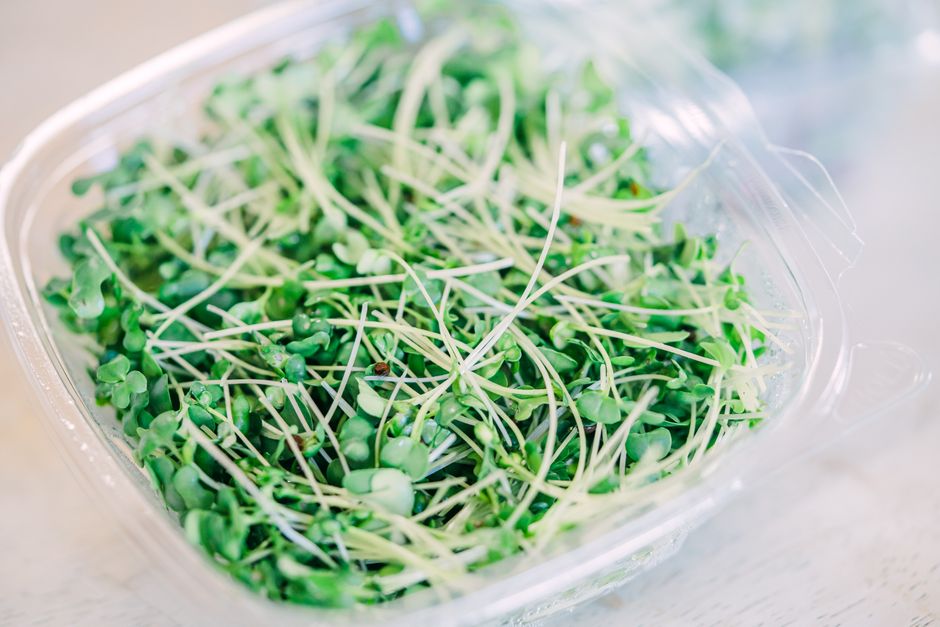
That grassy bite usually says more about the pairing than the tray.
If your first forkful tasted like lawn clippings, I get it—I’ve done the same thing by dropping a big handful onto eggs or toast and expecting it to disappear into the meal. Broccoli microgreens are small but loud, so on their own they can read sharp, green, and a little bitter.
That usually means nothing is wrong with you or the tray. In my kitchen, they taste much friendlier when I use them like a punchy garnish instead of a salad base, especially with creamy, salty, or acidic foods. A small pinch often works better than a big mound.
What might be making the grassy taste louder
-
Notice the portion
When I pile on a big handful, the flavor can jump from fresh to field-like pretty fast.
-
Check for surface water
If the greens are still damp after rinsing, the taste can come across sharper and more vegetal.
-
Think about age
Very fresh trays often taste gentler to me. Older microgreens can lean more earthy or strong.
-
Pick around thicker stems
The stemmy bits can read more fibrous and green than the leafy tops, especially eaten raw.
-
Try them with something else
On their own, every grassy note stands out. Mixed into eggs, avocado toast, soup, or a sandwich, they usually feel milder.
Taste is personal: what feels mild and peppery to me might taste earthy to someone else.
Broccoli microgreens can vary a bit by batch, age, and how they were stored. If they smell fresh and look crisp, a grassy edge may just be their natural character rather than a problem.
Use them as a background flavor
I stopped enjoying broccoli microgreens when I treated them like a salad base. They got much easier once I used them more like parsley: a little green lift, not the whole event. If I was still figuring out what felt like a comfortable daily amount of microgreens, this kept the flavor in the background instead of turning lunch into homework.
- Toss a small pinch into scrambled eggs after cooking.
- Add a few strands to a sandwich, tucked under mustard, mayo, or cheese.
- Scatter them over soup right before serving, where the heat softens the edge.
- Fold a little into rice bowls, pasta, or avocado toast with lemon or a creamy sauce.
For me, the goal is not to eat a huge handful right away. It is to let familiar foods carry most of the flavor while the microgreens play support. After a few low-pressure meals, they usually start tasting less grassy and more simply fresh.
A small pinch often reads fresher than a full layer. Rich, salty, or creamy foods can make the green flavor feel gentler.
Balance them before you complicate them
When broccoli microgreens taste extra grassy to me, I skip complicated fixes and use one simple rule: fat, acid, and salt. That combination usually softens the sharp green edge faster than building a full recipe around them. If they still taste a little too raw, I add just a touch of sweetness.
I usually balance them in this order:
- Fat softens the bite: olive oil, mayo, yogurt, avocado, tahini, or a bit of cheese.
- Acid brightens them: lemon juice, vinegar, pickle brine, or a few chopped pickles.
- Salt helps everything taste more connected: flaky salt, soy sauce, feta, or salted butter.
- Sweetness, only if needed: a drizzle of honey, a little maple, or something naturally sweet like apple.
For me, this works better than trying to hide the flavor with a complicated recipe. A small handful in buttered eggs with lemon tastes more balanced than a big pile eaten plain. The same goes for a sandwich with mayo and pickles or a grain bowl with tahini and salt.
I use the same idea as dressings that tame stronger flavors: something creamy, something bright, and enough seasoning to round it out. Once those pieces are in place, the microgreens usually stop tasting like the only loud thing on the plate.
Put them into creamy, savory meals
Broccoli microgreens tend to settle in better when I tuck them into soft, rich, layered foods instead of putting them front and center in a salad. The grassy note has less room to dominate when there is creaminess, warmth, or a lot of other savory flavor going on.
A few spots that usually work well for me:
- Eggs: folded into scrambled eggs, omelets, or laid over avocado toast with a fried egg
- Creamy bowls: stirred into risotto, mac and cheese, mashed potatoes, or warm grain bowls with tahini or yogurt sauce
- Savory sandwiches: inside a grilled cheese, turkey sandwich, wrap, or burger where they act more like a fresh accent
- Soups and noodles: added at the end to ramen, tomato soup, or a blended vegetable soup
If I am unsure, I use this simple test: Would this dish still taste good with parsley or chives? If yes, microgreens often fit there too. That small shift in where I use them usually matters more than hunting for a complicated recipe.
Take off the raw edge with a little heat
If the sharp raw taste is the part that loses me, I use barely any heat. A quick toss into warm food can take the grassy edge down without turning the greens limp or overcooked. It feels more like a brief wilt than actual cooking.
I usually add them at the very end:
- Stir a small handful into hot scrambled eggs, rice, or noodles after the heat is off.
- Let them sit on top of soup for 15 to 20 seconds, then fold them in.
- Tuck them into a grilled cheese or quesadilla right before serving so residual heat softens them.
The goal is glossy and slightly relaxed, not dark and collapsed. If you want more ideas for gently warming broccoli microgreens, I keep the same rule: low heat, short contact, done fast.
Check the batch before you blame yourself
Sometimes the grassy taste is not about how I used the microgreens at all. It can come down to the batch, the form, or even the exact variety in the container.
What to inspect first
- Freshness: Very fresh broccoli microgreens usually taste a little sharper and cleaner. Older ones can turn dull, stronger, and more plant-like.
- Moisture: If they are slimy, compressed, or sitting in condensation, the flavor can seem harsher. If they are dried out, they can taste fibrous and flat.
- Seed hulls: Those little seed coats sometimes add a bitter, dusty note. I pick out obvious hulls when a batch seems rough.
- Roots or growing pad bits: If any roots, mats, or tough stem ends made it into the package, they can make the mouthfeel and flavor feel more “yard-like” than the leaves do.
Storage matters more than it seems
I’ve had better luck when microgreens are stored cold but not trapped in heavy moisture. A container lined with a dry paper towel usually keeps them tasting cleaner for longer than a wet, sealed box.
It may also be the form or variety
If you’re comparing fresh microgreens with a powder, the powder can taste more concentrated and less mellow. And even within brassicas, one batch may lean sweeter while another reads more pungent.
So if one container tastes especially grassy, I don’t take it as proof that I “can’t cook with them.” Sometimes it’s just that batch.
Three easy pairings I actually use
- Plain is optional; using a little still counts as success.
- One default meal makes the habit easier to repeat.
If I’m still not enjoying them, I stop trying to make them work plain. My fallback is simple: I add a small pinch to something warm and creamy I already eat, usually eggs or a sandwich, right before serving. That keeps them useful without turning lunch into a project.
And if I want more ideas later, I look for beginner-friendly recipe lists instead of forcing creativity on the spot. A few easy examples can make the next step feel lighter.

I tried the eggs idea and it STILL tasted grassy to me. Maybe less grassy, sure, but not subtle.
Could it be the stems? Mine seem kind of long and a little tougher than what I usually see in photos.
Yes, longer stems can make the grassy note feel more obvious, especially if the batch is a bit older. You could try using mostly the leafy tops, keeping the portion very small at first, and letting them wilt into the eggs from residual heat rather than mixing in a full handful.
I appreciate the part about checking the batch before blaming yourself. I bought one container that tasted almost spicy-bitter and another from a different store that was way milder, so I knew I wasn’t imagining it.
Also the moisture note was spot on. Mine always get harsher when they sit damp in the fridge.
Not gonna lie, eating them plain is still terrible to me lol. But folded into hot noodles at the end? Much better.
The residual heat point made sense because fully cooking them turned them kind of sad and stringy when I tried it before.
Question about storage: if they arrive slightly wet, do you dry them fully before refrigerating? I think that may be where I’m going wrong.
By day two they smell stronger and the flavor gets sharper, which lines up with what you wrote about moisture and age.
If they’re noticeably wet, gently drying them can help. I usually aim for dry leaves and breathable storage rather than sealing in extra moisture, because dampness tends to speed up that stronger smell and harsher taste.
If the container they came in traps condensation, even lining it with a dry paper towel can make a difference.
The sandwich suggestion saved a whole tray for me. I put a small amount in a turkey sandwich with mayo, mustard, and pickles, and the grassy note just kind of disappeared into everything else.
I was overthinking it before and trying to make them the main event, which was clearly the problem.
That’s exactly the shift that tends to help most—making them part of the background instead of the focus. Sandwiches are great because the fat, salt, and acidity all do some of the work for you without any extra effort.
I was skeptical about the “little heat” part because I assumed heat would just make them mushy. Tried tossing them onto hot soup right before eating and wow, that actually took off the raw edge without turning them into swamp threads.
Very small victory, but I’ll take it.
That’s the sweet spot—just enough heat to soften the raw edge, not enough to fully cook them down. Soup, eggs, and hot grains all work well for that reason because the greens warm through quickly without losing everything that makes them pleasant.