
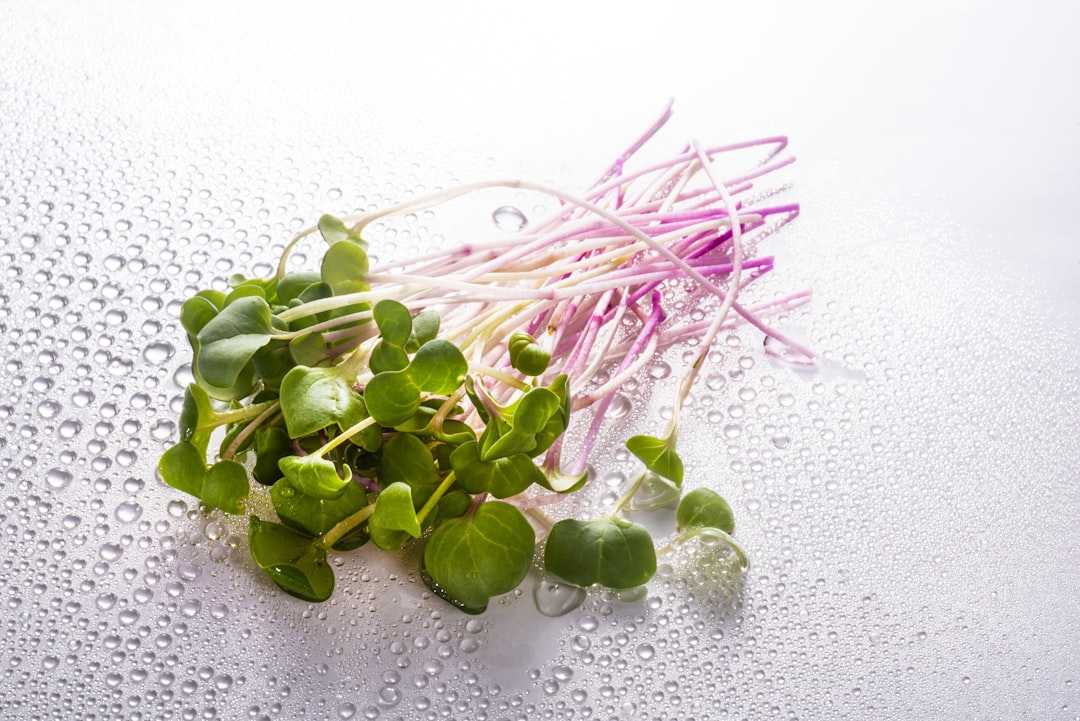
Tiny leaves can be both photogenic and worth eating.
I get the eye-roll: a few bright sprouts on avocado toast can look like expensive confetti. But when I’ve grown or bought microgreens, the interesting question hasn’t been whether they look fancy — it’s what they add in the small handful people actually eat.
That handful usually isn’t a full salad, so the hype can sound bigger than the portion. Still, microgreens are more than garnish in many real meals: they can bring a fresh, sharp flavor and a concentrated mix of plant compounds, vitamins, and minerals. Pretty is part of the story, not the whole story. For me, the fairest take is this: they’re not magic health food, but they’re not empty decoration either.
Small garnish, real nutrition
Their small size does not automatically mean trivial nutrition.
Microgreens are young plants, and some nutrients can be fairly concentrated in that early stage. In practice, that means a loose handful can add more than color and crunch. When I look at how microgreens stack up against mature vegetables, the useful takeaway is not that one always “wins,” but that garnish status does not equal zero value.
Nutrient concentration and total amount eaten are two different things.
This is the part that gets lost in headlines. A food can look impressive per gram, but most people eat microgreens in much smaller portions than broccoli, spinach, or carrots. So yes, they may punch above their weight, but a teaspoon on top of soup is still not the same as a bowl of vegetables. I think of them as a booster, not a swap.
They can support an overall varied diet, but they are not a fast-track ingredient.
Most nutrition benefits come from patterns, not one photogenic topping. Adding microgreens may slightly raise the nutrient value of a meal and make it more interesting to eat, which can be genuinely helpful. That is still different from expecting dramatic results from one food. Reasonable expectations make them easier to appreciate for what they are.
Microgreens can be both attractive and worthwhile. I would not treat them like nutritional confetti, but I would not treat them like a replacement for regular vegetables either.
A practical middle ground looks like this:
more than decoration less than a stand-alone solution most useful when they make a normal meal a little fresher, tastier, and more variedNot all microgreens bring the same thing to the plate
Microgreens are a category, not one uniform food. Radish can be peppery, pea shoots sweet and tender, sunflower more nutty and substantial, and basil or cilantro much more aromatic.
That variety changes the eating experience and, to some extent, the nutrient mix too. I think of them less like a single super-ingredient and more like a range of tiny vegetables and herbs. A sharp brassica microgreen does a different job on a sandwich than mild sunflower shoots do in a grain bowl.
Freshness is fragile. Harvest timing, transport, moisture in the container, and how long they sit in the fridge all affect how good microgreens really are.
In my kitchen, this is the difference between lively greens and a disappointing handful. Delicate leaves can wilt, lose crunch, or turn slimy faster than sturdier salad greens. They may still look pretty for a bit, but flavor and texture can drop off quickly when they are bruised, damp, or stored too long.
A modest portion can still be meaningful when it makes everyday food more appealing and more plant-forward.
This is where microgreens earn their keep for me. A small tuft on eggs, soup, tacos, or toast can add freshness, bitterness, crunch, or aroma that makes the whole meal feel more vegetable-rich. If you’re curious about how much is actually useful, I’d frame it practically: enough to notice, enjoy, and keep reaching for. The portion may be small, but the habit can be easier to repeat.
I’ve found that microgreens make the strongest case for themselves when they are:
dry, crisp, and recently harvested used where their texture stays noticeable, like sandwiches, bowls, and finished soups matched to the meal, since peppery, sweet, and herbal types behave very differentlyThat is part of why opinions about them vary so much. Someone tasting tired, damp microgreens may decide they are overrated, while someone using lively ones gets a much clearer picture of why they can be worth adding.
Where microgreens shine
- Freshness first I notice the biggest payoff when they’re crisp, bright, and used fast; once they wilt, a lot of the appeal goes with them.
- Easy upgrade A small handful can wake up eggs, sandwiches, soups, and bowls, adding color, texture, and a modest nutrition boost.
- Keep perspective They’re not a stand-in for eating a wider range of vegetables, and they don’t deserve miracle status.
- Convenience matters For me, they make the most sense when they fit my budget, routine, or a simple windowsill grow.
Useful, enjoyable, and easy to overhype
- Best treated as a fresh add-on, not a fix.
- Worth repeating when they’re easy to finish while fresh.
If I think of microgreens as a practical extra rather than a nutritional shortcut, they make a lot more sense. They can help meals feel fresher and more varied, especially when I want something green without much prep.
So yes, I’d call them healthy in a grounded, everyday way. They’re not magic, but they can be a genuinely nice habit—one that adds flavor, color, and a little plant variety without needing a big story attached.

The freshness part is so true. I bought a clamshell of radish microgreens once and they went from crisp to swampy in what felt like 36 hours 😅
When they’re fresh, I love them on eggs or soup, but the price makes me hesitate if I’m basically using them as a booster and not an actual vegetable serving.
That short shelf life is one of the biggest downsides, especially for more delicate varieties. Using them on foods you already eat regularly, like eggs or soup, is probably the easiest way to make the cost feel more worthwhile before they fade.
Same here. I started keeping a paper towel in the container and it helps a little, but yeah, they can turn on you fast.
The “booster territory” wording was spot on. That’s exactly how I think of them.
I add a small handful to wraps because it gives crunch and makes me feel like I’m trying. That’s enough of a benefit for me tbh.
My only issue is cost. Every time I look at the tiny box and then look at the price, I hear my grandmother’s voice asking why I didn’t just buy actual lettuce.
I do agree with the article’s basic point though: garnish doesn’t mean useless. We just probably shouldn’t pretend a sprinkle on top of pasta cancels out everything else on the plate.
That’s a fair criticism. Cost really changes the value equation, especially if you’re comparing them with full-size greens by volume.
I think they make the most sense when someone likes the flavor, uses them quickly, and sees them as an add-on rather than a replacement for cheaper staple vegetables.
Finally, a sane article about food lol. “Small garnish, real nutrition” is way more believable than the usual internet headline energy.
I like microgreens on avocado toast and grain bowls, but I’ve never once looked at that tiny tuft and thought, yes, this is my entire vegetable intake for the day.
Good article, but I think it undersells the convenience a bit. For people who are not going to prep kale, roast broccoli, and become a perfect adult every night, tossing a handful of microgreens on a sandwich is a legit win.
No, it’s not a miracle food. But getting meals to feel more plant-forward, like you said, can be the difference between “I ate takeout” and “I ate takeout with at least one green thing on it” 😂
I grow a tray on the windowsill sometimes, mostly sunflower and pea shoots. If you do that, they feel a lot less like a fancy garnish and more like a practical ingredient.
Store-bought ones can be great, but freshness really is everything. Day 1 = delicious. Day 4 = questionable life choices.
This was a refreshing take. I get a little tired of the “superfood” label getting slapped on everything, so the point about real portions mattered.
I still like microgreens though — they make a boring lunch feel less sad, and if they add a bit of nutrition too, cool. Not magic, just useful.
I appreciated the section saying not all microgreens bring the same thing to the plate.
People talk about them like “microgreens” is one food, but broccoli shoots and pea shoots are not the same experience at all. One tastes peppery, one tastes sweet, and some are basically there for looks.
That flavor difference is honestly why I buy them more than the health angle.
Exactly — the category gets flattened too much. Flavor, texture, and likely nutrient profile can vary a lot by plant type, which is why it makes more sense to choose them the same way you’d choose herbs or salad greens: based on what works with the meal.
Pea shoots > most of the others, no contest. I know that’s not scientific lol but they actually feel substantial.