
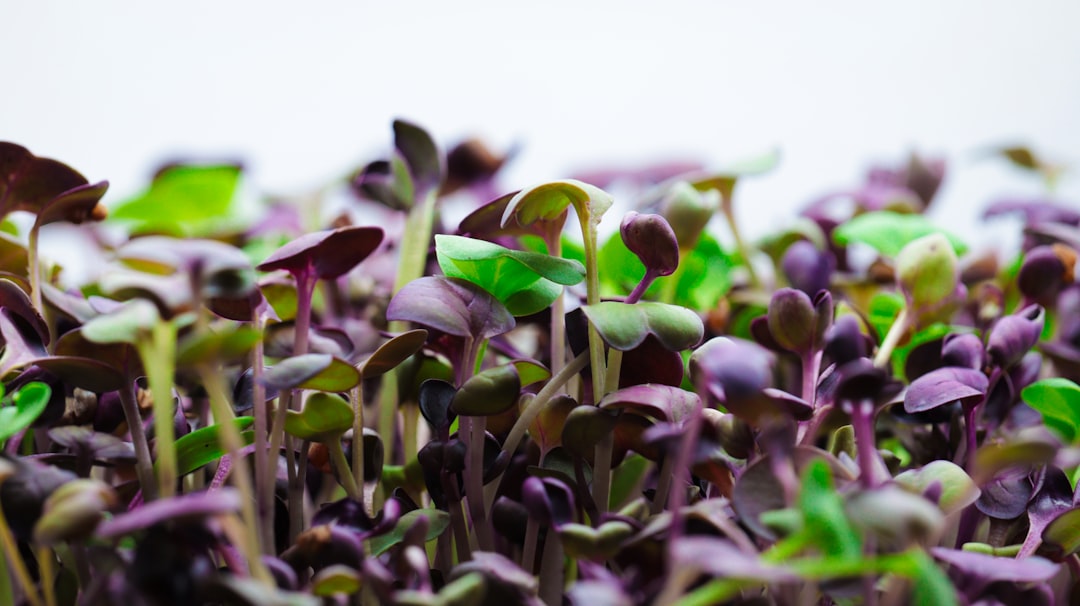
When two seed packets look almost identical, the higher price can feel strangely loaded.
Two broccoli listings, same variety name, same fast harvest window—then one adds an organic seal and a few extra dollars. For microgreens cut in a week or two, that hesitation makes sense: this is not a moral test, just a small buying decision.
Often, the better question is not organic or not? but what is actually being paid for. Organic certification can matter more when documented sourcing and production standards matter. If the goal is simply a strong tray of greens, germination, freshness, and seller consistency may matter just as much.
- Most microgreens are harvested in about 7–14 days, so seed quality shows up quickly.
- Paying extra can make sense when traceability matters more than saving a couple of dollars.

What the label actually means
For microgreen seed, organic certification usually refers to how the seed crop was grown, cleaned, stored, and documented. In plain terms, it points to rules around approved inputs, recordkeeping, and separation from non-organic lots during handling.
That matters for shoppers who care about production standards. But it is easy to read extra promises into the label that it does not automatically make.
- It does not guarantee stronger germination.
- It does not guarantee better flavor or bigger yields.
- It does not mean the seed is automatically safer simply because it is organic.
Microgreens are harvested young, and performance still depends heavily on the seed lot, crop type, freshness, storage, and the grower’s setup. A well-kept conventional lot can sprout more evenly than a poorly handled organic one. The label can say a lot about how the seed was produced and kept separate; it says much less about how that tray will taste or grow at home.
Organic is mostly a process label, not a built-in quality score. It can signal standards and traceability without promising superior vigor or flavor.
Three labels that sound similar, but aren’t
Not always. Organic and untreated answer different questions.
Organic describes how the seed crop was grown and handled under certification rules. Untreated means no chemical seed treatment or coating was added afterward.
No. A seed can be untreated and still be conventionally grown.
This is the core of the untreated-seed versus treated-packet distinction: treatment status does not reveal whether the farm followed organic rules.
Usually, it just means the seed is sold for dense, quick tray growing.
That can imply suitable size, cleaner lots, or good germination for microgreens, but it is not a substitute for either organic certification or untreated status.
Price means more when the whole offer is visible. A higher-cost pack can reflect the crop itself, fresher stock, or better seller documentation rather than the logo alone.
Pea, sunflower, basil, cilantro, and shiso do not price the same. Some crops are simply slower, scarcer, or harder to produce well.
Untreated status matters, but so does edible-use support for sprouts or microgreens. Clear germination information often says more about likely performance than a certification badge.
Lot date, pack size, and seller transparency shape value. A small, fresh, well-documented pack may justify more than a larger mystery bag.
Organic can still be a meaningful plus for sourcing and traceability; it just is not the only clue worth paying for.
What to compare before judging the premium
-
Crop type
Seed prices vary a lot by variety, even within microgreens. Cost only becomes meaningful after comparing similar crops.
Look forSame or very similar varietyAvoidPrice checks across unrelated crops -
Untreated and edible-use support
Untreated seed reduces one concern, but intended edible use matters too. Sellers that mention microgreens, sprouts, or food use offer more confidence.
Look forUntreated status plus edible-use clarityAvoidGarden seed with vague use notes -
Performance and freshness
Germination rate and lot freshness often affect results more directly than the label. Recent testing and dated lots are useful signs.
Look forCurrent germination data and recent lot infoAvoidNo test data or old stock -
Pack value and transparency
The real comparison is cost per ounce or gram, backed by clear sourcing details. Honest listings make premiums easier to understand.
Look forUnit pricing and traceable sourcing detailsAvoidTiny packs with thin product information
Who the premium fits
For some growers, the added cost is less about expecting better trays and more about matching inputs to purpose. In those cases, paying extra can feel coherent rather than wasteful.
- Edible-input purists: Some people simply prefer that everything going into a crop meant for eating starts from certified organic seed. That does not guarantee a better harvest, but it does keep the ingredient story consistent.
- Certification-minded growers: Small farms, market sellers, and school or community projects sometimes want seed purchases to align neatly with broader organic paperwork or standards. Even when not strictly required for every crop, consistency can reduce confusion.
- Traceability seekers: Organic sellers often provide clearer sourcing, handling, and certification details. For gift kits, classes, or direct sales, that paper trail can matter as much as the seed itself.
If none of those points carries much weight, the premium may feel optional. If one of them matters a lot, the extra cost can make practical sense.
A small organic packet for trial runs
About 750 USDA Organic broccoli seeds for ~$6, sold as open-pollinated, heirloom, non-GMO, with USA origin noted by the seller. This is the kind of packet that may suit a values-first grower who wants a recognizable organic seal without jumping straight to bulk quantities.
For plenty of small growers, reliable seed matters more than a polished label. Early trays are mostly about dialing in soak times, density, airflow, and harvest timing. During that stage, a lower-cost lot with clear germination info can be the more useful teacher.
A premium also tends to matter less in a few common situations:
- Learning the basics: sunflower, pea, radish, and broccoli often reveal tray mistakes quickly, regardless of certification.
- Testing unfamiliar crops: buying a small, non-premium pack can make sense before committing to a larger organic bag.
- Comparing sellers: a vendor with recent test dates, lot numbers, and straightforward crop notes may inspire more confidence than a vague “organic” listing with little detail.
If two options are close in price, organic may still feel worthwhile for sourcing reasons. But when the price gap is wide, it often helps to ask a simpler question: Which seed is more likely to perform predictably in the tray?
In practice, freshness, crop suitability, and seller transparency often affect the growing experience more than the badge itself.
Some crops change the math
Treating all microgreen seed the same is where the price question starts to wobble.
Radish, broccoli, and mustard are usually forgiving. They sprout fast, finish quickly, and often tolerate small misses in germination without ruining the tray. When the seed itself is fairly affordable, an organic premium can feel modest or easy to skip.
Pea and sunflower are a different kind of case. They are often beginner-friendly, but they use a lot of seed per tray. Even a small price bump per pound can show up clearly in tray cost, so the premium needs to feel justified by freshness, clean lots, or dependable seller data.
Basil, amaranth, shiso, and cilantro tend to be less casual purchases. They can be slower, patchier, or simply pricier to begin with. In those crops, paying more may feel more reasonable when the listing gives strong germination numbers, recent packing dates, and clear sourcing.
A simple way to think about it:
- Cheap seed + low losses: premium often matters less
- Heavy sowing rate: premium adds up fast
- Expensive or finicky seed: better documentation can matter more
Think in trays, not packets
Packet price is noisy; tray price is clearer. A $6 packet can seem modest until it seeds only two dense sunflower trays, while a $22 bag may cover ten. For common crops, the more useful question is not the shelf price, but the sowing cost for one full tray.
A quick check keeps comparisons honest:
- note the packet weight
- divide by the usual grams sown per tray
- allow a little extra for oversowing or weaker germination
- compare the final cost per tray, not just cost per pack
Small packets often have the highest per-gram price, especially for staples like radish, pea, and sunflower. They can still make sense for testing a new seller or a fussy crop, but they may make the organic premium look larger than it really is.
Bulk can flatten that premium quickly. That is often when buying organic seed in bulk starts to make sense: after expected tray count, storage conditions, and realistic usage all line up. If a large bag will sit too long, the paper savings can fade through aging seed, softer germination, or simple overbuying.
If two listings seem far apart in price, converting both to cost per tray usually reveals whether the premium is meaningful or mostly packaging.
Where to shop without guesswork
Shopping channels matter less than seller habits. Dedicated microgreen suppliers often make things easier because they publish lot dates, germination rates, and crop notes. Still, some ordinary garden packets can work; safe use of garden seed for microgreens usually comes down to untreated seed, edible varieties, and clear labeling.
- Pause the purchase if the listing never states whether the seed is untreated.
- Skip seed sold only as ornamental, forage, or cover crop unless edible use is clearly supported.
- Treat missing basics as a warning sign: no botanical name, no lot or pack date, no seller contact details, and no germination guidance.
Disciplined shopping often looks boring in a good way. A plain packet from a transparent seller can be a safer pick than a flashy “microgreen” listing with almost no useful information.
If a seller cannot confirm treatment status or even identify the exact variety, the risk and guesswork rise quickly.
A fast buying filter
-
Pay more
The premium can make sense when a reliable organic chain, clear lot details, or certification-friendly sourcing matters for the crop being grown.
-
Save money
Standard untreated seed is often enough for practice trays, low-risk staples, or side-by-side tests where performance data matters more than the label.
-
Walk away
Skip listings with vague crop names, missing treatment status, no germination information, or unclear edible use.
-
Do one last tray check
Compare cost per tray, not packet price, and weigh that number against expected losses on dense or finicky crops.
- Certification helps with sourcing standards, not guaranteed tray performance.
- The same premium can feel minor on one crop and wasteful on another.
A sensible choice usually looks less like chasing a gold-star label and more like matching seed type to the tray plan. Crop, budget, and values all pull on the decision, and none of them has to win every time.
In the end, organic seed can be worth the extra cost, worth skipping, or worth rejecting entirely when the listing is weak. The useful answer is the one that fits the grow, not a single supposedly correct label.

This helped, thanks. I keep seeing “organic” and “untreated” used like they mean the same thing on seed listings, so your breakdown was super useful.
If a seller only says untreated but says nothing about edible use, is that basically a pass for microgreens or still kind of a red flag?
I’d treat that as incomplete rather than an automatic yes. “Untreated” only tells you the seed wasn’t coated or chemically treated; it does not confirm certification, food-use suitability, or how clearly the lot is being handled and described.
For microgreens, I’d still want the basics: crop name, untreated status, edible suitability, recent germination info if available, and a seller who answers questions clearly.
Yeah I learned this the annoying way. I bought “untreated” peas once and the seller couldn’t even tell me if they were meant for sprouting/microgreens, so now I skip vague listings.
For heavy-seeded trays, are peas/sunflowers where the organic premium usually hurts the most just because you’re using so much seed per tray? That section made sense but I wanted to make sure I read it right.
Maybe this is a dumb concern, but I get tripped up by freshness when buying bulk.
Everyone says buying bigger quantities lowers cost per tray, which sure, math etc. But if I’m only growing for my family and a few restaurant friends, I’m worried the “cheap” bulk bag just sits around too long and becomes fake savings. So would you say smaller fresh lots beat bulk almost every time for low-volume growers?
The “pay more, save, or skip” filter was my favorite part because seed shopping gets weirdly murky fast.
One thing I still wonder: if a listing has organic certification and untreated status, but no germination rate and no pack date, is that enough to try a small test order or would you skip completely?
I’m trying not to overthink every purchase, but also don’t want to buy mystery seed with fancy labels.
Beginner question maybe, but when you say some crops are “finicky,” what are you comparing exactly?
Like, are you talking about germination sensitivity, mold issues, uneven stands, or just that they react more to old seed? I’m testing basil and cilantro and both are making me feel personally attacked 😅
Not a beginner question at all. “Finicky” can mean a few things: slower or less uniform germination, greater sensitivity to seed age or storage, more variable tray performance, or a crop where stand losses are simply more noticeable.
That’s why the premium calculation changes. On touchier crops, better freshness and clearer seed data may save more frustration than a label alone.
“personally attacked” is exactly how I describe cilantro. You’re not alone there.
I appreciate the article, but I do think some organic listings charge a premium that feels… made up.
I compared radish from two sellers last week. Same crop, similar pack size, but one had almost no germination details and still cost way more just because “organic” was in giant bold text. That’s where I get skeptical.
Would you personally skip the expensive one unless they can explain freshness/lot data better?
That’s exactly the situation where I’d be cautious. If the higher price comes with strong seller clarity, traceability, and current data, the premium may be justified for some buyers. But if the listing is vague, the label alone doesn’t tell you enough.
When information is thin, I usually prefer the seller who explains the lot better, even if the certification status is different.
Same here. Vague premium pricing is my pet peeve. If you want more money, give me actual specs, not just prettier wording.
I liked the sourcing/traceability angle because that’s honestly the main reason I’d pay extra. Not because I think the tray will magically taste better, but because I want consistency in what I’m buying.
Do most small sellers actually provide enough detail if you ask, or do you find a lot of hand-waving?