
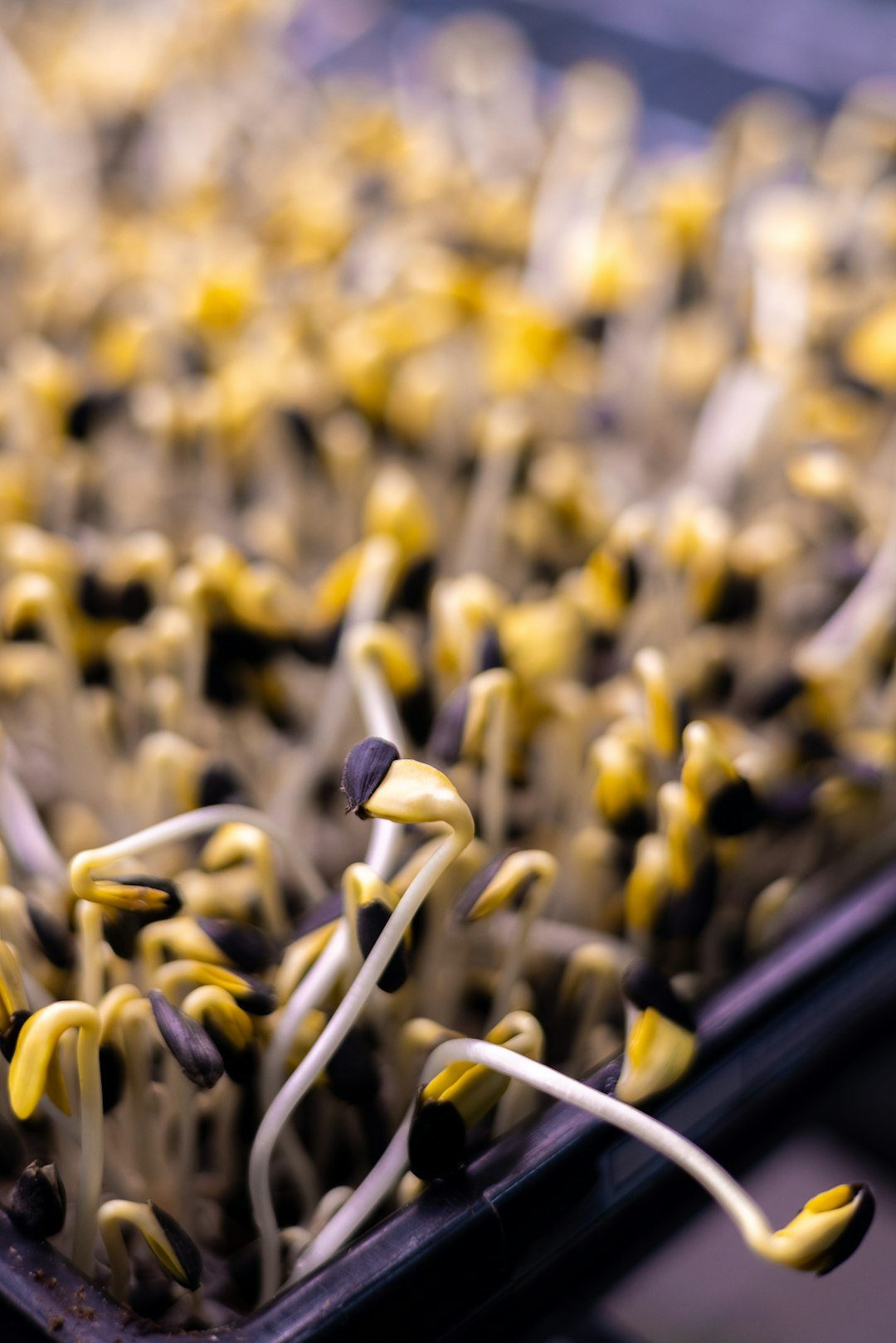
A bright yellow tray can look alarming before it tells the whole story.
I know that stomach-drop moment: the blackout ends, the cover comes off, and the tray is suddenly lemon-yellow instead of green. It feels like something went wrong, so the urge is to intervene fast.
But color alone doesn’t tell me much yet. If the seedlings were only just uncovered or are only beginning to see light again, that pale look can be part of the normal shift into greening up. If the yellow hangs on longer, or shows up with wilt, mush, or a sour smell, I start seeing it as actual trouble. Timing and context matter more than the first glance.
When yellow is just a normal delay
If a tray comes out uniformly yellow but still looks tidy and alive, I usually treat that as a normal post-blackout stage, not a crisis. The color can be surprisingly pale at first, especially after a longer cover period or with crops that naturally stretch a bit in darkness. If you want background on how blackout periods work for microgreens, that context can make the color change less alarming.
What reassures me most is the overall condition of the tray:
- stems are upright, not collapsed
- leaves and stems feel firm, not slimy
- the tray smells fresh or neutral, not sour
- the yellowing is even, rather than patchy and failing
In that situation, light is usually the main fix. Once the tray is uncovered and under decent light, many microgreens start greening up within a day or two, though some take a little longer to lose that washed-out look.
I try not to overreact by changing too many things at once. If the tray is standing well and smells fine, a little patience often does more than extra watering or fussing.
What I do in the first day after uncovering
-
Leave the light consistent
I keep the tray under its usual grow light instead of moving it closer or swapping to something harsher. Pale seedlings often need time more than intensity.
-
Keep air moving gently
A small, steady breeze can help the canopy dry evenly and stand up. I aim for airflow that rustles lightly, not enough to flatten tender stems.
-
Go easy on water
If the medium is still moist, I don’t add more just because the tops look yellow. Extra water can turn a harmless delay into damping, slump, or mush.
-
Skip fertilizer and “boosts”
I don’t feed a tray just to force greener color on day one. Most microgreens can catch up under light without extra inputs.
-
Watch for change over 12–24 hours
I check whether the tray is greening, staying upright, and smelling fresh. Small improvement is usually more reassuring to me than instant perfection.
When a newly uncovered tray looks washed out, my first instinct is to do more. In practice, the trays that recover best often get the boring treatment: normal light, gentle airflow, and a little patience.
What makes me more cautious is adding things too fast:
more water stronger light right away fertilizer on day oneIf the tray is basically firm, upright, and clean-smelling, I usually learn more by watching it for a day than by changing three variables at once.
If the color still won’t come back
Look at the pattern
When a tray stays yellow for more than a day or two under otherwise decent conditions, I start by suspecting light, not a dead crop. Weak recovery often comes with other clues: taller, thinner stems, seedlings leaning hard to one side, or a canopy that greens in patches instead of all at once.
A few things can stack the odds against a quick rebound:
- Light is too dim for the crop, especially if the tray sits far from the fixture.
- Fixture height is too high, so the seedlings get brightness but not enough intensity.
- Blackout ran long, and the stems stretched before they ever saw light.
- Sowing was very dense, so the top layer shades the rest.
Quick checks I use
I look for where the greener spots are. If the side closest to the lamp is darker, or the edges color up before the middle, that usually points to uneven coverage rather than a watering issue.
If the tray is still upright and smells fine, I usually adjust the lighting setup before I write it off. Bringing the fixture closer, improving coverage, or simply noting that a very crowded sow may recover unevenly can make the next 24 to 48 hours look a lot more encouraging.
When yellow shifts from normal to risky
Pale seedlings can still be fine. What changes the picture for me is texture and smell, not just color.
If a tray is merely late to green up, the stems usually stay firm, dry-looking, and upright. Trouble looks different: the crop starts to seem wet, weak, or uneven in a bad way.
What I check right away
- Slime on stems, roots, or the surface of the mat
- A sour or swampy smell instead of a neutral, fresh smell
- Mushy stems, especially near the base
- Soggy media that stays heavy and waterlogged
- Seedlings that collapse into patches instead of standing back up
When I see those signs together, I stop thinking, “maybe it just needs more time under light.” At that point, I switch to close inspection.
I look at the tray edges, dense corners, and any flattened spots first, because problems often start there. If only one area is affected, I try to keep it from spreading by improving airflow, avoiding more water for the moment, and keeping suspect trays from touching healthier ones. If the whole tray is slimy and falling over, recovery tends to look less likely than simple delayed greening.
Yellow + firm + no odor often means “wait and watch.”
Yellow + slime, sour smell, mush, soggy media, or collapse means “inspect closely and limit spread.”
Sometimes the problem started earlier
Read the tray’s backstory
When I see weak, uneven yellowing, I try to think back to how the tray looked before blackout ended. A tray that was already patchy, short in spots, tangled, or slow to lift often stays uneven after uncovering. In that case, the blackout may be the moment I notice the problem, not the thing that caused it.
A tray that established well usually has a different look, even when it is still pale. It tends to come up at a similar height, feel firm, and green up in a more even way once the light is steady.
What often hints at an earlier setup issue:
- Bare or thin areas from uneven seed spread
- Crowded clumps that stayed compressed under the cover
- Mixed heights from uneven moisture or contact with the media
- Weak roots that never anchored the tray evenly
If I’m unsure, I compare the color problem with the stand quality. Uniform pale growth usually means “give it time.” Pale plus patchy structure usually points back to germination or early growth stress. That distinction helps me avoid blaming the blackout for everything.
What I look at before I worry
How long can yellow be normal after blackout?
I usually give a tray several hours to about a day under steady light before I read too much into color alone. Pea and sunflower often green up faster for me than smaller or slower crops, so timing is not identical across the board.
When do I just watch and wait?
If the tray is evenly pale, standing upright, and smells fresh, I treat it as a watch-and-wait case. Uniform color with firm stems is a very different picture from yellow plus collapse or slime.
When is the light setup probably the issue?
I start suspecting light when greening is patchy, stems lean hard, or the whole tray looks stretched. That cluster usually points me toward checking distance, coverage, and consistency rather than blaming the blackout by itself.
When does yellow suggest a bigger tray problem?
If yellow comes with mushy spots, sour smell, soggy media, or sections that never rooted well, I think beyond lighting. That often means the tray had an earlier moisture, density, or airflow issue that the blackout only exposed.
My simple three-path read
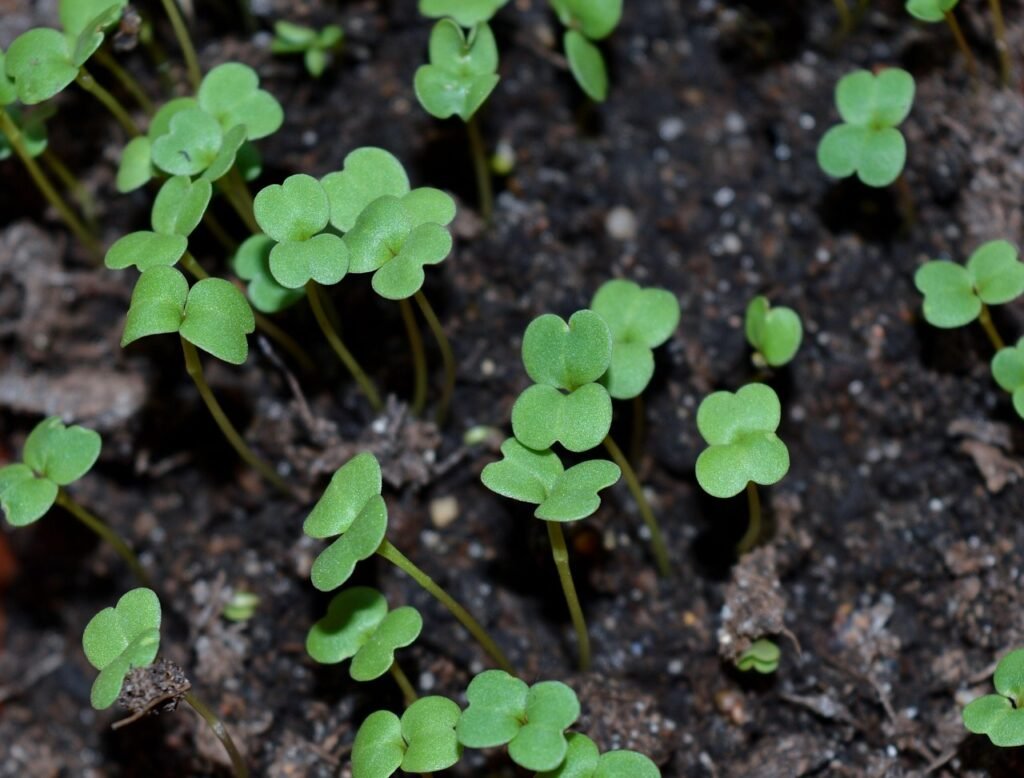
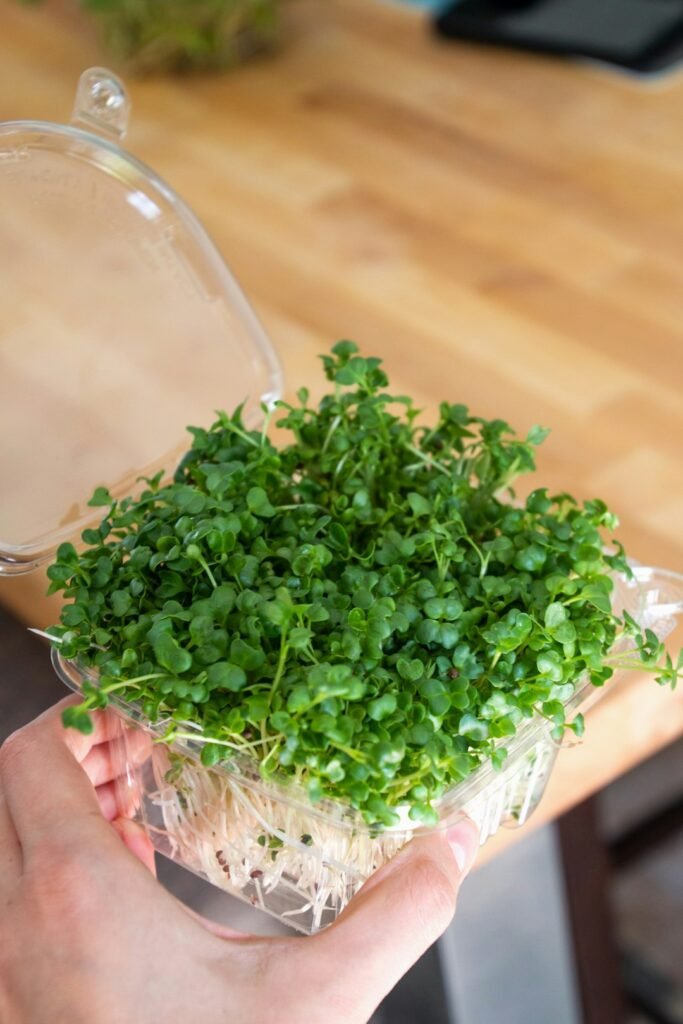
- Yellow can lag behind recovery.
- Firm stems buy time.
- Smell and texture decide urgency.
If a tray is upright, clean-smelling, and slowly greening, I usually give it more time instead of intervening.
If it stays stretched, patchy, or starts softening, I read that as a different problem and check light, moisture, and crowding before blaming the blackout alone.

This was reassuring. I uncovered a tray of broccoli after blackout and it looked almost neon yellow, but everything was standing up straight and smelled fine.
By the next evening it was mostly green again, so in my case it really was just the normal delay you described.
The ‘sometimes the problem started earlier’ section was the most useful part for me. I had one tray with random yellow patches and kept blaming the blackout length, but the soil was unevenly moist from the start.
Once I fixed that, the next batch came up way more even. Annoying lesson, but a real one.