
For cucumber pickles, a 3% to 5% salt brine is a practical working range for many home ferments. It does not guarantee safety on its own, because temperature, cleanliness, vegetable … Salt-Brine Ratio for Pickles That Stay Safely FermentedRead more
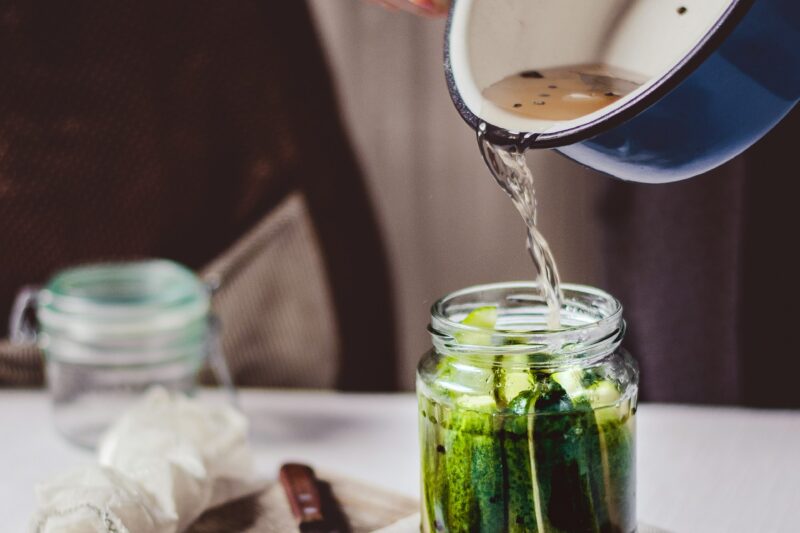
For cucumber pickles, a 3% to 5% salt brine is a practical working range for many home ferments. It does not guarantee safety on its own, because temperature, cleanliness, vegetable … Salt-Brine Ratio for Pickles That Stay Safely FermentedRead more
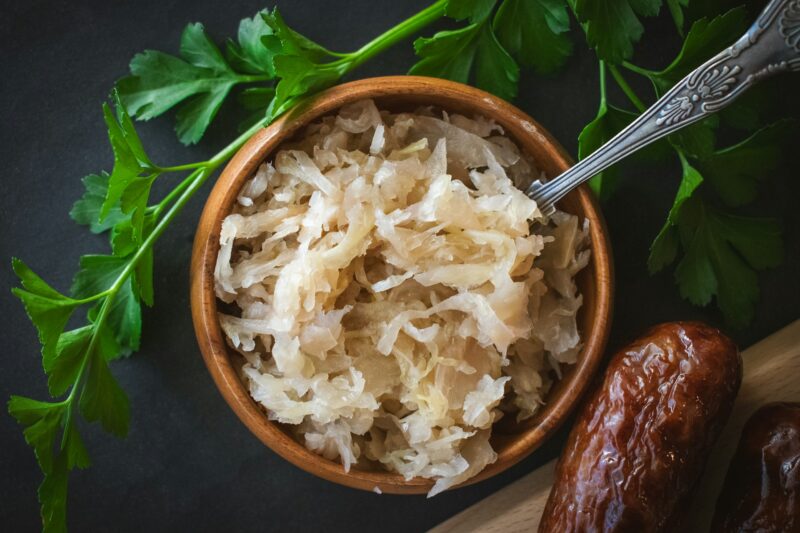
A dependable batch starts before the first shred. Fresh, firm cabbage releases juice more readily, holds texture better, and is less likely to bring along soft spots that can turn … How to Make Sauerkraut That Actually Ferments WellRead more
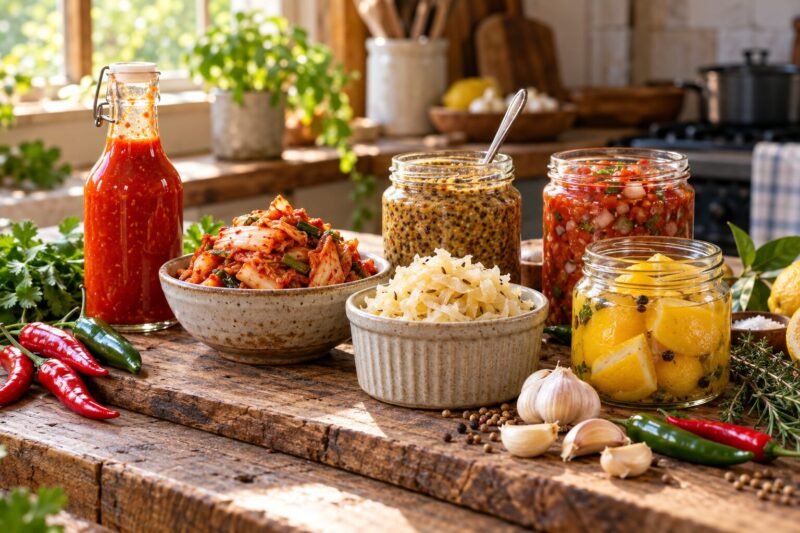
Fermented condiments often taste brighter, but not always in the same way as vinegar or lemon juice. The acidity can feel more woven into the sauce, with a gentle tang … What Are Fermented Condiments, and Which to Try First?Read more

Before the first loaf, the starter is the main project. A young starter may bubble wildly on day two, smell fruity one morning, then seem flat the next. That usually … Sourdough Baking for Beginners: From Starter to First LoafRead more
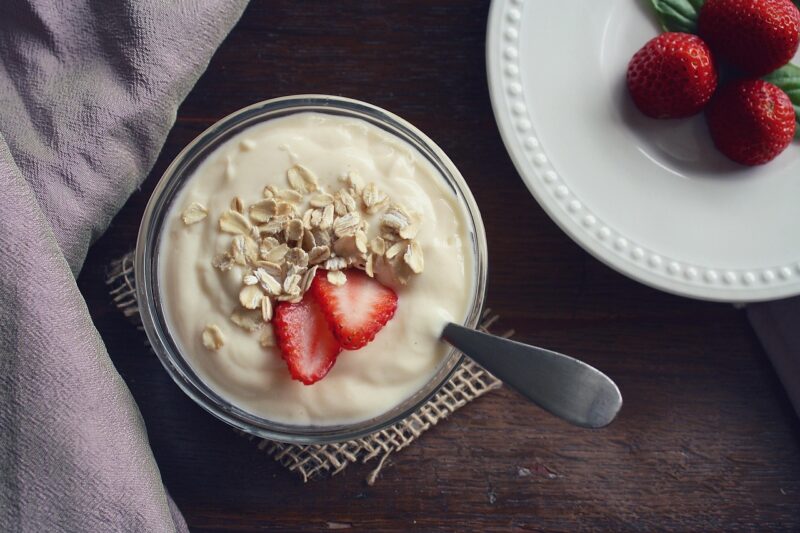
In kitchen terms, cultured dairy is milk or cream that has been deliberately fermented with selected bacteria. The process begins with fresh dairy, a starter culture, and the right resting … What Is Cultured Dairy? A Practical Guide to Yogurt, Cream, and ButterRead more
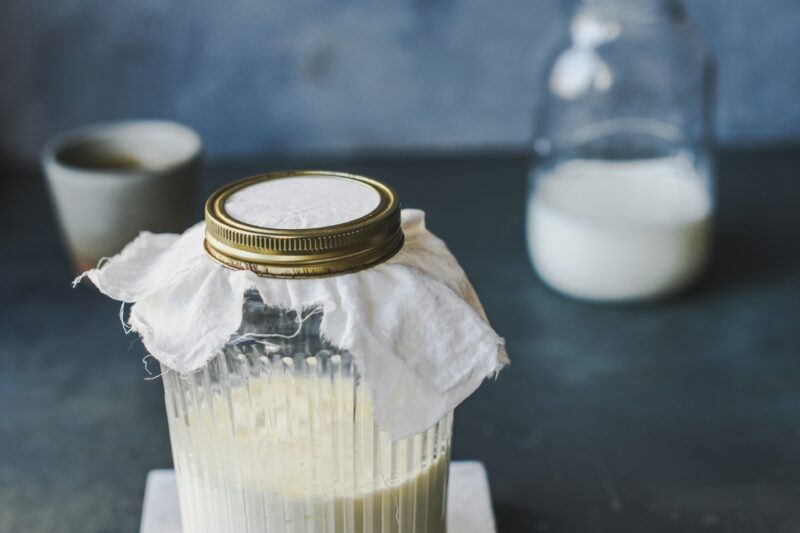
The first real decision is not jar size or fermentation time. It is the type of culture going into the jar. Milk kefir and water kefir are related in spirit, … How to Make Kefir at Home Without Wasting the First BatchRead more

First-batch kombucha basics Mary’s Nest offers a beginner-friendly walkthrough of home kombucha, helpful for seeing the setup before starting. A first ferment is often described as taking 7 to 10 … How to Make Kombucha at Home Without Ruining the First BatchRead more
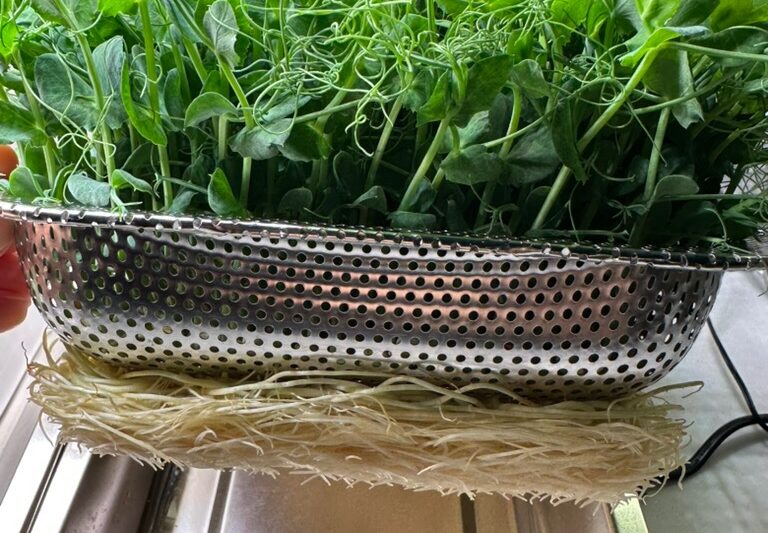
A home microgreens setup only needs to do a few simple things well. Each supply earns its place by helping the crop stay supported, evenly moist, well lit, and easy … What Supplies Are Needed to Grow Microgreens at Home?Read more

Microgreens are easiest to use when a “recipe” is treated more like a loose pattern: base + creamy or juicy element + crunch + microgreens. A bowl of rice, toast, … Microgreens Recipes for Beginners Who Want Less WasteRead more
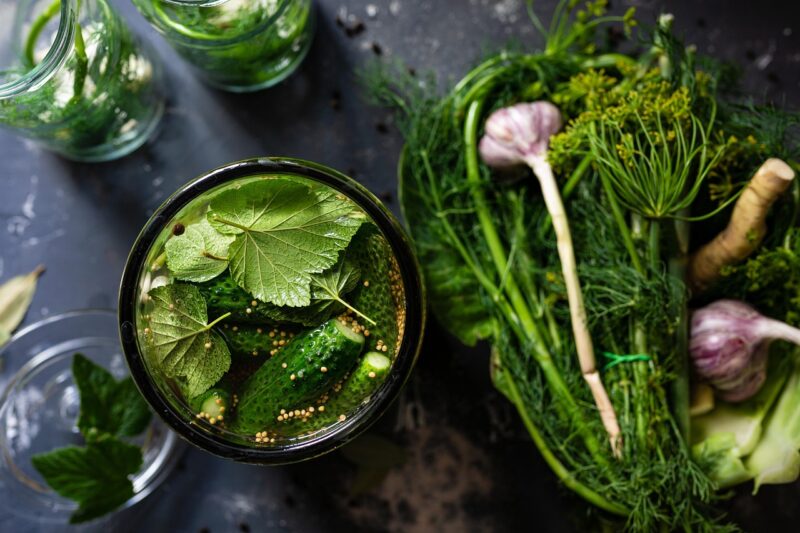
Lacto-fermentation is less like a chemistry project and more like setting fair conditions for the right microbes. Fresh vegetables already carry lactic acid bacteria on their surfaces. Given a salty, … How to Ferment Vegetables Without Guesswork or Special GearRead more