
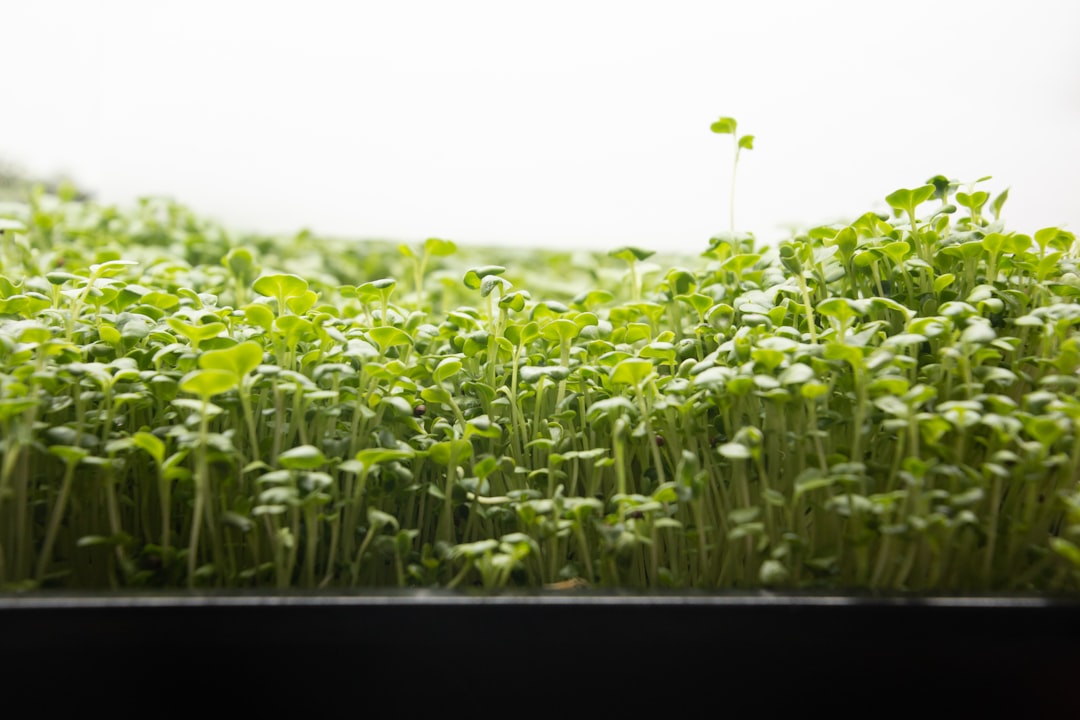
Microgreens thrive in the narrow space between thirsty and soggy.
Why does a tray of healthy-looking seeds sometimes grow a fuzzy white coat overnight? In the first few days, microgreens need steady moisture to wake up and root, but that same dampness can invite mold when air sits still, water pools in corners, or misting becomes a reflex.
The safer rhythm is not a calendar rule. It is moist soil from below, a surface that gets a little breathing time, and quick checks for weight, shine, and smell. A tray may need attention twice on a warm day, then much less once roots are drinking evenly.
A simple watering rhythm to start with
If the tray still feels heavy or water remains in the lower tray, waiting a bit can be safer than adding more.
Set up the tray so water has somewhere to go
Mold control starts before the first watering. A tray that drains well, sits level, and uses a clean growing surface gives microgreens a much wider margin for small watering mistakes. If water pools in one corner or stays trapped under dense mats of stems, even a careful routine can feel unpredictable.
A forgiving setup usually has four simple pieces:
- Drainage holes in the growing tray, with a solid tray underneath to catch extra water.
- A level surface so moisture spreads evenly instead of soaking one side.
- Clean trays and tools, rinsed well and dried before sowing.
- A medium that holds moisture without turning swampy, such as a fine seed-starting mix, coco coir, or a suitable grow mat.
The medium matters because it decides how long water lingers around the stems. Soil-like mixes can buffer moisture, while mats often dry more quickly at the edges; the right routine may differ between soil-based and hydroponic trays.
A quick pre-sowing check helps: add water to the empty tray, watch where it collects, then adjust the surface or tray position. Fixing puddles early is much easier than chasing fuzzy growth later.
Keep germinating seeds damp, not flooded
During germination, moisture at the surface matters more than it will later. Seeds are sitting close to the top of the tray, and their tiny roots have not yet reached into the growing medium. If the seed coats dry out at this stage, germination can slow down or become uneven.
A light mist is usually enough. The goal is a softly damp surface, not a shiny layer of water. A fine spray bottle helps because it wets seed coats without pushing seeds into clumps.
Helpful checks during this phase:
- Look at the tray once or twice a day, especially in warm or dry rooms.
- Mist only when the surface looks pale, dry, or crusty.
- Tilt the tray slightly after misting; if water runs, too much has been added.
- Blot or pour off any standing water around the tray edges.
Covered trays often collect condensation. A little fog on the lid is normal, but heavy dripping can keep the surface too wet. Cracking the cover briefly, wiping the lid, or improving nearby airflow can help keep moisture steady without encouraging soggy spots.
The surface should look evenly damp, with seeds darkened by moisture. If water pools between seeds or reflects light, pause misting and let excess moisture clear before covering again.
Water from below once roots settle in
After roots reach the medium, bottom watering microgreens trays helps keep stems, hulls, and the surface from staying wet.
Add a shallow layer of water to the lower tray, let the growing tray wick it up for a few minutes, then pour off anything left behind.
Watering without inviting mold
Farm Small shows a practical watering approach for microgreens, with attention to keeping moisture useful without leaving trays overly wet.
Read the tray, not the calendar
A tray can look fine in the morning and thirsty by evening, especially in a warm room or under strong lights. Another tray beside it may stay damp for two days. That is why daily checking is useful, but daily watering is not always needed.
Look first at the surface color. Coco coir or soil that has turned noticeably lighter is usually drying, while a dark, shiny surface may still be too wet. The goal is a surface that can breathe without letting the root zone dry out completely.
A quick lift test helps too. A freshly watered tray feels heavier; a dry tray feels surprisingly light. After a few rounds, the difference becomes easy to recognize.
For a closer check, gently touch just below the top layer near a corner. It should feel slightly moist, not muddy or dusty. Once roots form a mat, that mat should feel springy and cool rather than soggy.
Early wilting is another clue. Slight drooping before watering often perks up after bottom watering, but repeated wilting can stress the crop. A simple check can include:
- Pale, dry-looking surface
- Light tray weight
- Slight moisture below the surface
- Root mat that is damp, not slimy
- Greens beginning to lean or soften
Why the same watering schedule can turn moldy
Mold is usually less about one extra splash and more about conditions that keep a tray stagnant. A dense sowing of seeds traps moisture between stems, especially during germination when the canopy sits close to the surface. Cool rooms slow evaporation, while still air lets humidity linger around the greens.
Deep media can also stay wet longer than expected. The top may look fine while the lower layer remains soggy, so repeated watering gradually creates a damp pocket. Standing water under the tray is another common trigger, because roots and media keep wicking moisture even after they have enough.
A few small adjustments can lower the risk without drying seedlings out:
- Sow a little thinner when a variety is known to grow thick or mucilaginous.
- Crack a lid sooner if heavy condensation forms during germination.
- Run a gentle fan nearby, not directly blasting the tray.
- Rinse and dry trays between crops for a cleaner indoor growing setup.
- Use shallower media and drain leftover bottom water after a short soak.
The goal is steady moisture with movement: damp roots, a briefly drying surface, and air that does not sit still.
White Fuzz: Root Hairs or Mold?
Fine white hairs clustered close to the roots are often normal root hairs, especially just after germination.
Root hairs usually form an even halo along the lower stem or root zone. They do not creep across the tray surface, and the crop still looks upright and fresh.
Patchy fuzz spreading over seeds, stems, or media may be mold, particularly when conditions are damp and still.
Mold often expands outward in uneven islands or cobweb-like mats. A sour, musty smell, slimy stems, collapsing sprouts, or gray-green discoloration are stronger warning signs.
Extra moisture usually makes suspicious fuzz worse.
If the tray otherwise looks healthy, gentle airflow and a slightly drier surface may help. If the growth is smelly, slimy, fast-spreading, or mixed with dying seedlings, it is safer to discard the tray than try to rescue it for eating.
Normal root hairs look delicate, clean, and tied to the root zone. Possible mold behaves more like an invader: it spreads across surfaces, smells unpleasant, or appears with weak, wet, collapsing growth.
A tray that raises repeated doubts is not worth forcing into the salad bowl. Discarding one batch can feel wasteful, but it protects the next round too: clean the tray well, reduce seed density if it was crowded, improve airflow, and water a little less aggressively next time.
A simple tray-check routine from seed to harvest
-
Check once in the morning during germination
Lift the cover briefly and look for dull, dry patches on the seed surface. Mist only those areas; a glossy, soaked surface is already wet enough.
-
Check again in the evening
A second quick look catches trays that dried under lights or warm room air. Wipe condensation from lids and tip out any visible puddles before the tray sits overnight.
-
Switch methods when sprouts stand up
Once roots have settled into the medium and shoots are lifting, stop relying on overhead misting. Add a shallow layer of water to the lower tray so moisture wicks upward.
-
Let the tray drink, then drain it
After about 10–20 minutes, the medium should feel evenly damp, not heavy and swampy. Pour off leftover water so roots are not sitting in a stagnant bath.
-
Keep airflow soft and steady
A small fan nearby can help the surface breathe without blasting tender stems. For the broader setup around light, trays, and seed density, see basic home microgreens growing guidance.
- Clean tray and fresh medium.
- Drainage holes clear; tray sitting level.
- No standing water after misting or soaking from below—helpful later for cleaner harvesting.Only a light mist during germination; switch to bottom watering after roots knit in.Give trays a quick daily look and sniff.Keep gentle airflow nearby, not a hard blast.
A mold-safer watering habit is simple: water when the growing medium is beginning to dry, not just because another day has passed. A tray that feels heavy, looks glossy, or has damp edges can usually wait; one that feels lighter with a slightly drying surface may be ready for a small drink.

I appreciate the mold vs root hairs section. I’ve thrown out at least 3 trays of peas that were probably just being peas.
The “odor, spread, slime, crop decline” checklist is super useful. Root hairs look so dramatic in the morning though, like the tray grew a tiny beard overnight.
The “read the tray, not the calendar” line finally made it click for me. I was doing the once-a-day splash because every video says “water daily,” and my radish trays kept getting that funky smell.
Switched to checking tray weight + bottom watering, then dumping the extra water after 10 minutes. No mold on my last two batches. Small miracle 😂
The airflow note fixed my problem. I had drainage and wasn’t overwatering, but my trays were tucked into a shelf with basically zero air movement.
Added a tiny fan across the room, not blasting the greens, and the musty smell stopped. Didn’t realize “stagnant moisture” could happen even when I wasn’t flooding them.
This is the first guide that didn’t just say “mist twice daily” and call it a day. Thank you. The daily check rhythm feels doable, especially the morning/evening quick look instead of obsessing every hour like a helicopter parent.
Misting during germination worked for me until sunflower seeds. They seem to want to rot if I even look at them wrong.
I kept them damp but not flooded, removed pooled water, and still got a sour smell by day 3. Could be my seeds or maybe I’m packing them too dense?
Sunflowers are much more prone to souring than many small seeds. Seed quality matters a lot, but density and lingering surface moisture are common triggers too.
Try a slightly thinner sowing, rinse/soak well before planting, and make sure the weight/cover phase doesn’t trap puddles underneath. Once roots grab, switch to bottom watering as soon as possible and increase gentle airflow.
I’m not totally sold on bottom watering for every crop. My pea shoots did great with it, but my basil microgreens seemed to dry weirdly on top while the bottom stayed soggy.
Maybe my media was too deep like you mentioned? I used almost 2 inches because I thought more soil = happier plants. Apparently I made a swamp with ambitions.
That’s a very likely explanation. Deeper media can hold a lot more water than microgreens need, so the bottom can stay saturated while the surface gives mixed signals.
For most microgreens, a shallower, even layer is easier to manage. With basil specifically, keep the surface from drying too harshly during germination, then water gently from below and avoid leaving water sitting in the tray.
Same here with basil. I use way less media now and it helped a lot. Basil is just slow and dramatic compared to radish or broccoli, lol.
I cleaned my trays with hot soapy water this time and let them fully dry before planting. Huge difference.
Previously I was reusing trays after a quick rinse and wondering why mold kept showing up around the same corner. Turns out “clean gear” was not just a cute suggestion.