
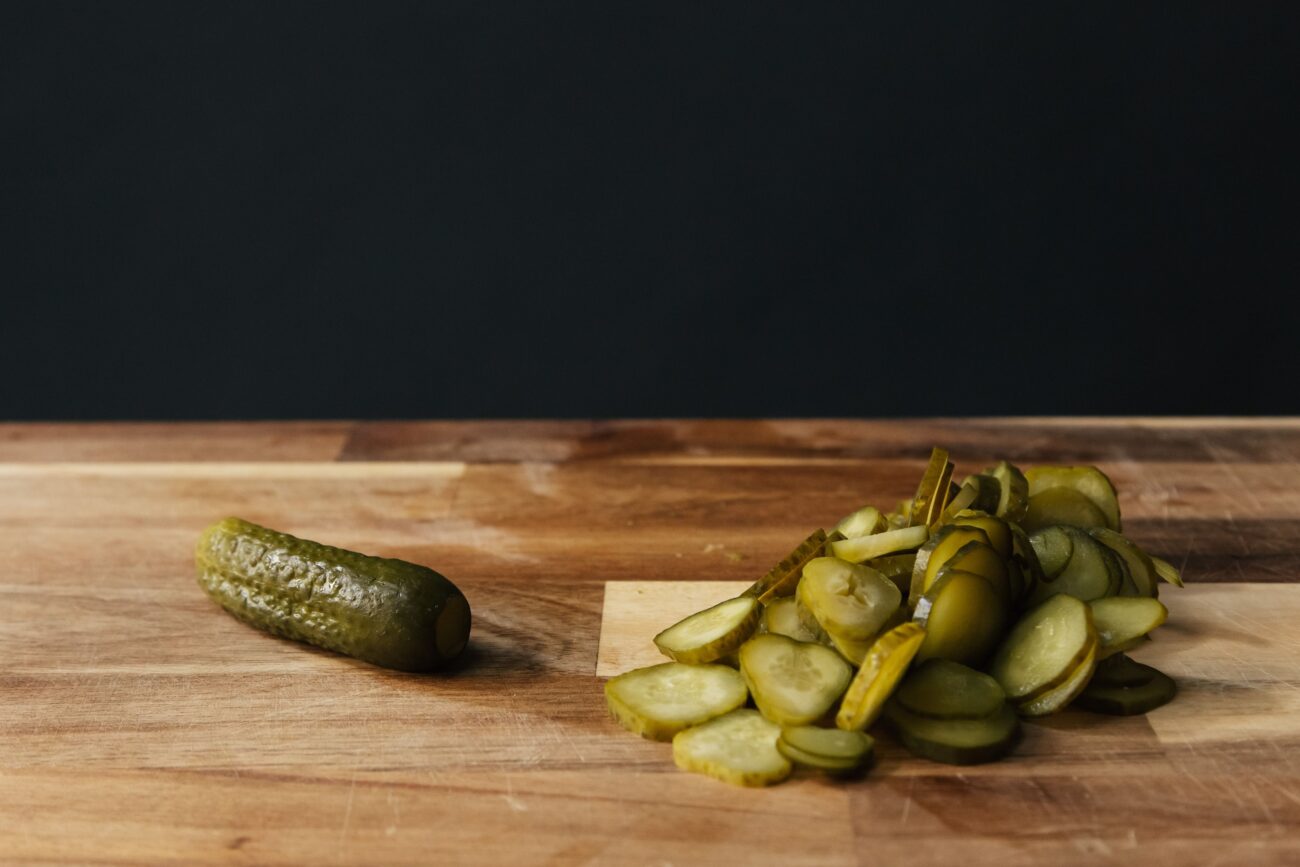
A crisp pickle is part technique, part timing—and only partly about additives.
The jar can look perfect: bubbles rising, brine turning cloudy, that sharp sour smell promising a proper ferment. Then the first cucumber bends instead of snaps. It is a small kitchen heartbreak, especially after waiting days for flavor to build.
Pickle crisp, usually calcium chloride, can help cucumbers keep a firmer bite by strengthening pectin in the cell walls. That makes it useful in fermented pickles, where heat is not the issue but time, salt balance, cucumber freshness, and blossom-end enzymes still matter. It is not a rescue powder for soft, overripe, bruised, or under-salted cucumbers. Think of it as texture insurance: helpful when the basics are already solid, limited when the ferment has gone off track.
- Calcium chloride is used in tiny amounts; too much can make pickles taste noticeably bitter.
- Fresh, small cucumbers with blossom ends trimmed still do much of the crispness work.
Fast product direction


What Pickle Crisp Can—and Can’t—Do
Calcium chloride, the ingredient sold as Pickle Crisp, helps cucumber slices or spears hold onto structure during fermentation. In plain terms, calcium reinforces the pectin in the cucumber’s cell walls—the same general “framework” that gives fresh vegetables their snap. Added in small amounts, it can make the finished pickle feel cleaner and less floppy, especially after several days in brine.
That makes products like Ball Pickle Crisp Granules or a pure food-grade calcium chloride pouch useful when the rest of the batch is already in good shape. They are not magic firming dust. If cucumbers are old, waxed, bruised, overgrown, or already soft in the center, calcium chloride has very little good texture left to protect.
Process matters just as much. A weak brine, forgotten blossom ends, high fermentation temperatures, or leaving pickles in active fermentation too long can all lead to mushiness. For a broader look at those variables, the basics of fermented vegetable troubleshooting are often more helpful than adding another product.
A realistic expectation: calcium chloride can support crispness, not create it from scratch. The firmest results usually come from small, fresh cucumbers; trimmed blossom ends; accurate salt levels; moderate temperatures; and timely refrigeration once the flavor is where it needs to be.
Pickle Crisp works best when treated like a small texture helper. Start with fresh cucumbers and a steady fermentation first; then calcium chloride can add a little insurance against softness.
What Matters for Fermented Pickles
-
Ingredient that fits the brine
For fermented pickles, calcium chloride is usually the simpler firming aid because it can be added in tiny amounts without changing the basic brine process. Pickling lime is calcium hydroxide and is more often used as a separate soak-and-rinse step before pickling.
Look forFood-grade calcium chloride for direct-brine useAvoidLime added straight to a fermenting jar -
Clear, tiny dosing
A little calcium chloride goes a long way, so labeling should make small-batch measuring feel manageable. Vague directions raise the chance of overdoing it, which can affect texture or leave a mineral edge.
Look forJar or pouch directions that suit quarts and small batchesAvoidBulk-style guidance with no pickle-specific cue -
Flavor and color neutrality
Calcium chloride is generally valued because it can firm without noticeably changing the pickle’s flavor or color when used modestly. Lime can be useful in traditional recipes, but it needs careful rinsing so it does not interfere with the finished pickle.
Look forNeutral additive with no fillersAvoidAnything that clouds the process or adds extra handling -
Storage and forgiveness
Resealable packaging helps keep moisture out, especially with calcium chloride, which can clump if stored poorly. Products with simpler handling leave more room for normal home-kitchen variation.
Look forDry, resealable container and simple workflowAvoidMessy powders with multi-step prep when fermenting
|
Ferment-friendly pick
Ball Pickle Crisp Granules 5.5 oz Pack
|
Flexible kitchen use
Pure Food-Grade Calcium Chloride 5 oz Pouch
|
Traditional pre-soak
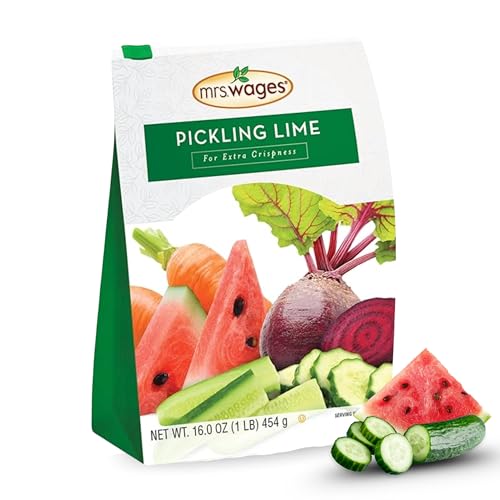
Mrs. Wages Pickling Lime 1 lb Resealable Bag
|
|
|---|---|---|---|
|
|
|
|
|
| Active ingredient | Calcium chloride | Calcium chloride | Calcium hydroxide |
| Ferment fit | Direct brine | Dissolve first | Pre-soak style |
| Dosing clarity | 3 | 2 | 2 |
| Flavor neutral | 3 | 3 | 2 |
| User-error margin | 3 | 2 | 1 |
| View | View | View |
Ball Pickle Crisp: familiar granules for small-batch fermented cucumbers
Top choice for keeping fermented pickles firm
Ball Pickle Crisp is the recognizable little jar many home picklers reach for when they want calcium chloride without buying a larger bulk pouch. It is aimed at pickling rather than general kitchen use, which makes it a comfortable fit for fermented cucumber batches where a small, measured pinch is easier than weighing out from a bag.
For a hobby fermenter making a few jars at a time, its appeal is mostly practical: the product feels familiar, stores neatly, and keeps the focus on the cucumbers, brine, and ferment rather than on sourcing specialty ingredients.
- Food-grade calcium chloride in a pickling-focused format
- Small jar is convenient for occasional batches
- Granules are simple to measure in tiny amounts
- Widely recognized brand with many user reviews
- Usually costs more per ounce than bulk calcium chloride
- Small package may not suit frequent large-batch fermenting
- Does not replace fresh cucumbers, correct brine, or cool fermentation
- Label directions may feel canning-oriented rather than fermentation-specific
Ball Pickle Crisp is a sensible first stop for someone mainly fermenting cucumber pickles and wanting a familiar, easy-to-dose product. It is not a magic fix for soft pickles, but it removes one small source of friction from the process.
For occasional home fermenting, the tidy jar and pickling-specific positioning may justify the higher per-ounce price compared with bulk calcium chloride.
Pure calcium chloride for pickling and other kitchen projects
Multiuse for pickling, cheese, and brewing
This food-grade calcium chloride pouch is the more practical pick for cooks who want the same basic firming ingredient without buying a pickle-only jar. It is simply calcium chloride, intended to be dissolved before use, so it fits careful kitchens where measuring by weight or following a tested recipe already feels comfortable.
For fermented cucumbers, its role is familiar: a small amount can help support a firmer bite. The broader appeal is that the same pouch may also be used in cheese making, brewing, and modern cooking projects, which can make it easier to justify pantry space if pickles are not the only experiment happening.
- Single-ingredient food-grade calcium chloride
- Useful beyond pickles for cheese, brewing, and culinary experiments
- Resealable 5 oz pouch suits occasional kitchen use
- Good fit for people who prefer measured, recipe-based dosing
- Less beginner-friendly than a branded pickle jar
- Requires careful measuring and dissolving for even distribution
- No pickle-specific measuring scoop or familiar canning-brand guidance
- Smaller review history than more established pantry products
Pure food-grade calcium chloride can make sense when fermented pickles are only one part of a broader kitchen hobby. It offers the same core firming role as pickle-crisp granules, but the user experience leans more ingredient-like: measure carefully, dissolve well, and rely on recipe guidance.
For someone who wants a simple pickle accessory, a dedicated jar may feel friendlier. For someone who also makes cheese, brews, or experiments with texture, this pouch is the more adaptable buy.
Pickling lime for old-fashioned soak recipes
Old-fashioned crispness for traditional pickles
Mrs. Wages Pickling Lime is food-grade calcium hydroxide, a traditional firming ingredient used before pickling rather than sprinkled into the jar. It belongs to the older soak-and-rinse style of pickle making, where cucumbers sit in a lime solution and are then washed thoroughly before the actual pickle brine comes into play.
That makes it a better fit for cooks following a specific lime-pickle recipe than for someone making simple lacto-fermented cucumber spears. It can support a notably firm texture, but it asks for more measuring, soaking time, and cleanup than calcium chloride granules.
- Traditional firming method with a long home-pickling history
- Economical 1 lb resealable bag for repeated batches
- Useful beyond cucumbers, including watermelon rind and green tomato pickles
- Requires a separate soak and careful rinsing before pickling
- Less convenient for direct-brine fermented cucumbers
- Not a simple substitute for calcium chloride granules
Pickling lime works as a pre-treatment, not as a seasoning-style addition to an active ferment. Traditional recipes typically call for soaking, draining, and rinsing well before the cucumbers go into their final brine.
That extra care is the main tradeoff. It can be rewarding for old-fashioned pickle styles, but it is a more hands-on route than adding a small measured amount of calcium chloride to a fermented jar.
Mrs. Wages Pickling Lime has a real place in home pickling, especially for recipes built around a lime soak. For everyday lacto-fermented cucumber pickles, though, it is less convenient and more process-heavy than Pickle Crisp-style calcium chloride.
Helpful Fix, Not a Shortcut
Pickle Crisp is useful when the rest of the ferment is already in good shape. A small amount of calcium chloride can help cucumbers stay firmer, which makes products like Ball Pickle Crisp or a food-grade calcium chloride pouch practical for many home fermenters.
It is not a rescue treatment for tired cucumbers, warm jars, weak brine, or overlong fermentation. The crunch still begins before the jar is filled: fresh pickling cucumbers, blossom ends trimmed away, a suitable salt brine, cooler fermentation, and refrigeration when the pickles taste ready. In that context, Pickle Crisp is a helpful support—not the whole strategy.

I appreciate the distinction between calcium chloride and pickling lime. My grandma swore by lime soaks, but the rinse step always made me nervous because every recipe screams at you not to skip it.
For lacto-fermented cucumbers, I’m leaning Ball Pickle Crisp just because direct-to-brine feels less fussy. Has anyone here actually preferred lime for fermented pickles, or is it mostly for vinegar pickles and older recipes?
Lime is most commonly used in traditional soak-and-rinse recipes, often for vinegar pickles or older-style methods where the soak is part of the process. It can firm cucumbers, but it adds extra handling and requires thorough rinsing.
For direct fermented cucumber pickles, calcium chloride is generally simpler because it can go straight into the brine in small amounts.
I tried lime once and decided I am too lazy for that lifestyle. Pickles were crisp, but the rinse-repeat-rinse routine was not my vibe.
Which one did you end up choosing for your own ferments? The Ball Pickle Crisp seems easiest, but the pure calcium chloride pouch sounds more practical if you’re weighing ingredients anyway.
I already use a scale for salt percentages, so the jar-with-spoon convenience isn’t a huge selling point for me.
For my own routine, I’d choose the pure food-grade calcium chloride pouch when I’m already weighing salt and making several jars. It fits better with percentage-based fermenting.
For someone making an occasional quart or two and wanting simple directions, Ball Pickle Crisp is easier and less intimidating.
Same here. Once you’re using a scale for brine, the pouch makes more sense. If I were gifting supplies to a beginner though, I’d probably give them the Ball jar.
I’ve had better luck focusing on cucumber selection than additives. Small, bumpy pickling cucumbers from the market beat the big waxy supermarket ones every single time.
I still add a little calcium chloride now, but it’s more like insurance. The main event is fresh cucumbers and not letting them ferment until they surrender.
The “helpful fix, not a shortcut” line is exactly what I needed to hear. I kept assuming my texture problem was just lack of Pickle Crisp, but I was fermenting on top of the fridge in August like a genius.
Moved the jars to the basement and started cutting the ferment shorter, and the crunch improved before I even added calcium chloride.
For people who ferment a lot, is the pure calcium chloride pouch actually worth it over the Ball granules? I only make maybe 4 quarts at a time but I also do some cheese and spherification-ish kitchen experiments once in a while.
Trying to avoid buying yet another tiny specialty jar that lives in the cabinet forever 😅
If you’ll use calcium chloride beyond pickles, the pure food-grade pouch is usually the better value and more flexible. The Ball jar wins on convenience because the granules and labeling are pickle-specific, especially for small batches.
For fermented pickles, either can work as long as you measure carefully and don’t treat it as a fix for weak brine or over-fermentation.
I switched to the pouch for the same reason. It’s less “cute pickle product,” more boring pantry ingredient, but I like that I can use it for other projects and measure by weight.
I’ve used the Ball Pickle Crisp for two summers and it definitely helps, but the article is right that it won’t save mushy cukes.
My best batch was with tiny same-day-picked cucumbers, 3.5% brine, and a cool basement ferment. Worst batch was grocery store cucumbers + warm kitchen + me forgetting them for too long. Same jar of Pickle Crisp, totally different results.
I’m a little skeptical of the Ball product only because the label makes it feel like magic dust. Not saying it doesn’t work, just that beginners might miss the brine strength and temperature parts.
The article did a good job spelling that out though. Crisp granules are not a time machine for old cucumbers lol.
The lime section was useful, but I wish more recipes would stop acting like pickling lime is interchangeable with Pickle Crisp. They’re both “firming” things, sure, but the workflow is completely different.
I once followed a random online recipe that mashed up both methods and ended up with pickles that were somehow chalky AND soft. Truly an achievement.
That’s a good point. Lime and calcium chloride get grouped together because they’re both associated with firmness, but they are not used the same way.
Calcium chloride is a direct-brine firmer in tiny amounts. Pickling lime is a soak-and-rinse method, and skipping or confusing those steps can create texture and flavor problems.
“Chalky and soft” is exactly what happened to my aunt’s batch one year. We all pretended they were fine because family politics 😂
I bought the Mrs. Wages lime for an old-fashioned bread-and-butter pickle recipe and it worked well there, but I wouldn’t reach for it with my fermented dills.
For ferments, I want fewer steps and less chance to mess up. Ball granules are probably my pick for small batches, even if the pouch is cheaper per ounce.