
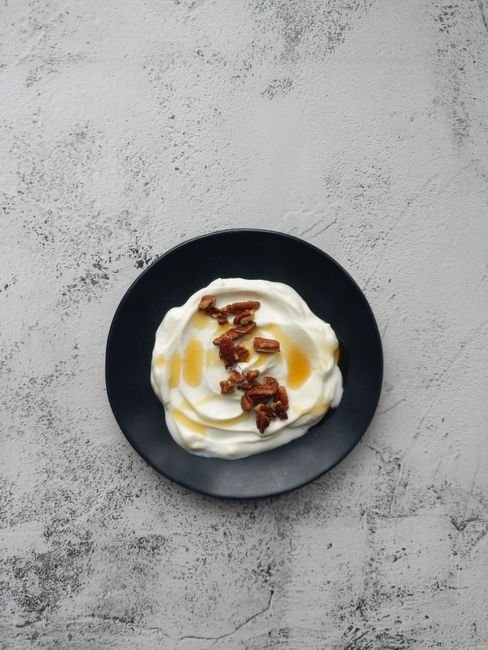
Same spoon, very different mood.
I’ve stood in that cold aisle staring at two equally thick tubs, knowing they won’t eat the same once I get home. Skyr usually feels a bit denser and tangier to me, while Greek yogurt can come off creamier and richer, especially in whole-milk versions.
If I want a cleaner, less dessert-like bite, skyr often fits. If I’m after more richness, or a price that stretches easier week to week, Greek yogurt may make more sense. Neither is the universal winner; the better pick is the one I’ll actually finish happily.
- Icelandic Provisions leans premium, with vanilla skyr and a protein-forward feel.
- FAGE Total 5% brings a richer whole-milk Greek yogurt option that can be easier on the budget.
- siggi’s plain nonfat skyr is handy when I want bulk-friendly servings.
Three easy starting points


I treat these as shortcuts, not rules. Some Greek yogurts are lighter or tangier, and some skyrs are sweeter or softer—brand and milkfat level can shift the experience a lot.
Similar family, not the same carton
They overlap in thickness, but they can differ in cultures, milk base, tang, and richness.
I think of them as close cousins. Skyr often reads a bit leaner and milder, while Greek yogurt can feel richer, especially in whole-milk versions.
In U.S. stores, the name is often more of a style cue than a strict rule.
That’s why I check the ingredient list and nutrition panel, not just the banner word. For thick cultured dairy basics, labels usually reveal more than branding does.
For everyday shopping, formulation usually matters more: protein, fat, added sugar, and cultures.
Two products both labeled skyr can vary a lot, and the same goes for Greek yogurt. I get a better match by comparing the panel than by assuming the name settles it.
Use the name as a clue, then let the label break the tie.
|
protein-forward
Icelandic Provisions Vanilla Skyr Heirloom Cultures
|
VS |
whole-milk
FAGE Total 5% Whole Milk Greek Yogurt
|
|---|---|---|
|
Very dense
|
Spoon feel |
Dense, softer
|
|
Clean tart
|
Tang |
Milder tart
|
|
Leaner feel
|
Richness |
Fuller, creamy
|
|
Higher per cup
|
Protein |
Usually lower
|
|
Vanilla sweet
|
Sweetness |
Plain, unsweetened
|
| Check | Check |
If I want a tighter, almost cheesecake-like spoonful, skyr tends to feel more compact to me. If I want a rounder, richer bite, especially from whole-milk cups, Greek yogurt often feels more plush.
Then I confirm with the label:
Protein: skyr often runs a bit higher Fat: whole-milk Greek usually feels richer because it often is Sugar: flavored cups can soften tang and make either style taste more dessert-likeThat last point matters. A plain skyr and a vanilla skyr can feel farther apart than two plain cups from different brands.
A softer skyr entry with vanilla
Best for protein-packed vanilla fans
I reach for Icelandic Provisions Vanilla Skyr when I want skyr’s dense, spoonable texture without jumping straight into a tart plain cup. It keeps the thick, high-protein feel, but the vanilla smooths out the sharper edges and makes it feel more inviting from the first bite. If you’re skyr-curious and want something that reads more like a polished snack than a strict staple, this is an easy place to start.
- Dense, creamy texture with 15g protein
- Vanilla makes skyr feel friendlier
- Feels a bit more premium than basic cups
- Less neutral than plain skyr
- Likely pricier than value tubs
- Treat-like vibe may not suit everyday use
Quick take This is the skyr I’d point to for a first try if plain cups feel too stark. It balances protein appeal with a softer, more dessert-leaning flavor.
If I were introducing someone to skyr, this would be one of my easier picks. It still feels distinctly skyr—thick, dense, and protein-forward—but the vanilla gives it a gentler landing. The trade-off is that it comes across more like a premium little treat than an everyday plain staple.
Whole-milk Greek for a creamy baseline
Best budget whole-milk Greek yogurt
When I want a plain yogurt that shows what rich Greek texture is supposed to feel like, this is the kind of cup I picture. FAGE Total 5% lands in that silky, spoon-coating zone that makes Greek yogurt feel more lush than skyr.
It fits readers who want one tub style that can move from breakfast to cooking without feeling fussy.
- Silky, full-bodied texture
- Useful in sweet or savory meals
- Often feels like solid everyday value
- Heavier than leaner styles
- Less light than skyr
- Richness may not suit every snack mood
For me, this works as the creamy benchmark in the skyr-versus-Greek conversation. It’s thick, mellow, and handy well beyond the breakfast bowl. Around $2 for a single cup can make it feel approachable, though the fuller mouthfeel is the clear tradeoff versus leaner picks.
Bulk plain skyr for meal prep
High-protein nonfat large tub
I think of this 24-ounce tub as the steady fridge staple: plain, unsweetened skyr that lets me build breakfast bowls, smoothies, or savory sauces my own way. It makes the most sense for people who want one high-protein base and prefer to handle sweetness and toppings themselves.
- Easy to portion across several meals
- Plain base gives full topping control
- High-protein, nonfat profile fits routine use
- Large tub can feel practical for regular buyers
- Texture is firmer than many Greek yogurts
- Tangier flavor can read a bit sharp plain
- Less cozy if you want a softer spoonful
- Big tub is less ideal for occasional use
If I want a practical skyr that can cover a few breakfasts without deciding the flavor for me, this is a strong fit. It shines when I want control over fruit, honey, granola, or savory add-ins. Still, the firmer body and tangier edge make it feel more utilitarian than comforting.
How I’d sort it in real life
-
Choose richness
If I want creamy and richer, I lean Greek. For a leaner, higher-protein feel, skyr usually fits better.
-
Pick plain or flavored
Flavored cups feel easy; plain tubs give me more control over sweetness and add-ins.
-
Match format to use
Single cups suit snacks. Large plain tubs work better for breakfasts, sauces, and baking.
-
Try them side by side
One skyr and one Greek, matched as plain or similar flavors, usually settle texture and tang fast.
- Whole-milk Greek tends to feel more indulgent.
- Plain skyr usually stretches further in meal prep.
- A quick spoon test often beats marketing copy.
For me, the practical split is simple: Greek reads creamier and richer, while skyr often feels firmer and leaner. Plain vs. flavored, and tub size, can matter more day to day than the category name.
If you’re still on the fence, a low-stakes two-carton test can help: try one skyr and one Greek in the same style and let texture decide.

Maybe I’m the odd one out but siggi’s plain is a little too tangy for me by itself. Great for meal prep, yes, but I absolutely need to add fruit or a drizzle of maple syrup or else it feels like I’m being punished for wanting protein.
That said, as a base for savory stuff? Weirdly good. I’ve used it instead of sour cream on baked potatoes.
The bulk plain skyr section spoke to me because I’m trying to stop buying a million single cups every week. siggi’s plain is definitely firmer/tangier like you said, but I kinda like that since it stands up better when I mix in berries and chia.
My only issue is that unsweetened skyr can be a rough entry point for people used to flavored yogurt. I gave some to my sister and she looked at me like I’d handed her sour cream 😂
I keep coming back to FAGE Total 5% even though I know it’s not the leanest option. The creamy texture just works better for me, especially if I’m eating it plain.
Skyr always sounds like the “smarter” choice on paper because of protein, but sometimes I want breakfast, not homework lol.
I appreciate that you mentioned U.S. labels being messy here. That part drives me nuts. You pick up one “Greek” yogurt and it’s basically dessert, then another “Icelandic” one is super lean and tart, so the category name stops being useful real fast.
Honestly I wish more people would compare fat, sugar, and protein first instead of acting like the label alone tells the whole story.
Exactly. The name can point you in a general direction, but it doesn’t reliably tell you sweetness level, richness, or even how filling it’ll feel. Looking at the ingredient list and nutrition panel usually clears things up faster than relying on the front-of-package category.
Yep, this. I’ve bought “Greek” cups that were thinner and sweeter than some skyr brands, so now I ignore the marketing and just flip straight to the back label.
Small rant: why are flavored high-protein cups always trying to become dessert? 😅 I liked that you called out sweetness control as a real sorting factor, because some of these products are less “plain dairy ferment” and more “pudding with a gym membership.”
I do buy vanilla skyr sometimes when I want the convenience, but most days I’d rather start with plain and add my own stuff.
That’s a fair complaint. Flavored cups can be useful as an easy entry point, but they definitely blur the line between a neutral staple and a treat. If sweetness control matters to you, plain tubs are usually the fastest way to stay in charge of the final taste.