
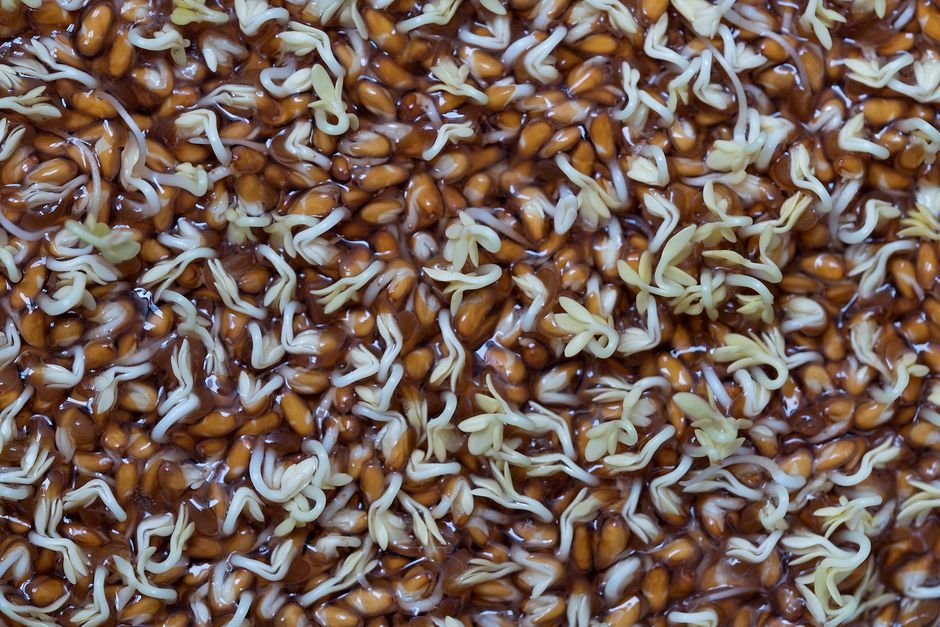
An old packet isn’t automatically a dead one.
If I’m looking at a patchy tray with a two-year-old packet in my hand, I don’t blame the date right away. I’ve had older microgreen seed germinate surprisingly well after sitting cool and dry, and I’ve also had newer seed underperform after a humid stretch in the garage.
The printed date is a clue, not a verdict. Heat, moisture, and storage conditions usually matter more than the calendar alone. Before I toss a packet, I do a quick reality check: does the seed smell musty, look clumped, or seem unusually slow in a small test batch? That simple check often tells me more than the year on the packet — and helps me avoid throwing out seed that still has life in it.
When seed performance usually starts to slip
A seed lot can be technically alive and still give a patchy tray.
I think of seed aging in two stages. First, it loses vigor: germination gets slower, emergence gets uneven, and the tray may fill in patchily. Later, it loses viability: fewer seeds sprout at all.
That difference matters with microgreens because I usually care more about an even canopy than a few extra sprouts. A two-year-old packet might still be very usable for one crop, while another crop from the same shelf life feels noticeably weaker.
So the short answer is: many seeds stay alive for quite a while, but their “great tray” phase often ends sooner.
Create a simple seed log
I like to turn seed age into a tiny log instead of a guess. On each packet, I write two dates: arrived and first opened. That makes it easier to tell whether a disappointing tray came from older seed or from lots of handling.
An unopened packet often keeps better because it avoids repeated exposure to room air, humidity swings, and temperature changes. A packet I reach into every week can still sprout well, but I assume it may lose vigor sooner than a sealed backup.
I usually note:
- Arrival date
- First-opened date
- Lot number or supplier
- Any quick germination test results
For organic seed shelf-life expectations, I look at crop type and storage history first. Organic on its own does not tell me how long a packet will stay vigorous.
Storage is the part I can actually control
Of all the variables I can control, storage has the biggest effect on how long microgreen seeds stay lively. A packet kept cool and dry often acts much younger than one that sat through a hot, damp season in the wrong spot.
What speeds up decline
Heat makes seeds age faster. Moisture is usually the bigger problem: when humidity sneaks in, seeds can begin small metabolic changes they cannot maintain in storage. Light tends to matter less than heat or moisture, but regular exposure still adds stress, especially in clear containers on a bright shelf.
Easy habits that help at home
I usually get steadier germination when I keep things simple:
- Store seed in a cool, dark, dry place indoors.
- Put packets inside a jar, box, or zip bag to buffer humidity.
- Add a small desiccant pack if I have one.
- Skip garages, greenhouses, and windowsills, where temperatures swing a lot.
- If I store seed cold, I let it warm to room temperature before opening so condensation stays off the seed.
- Open packets briefly and reseal them well.
An airtight jar in a closet is often enough for home storage. It is low-effort, and it helps protect seed from the day-to-day humidity swings that quietly wear vigor down.
My 30-second seed check before I sow
-
Open and smell the packet
If I get a musty, sour, or basement-like smell, I pause. Healthy seed usually smells faint or nutty, not stale or damp.
-
Look for moisture clues
I check for clumps, stuck hulls, or a packet that feels humid inside. Those signs can mean the seed picked up moisture in storage.
-
Scan for odd color
A few natural color variations are normal, but dull, blotchy, or dusty-looking seed makes me cautious. Any fuzzy growth is an easy no for me.
-
Notice broken pieces
More cracked seeds than usual can point to rough handling or age-related brittleness. They may still sprout, but vigor often slips first.
-
Compare with memory
If this lot looks or smells worse than the last packet of the same crop, I trust that difference. I’d rather test a spoonful than risk a whole tray.
I’ve had newer packets look tired because they were likely stored poorly somewhere along the way. When smell or appearance seems off, I treat that as real evidence, not as me overthinking it.
Quick test
-
Count 50 seeds
-
Sprout on paper
-
Count by the usual crop window
-
Compare with your baseline
Good for checking older microgreen seeds.
Sourcing fresher lots
Donny Greens shows where seed quality starts.
If my sample comes up strong and fairly even, I just use the seed normally. I do not chase perfect numbers; for microgreens, “good enough” is usually good enough.
If germination is a little lower but still respectable, I plan to use that packet sooner and sow a bit heavier. That often makes up for mild age-related decline without turning the tray into a crowded mess.
If the result is weak, patchy, or very slow, I usually replace the seed instead of fighting it. Old seed can lose vigor first, so I look for thinner stands and delayed sprouting more than a complete failure.
I also try not to blame age for every bad tray. If several crops struggle at once, or a fresh packet behaves the same way, the issue may be moisture, airflow, temperature, or sowing density rather than simply older seed not germinating well.
Fresh seed, fewer leftovers
- Buy for your recent tray count, not your most ambitious plan.
- Use first-opened packets before sealed backups from the same crop.
- Do a quick seasonal audit so aging seed gets used, tested, or replaced.
For me, the easiest way to waste less seed is to stop buying for an imaginary future. I get better trays when I match orders to what I actually sow in a month or a season, then work the oldest packets first.
A simple routine is usually enough: at each season change, I check dates, move half-used packets to the front, test anything questionable, and buy only what fills the next gap. That keeps most seed fresh enough for reliable germination without turning my stash into a slow-motion compost pile.

Maybe I’m the odd one out but I don’t love keeping another log for everything. Arrival date, opened date, lot notes, test results… at some point I’m spending more time tracking seeds than growing them.
That said, I can see the value if you’re sowing enough trays that inconsistency actually costs money.
Fair pushback. The log only helps if it stays simple enough to use.
For small-scale growers, even just three fields—crop, first-opened date, and a quick pass/fail note—can catch most of the useful patterns without becoming busywork.
“Fresh seed, fewer leftovers” is the lesson I keep learning the hard way. I always over-order because I’m afraid of running out, then 8 months later I’m trying to convince myself the old arugula is “probably fine.”
Spoiler: sometimes it is not 😂
The part about separating aging from setup problems should be printed on seed bins everywhere.
I replaced a bunch of seed last winter and later realized my germ mat was cycling way too hot. Expensive lesson. Since then I test old vs newer seed side by side before blaming the packet.
Not as exciting as buying fresh seed, but definitely cheaper.
I appreciate the line about organic labels not predicting longevity. I sell at a small market and customers assume “organic” means fresher, stronger, better storage, all of it.
Different issue entirely. Handling matters way more than the sticker on the packet.
Good article, but I still think packet dates should be more standardized. “Packed for 2024” tells me almost nothing if I don’t know whether it sat in a warm warehouse forever before I bought it.
Your same-lot test idea is practical though. I’d rather count sprouts than guess from marketing language.
The point about storage history mattering more than the packet date was honestly the most useful part for me. I’ve been blaming “old seed” when the real problem was probably that I kept opening the same packet in a humid laundry room 😅
I never thought to log the first-opened date, but that makes so much sense if you’re trying to figure out whether a weak tray is age or just bad handling.
That’s exactly why I like the first-opened date. Two packets with the same packed-for year can behave very differently depending on how often they were opened and where they lived afterward.
Humidity sneaks up on people because the seed can still look mostly fine while vigor is already slipping.