
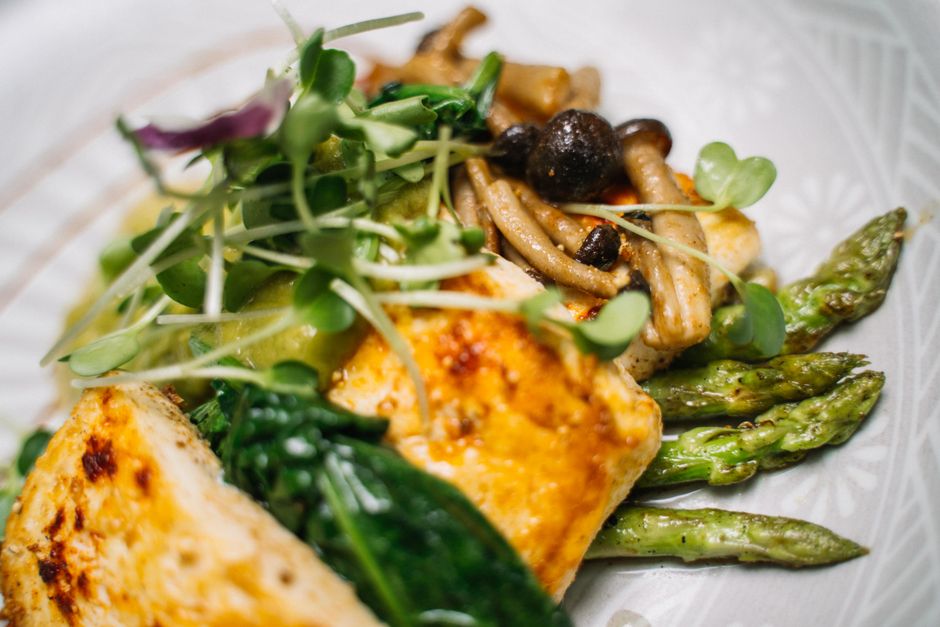
A warm plate and a handful of microgreens can get along just fine.
I’ve hovered over a hot bowl of pasta with microgreens in my fingers, wondering if tossing them in would defeat the whole point. In my kitchen, it helps to remember they’re still food, not a fragile test of virtue.
If the dish is begging for freshness, I scatter them on at the end. If a little wilting makes the bite work better, I let them meet the heat. You may lose some crispness—and maybe some of what felt special about them raw—but you still keep color, a fresh note, and a meal you’ll actually enjoy.
Does cooking them ruin the point?
Can I cook microgreens at all?
Yes—brief heat doesn’t make them pointless. My short answer is that cooking changes what they bring, so I think more about the job I want them to do.
When do microgreens make the most sense raw?
If I care most about crunch, bright flavor, or that just-picked look, I leave them raw. They shine as a finishing layer on eggs, soup, grain bowls, and sandwiches.
When is light cooking still worth it?
If convenience matters more, I’ll toss them into warm food right at the end. Residual heat softens them a bit without turning them into ordinary greens.
What if I want minimal heat exposure?
I add them after the pan is off the burner, or onto food once it has cooled slightly. That keeps more of their fresh character while still letting them meld into the dish.
So how do I decide?
I use a simple tradeoff: raw for crunch, fresh flavor, and appearance; barely warmed for ease and integration. Once I frame it that way, the choice usually feels obvious.
What heat usually changes first
Usually, texture, volume, and brightness change before usefulness disappears.
In my kitchen, a quick toss into eggs, soup, or noodles tends to soften them and shrink them fast. Color can dull, too. That is different from becoming pointless; they may still add a fresh, green note.
Heat can change some nutrients, but the effect depends on the variety and the cooking method.
Not all microgreens behave the same way, and a brief warm-through is not the same as a long sauté. If you want a fuller picture of what cooking may change nutritionally, it helps to think in terms of degree, not all-or-nothing.
Crunch and vivid color are only part of the appeal.
Even wilted microgreens can still bring a light herbal flavor and a little contrast to a finished dish. I think of them like a delicate herb: sometimes best raw, sometimes still useful after gentle heat.
Pan greens or finishing greens?
How can I tell which microgreens can handle heat?
I usually check the stems first. Thick, springy stems and smaller, less delicate leaves tend to survive a quick pass through a warm pan, while wispy stems and broad tender leaves slump fast.
Which ones are better saved for the top of the dish?
Tender greens shine as a finish. If they bruise when I pinch them or wilt from a little steam, I treat them like herbs and scatter them over eggs, soup, or noodles after the heat is off.
Do I need to memorize every variety?
Not really. I find it easier to sort them into two buckets: sturdy enough to warm, or delicate enough to top. Pea shoots and chunkier stems often cook more gracefully; finer brassica greens usually keep more charm raw.
How do I match microgreens to the dish?
I match them to the contrast I want. For crunch, brightness, and a fresh look, I add them last; for blending into an omelet or stir-fry, I use a tougher handful. If I want more ideas for eating broccoli microgreens raw, that usually tells me they belong on top, not deep in the pan.
How do I use microgreens in hot dishes without flattening them?
-
Turn heat into a finishing move
My easy rule is simple: add microgreens at the end, not the beginning. If the pan is still screaming hot, I usually wait a moment or pull it off the burner first.
-
Use a small handful first
Microgreens shrink fast, so I start lighter than I think I need. It is easier to add more than to stir in a whole tuft and watch it disappear.
-
Give them seconds, not minutes
A quick toss is often enough. I think of 5 to 15 seconds for warm noodles, eggs, or rice, just long enough to soften slightly.
-
Picture familiar meals
They are easy to work into scrambled eggs, soup, risotto, pasta, grilled cheese, or a grain bowl. In those dishes, I use them the way I would use herbs: for the last bit of freshness.
-
Keep some back for the top
If I want both warmth and that lively look, I split the tray in two. One part goes in at the end, and the rest lands on top right before serving.
If a dish needs long simmering or hard searing, I usually treat microgreens as a garnish instead.
Start with one bowl, one plate, or one sandwich instead of the whole batch.
Toss a pinch into hot ramen after the burner is off Fold a little into eggs right before they finish Scatter some over pizza or roasted vegetables at the tableThat tiny test tells me quickly whether a variety tastes better warmed, raw, or both.
When is cooking microgreens probably not worth it?
When do I stop trying to cook microgreens and just use them fresh?
If I bought them for snap, delicate leaves, or that bright finishing look, I usually keep them raw. They can be relatively pricey for the amount you get, so letting them collapse into a hot pan can feel wasteful when sturdier greens would do the same job. If I want inspiration, I look at cookbooks with microgreens meal ideas that use them as a last-minute layer instead of the main cooked green.
What quick rule helps me decide?
My shortcut is simple: preserve if their value is crunch, color, or presentation; integrate if the dish only needs a small fresh note and a little softening will not hurt. If losing volume would disappoint me, I stop before the heat does it for me.
What do I use instead when I need a fully cooked green?
I usually swap in spinach, herbs, scallions, or another green with more body, then add microgreens at the end if I still want that fresh top note. That way I get the cooked effect without asking a delicate ingredient to do a sturdier job.
The easy preserve-or-integrate call
- Preserve for crunch, color, and visual lift.
- Integrate only when slight wilting still fits the dish.
When microgreens are acting like garnish, texture, or color, I keep them out of the heat. When they are just adding a small fresh accent, a brief late toss can work — but if I need bulk, I reach for another green.
