
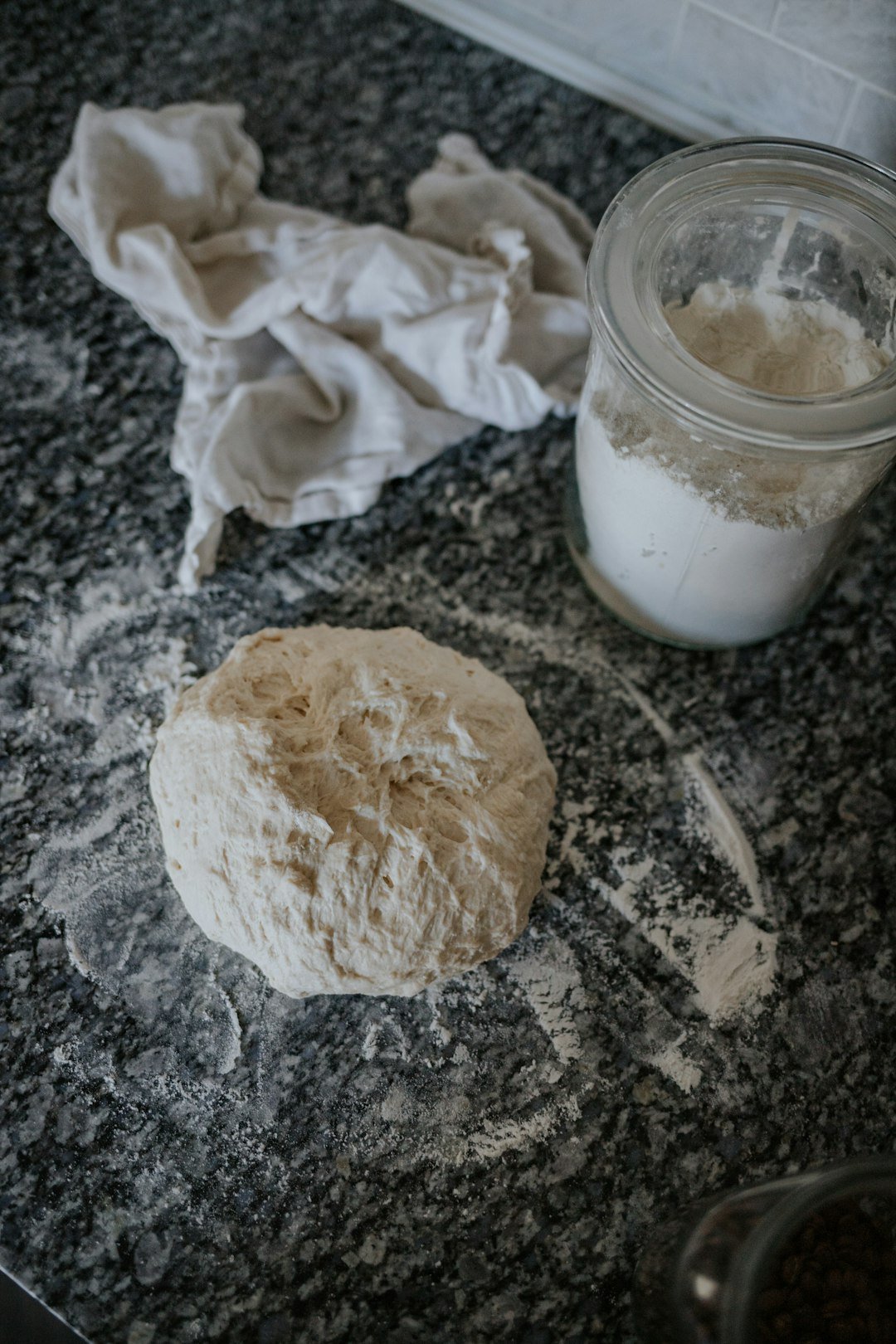
A flat starter can make any bag of flour look like a possible rescue.
You feed it at night, check in the morning, and the jar barely moved. I’ve had that moment where every problem seems like a flour problem.
Sometimes it is. Whole-grain flours can give a weak starter more bran, minerals, and momentum. But a flat culture can also come from cool temps, missed peak times, or a starter that’s still immature. That’s why swapping flour can help or distract.
Worth testing

What “weak” actually looks like
A weak starter, in plain kitchen terms, is one that eats slowly and struggles to hold enough gas to rise well. In my jar, that usually means it takes much longer than expected to double, then peaks low and collapses without much strength. If you’re trying to wake a sluggish starter back up, it helps to tell true weakness from a starter that just needs time or food.
A starter may seem weak when it’s simply:
- Young: often erratic in the first 1–2 weeks
- Underfed: smells very sour or boozy and sinks quickly
- Cold: rises eventually, just on a slower schedule
Signs of real sluggishness are easier to spot:
- Very little rise after feeding, even in a warm room
- Sparse bubbles, not many throughout the jar
- Loose, thin texture instead of a puffy, airy one
- Poor dough lift even after a few regular feedings
What the flour is doing in the jar
Flour doesn’t just feed a starter; it changes the whole environment. Whole grain flours bring along the bran and germ, which carry extra enzymes, minerals, and wild microbes compared with very refined white flour. In my jar, that often shows up as quicker bubbling and a fuller rise when a starter has been looking sleepy.
Bran is a bit of a trade-off. It can give microbes more to work with, but those coarse particles can also weaken gluten, so a starter may ferment faster while looking less smooth or lofty. That’s why I try not to read too much into bag words like artisan or premium.
Rye usually moves fastest for me. It tends to offer easy-to-use nutrients and often makes a starter smell lively and peak sooner, even if the top isn’t perfectly domed. When I compare flours, I pay more attention to what happens over a few feedings than to the marketing on the front of the bag.
I looked at flour performance through everyday starter behavior, not brand claims.
How quickly the starter expanded and how soon it reached peak after a regular feeding.
Whether bubbles looked fine and sparse or more active and evenly distributed through the jar.
Whether the starter turned pasty, airy, or sticky, and whether the smell seemed dull or more tangy and fresh.
My quick flour-label checklist
-
Whole grain named clearly
For a sluggish starter, I usually start here. “Whole wheat” or “whole rye” on the front or ingredient line often matters more than fancy branding.
Look forWhole wheat or whole rye clearly statedSkip ifVague “multigrain” or blends with no clear grain listed -
Short ingredient list
Simple flour tends to be easier to read and compare. I like seeing one grain, not a long mix with extras.
Look forOne flour ingredientSkip ifAdded sweeteners, dough improvers, or flavorings -
Protein details
This can help, but I treat it as a bonus. A decent protein level may support structure, though it matters less than grain type for starter activity.
Look forProtein info that seems in the typical bread-flour rangeSkip ifTreating protein as the main fix for sluggishness -
Premium extras
Organic, stone-ground, or locally milled flour can be nice if it fits your budget. I just don’t see them as required for waking up a starter.
Look forFresh-feeling flour with optional premium traitsSkip ifPaying extra just for prestige terms
A basic bag of whole wheat or rye can do the job surprisingly well. I’d usually spend on the right grain first, then treat organic or stone-ground as optional upgrades.

For a starter that’s barely moving
When my starter looks half-asleep, whole dark rye is usually the fastest flour change I try. This one keeps the bran and germ, so it can give microbes easier access to the minerals and enzymes that often help activity pick up within a feed or two. I also like that it’s organic, non-GMO, kosher, and unbromated.
The tradeoff: rye can make a starter feel looser, stickier, and more sour-smelling, and the rise may come fast without holding its peak very long. For me, it’s smartest as a short rescue move or a partial blend, not always the flour I keep using forever.

For weak but active starters
Bob’s Red Mill Whole Wheat Flour is what I’d reach for when a starter is lively, but not building much strength. In my kitchen, whole wheat often feels easier to live with than a rye-only rescue: you still get the extra enzymes and minerals from whole grain, but wheat usually holds a steadier shape, so the rise is simpler to read and maintain day to day. This one is stone-ground from hard red spring wheat and listed at 13–15% protein, which makes that middle-ground approach feel especially practical.
| Type | Whole wheat |
| Wheat | Hard red spring |
| Milling | Stone ground |
| Protein | 13–15% |
| Size | 80 oz |
| Label | Non-GMO |

For sturdier upkeep
If my starter is already rising on schedule, bread flour can earn its keep by giving feeds a slightly stronger, tighter feel. This King Arthur flour lists 12.7% protein, stays unbleached, and comes in two 5-pound bags. I’d use it more for white-maintenance feeds or levains than for basic daily rescue work.
| Price | ~$15 |
| Protein | 12.7% |
| Pack | 5 lb x2 |
| Organic | USDA Organic |
| Type | Unbleached |
| Best use | White feeds |
| Price | ~$3 |
| Size | 80 oz |
| Type | Unbleached |
| Grain | Hard red wheat |
| Formula | Enriched |
| Best use | Daily feeds |
How I change flour without chasing every wobble
-
Start with a small swap
I usually move from my usual flour to a 75/25 mix. If the starter looks very flat, I may try 50/50 for one feeding instead of jumping straight to all whole grain.
-
Give it 2 to 4 feedings
One refresh can look dramatic for random reasons. I wait through a couple of cycles before I decide whether the new flour is actually helping.
-
Expect different texture
Rye often turns the starter looser, stickier, and faster to peak. Whole wheat can feel thicker and smell more nutty or tangy; those shifts are usually normal.
-
Use a rescue ratio if it is dragging
A simple test is 1:1:1 with 25% to 50% rye or whole wheat in the flour mix. If that wakes it up, I know the starter may want more minerals, not just more time.
-
Blend when the starter gets messy fast
If a full switch gives me a soupy texture, sharp acidity, or very short peaks, a blend often reads more clearly than an all-rye reset.
A helpful change is usually faster rise, more even bubbles, and a predictable peak. If it gets active but harder to read, I treat that as a clue to blend, not a sign that the flour failed.
Sometimes it isn’t the flour
Before I blame the bag, I usually check the less exciting variables first. A starter can look weak when it’s simply cold, fed off-rhythm, or dragged down by too much carryover discard from the last feeding.
A few common lookalikes:
- Temperature: a cool kitchen can slow activity a lot.
- Feeding rhythm: long gaps can leave the culture hungry and overly acidic.
- Water: very hot or heavily treated water can interfere.
- Timing: some starters peak and collapse fast, especially with rye.
If the flour is reasonably fresh and your starter perks up even briefly on whole wheat or rye, the bigger issue may be process rather than ingredients. When I get stuck, a simple starter-basics refresher—or a small side jar mixed exactly the same way for a couple of feedings—usually tells me more than buying another flour.
Rye doubled it once. Done?
Not necessarily. I look for the same stronger rise for a few feedings, not one lucky spike.
Rye feels too messy. Skip it?
You can. A 25–50% rye or whole-wheat blend can help without making the jar hard to read.
Bread flour made it taller. Better?
Maybe only structurally. If bubbles stay sparse or the rise is still slow, whole grain can help more.
Do I need a reset?
Usually not. One flour change and a couple normal feedings can reveal more than a full restart.
A simple last call
If mine is dragging, I test one change: some whole wheat for a steadier boost, or some dark rye when I want a faster nudge. That usually feels calmer than tearing everything down and starting over.

So if my starter doubles eventually but takes like 12 hours, is that actually weak or just cold? I’m still confused on the difference 😅
Usually that points to conditions before it points to a true flour problem. If it rises well but slowly, cooler temperature, feeding timing, or a still-young starter are common reasons.
A genuinely weak starter tends to rise poorly and also hold gas badly. If yours eventually doubles, I’d first test a warmer spot and a couple of regular feedings before assuming you need a totally different flour.
Maybe dumb question, but does bleached vs unbleached matter a lot here? You mentioned low-cost unbleached AP for maintenance, and now I’m wondering if my cheap bleached flour is part of the issue or if I’m just blaming the bag instead of my schedule.
I tried a hard switch to all rye once because the internet said it was a miracle fix.
Technically yes, it got more active fast. But the texture got so pasty and weird that I couldn’t tell if it was healthier or just louder. The blend suggestion makes way more sense.
Whole dark rye gave me a monster rise… and then it collapsed before I could even brag about it. So your “shorter peak” note felt VERY personal 😂
When you say “clear whole grain” on the label, do you literally mean it should say whole wheat or whole rye as the first ingredient?
I was staring at flour bags forever at the store and somehow they all started looking suspicious lol.
Yes — that’s basically what I mean. A straightforward label like whole wheat flour or whole rye flour is usually enough for starter purposes.
I wouldn’t overthink premium marketing terms too much. For a weak starter, the useful signal is usually just whether you’re actually getting a whole grain flour with simple ingredients.
Would you choose whole wheat over rye if the starter is already pretty acidic? Mine gets that sharp nail-polish-ish smell sometimes, and rye seems to make it go turbo mode.
I had the same thing happen. Rye woke mine up fast, but whole wheat was easier to read and less chaotic, pretty much like the article says.
Not super scientific, just my kitchen experience.