
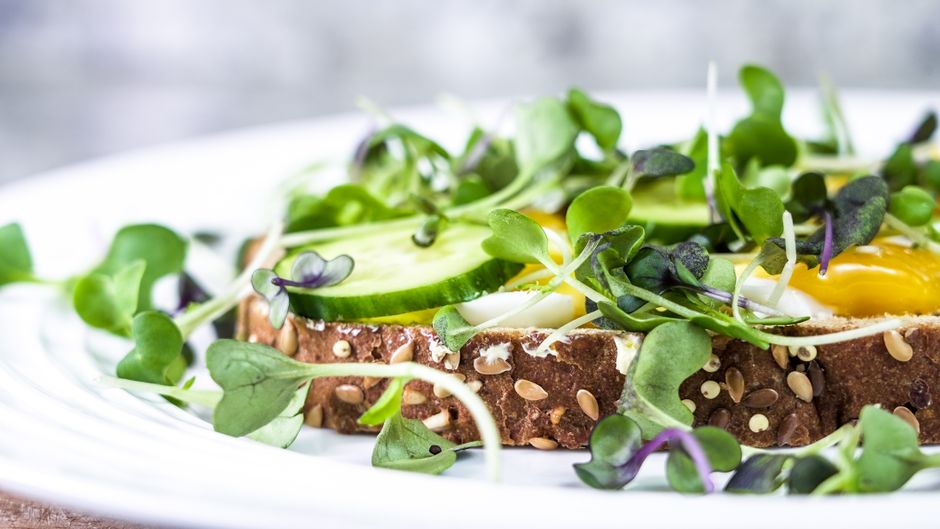
A lush tray can be charmingly misleading.
A tray can go from sparse to jungle-like overnight, and that is where the doubt starts. The crop may look full enough for scissors, but the stems could still be too young and watery — or already stretching, coarse, and a little grassy.
Height is only a weak clue. Readiness is more often a mix of leaf stage, fresh color, upright growth, stem tenderness, and the usual timing for that crop. Many microgreens are nicest around the cotyledon stage or just as the first true leaves appear, though peas, sunflowers, radish, and brassicas each have their own rhythm. A ready tray usually looks lively, feels crisp rather than limp, and smells clean, not musty.
What does “ready to harvest” actually look like?
Are microgreens ready when the first little leaves open?
Often, yes. Many microgreens are at a pleasant eating stage once the seed leaves have opened fully, look green and perky, and the stems feel tender rather than floppy or wiry.
What are cotyledons?
Cotyledons are the first pair of leaves that unfold from the seed. They are usually simple, rounded or heart-shaped, and they do most of the early work before the plant starts making its more recognizable leaves.
What are true leaves, and do they need to appear before harvest?
True leaves are the next leaves that grow after the cotyledons, and they often look more like the mature plant. Some crops are lovely before true leaves show, while others, such as basil or cilantro, are often tastier when the first true leaves are just starting.
Is there a point when microgreens are past their prime?
They can be. If stems become tough, leaves yellow, or the tray smells sour instead of fresh and green, the crop may be beyond its nicest eating window or stressed from growing conditions.
What is a practical harvest rule for beginners?
A useful cue is to look for open cotyledons, good color, and a fresh smell, then taste a small pinch. If the texture and flavor are appealing, the tray is ready enough to cut.
How can the whole tray show it is ready?
What is a better clue than the tallest shoots?
An even canopy is usually more useful than a few impressive stems. If most of the tray has open seed leaves, steady color, and a fresh smell, the crop is often in a good harvest window even when a handful of shoots are taller or shorter.
What does healthy color look like at harvest?
Most ready trays look bright and lively for their crop type: pea shoots may be green and sturdy, radish may show green leaves with tinted stems, and sunflower often looks thick and glossy. Pale yellow leaves after several days in light can suggest weak growth, crowding, or a tray that stayed covered too long.
How should ready microgreens feel?
Ready greens usually feel crisp, tender, and hydrated, not limp or wiry. Stems that bend gently without collapsing are a good sign; stems that feel stringy, dry, or tough may be moving past their sweetest stage.
What are signs the crop is getting leggy?
Leggy trays have long, thin stems that lean, tangle, or fall over before the leaves fill out. This can happen when light is weak, the blackout period runs long, or the tray is crowded, and the texture may be less pleasant even if the height looks impressive.
What suggests the tray is over-mature or stressed?
Watch for yellowing leaves, dry edges, woody stems, collapsed patches, sour smells, or slimy spots near the soil line. A few seed hulls or uneven plants are normal, but unpleasant odor or mushy growth means the tray is no longer a clean, fresh harvest.
The edge of a tray often grows differently because it gets more airflow and light. A quick look into the center gives a more honest read.
Helpful signs include:
leaves opened across most of the tray stems standing without heavy leaning fresh, green scent no slimy patches at the baseIf the center is pale, tangled, or damp-smelling, waiting for extra height may only make the texture worse.
Are days-to-harvest dates reliable?
Should the calendar decide harvest day?
Days-to-harvest is a helpful starting point, not the finish line. A packet may say 8–12 days, but the tray still needs the usual checks: open seed leaves, fresh color, crisp stems, and a clean smell.
Why do trays mature earlier or later?
Warm rooms often speed growth, while cool windowsills can stretch the schedule by several days. Strong, close light usually makes sturdier greens; weak light may produce tall plants that still look pale or floppy.
Can tray setup change the timing?
Yes. Very dense sowing can create a lush mat quickly, but it may also trap moisture and slow airflow. Uneven watering can leave one corner harvestable while another is still small, so the whole tray matters more than one tall patch.
Which microgreens are fast or slow?
Radish, mustard, broccoli, and many brassicas often reach a good cutting stage fairly quickly. Pea shoots, sunflower, cilantro, and some herbs commonly take longer, and their flavor can change more noticeably with age; harvest timing by variety is useful for planning trays with different crops.
Do different microgreens need different harvest stages?
Are leafy brassicas usually harvested early?
Many brassicas, such as broccoli, cabbage, kale, and mustard, are often pleasant when the cotyledons are fully open and richly colored. At this point, the stems are still tender and the flavor is mild to lightly peppery. Waiting for small true leaves can add character, but it may also make some trays feel a little tougher or stronger.
Why do spicy greens change so quickly?
Radish, arugula, mustard, and similar sharp greens can go from bright and zippy to quite assertive in a short time. A younger harvest often gives a crisp bite without too much heat. If true leaves appear, the flavor may become more complex, but also more pungent.
Are pea and sunflower shoots judged differently?
Shoots are usually harvested with texture in mind, not just leaf stage. Pea shoots are often cut when they have tender stems, small tendrils, and a fresh pea-like taste. Sunflower shoots are commonly ready when the seed hulls have mostly dropped and the stems are juicy rather than fibrous.
Why are herb microgreens often left longer?
Herbs such as basil, cilantro, dill, and parsley tend to grow more slowly, and their familiar flavor often develops after the first leaves open well. They may be harvested later than quick brassicas because tiny herb seedlings can taste faint at first. The tradeoff is that waiting too long can bring wiry stems or uneven growth.
What about larger-seeded crops?
Crops grown from larger seeds, including buckwheat, pea, and sunflower, can become chewy if held too long. Their ideal window is often when stems still snap cleanly and leaves look fresh. A quick taste test from the tray can be more revealing than measuring height.
What should happen once microgreens look ready?
Should a ready tray be harvested right away?
If the canopy looks fresh, full, and evenly colored, harvesting soon usually gives a cleaner, crisper result. Waiting too long can make some crops leggier or tougher.
Is it better to harvest wet or dry microgreens?
Dry leaves are easier to cut, handle, and store. If the tray was recently watered, a little airflow can help the tops dry before cutting.
Where should the stems be cut?
A clean pair of scissors or a sharp knife can trim the stems just above the growing medium. This keeps soil, coco coir, or mat fibers out of the harvest.
What if the tray is harvested a little early?
A healthy, slightly early harvest is usually still usable, just smaller and often milder. Fresh color, clean smell, and firm texture matter more than perfect timing.
- Harvest before the tray starts to lean, yellow, or smell stale.
- Clean cuts and dry leaves make the finished greens easier to use.
A ready tray does not need ceremony: fresh-looking greens can be cut promptly, just above the medium. Slightly early is usually better than waiting until the tray declines.

How do you judge readiness if the tray is kind of uneven because one corner dried out for a day? I usually cut the taller 80% and leave the sad little corner another day, but then the second harvest feels stemmy and less crisp.
Curious if anyone just mixes it all together and calls it good.
That’s a good real-world scenario. If one corner was stressed from drying out, I’d usually harvest the healthy majority when it’s at peak texture rather than waiting for the weakest area to catch up. The delayed corner often won’t fully match the rest in tenderness anyway.
You can either trim around it or cut the whole tray and sort out any pale, limp, or tough patches. For future trays, rotating them once or twice during growth helps a lot with those dry-corner differences.
Do you rinse microgreens right after cutting, or only before eating? I’ve seen people say dry cutting preserves texture, but I’m always paranoid about seed hulls and bits of soil/coco coir ending up in the container.
I stopped rinsing before storage and it made a huge difference. I cut into a clean bowl, pick out hulls, then store with a paper towel. Rinse right before eating if needed.
I agree with Nina here. For storage, dry is usually best because extra moisture shortens shelf life and can make the stems collapse faster. If the tray has visible debris or hulls, a gentle shake, clean scissors, and harvesting above the medium line usually solve most of it.
If you do rinse, spin or pat them very dry before refrigerating.
I wish days-to-harvest charts came with a giant asterisk 😂 My broccoli says 8–12 days, but in my basement setup it’s more like 14 unless I crank the heat mat. Height has fooled me more than once.
The part about smell is underrated. My radish trays can look perfect, but if they have that funky swamp smell starting, I don’t care how pretty the cotyledons are… they’re going in the compost. Learned that one the gross way.
Helpful article, but I’m still not totally convinced height is useless. If my pea shoots are only 2 inches tall they’re just not worth cutting, even if they smell fresh and look green.
Maybe it depends on the crop? For peas I feel like height and tenderness together are the only thing that make sense.
For basil microgreens, do you wait for true leaves every time? Mine smell amazing once the true leaves start, but the stems get chewy fast.
I’m wondering if there’s a sweet spot where the herb flavor is there but they’re not basically tiny sticks.