Tender trays usually start in the seed aisle, not under the grow light.
I’ve bought peas from the soup shelf, the garden rack, and sprouting bins, and they do not behave the same. For microgreens, I usually look for whole green peas sold for sprouting or young shoots; they often come up more evenly and stay a bit sweeter and less fibrous at harvest.
Bulk field peas can still work, but some are bred more for forage, soil building, or dry cooking than for tender stems. If a tray turns patchy, thick, or a little woody, seed type is one of the first things I question — not just my watering.
- Labels mentioning sprouting or high germination are reassuring.
- Big cover-crop bags can cost less per tray, but lot-to-lot texture may vary more.


What tender pea shoots are like
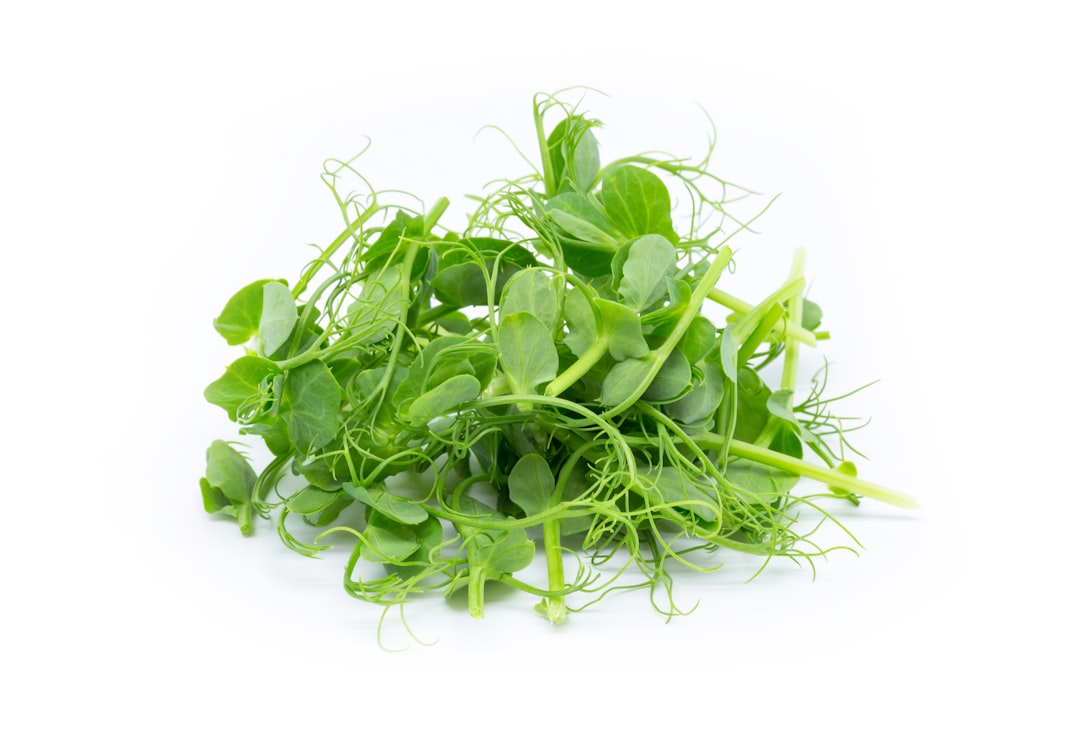
For me, tender pea microgreens have three things in common: soft stems, a mild sweetness, and a fresh crunch that stays pleasant when I eat them raw. I’m not looking for thick, fibrous stalks or a strong starchy bite. The sweet spot is a young harvest, usually before the stems get stringy and the tendrils toughen.
If I’m choosing seed without overthinking it, I usually start with medium-size whole peas sold as field, dun, speckled, or plain green peas. They tend to give a reliable baseline: sturdy enough to grow evenly, but still capable of producing shoots that stay gentle and easy to chew when cut young.
Very large peas can sometimes lean meatier, while tiny peas may feel less classic in texture. A small test tray tells me a lot.
If a listing mentions whole field peas and the seed looks medium-size rather than oversized, that’s often a sensible first tray for tenderness.
I’d rule these out before comparing pea types
-
Untreated, food-safe seed
I start with peas sold for sprouting, microgreens, or food use. That gives me more confidence they weren’t coated for field planting.
Look forClear untreated, organic, or sprouting labelSkipTreated, inoculated, fungicide-coated, or planting-only seed -
Clean, whole peas
A good bag looks dry and fairly tidy, not dusty or beat up. Extra debris and broken seed can lead to messier rinses and patchier trays.
Look forMostly intact peas with very little dust or chaffSkipCracked seed, dirt, stones, or lots of split peas -
Believable germination history
Before I worry about color or variety, I want a seller with a solid sprouting track record. Older or inconsistent stock often comes up slower and less evenly.
Look forSprouting-focused seller with consistent germination claimsSkipNo germination info or repeated complaints about weak stands -
Reasonably even size
Similar-size peas usually soak and pop at a similar pace, which helps the canopy stay more even. For tender shoots, that matters more than fancy seed names.
Look forFairly uniform medium whole peasSkipVery mixed sizes or lots of shriveled seed
The easy everyday pea types
Field peas, dun peas, speckled peas, and plain green peas tend to behave more alike than their names suggest, especially when I cut them young. In home trays, these are often the forgiving workhorses: they soak predictably, push up with good vigor, and usually land in that mild, fresh pea-shoot range before the stems get stringy.
What matters most is the seed lot, not the color name. A clean, whole, untreated bag from a seller with decent turnover usually tells me more than whether the seed coat is tan, mottled, or green.
When I want tender trays, I look for:
- Uniform size for more even soaking and lift
- Strong germination for a fuller, less patchy canopy
- Clean seed with little dust, cracking, or broken peas
- Mild flavor when harvested at about 3–5 inches
If two bags are both field-type peas, I’ll usually lean toward the one that looks more uniform and comes from a source that seems consistent. In my experience, that simple sourcing check matters more than most naming differences.
A straightforward bulk field-pea option
This Amazon listing is a 10 lb. bag of spring field peas, priced around $30. It’s marketed mainly for cover cropping and forage, not specifically for microgreens, so I’d still treat it as a trial-tray first purchase.
For this article’s purpose, the appeal is simple: it’s a bulk field-pea seed that may suit growers who want an everyday, mild pea type. I’d mainly check for clean, whole seed and even sizing when the bag arrives.
When snow peas are worth trying
A sweeter, finer option
If I want a tray with a slightly more delicate look and a gentler sweetness, I usually peek at snow peas and other edible-pod types. Their leaves and tendrils can look a bit finer, and the flavor can feel a touch greener and more nuanced than standard field peas.
The tradeoff is pretty simple: they often cost more, and I don’t always get the same tidy, uniform canopy. In my trays, that can mean a few uneven stems or patchier fill compared with the dependable everyday pea types.
They make the most sense when:
- I’m growing a small tray for raw salads or garnish
- I want mild-tasting microgreens with a sweeter edge
- I don’t mind paying a little more for flavor and appearance
If I’m mainly after yield, speed, and an easy cut, I still lean toward basic field peas first. But for a side-by-side tray, snow pea types can be a fun upgrade.
A reasonable small-batch test
This is sold as a garden snow pea seed, not a microgreen-specific pack, but the variety fits the sweeter edible-pod lane. The listing notes early, cold-tolerant growth and a compact bush habit; for trays, I’d treat it as a flavor experiment rather than a uniformity-first staple.
A few pea-seed myths worth ignoring
Germination is only the first test; eating quality still varies.
I’ve had peas come up fast but turn into thick, fibrous stems with a rougher bite. For tender trays, texture matters just as much as emergence.
Large seed can be vigorous, but it doesn’t automatically mean softer growth.
Some oversized lots push stout stems and crowd a tray. Medium whole peas often give me a better balance of lift, yield, and tenderness.
Snow, snap, and shelling types can be nice, but they’re not always the most even or economical.
A variety bred for pods can still produce patchier or tougher shoots than a plain field pea lot. I treat them more like trial buys than safe defaults.
Low price can come with split seed, mixed sizing, or less reliable stands.
That doesn’t make bulk peas unusable, but it does make a small test tray worth doing first. Uneven seed often turns into uneven harvest.
If a tray looks vigorous but the stems are already chunky, the tendrils are getting stringy early, or the stand is patchy despite decent prep, I usually don’t reorder that lot for tender shoots.
Keep them tender
-
Soak briefly
-
Sow dense, not tight
-
Drain fast
-
Add airflow
-
Cut young
Timing matters.
Late cuts get stringy fast.
Four tender pea types
On The Grow compares four pea varieties side by side.
Price makes more sense after I translate it into trays
I’ve learned that a lower bag price can still feel expensive once a tray comes up patchy or dirty. For peas, I compare what I actually harvest, not just what I pay upfront.
I look at how many solid trays a bag gives me. Cheap seed loses its edge fast if I need extra sowing weight to fill gaps.
Lots of split peas, dust, or bits of stem usually mean more sorting, more rinse water, and a less even stand.
If one batch grows great and the next is mixed, pricing gets harder to trust. I value sellers whose lots behave similarly month to month.
If two options are close, I’d rather pay a little more for cleaner, more uniform seed with steady results. In practice, that often feels like better value than chasing the lowest sticker price.
Which peas fit the tray you want?
For a softer, juicier bite, I reach for peas. Sunflower greens usually feel crunchier, nuttier, and more substantial, so the choice is often about mouthfeel as much as taste. If you want a clearer side-by-side, it helps to compare pea shoots with sunflower greens before buying a big bag.
If I were choosing with minimal risk, I’d buy one dependable bulk field pea and one specialty edible-pod type in small amounts. Then I’d grow them side by side under the same soak, seeding density, light, and harvest day. That makes the comparison much clearer than reading labels.
I’d pay attention to three things: stem tenderness, flavor, and how even the tray looks at harvest. If you’re also thinking ahead to ways to use pea shoots in the kitchen, that can help you decide whether you prefer finer, sweeter tips or a fuller, sturdier cut.
I’d keep notes very simple: seller, variety name, germination speed, bare spots, and whether the stems stayed pleasant to eat raw. After one tray of each, the easier one to reorder usually becomes pretty obvious.
- A side-by-side tray test is more useful than variety marketing.
- Uniform growth can matter as much as sweetness when you’re buying seed again.
Start with one reliable bulk field pea and one edible-pod type, then compare them under identical conditions. I’d look for softness, flavor, and tray uniformity rather than chasing labels alone.
A few quick notes on germination, empty spots, and eating quality make the next order much easier.

This may be me overthinking it, but is pea color basically a distraction for home growers?
Some sellers make the labels sound so dramatic—green! speckled! dun!—like I’m picking paint swatches instead of trying to grow lunch. If sourcing matters more than color, should I just ignore the marketing and buy from whoever gives the clearest germination info?
This was super helpful, but I’m still a little confused about the “sprouting” label part. If a bag says sprouting seeds, does that actually tell me anything about tenderness, or just that they should germinate better?
I bought a cheap bulk pea once and got a tray with random thick stems and empty spots, so now I’m side-eyeing every bag 😅
Usually it tells you more about intended use and expected germination than tenderness by itself. A sprouting label can be a good sign for cleanliness and consistency, but it doesn’t guarantee soft, delicate shoots.
That’s why I like doing a small trial tray first, especially with bulk peas. If they emerge evenly and the stems stay pleasant when cut young, then they’re worth buying in quantity.
I appreciated the part about price making more sense per tray instead of per bag.
Do you have a rough rule of thumb for when a pricier snow pea lot is actually worth it? Every time I compare listings online, the snow peas look fancy, then the cost makes me laugh and close the tab.
For me, snow peas are worth it when you specifically want that finer look and slightly sweeter flavor, not just because the listing sounds premium. If your goal is dependable, everyday trays, standard field-type peas usually make more financial sense.
A simple check is to compare expected usable trays from each lot, not just pounds or bag price. If the snow pea seed is more uneven, cracked, or less vigorous, the “premium” can disappear quickly.
Yep, this. I tried snow peas once for a market table and they looked prettier, but for regular kitchen use I went right back to field peas. My wallet made the decision lol.
Maybe dumb question, but when you say cut early to keep them tender… how early is early?
Mine always seem nice one day and then suddenly they’re getting stringy and more “salad landscaping” than pleasant snack.
So for someone brand new: would you start with plain field peas over snow peas almost every time? I’m just growing for sandwiches and salads, not selling to restaurants or trying to impress anybody lol.
I’m glad you mentioned drainage and airflow, because a lot of guides act like soaking is the only important step.
I’ve had pea trays smell kinda swampy even when germination was decent. Does that usually point more to over-dense sowing, poor airflow, or seed quality? Feels like I’m troubleshooting three things at once.
It really can be a combination, but if the tray smells swampy, I’d first suspect excess moisture lingering around dense seed with not enough airflow. Peas are forgiving, but they can get funky fast when water sits and the canopy stays humid.
My troubleshooting order would be: check drainage, reduce sowing density slightly, improve airflow, then evaluate the seed lot itself. If a clean, vigorous lot is handled well, the tray should smell fresh rather than sour or heavy.
When you say “whole field, dun, speckled, and green peas are reliable baselines,” do you mean they’re basically interchangeable for a beginner? I’m only growing 1020 trays at home, so I’m not trying to chase tiny flavor differences if the main thing is just getting an even stand.