
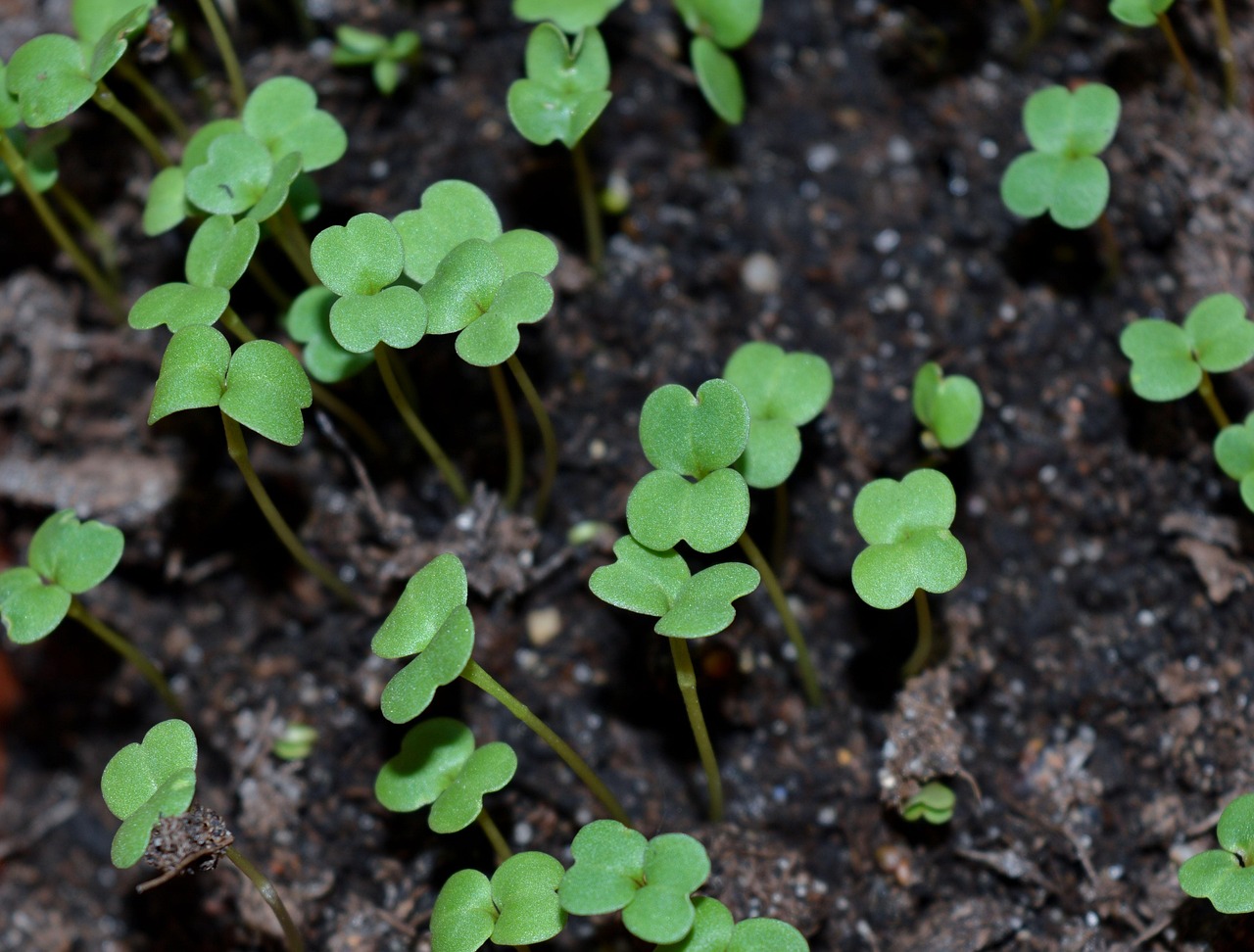
When microgreens go limp overnight, the container is often the bigger problem than the greens.
You open the fridge the next morning and those lively little stems are suddenly flat, damp, and tired-looking. I’ve had that happen even with fresh-cut greens, and it’s usually not bad luck. Microgreens wilt fast when they’re trapped with condensation, pressed into a too-full box, or sealed so tightly that moisture has nowhere to go.
What tends to help is a container that creates a little separation: greens above pooled moisture, with some breathing room instead of a slick, soggy bottom. If your harvest is small, a compact produce keeper is often easier to manage than a big bin you only half fill. If you buy or cut larger handfuls, a roomier container with a raised basket can help keep delicate leaves from getting crushed.
- If the leaves feel wet rather than dry and papery, condensation is probably the main culprit.
- Tall, roomy produce containers usually treat microgreens better than rigid airtight pantry canisters.
Two container styles I’d try first



What “wilting” is really telling me
Not all wilt looks the same
When I say microgreens “wilt,” I’ve learned that can describe a few different problems. Limp and dry usually points to moisture loss. Wet, collapsed leaves often mean condensation built up in the container. Flattened or darkened spots can be simple bruising from packing too tightly.
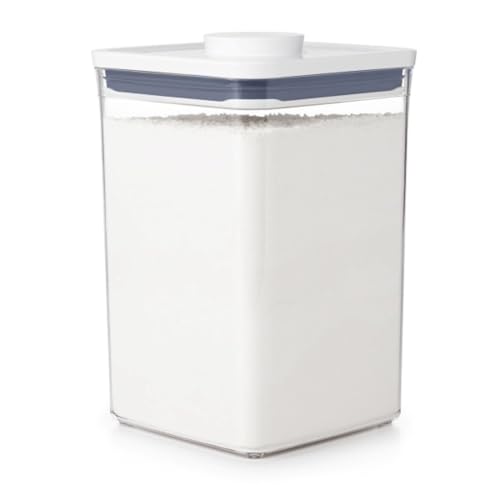
That’s why the fix changes with the failure. A vented produce keeper can help with condensation, but it won’t undo bruising. And an airtight canister like the OXO POP, which I’d save for dry goods, usually isn’t doing tender greens many favors.
Containers only help if the greens go in cool, dry, and loosely packed. If I rinse them first, I try to follow washing and storing them without turning them soggy, then let surface moisture dry off before lidding anything.
A simple check I use:
- Dry, floppy greens: likely losing moisture
- Beads of water on the lid: too much trapped humidity
- Crushed stems or matted leaves: overpacked container
Even a produce container I like—such as FreshWorks or the GreenSaver—works better as a holding environment than a fix. If greens go in warm from harvest, damp from washing, or packed down, they often slump fast no matter which box I use.
What I check first
-
Low, wide shape
I have better luck when greens sit in a shallow layer instead of a deep, cramped box.
Look forA broad base and modest height.AvoidTall canisters that compress leaves. -
Room under the lid
Tender tops can wilt faster when they rub a damp lid, so a little headspace helps.
Look forEnough clearance for fluffy growth.AvoidLids that touch the crop. -
Dry separation and visibility
A basket or colander insert helps keep stems out of pooled water, and clear walls let me spot condensation quickly.
Look forRaised insert, clear sides.AvoidSolid bottoms that hide moisture. -
Fridge fit and cleanup
If a container is awkward on the shelf or annoying to wash, I end up using it less.
Look forShelf-friendly size, smooth corners.AvoidBulky shapes and fussy parts.
I weighed these for small hobby harvests and everyday home storage, including containers that store a home harvest. I wasn’t judging them like commercial wash-and-pack gear.
I favored designs that keep cut microgreens loose, visible, and lifted away from extra moisture in the fridge.
I gave extra credit to easy lids, sensible dimensions, and parts I wouldn’t dread cleaning after a weeknight salad.
Freshmage 5-Pack for mixed harvest sizes
01
Best for multi-size produce storage
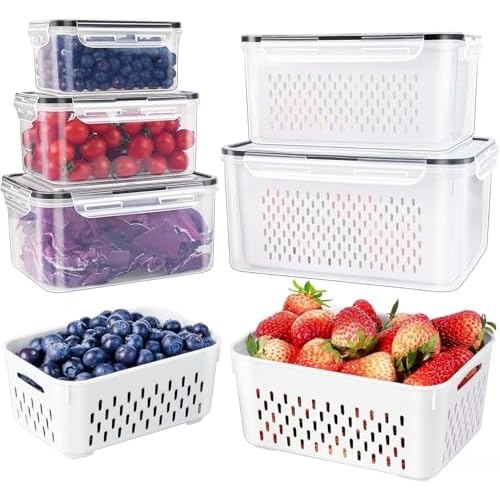
I like this kind of multi-size set when my trays don’t all finish at once. With five container sizes and removable inner baskets, it gives me room to split pea shoots from radish, or keep one cut separate from the next so older greens don’t drag down the fresher batch.
It makes sense for home growers who harvest in uneven amounts and want a tidier fridge system without committing every crop to one container shape.
- Easy to sort by variety or harvest date
- Multiple sizes handle small snips or bigger cuts
- Inner baskets help keep greens off pooled moisture
- Clear containers make quick fridge checks simple
- Leakproof design can trap condensation
- Needs extra care if greens go in even slightly damp
- Larger pieces take more fridge space than shallow trays
Quick take For me, this is the flexible all-rounder: adaptable, organized, and easy to live with. The main catch is moisture control—if the greens aren’t quite dry, condensation deserves a closer look.
If I were rotating through different microgreen harvests every week, this is the set I’d reach for first. The range of sizes is the real advantage: it helps me store small and large cuts neatly, and keep varieties or dates from getting mixed together.
I’d just watch the lids more closely than I would with a more open container, because slight surface moisture can turn into condensation fast in a leakproof box.
Great compact set for berries
If I’m clipping microgreens for pinches and snack bowls instead of one big cut, this smaller Freshmage set feels like the more natural match. The individual containers are easier to dedicate to tiny harvests, and the removable inner basket helps keep delicate greens from sitting flat against pooled moisture. I also like that the compact sizes make me less likely to pile stems too high just to “use the container.”
It suits growers who open the fridge often and want a few ready-to-grab portions rather than a single weekly stash.
- Smaller boxes suit frequent picking
- Insert reduces crushing contact
- Easy to separate tiny harvests
- Overfilling squashes tender greens
- Airtight lid traps leftover moisture
Produce-saver set for stretching fridge life
03
Built-in FreshVent airflow regulator
If I’m mainly trying to keep microgreens usable for a few extra days, this is the shortlist option I’d look at first. The Rubbermaid FreshWorks set is built more like a produce-storage system than a basic leftovers box, so it makes the most sense for frequent harvesters who have fridge room and want a more dedicated setup.
- Airflow-focused design suits delicate greens
- Elevated base helps separate moisture
- Medium and large sizes fit repeat harvests
- No filter refills to manage
- Takes more fridge space
- Costs more than simple bins
- Still won’t save wet greens
- Bulky for tiny harvests
This is the container I’d lean toward when I want to stretch freshness, not just store greens. The produce-style venting and raised base make more sense to me than a plain sealed box for tender microgreens.
That said, the footprint and price are real tradeoffs, and it’s not a miracle fix. If the greens are damp, compressed, or already aging, this kind of system can help less than people expect.
Activated carbon filters reduce ethylene
Ethylene-focused produce keeper for busy fridges. I’d look at the OXO GreenSaver if my microgreens share space with apples, berries, herbs, and half-used produce drawers. Its carbon filter is meant to absorb ethylene, while the raised basket and adjustable vent do the more relevant work for greens by improving airflow and separating them from collected moisture. In my experience, that balance makes more sense in produce-heavy kitchens than in a mostly empty, well-managed fridge.
- Carbon filter may help near fruit
- Raised basket keeps greens off moisture
- Adjustable vent adds humidity control
- Large size suits broad trays
- Ethylene control is a secondary benefit
- Bulky for smaller fridges
- Filter refills add upkeep
- Won’t offset storing wet greens
For fresh microgreens, this is one of those well-made containers that still feels mismatched. I’d save it for dry goods, bulk seed packets, printed variety labels, or little jars of dehydrated add-ins like onion flakes, chili crisp toppings, or dried herbs. That way it still earns its space, just in a job that matches the airtight design better than delicate, recently cut greens.
How I’d match the container to real-life use
I harvest small amounts at a time. What fits that habit?
I’d lean toward smaller insert-style boxes like the 4-piece Freshmage set. They let me portion one or two meals without reopening a big container and rehandling the rest.
My fridge is crowded. What shape works better?
A flatter produce keeper usually fits better than a tall canister. Sets like FreshWorks or the OXO GreenSaver take more shelf area, but they stack into normal fridge life more easily than deep bins.
When do containers actually beat bags?
If I’m storing tender, loose greens, containers usually protect them from crushing and keep moisture off the leaves. If you’re comparing bags versus containers for freshness, I’d usually pick containers for delicate mixes, especially if your fridge gets jostled.
When will better prep matter more than the container?
If greens go in warm, wet, or tightly packed, switching formats may not help much. A container can support shelf life, but drying gently and avoiding crowding usually makes the bigger difference for wilt.
Use small containers for frequent snacking, larger vented boxes for family-size cuts, and skip tall airtight pantry canisters for delicate greens. If space is tight, one well-sized produce keeper often works better than several bulky bins.
My low-fuss anti-wilt routine
-
Start dry
I wait until cut greens feel dry, especially after rinsing. If needed, I use a quick drying routine before storage.
-
Pack lightly
I drop them in loosely instead of pressing them down. A little air space seems to help.
-
Keep leaves above moisture
I use the basket or colander insert so stray droplets stay below the greens.
-
Check the lid tomorrow
If I spot condensation the next day, I vent it briefly or move the batch to a drier container.
In my kitchen, gentler cutting and lighter packing do more for freshness than chasing one miracle box. Even a good produce container can’t fully make up for wet or bruised greens.
What I’d actually buy
If I wanted one easy all-rounder, I’d lean toward the 5-Pack Large Leakproof Fridge Produce Containers for mixed harvests. For smaller cut-and-eat portions, the 4-Pack Airtight Fruit Containers with Colanders felt handier. If fridge life is the main goal, Rubbermaid FreshWorks is the one I’d test first.
Still, containers only help when the greens go in cool, dry, and loosely packed. If fading happens because I simply don’t get to them fast enough, the next step is using them sooner—not buying a fancier box.

I’m glad you called out the OXO POP as basically a no for microgreens. I keep seeing people recommend any “airtight” container like that’s automatically better, and then act shocked when everything turns limp by the next day.
The moisture separation point was the most useful part here for me. Airflow + not letting the greens sit in their own dampness seems way more important than the fancy marketing.
Maybe I’m the odd one out, but I wanted more detail on why the FreshWorks made the cut over other produce boxes. You mention venting and mixed-produce fridges, which makes sense, but if the greens start wet the gains are only modest… so is it really worth the higher price?
I’m not being snarky, just trying to figure out whether this is one of those cases where the premium option is only barely better. For home harvests, I care way more about easy cleanup and not crushing arugula microgreens than about a carbon filter or brand name.
A little surprised the GreenSaver only got a mention and not more of a recommendation. The carbon filter thing might be a gimmick, sure, but I’ve had decent luck with it for herbs.
Then again, microgreens bruise if you look at them wrong, so maybe the bigger footprint matters more than the filter lol.
I actually appreciated that you didn’t pretend the container alone fixes everything. Half the time my “storage problem” is really me harvesting in a rush and stuffing slightly wet greens into whatever box is clean 😅
Question though: for really tiny harvests, would you still use one of the smaller colander-style containers from that 4-pack, or is that overkill compared with just using a paper towel in a regular shallow tub?
For tiny harvests, I’d usually go with the smallest insert-style container if I already owned it, mainly because it keeps the greens elevated and protected without much effort.
That said, a simple shallow tub with a paper towel can work fine when the batch is small and you’ll use it quickly. At that size, the handling and dryness matter more than whether the container is fancy.
I do the paper towel + shallow deli tub thing for pea shoots and it’s honestly good enough for 1-2 days. Once I started drying them better first, the container mattered way less.
The “next-day condensation check” tip is so simple but weirdly not mentioned enough. I switched containers twice before realizing the actual issue was washing sunflower shoots and not drying them well.
Also thanks for separating dry-goods storage from fresh-greens storage. So many roundup posts toss in pantry canisters because they look nice in photos. Super helpful in a kitchen, terrible for fragile greens.
Can you do a budget ranking next time? Like if someone wants to spend under $20 total, which of these is the least annoying option.
The 5-pack sounded practical because of the mixed sizes, but “leakproof” always makes me nervous with delicate greens since it usually means more trapped humidity, not less.
That’s a fair request. Under a tighter budget, I’d lean toward whichever set gives you shallow containers with inserts or some kind of raised base, even if it’s less premium overall.
For microgreens, I’d prioritize moisture separation and usable size over branding. A cheaper multi-pack often beats one expensive keeper if it lets you split harvests into smaller, looser portions instead of cramming everything into one box.
Why wasn’t the Prepworks produce keeper included? It has a little basket and vents too, and it’s usually cheaper than the FreshWorks where I live.
I liked your criteria section, especially the part about lid clearance and fridge fit, but I was curious if that one got ruled out for a specific reason or just didn’t make the final cut.
Mostly the final cut. I tried to keep the list focused on a few containers that represent different use cases rather than every decent produce keeper on the market.
If a container has a shallow footprint, keeps greens off pooled moisture, and doesn’t crush tender stems, it can absolutely work even if it wasn’t named here. Price and availability also vary a lot by region, so a cheaper vented option with a basket can be a perfectly sensible substitute.